
Police Magazine

 MENU
MENU SEARCHMENUSEARCH
Loading data...

A pretrial identification procedure is considered too unreliable if it is "so impermissibly suggestive as to give rise to a very substantial likelihood of misidentification."
Read More →

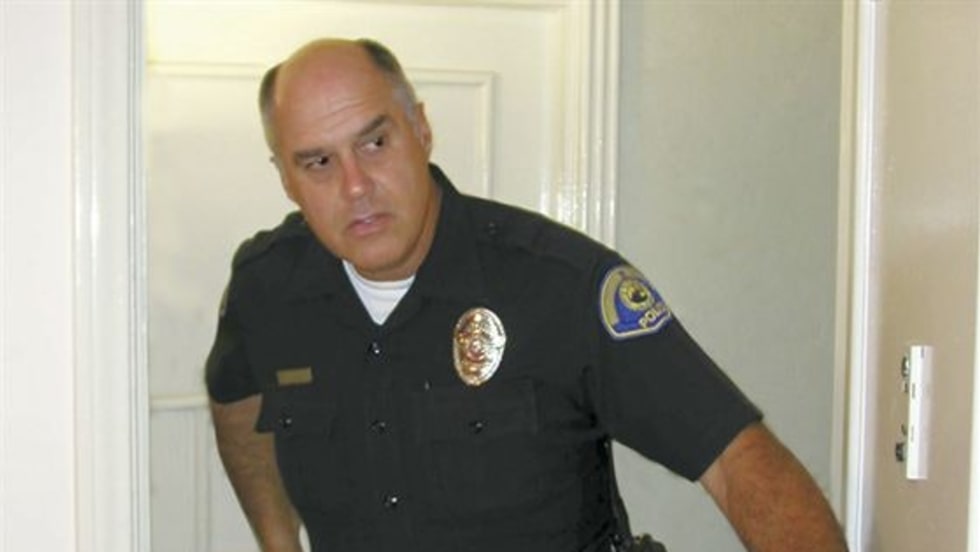
Obviously, no reasonable officer is going to risk his or her personal safety or the public safety in order to satisfy rules regulating the admissibility of evidence in a criminal trial, or even to avoid personal civil liability.
Read More →Sometimes the man or woman in charge shoulders the blame, even when not personally involved in an incident.
Read More →Not everything that causes evidence to be excluded will expose you to civil liability, and not everything that can get you sued will result in suppression of evidence.
Read More →If police take someone from one location and transport him or her involuntarily to a police facility for investigation, this will be considered a de facto arrest. Without probable cause, that arrest will be unlawful, with predictable consequences for both evidence suppression and civil liability.
Read More →One of the most blatant mistakes entertainers insist on perpetuating is the notion that Miranda warnings have to be given immediately upon the suspect being hooked up.
Read More →SWAT teams have been part of the capabilities of police agencies since 1967 when the Los Angeles Police Department organized its special weapons and tactics unit to respond to critical incidents.
Read More →When does a voluntary conversation between a citizen and an officer become a seizure?
Read More →In a motor vehicle, it may not always be clear who has authority to grant permission for a search.
Read More →Restating the obvious, a police officer should obtain a warrant before conducting a search.
Read More →