



Cops and Civil Liability
Not everything that causes evidence to be excluded will expose you to civil liability, and not everything that can get you sued will result in suppression of evidence.

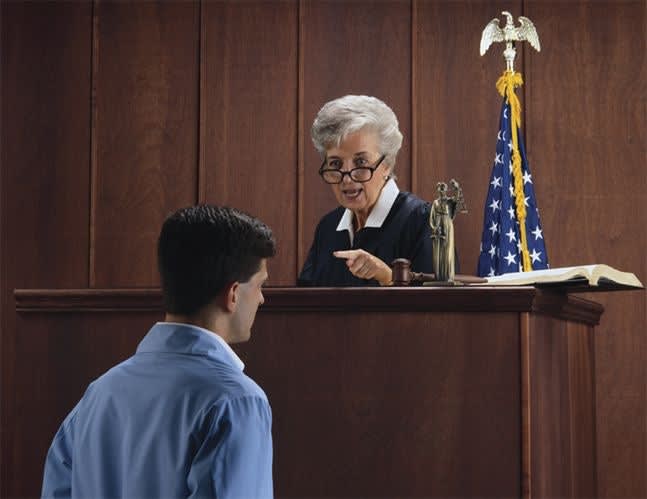
Police officers are only human. You make mistakes. Sometimes, mistakes may mean the suppression of evidence at a criminal trial. Sometimes, they may mean civil liability. Sometimes both. But not everything that causes evidence to be excluded will expose you to civil liability, and not everything that can get you sued will result in suppression of evidence.
Basic Civil Liability
Under federal civil rights law, suits can be brought when an official violates federal constitutional or statutory rights, under color of law. (42 US Code, section 1983; Bivens v. Six Unknown Agents.) If you were to violate the Fourth Amendment by making an unreasonable search or seizure, for example, you could have to pay monetary damages to the person whose rights were violated. The evidence could also be suppressed from a criminal trial, because of the exclusionary rule created by the courts to deter future violations.
On the other hand, if your interrogation of a suspect in custody failed to comply with Miranda procedures, anything the suspect told you could be suppressed at trial, but could you also be sued for having violated the suspect's Fifth Amendment rights? The recent Supreme Court decision in Chavez v. Martinez answers that question.
The Chavez Case
Oliverio Martinez, an admitted heroin user, got into a fight with officers during a narcotics investigation. He grabbed one officer's gun from its holster and pointed it at officers. He was shot, seriously wounded, and arrested.
In the hospital emergency room, police sergeant Ben Chavez questioned Martinez about the shooting. Chavez did not give a Miranda advisement or seek a waiver, presumably because everyone thought Martinez was dying and there wouldn't be any criminal trial. Although he recovered, Martinez was not prosecuted, and he later brought suit. He claimed (among other things) that the questioning violated his Fifth Amendment right against compelled self-incrimination.
To decide whether Martinez could maintain such a suit, the courts had to answer two questions: (1) Does an officer violate the Constitution when he or she fails to comply with Miranda procedures? (2) Does coercive police questioning violate the Fifth Amendment?
There is no question that statements obtained without complying with Miranda case law are not admissible at a criminal trial. (Dickerson v. US.) If otherwise voluntary, non-Mirandized statements may be admitted for impeachment. (Harris v. New York.) Involuntary statements obtained by interrogators who use mistreatment, threats, or coercive promises of leniency may not be used in court for any purpose. (Mincey v. Arizona.)
But aside from the evidentiary consequences of Miranda, in order to find civil liability for not following Miranda procedure, a court would have to find a law enforcement officer's non-compliance itself a constitutional violation. In failing to follow Miranda, did Sgt. Chavez violate the Constitution?
Short answer: no.
Lower Court Errors
Judges are only human. They make mistakes. Like some lawyers and police officers, some judges seem not to have noticed the distinctions between the Miranda exclusionary rule and the Fourth Amendment exclusionary rule.
In Oregon v. Elstad, the Supreme Court explained that the Fourth Amendment rule was created to prevent repeating a constitutional violation that had already occurred in the field, at the time of the unlawful search or seizure. The Miranda exclusionary rule, on the other hand, was designed to prevent a constitutional violation of the Fifth Amendment from occurring at trial, by introducing a suspect's statement that was presumed compelled by an officer.
This means that whereas an unreasonable search or seizure can be termed "unlawful" or "unconstitutional," an interrogation that is simply inadmissible under Miranda laws cannot. Under Miranda, the only unconstitutional or unlawful act would be wrongfully admitting the non-complying statement in court-an action only a judge can take.
A three-judge panel of the Ninth Circuit US Court of Appeals, reviewing the Martinez case, ruled that Martinez should be able to sue Sgt. Chavez for a Fifth-Amendment violation, including the failure to give Miranda warnings. This ruling was based on two previous Ninth Circuit cases, Cooper v. Dupnik and CACJ v. Butts. In the Butts case, the Court of Appeals had said that "Officers who intentionally violate the rights protected by Miranda must expect to have to defend themselves in civil actions."
Supreme Court Ruling
On further appeal, the Supreme Court reversed the Martinez decision, and disapproved the Cooper and Butts rulings, as well. The High Court pointed out that its Miranda procedures are "not themselves rights protected by the Constitution," but are simply "prophylactic measures" to protect a suspect's trial rights against compelled self-incrimination. Since Miranda is not actually part of the Constitution, "Chavez's failure to read Miranda warnings did not violate Martinez's constitutional rights and cannot be grounds for a § 1983 action."
The Fifth Amendment Issue
If Miranda does not provide a basis of liability for police questioning, what about the Fifth Amendment itself? Where mistreatment or coercive threats or promises are alleged, could a plaintiff sue interrogators for violating the privilege against compelled self-incrimination?
Short answer: no.
Again relying on its earlier decisions in Cooper and Butts, the Court of Appeals in Martinez had said that "Chavez's coercive, custodial questioning violated the plaintiff's substantive Fifth Amendment right against compulsory self-incrimination."
However, the High Court reminded the Ninth Circuit of language in previous Supreme Court rulings that had already explained why police questioning cannot possibly violate the Fifth Amendment: "The privilege against self-incrimination guaranteed by the Fifth Amendment is a fundamental trial right of criminal defendants. Although conduct by law enforcement officials prior to trial may ultimately impair that right, a constitutional violation occurs only at trial." (US v. Verdugo-Urquidez.) Police cannot be sued for errors made by trial judges in admitting evidence. (Duncan v. Nelson.)
Actual Coercion Is Costly
Although Chavez v. Martinez makes clear that police officers cannot be sued for non-compliance with Miranda procedures or for allegedly violating the Fifth Amendment privilege against compelled self-incrimination, that is not to say that coercive interrogation practices have no sanctions.
It has long been the law that involuntary statements and their "fruits" are inadmissible in a criminal trial for any purpose. And the Chavez opinion reaffirms that the use of techniques that are so coercive as to "shock the conscience" can result in civil liability for violation of substantive due process (a Fourteenth Amendment cause of action against state and local officers, or a Fifth Amendment due process claim against federal officers). The Chavez case was remanded to consider whether Martinez's allegations could support such a suit.
Application
Miranda procedures need to be followed to help ensure admissibility of statements. If they are not complied with in a given case, for whatever reason, interrogating officers cannot be sued on that basis alone. Force, threats, promises of leniency, and mistreatment will not produce usable evidence, and in extreme cases that "shock the conscience," such coercion may result in civil liability for violating due process. Try not to make mistakes.
Case Citations:
Bivens v. Six Unknown Agents, 403 US 388 (1971)
CACJ v. Butts, 195 F3d 1039 (9th Cir. 1999)
Chavez v. Martinez, 123 SCt 1994 (2003)
Cooper v. Dupnik, 963 F2d 1220 (9th Cir. 1992)
Dickerson v. US, 530 US 428 (2000)
Duncan v. Nelson, 466 F2d 939 (7th Cir. 1972)
Harris v. New York, 401 US 222 (1971)
Mincey v. Arizona, 437 US 385 (1978)
Oregon v. Elstad, 470 US 298 (1985)
US v. Verdugo-Urquidez, 494 US 259 (1990)
Attorney Devallis Rutledge, a former police officer and prosecutor, defends officers and agencies in federal civil rights cases at the California law
offices of Manning & Marder, Kass, Ellrod, Ramirez.
More Patrol
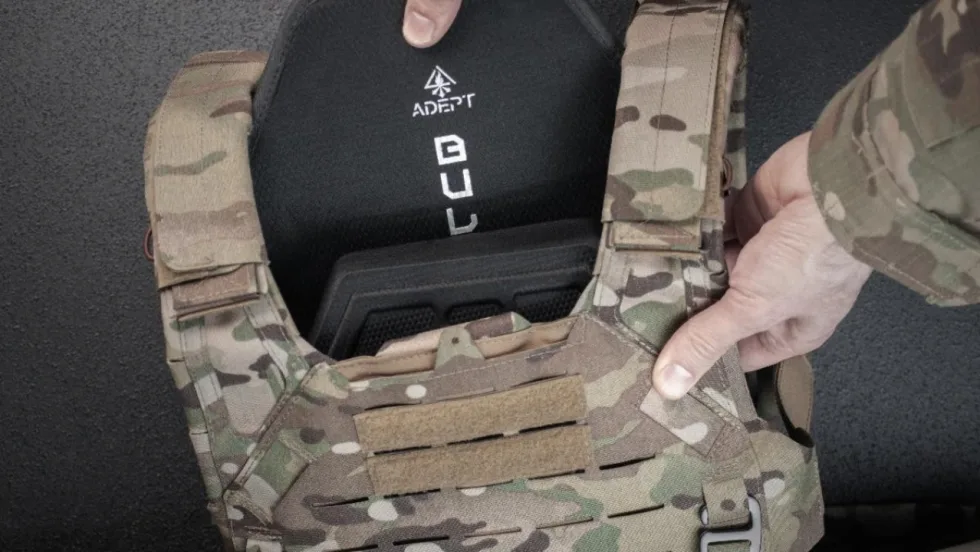
Adept Armor Introduces Two New Rifle Plates
Adept Armor has launched two new Level IV ballistic plates, the Emperor and the Archon Mark 2, which brings Adept Armor’s new Quatroid ceramic to the high-threat, performance-value center of the range at 5.2 pounds.
Read More →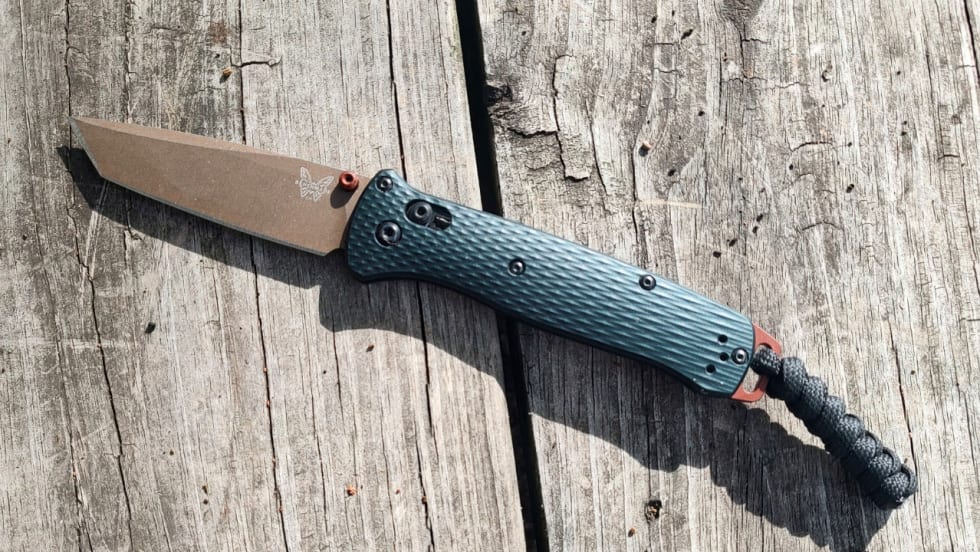
POLICE Product Test: Benchmade Bailout
The Benchmade Bailout is a slim, lightweight carry knife with a deep-ride pocket clip and comes in a variety of blade steels and scales. Here is a detailed review of the Taiga Green Bailout, released earlier this year.
Read More →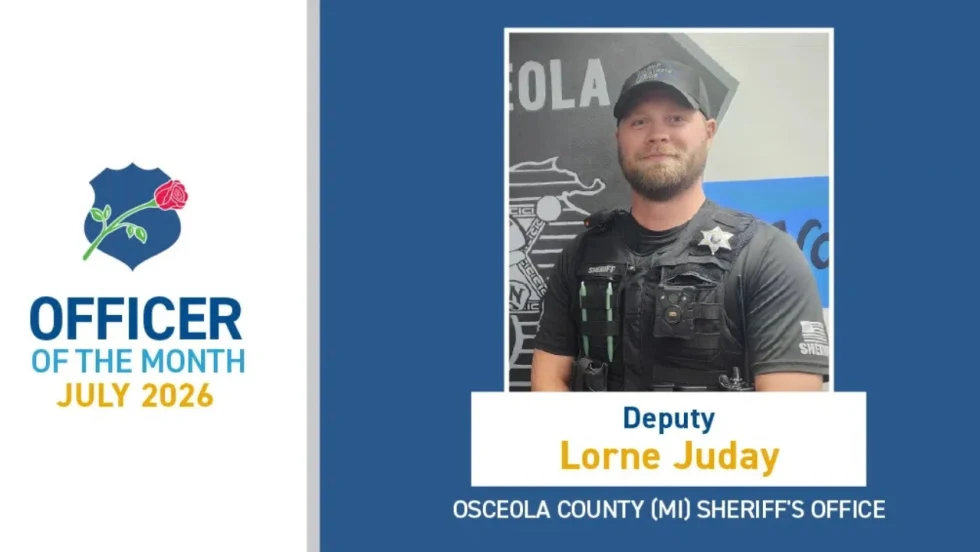
NLEOMF Announces July 2026 Officer of the Month
NLEOMF honored a Michigan deputy sheriff as the July 2026 Officer of the Month for rescuing a trapped driver from a burning vehicle following a Fourth of July crash.
Read More →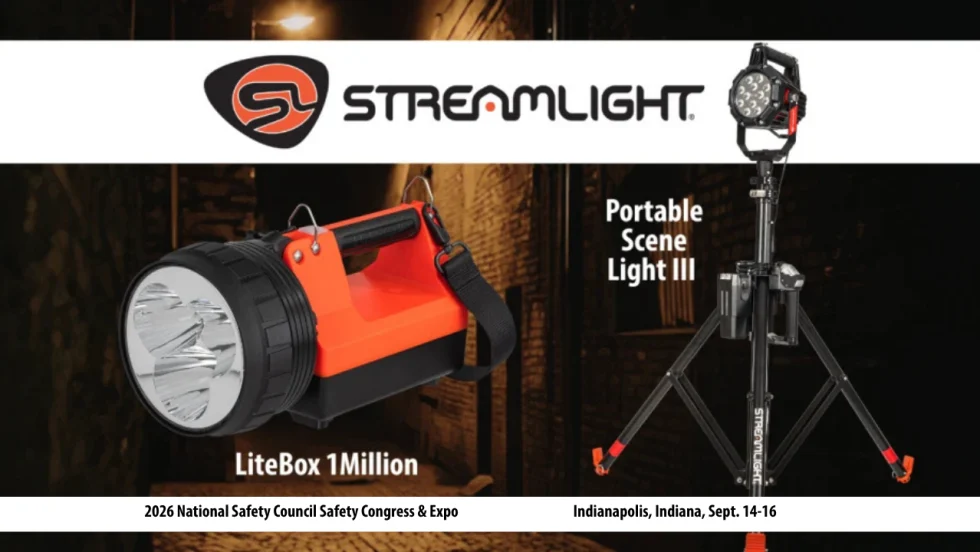
Streamlight to Showcase Newest Lighting Products at National Safety Council’s Safety Congress & Expo 2026
Streamlight will showcase its latest lights, including the Portable Scene Light III and the LiteBox 1Million, at the 2026 National Safety Council (NSC) Safety Congress & Expo.
Read More →
The 2027 World Police & Fire Games Set for Perth, Australia
The 2027 World Police & Fire Games (WPFG) will take place in Perth, Western Australia, from Friday, March 12 through Sunday, March 21, 2027.
Read More →
5.11 Partners with National Fallen Firefighters Foundation to Support #ForThe343
5.11 has joined the nationwide movement honoring the 343 New York City Fire Department firefighters lost on Sept. 11, 2001.
Read More →
Team Wendy Announces Title Sponsorship of the Jorge Pastore Foundation
Team Wendy’s 3-year partnership with the Jorge Pastore Foundation expands access to programs that strengthen those who serve.
Read More →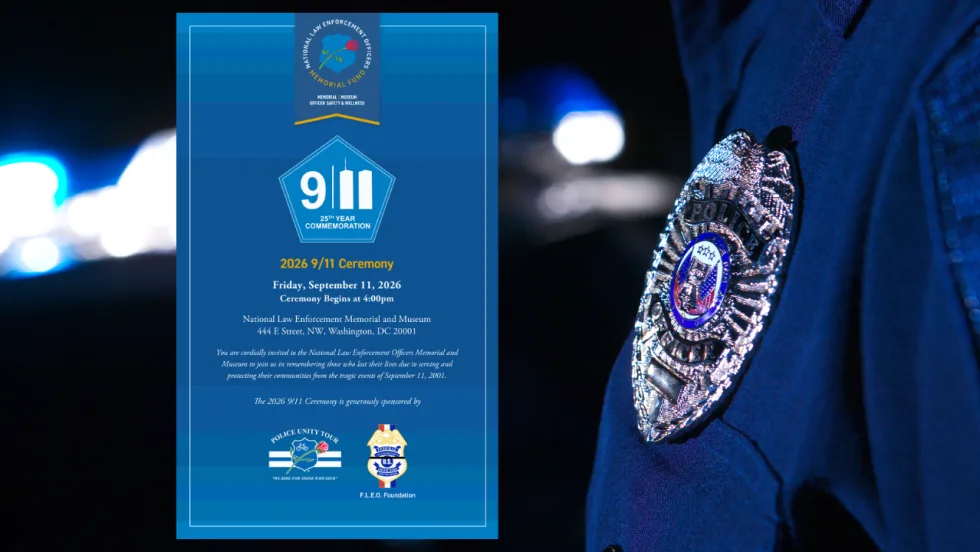
National Law Enforcement Memorial and Museum Hosting 9/11 25th-Year Commemoration Ceremony
The National Law Enforcement Memorial and Museum is hosting a 9/11 25th Year Commemoration Ceremony on Sept. 11 at 4 p.m.
Read More →
National Law Enforcement Officers Memorial Fund Announces June 2026 Officers of the Month
The National Law Enforcement Officers Memorial Fund (NLEOMF) named 15 officers of the Chico Police Department (California) as the Officers of the Month for June 2026 for their roles in responding to an active-shooter incident at a public library.
Read More →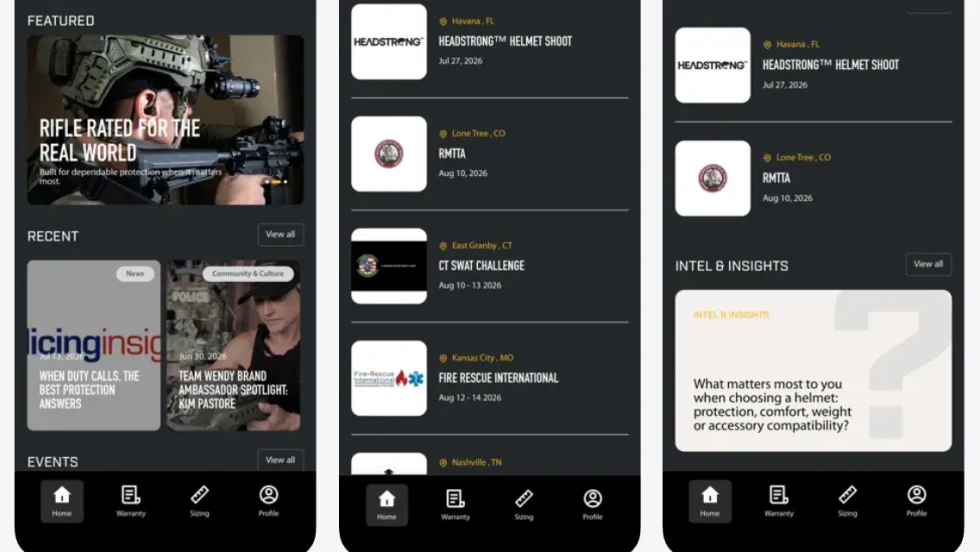
Team Wendy App Creates New Digital Hub for Helmet Owners
The Team Wendy Community App provides one location for warranty registration, size-fit tools, product updates, and community connection. For helmet owners, the new app creates a simpler path to the information and tools that matter most.
Read More →