
Police Magazine

 MENU
MENU SEARCHMENUSEARCH
Loading data...
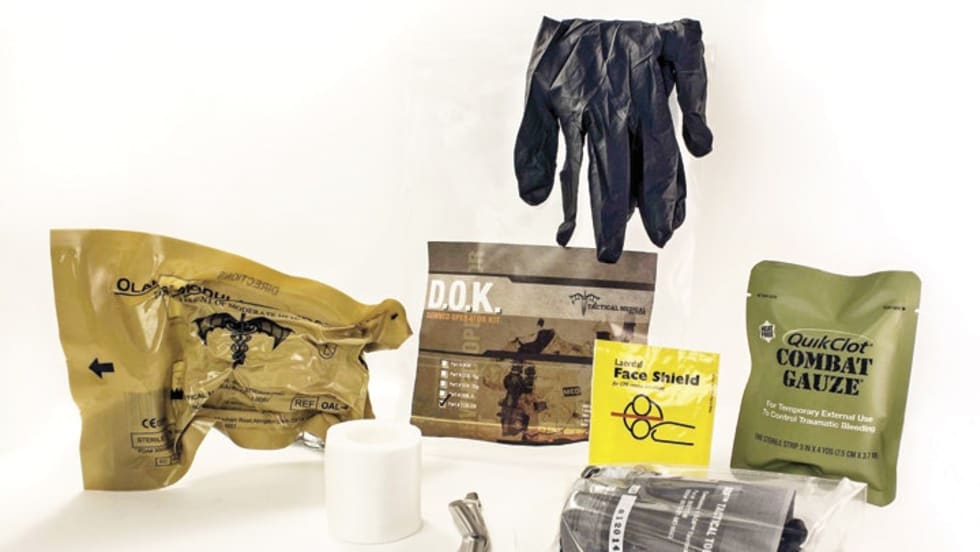
Officer Joshua Burns might have bled out and died if it wasn't for a new emergency medical program that the Dallas PD had implemented just weeks before he was shot. As part of that program, 3,200 Dallas officers had been trained in basic hemorrhage control techniques and issued Tactical Medical Solutions' Downed Officer Kit (DOK).
Read More →

The Morehead City (N.C.) Police officer wounded in an accidental shooting at a training exercise has been taken off a respirator and his condition upgraded to fair.
Read More →Perhaps the most significant factor in an officer's ability to recover from a shooting incident is the level of support offered to him by his department. Departments that provide post-shooting support and advocate for their officers in the media and with health care providers are more likely to benefit from their actions in the long run.
Read More →By understanding three basic steps—Breathe, STOT, Move—officers are able to maintain control over their physiological responses and employ more effective psychological responses to stressful incidents.
Read More →Metropolitan (D.C.) Police Officer Scott Williams, who was wounded in the Washington Navy Yard rampage, is out of surgery and remains in stable condition, Police Chief Cathy Lanier said.
Read More →The suspect who allegedly shot a San Antonio Police officer through a motel door surrendered to police after a nine-hour standoff during which he posted Facebook updates.
Read More →An employee of a Maryland medical center where a Baltimore County Police officer died following a shooting is now under investigation for attacking law enforcement on her Facebook page.
Read More →Two Trenton (N.J.) Police detectives were shot and critically wounded by the boyfriend of a domestic violence victim while following up during an ongoing investigation at a residence.
Read More →The Philadelphia Police officer who was shot after pursuing a suspect into a corner store has undergone a second surgery and may lose his kidney as a result of the shooting.
Read More →When responding to violent events such as an active shooter, after we've neutralized the threat, we can extend our life-saving abilities by managing and treating the damage done by the perpetrators.
Read More →