



The Value of Tactical EMS Training
When responding to violent events such as an active shooter, after we've neutralized the threat, we can extend our life-saving abilities by managing and treating the damage done by the perpetrators.

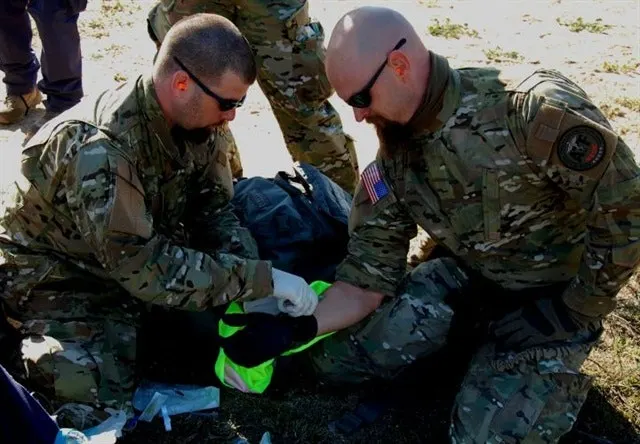
Photo courtesy of Chris Felski.
Arterial bleeding or other hemorrhaging caused by a bullet or blast injury can lead to irreversible shock and death within a few minutes if an injured cop or civilian doesn't receive aid immediately.
We've recently learned these hard lessons in Afghanistan and Iraq. Control bleeding first. Then prevent the onset of shock to save lives. Active shooter scenarios quickly come to mind when discussing penetrating trauma that can sever limbs. Training law enforcement to handle this type of injury and others in the field is critical to our life-saving mission.
In Vietnam, the critical time to stabilize and transport a patient to a field hospital became known as the "golden hour." More than 40 years later, we've updated it to "the golden quarter hour."
Why should we embed a tactical EMS (TEMS) in a SWAT team or even patrol? Law enforcement EMTs are not only important during field operations. Police training accidents are responsible for more injuries to officers that field operations. After all, a rescue squad with an ambulance may not always be readily available. Your location may be isolated, and traffic in many locales is a constant impediment to quick arrival.
Mass casualties that occur at an incident such as the Boston Marathon bombing can overwhelm EMT resources. And because the area of operation is still hot, non-law enforcement personnel are usually not coming into the scene. It's not only a matter of minutes; seconds can make the difference in patient survival.
Hemorrhage, tension pneumothorax, and airway compromise can be treated early with minimal equipment and rudimentary techniques. A simple cellophane wrapper from a pack of cigarettes was used to treat a sucking chest wound in Vietnam, when nothing else was available. We have to train cops to use the equipment and life-saving methods, just as we train field personnel in the use of deadly force.
A great of example of the successful use of SWAT EMTs occurred in Tucson, Ariz., on Jan. 8, 2011. An active shooter opened fire at a political event in the parking lot of a shopping mall. U.S. Rep. Gabrielle Giffords was severely wounded.
Pima County Sheriff's deputies responded, took the shooter into custody and immediately put their EMT training to work in dealing with 19 wounded and dying victims. They triaged, treated, and stabilized the victims by the time fire and rescue personnel arrived on the scene when the area had been secured. Everyone involved agreed the deputies had saved a lot of lives that day.
SWAT-trained EMTs have been in place with some teams for several years now. More are needed to come online.
What about patrol? They're the true first responders. More and more agencies issue tourniquet kits to patrol and other street personnel. The Lafayette (La.) Police Department recently trained all of their sworn personnel in the use of tourniquets and issued the kits to each officer.
When responding to violent events such as an active shooter, after we've neutralized the threat, we can extend our life-saving abilities by managing and treating the damage done by the perpetrators.
More Blog Posts
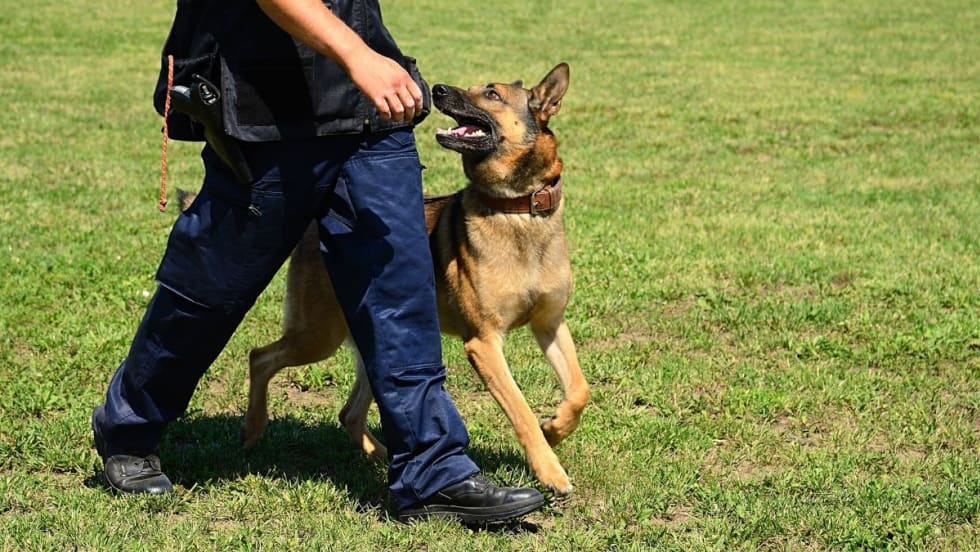
Preventing Heat Injury in Police K-9s
In the relentless heat of summer and even early fall in some parts of the country, officers face the important task of protecting their K-9 partners while working in sweltering temperatures. Recognizing changes in a dog’s behavior is the key.
Read More →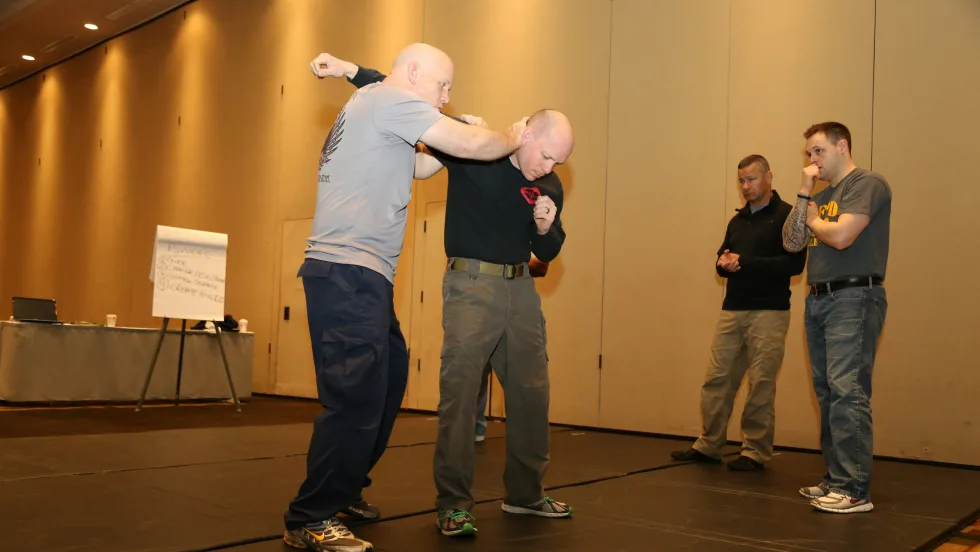
Why Your Agency Needs to Attend the ILEETA Conference
ILEETA is a complete resource for trainers to address trainers' needs. Its mission is to enhance the skills and safety of criminal justice practitioners while fostering stronger and safer communities.
Read More →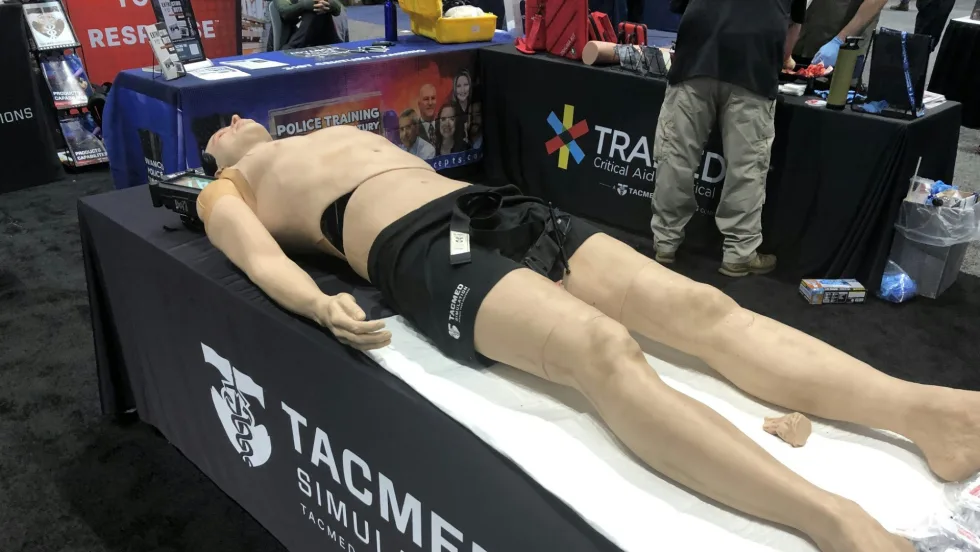
IACP 2023: New Training Products
Technologies for improving law enforcement training and training management were some of the highlights at this year's show.
Read More →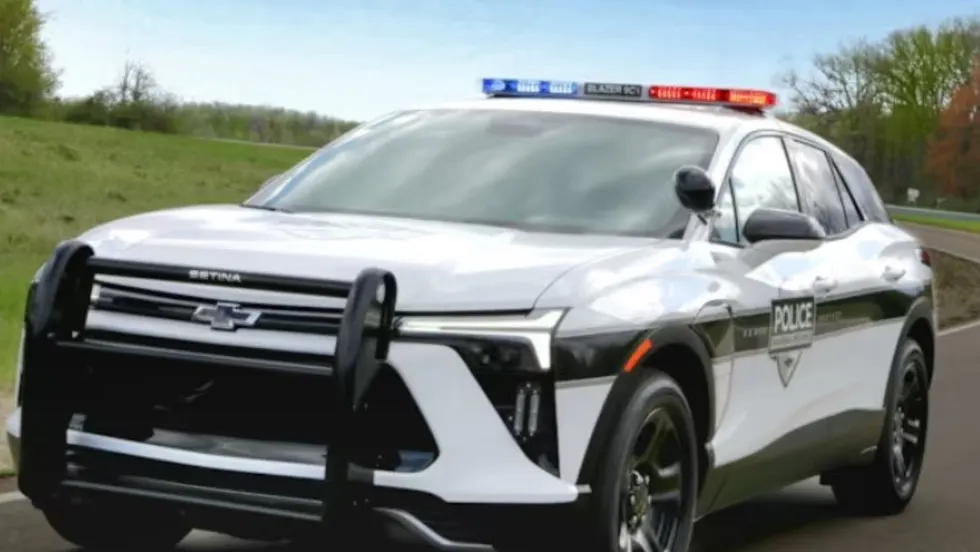
Initial Results Released from MSP 2024 Police Vehicle Testing
The 2024 pursuit-rated vehicles--all pickup trucks or SUVs, including two battery electric models the Chevrolet Blazer EV AWD and Ford Mustang Mach-E--were put through their paces.
Read More →
Officer Safety Considerations Related to Alternative-Fuel Vehicles
As more alternative-fuel and hybrid vehicles hit the road, police and other first responders need to understand that they are no more dangerous than conventional vehicles. However, there are certain safety considerations every cop should know.
Read More →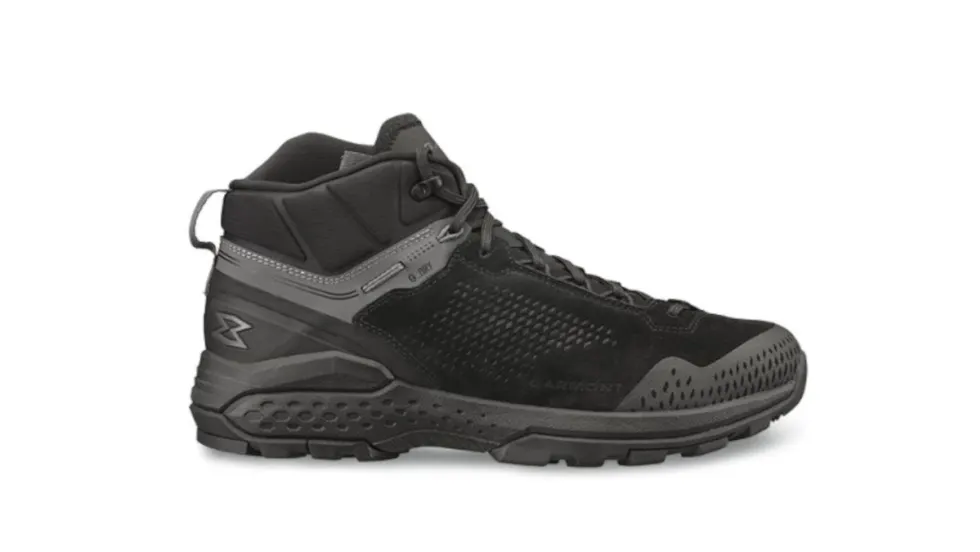
Garmont Working to Grow LE Market Presence
Garmont Tactical has found wide acceptance by military boot buyers, but now the company is trying to better respond to the needs of police officers. Many cops now are not fans of 8-inch boots, so Garmont is adapting.
Read More →
Publisher’s Note: Our Commitment to You
Through our magazine and website and our Police Technology eXchange event, we promise to provide you with information and access to resources to help you do your job safer and better.
Read More →
10 Tips for Responding to Mental Health Crisis Calls
The Harris County Sheriff's Office is a model for other agencies that want to learn about crisis intervention and mental health crisis response. Sgt. Jose Gomez shares the story of their programs and provides 10 tips for mental health crisis call response
Read More →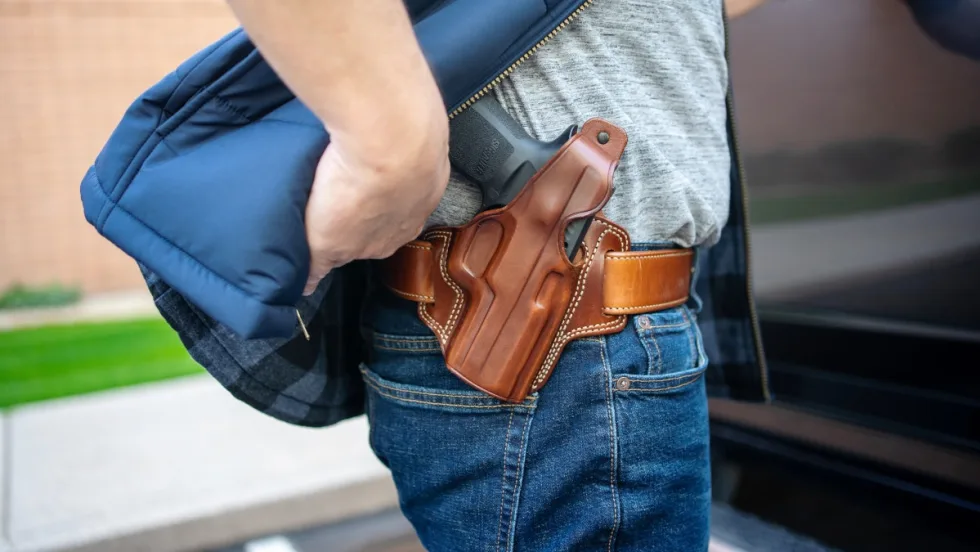
5 Things to Know When Buying Concealed-Carry or Off-Duty Holsters
Mike Barham, of Galco Holsters, shares five important considerations to keep in mind when you buy off-duty concealed or plain-clothes carry holsters.
Read More →
10 Tips for Reviewing Use-of-Force Reports
While the burden of accurately reporting use-of-force situations is on an individual deputy or officer, the person reviewing those reports shares in the responsibility of making sure the reporting is done properly, with clear details included.
Read More →