
Police Magazine

 MENU
MENU SEARCHMENUSEARCH
Loading data...
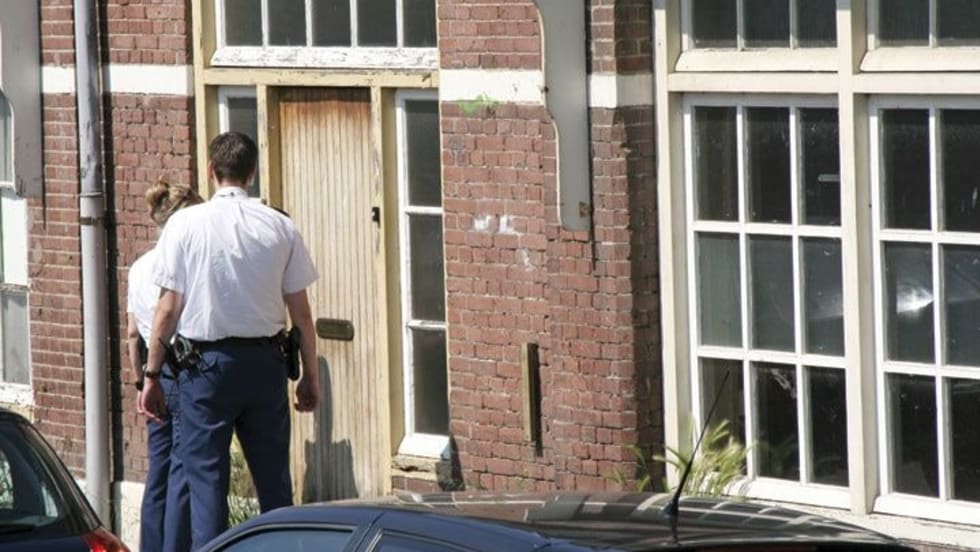
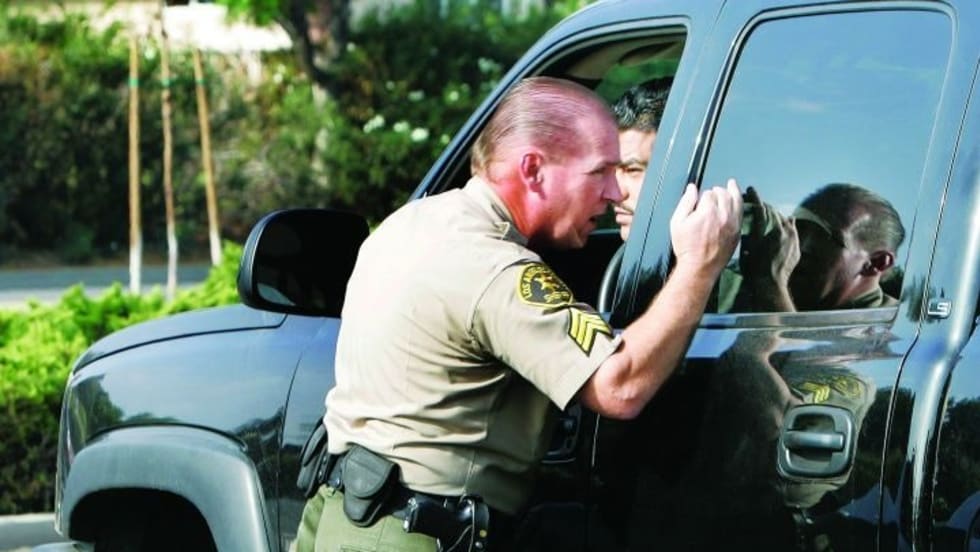
If you can identify two or more ways to justify a detention, arrest, search, or entry, you increase the odds that at least one of them will be upheld in court.
Read More →
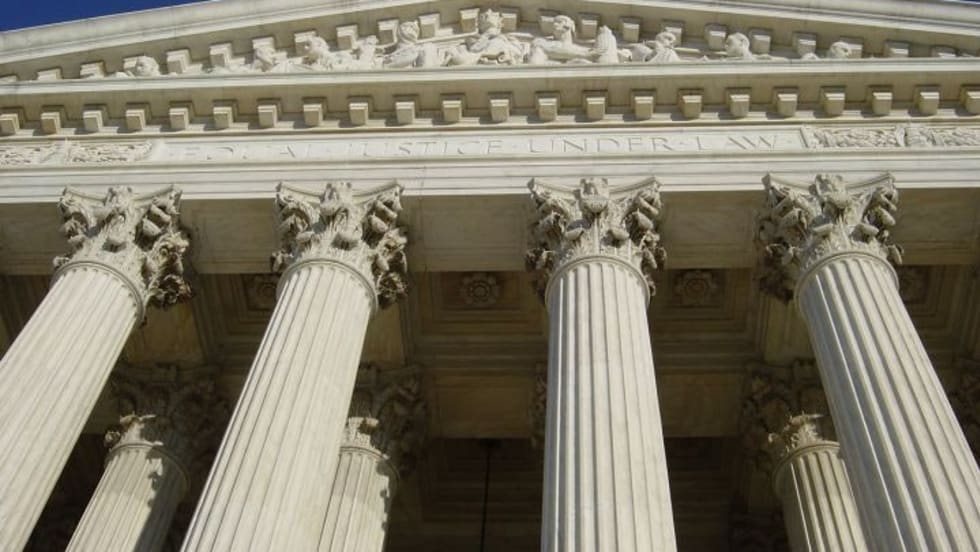


"I'm disappointed by the decision, but it's not surprising," Mayor Daley said at a news conference. "We're still reviewing the entire decision, but it means that Chicago's current handgun ban is unenforceable…"
Read More →The Supreme Court on Monday extended the Second Amendment's right to keep and bear arms to the states in the second major victory for gun rights supporters in as many years.
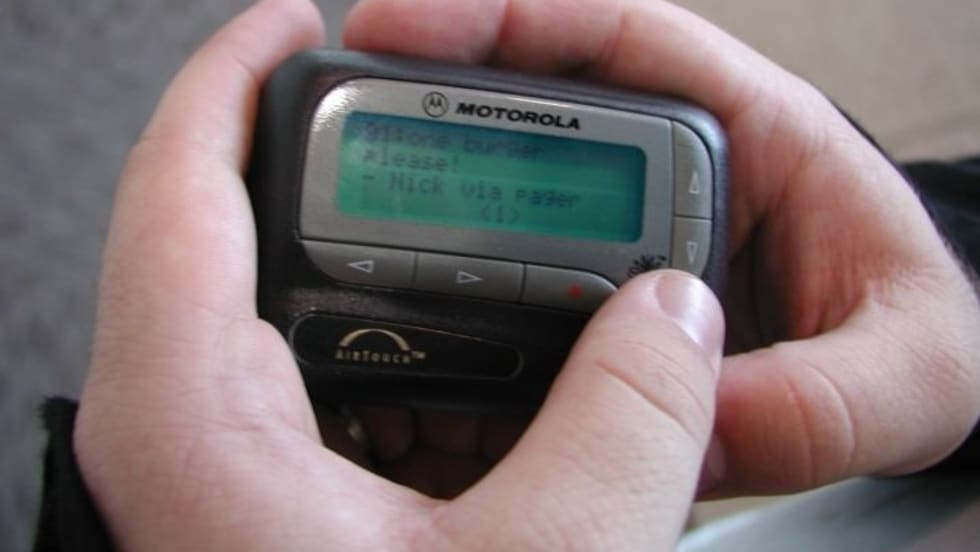
Read More →The Ontario (Calif.) Police Department fired Sgt. Jeff Quon after an internal audit determined he had sent a flurry of personal text messages using his department-issued pager.
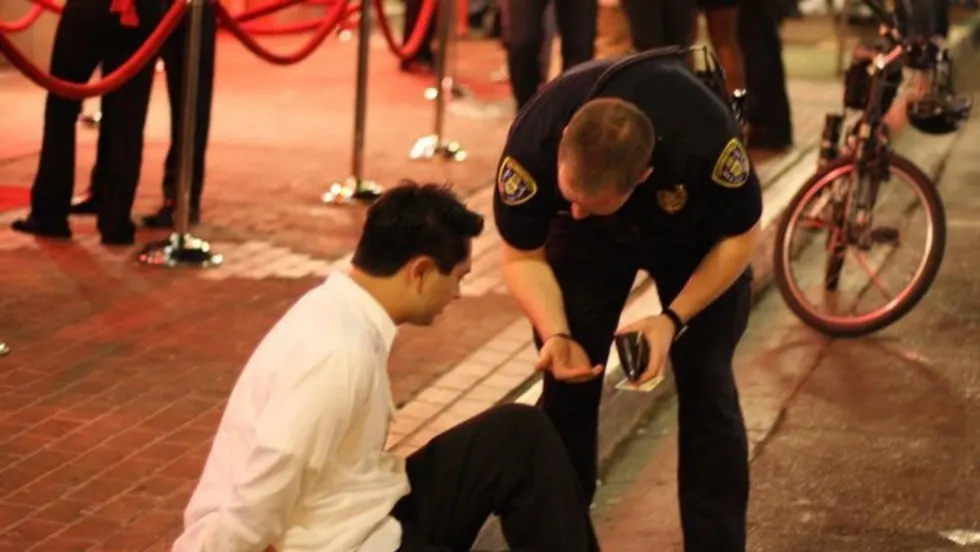
Read More →This significant new decision firmly establishes that once a suspect has received the Miranda warnings and indicates that he understands his rights, officers are not required to ask whether he wishes to waive or invoke but may simply start asking questions about the case.
Read More →A person can frame a federal lawsuit against an officer under either the "special relationship" doctrine or the "state-created danger" doctrine.
Read More →Probable cause is much less than proof "beyond a reasonable doubt," which the prosecutor must meet in order to convict a defendant. But PC is something more than the "reasonable suspicion" required to justify a temporary investigative detention.
Read More →Miranda warnings are triggered by a simple formula: Custody + Interrogation = The requirement for Miranda warnings. A motorist is not in "custody" for Miranda purposes when he or she is detained for an ordinary traffic stop.
Read More →The genesis of the Miranda warnings can be traced to March 13, 1963, when Ernesto Arturo Miranda was arrested by officers of the Phoenix Police Department for stealing $4 from a bank worker and for the kidnap and rape of another woman.
Read More →The Edwards rule applies to all officers and all cases - not just to the case on which the suspect invoked the right to counsel.
Read More →