



Getting Ready for the Big One
Terrorism can happen anywhere, at any time.

All of us in law enforcement have heard a great deal lately about the need to be ready to react to massive terrorist events in a whole host of cataclysmic guises. And as we all witnessed on 9/11, terrorists and their ilk certainly do have the will and, sometimes, the ability to visit upon this country carnage and destruction on a scale previously unimagined by Americans.
For that very reason, it is important that those of us who labor in municipal, county, and state law enforcement continue to partner with our federal brethren and other entities in "war-gaming" for a massive terror attack. In so doing we can improve and cement our relations with our peers in the vast catalog of agencies that make up American law enforcement. We likewise can practice the mechanics of the incident command system and polish our coordination and leadership skills.
Law enforcement generally does a pretty good job of preparing for major calamities. We practice our responses to tornadoes, floods, and earthquakes not because we expect them to happen at our particular locale but because we know that they could. Preparing for the mass casualty incident instigated by a terrorist should be no different.
Most of us will never have to face a man-made disaster on the scale of 9/11. However, if we are to believe the intelligence agencies we rely upon for guidance, the threat of less-spectacular terrorist operations remains very real for all of us who carry a badge. Terrorists overseas have long favored the "simple" truck or car bomb as the easiest means for attacking their enemies. In Oklahoma City, a homegrown terrorist brought this weapon to America's heartland. There is no good reason to believe that domestic terrorism could not happen again.
Those of us in law enforcement are obligated to prepare ourselves to prevent and respond to the sort of "regular" terrorist attacks that have become commonplace in Israel and Saudi Arabia. That doesn't mean we shouldn't continue to plan and train for a major terrorist event. It means we cannot neglect our preparations for smaller attacks.
That said, exactly what can we do to prepare?
We must remain alert to what's happening on the streets. It is no secret that some excellent terrorism intelligence has come from the uniformed ground-pounders who are out there every day and night. It is vital that patrol officers correctly see themselves as the country's first line of defense against terrorist attacks.
Likewise, frontline officers must today, more than ever, stay up on current events as they pertain to terrorism as well as terrorist organizations. (As was said during World War II: "Know your enemy.") Remember, the perpetrator of this morning's terrorist crime in Seattle just might be pulled over tonight by a Tampa patrolman.
And remain mindful that today's mass killers don't run around in T-shirts that say "Terrorist." We must stay vigilant for the mass murderer in his role as a "common" criminal engaging in armed robbery, credit card fraud, or identity theft to help further his larger, terroristic goals. We also must look out for hints of the terrorist's trade (extremist publications, bomb-making materials, forged documents, etc.) that may be encountered through a traffic stop or domestic violence call.
Just as we work at getting better at the other parts of our job, we can put an equal amount of energy into improving our personal response to a potential terrorism-involved call or contact.
Obviously, this short list barely scratches the surface of what each of us as peacekeepers can do to confront terrorism in this country. It is up to us all to keep adding to the textbook of effective tactics and techniques for preventing or responding to the next big-or little-terror-related crime. We have never faced a bigger challenge or been presented the opportunity for greater good.
Gerald W. Garner, a long-term member of the Police Advisory Board, is a division chief with the Lakewood (Colo.) Police Department.
More Patrol

Team Wendy Introduces the EXFIL Endurance Ballistic Helmet, Engineered to Reduce the Burden of Extended Wear
Team Wendy has launched its EXFIL Endurance, a new lightweight ballistic helmet engineered to deliver protection, comfort, and fit during demanding, extended operations.
Read More →
The First Responders Children’s Foundation National First Responders Day Roll Call of Heroes Ceremony Returns to Times Square, NYC
First Responders Children’s Foundation (FRCF), in collaboration with T-Mobile, will host the Roll Call of Heroes ceremony in Times Square to commemorate National First Responders Day on Wednesday, Oct. 28. During the event, FRCF will present 18 Hero Awards.
Read More →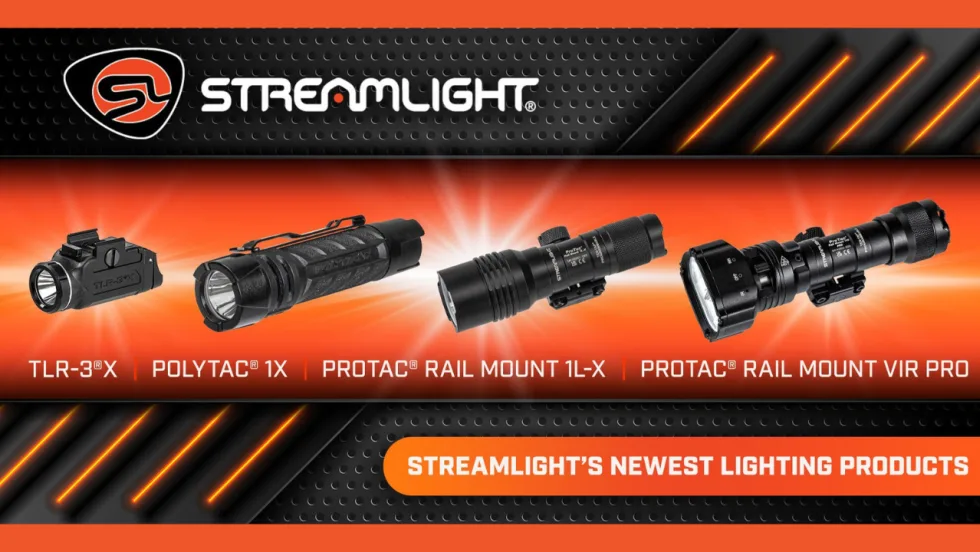
Streamlight to Showcase Newest Lighting Products for Law Enforcement Professionals at IACP 2026
Streamlight will showcase its newest lights for law enforcement at the International Association of Chiefs of Police Annual Conference & Expo. Featured lights will include the TLR-3 X, the PolyTac 1X, and more.
Read More →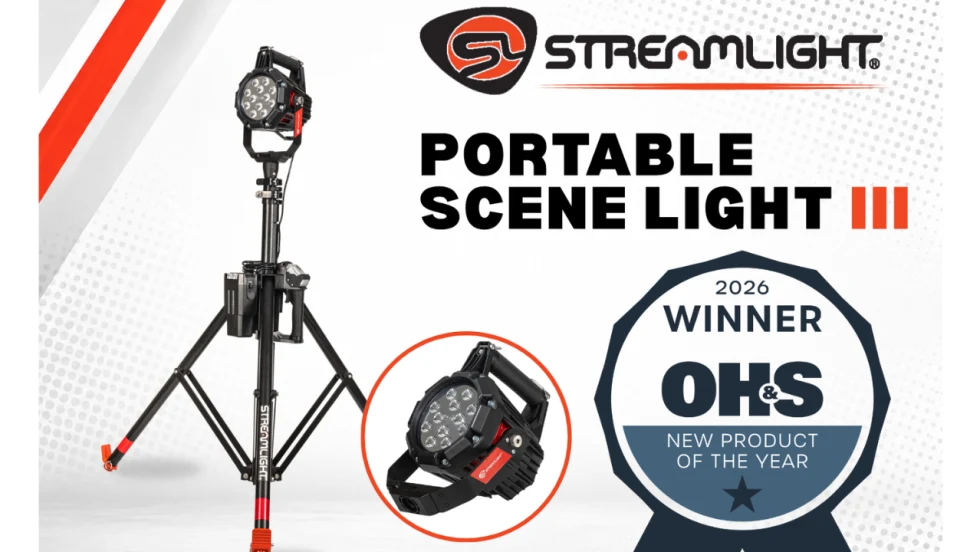
Streamlight Portable Scene Light III Wins 2026 OH&S New Product of the Year Award
Streamlight’s Portable Scene Light III has won the 2026 Occupational Health & Safety (OH&S) New Product of the Year Award in the Lighting category.
Read More →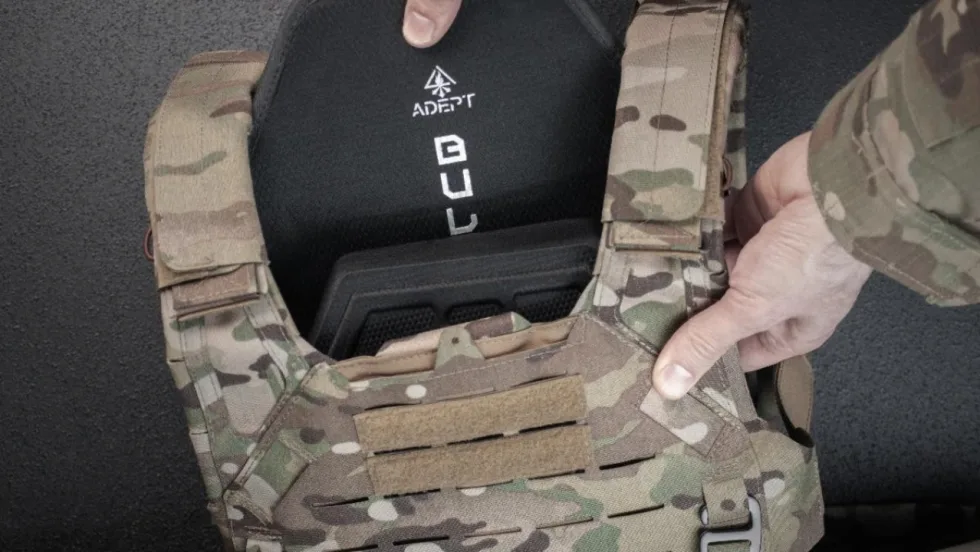
Adept Armor Introduces Two New Rifle Plates
Adept Armor has launched two new Level IV ballistic plates, the Emperor and the Archon Mark 2, which brings Adept Armor’s new Quatroid ceramic to the high-threat, performance-value center of the range at 5.2 pounds.
Read More →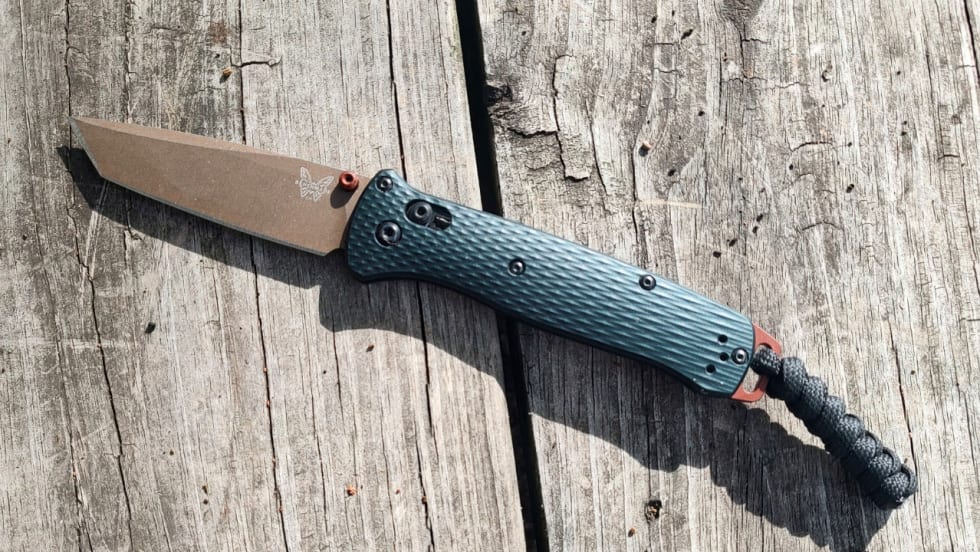
POLICE Product Test: Benchmade Bailout
The Benchmade Bailout is a slim, lightweight carry knife with a deep-ride pocket clip and comes in a variety of blade steels and scales. Here is a detailed review of the Taiga Green Bailout, released earlier this year.
Read More →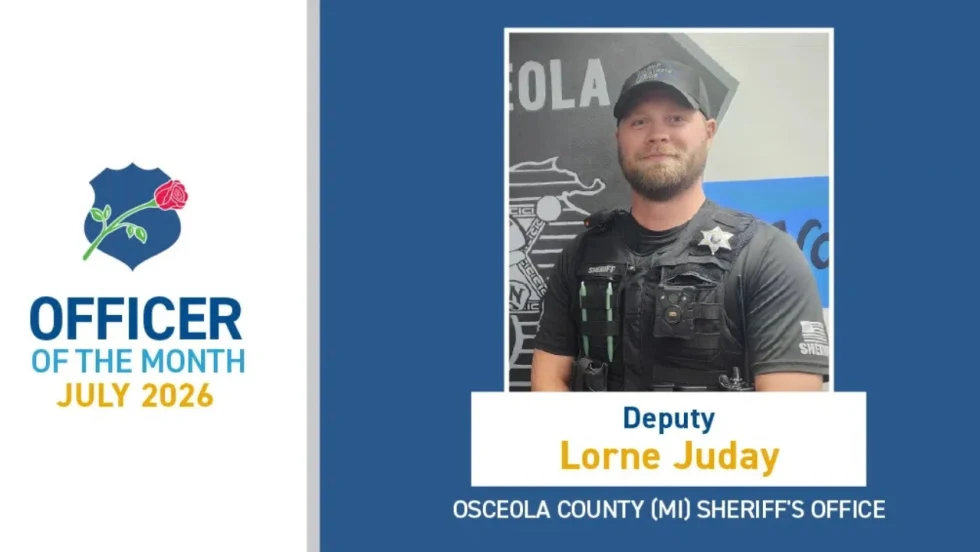
NLEOMF Announces July 2026 Officer of the Month
NLEOMF honored a Michigan deputy sheriff as the July 2026 Officer of the Month for rescuing a trapped driver from a burning vehicle following a Fourth of July crash.
Read More →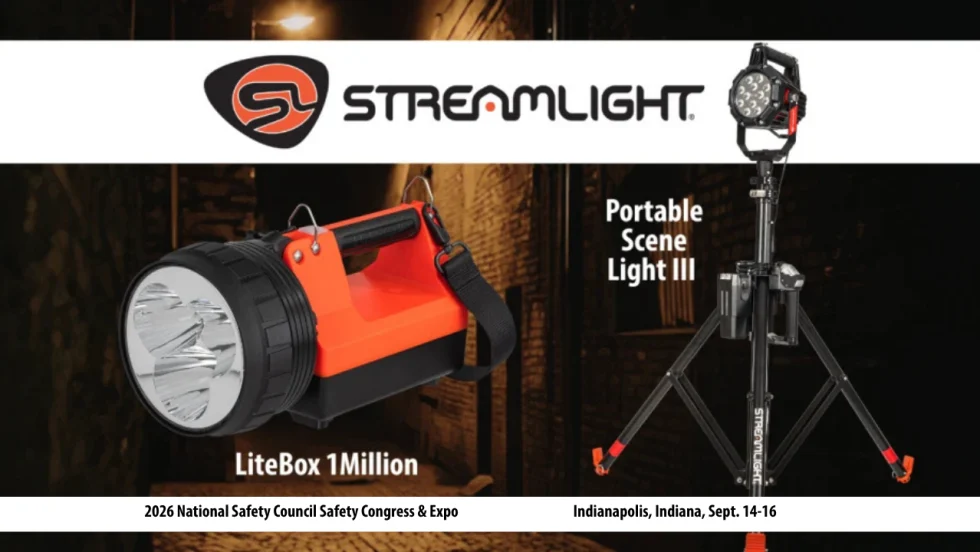
Streamlight to Showcase Newest Lighting Products at National Safety Council’s Safety Congress & Expo 2026
Streamlight will showcase its latest lights, including the Portable Scene Light III and the LiteBox 1Million, at the 2026 National Safety Council (NSC) Safety Congress & Expo.
Read More →
The 2027 World Police & Fire Games Set for Perth, Australia
The 2027 World Police & Fire Games (WPFG) will take place in Perth, Western Australia, from Friday, March 12 through Sunday, March 21, 2027.
Read More →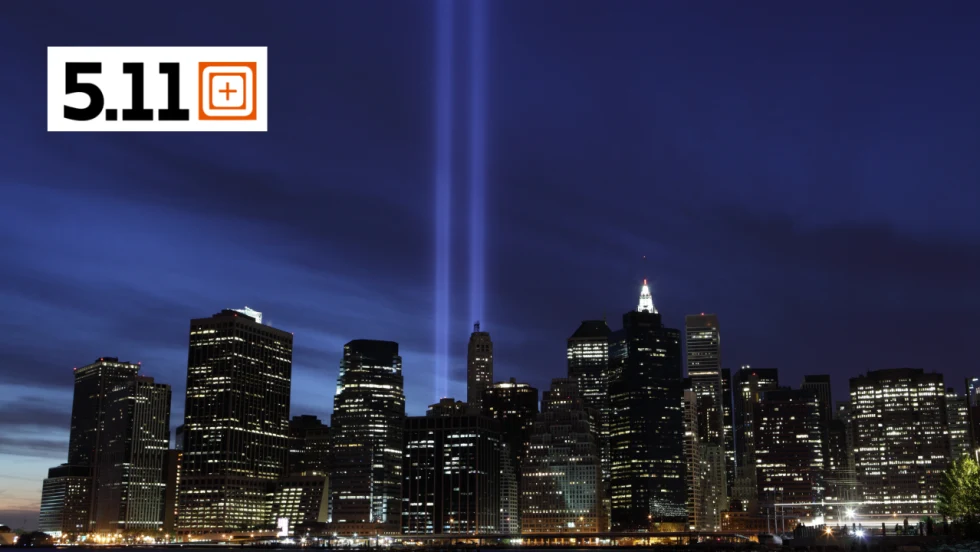
5.11 Partners with National Fallen Firefighters Foundation to Support #ForThe343
5.11 has joined the nationwide movement honoring the 343 New York City Fire Department firefighters lost on Sept. 11, 2001.
Read More →