



Fighting the Wrong Battle
More officers may choose to leave their vests in their lockers on hot days or just choose not to buy them.

Hands down, this is the most tragic sentence you will ever read in this magazine or in any news item we post on our PoliceMag.com Website: Officer Everyman was not wearing body armor at the time of the shooting.
Yet an alarming number of your brothers and sisters in blue continue to hit the street with no more protection than a class B uni and underwear. There are two reasons that thousands of cops choose to work "naked": comfort and cost.
That's why I am concerned that the National Institute of Justice's new body armor certification standard published last year and finalized this year as NIJ standard 0101.06 may actually lead to fewer officers wearing armor.
If you're wondering why the NIJ chose to change its body armor certification standards, you're not alone.
Here's the official story. The NIJ and the body armor manufacturers were surprised and devastated by the failure of concealable vests with panels made primarily of Zylon back in 2003. That mistake cost one officer his life, another severe injury, and it bankrupted the then number one law enforcement body armor manufacturer in the world, Second Chance. It also forced the NIJ to reexamine its standards and ban Zylon as a ballistic panel component. The result was the 05 Interim Standard and now the much more complex 06 standard.
NIJ says the goal of the 06 standard is to make your vest more bullet resistant and to make sure it won't lose strength after you've worn it a few years. These are admirable goals. However, I think this government body may be focusing on the wrong issue and making some officers less safe by doing so.
Truthfully, if you are not wearing a Zylon vest or an out-of-warranty vest, then there is nothing wrong with your current body armor. And you don't have to take my word on that. The NIJ and every law enforcement body armor manufacturer that we contacted for our feature "Unintended Consequences" on page 42 said there's nothing wrong with your current body armor.
So since there's nothing wrong with your current body armor, why change the standard? The NIJ says the size, ballistic characteristics, and muzzle velocity of handgun ammo you face on the street is increasing and that you need extra protection. No argument. Although what you really need protection from are rifle shots and head and neck shots. And the new testing standards don't and can't do anything about that. They also don't invalidate what I call the "body armor constant," which is: Protection = Discomfort + Expense.
Generally speaking, the NIJ-certified 06 vests are slightly heavier, stiffer, and more expensive than the 05-certified vests. These are the unintended consequences of making stronger body armor: You make it harder to wear and more expensive to buy.
Was the new standard and its consequences necessary? Those who say it wasn't have a pretty strong case. After all, the two Zylon incidents are the only documented cases of law enforcement vests that were in warranty failing to stop rounds they were supposed to stop. Which means the stuff works, and it works well.
But it only works when you wear it. So the question has to be asked: Will the NIJ 06 standard lead to fewer officers wearing vests either because of discomfort or cost? If it does, then it will endanger more officers than will be saved by slight increases in the ballistic resistance of the new vests.
A just-released survey by the Police Executive Research Forum found that only 59 percent of state and local agencies require their officers to wear armor on duty. So given the fact that the next generation of vests will be slightly more uncomfortable and slightly more expensive-at least until the body armor companies find new ways to make them lighter and more flexible-will more of the officers who work for agencies that don't mandate armor wear choose to leave their vests in their lockers on hot days or just choose not to buy them?
Let's hope not. Let's hope that we never have to read that Officer Everyman was not wearing his body armor at the time of the shooting ever again. And let's do more than hope. Let all of us who are in the position to influence the behavior of law enforcement officers or write policy encourage every officer to wear armor. That, more than any body armor testing standard, would save lives.
More Patrol
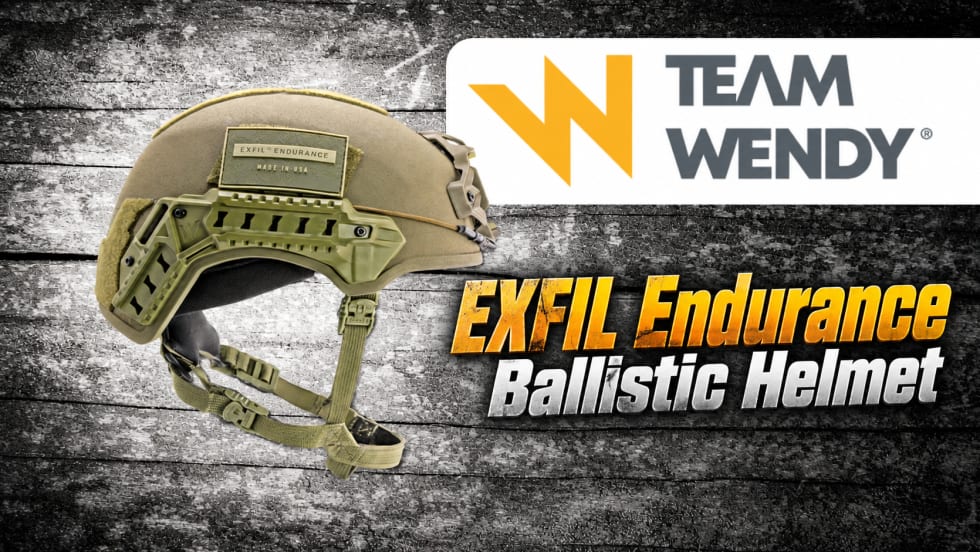
Team Wendy Introduces the EXFIL Endurance Ballistic Helmet, Engineered to Reduce the Burden of Extended Wear
Team Wendy has launched its EXFIL Endurance, a new lightweight ballistic helmet engineered to deliver protection, comfort, and fit during demanding, extended operations.
Read More →
The First Responders Children’s Foundation National First Responders Day Roll Call of Heroes Ceremony Returns to Times Square, NYC
First Responders Children’s Foundation (FRCF), in collaboration with T-Mobile, will host the Roll Call of Heroes ceremony in Times Square to commemorate National First Responders Day on Wednesday, Oct. 28. During the event, FRCF will present 18 Hero Awards.
Read More →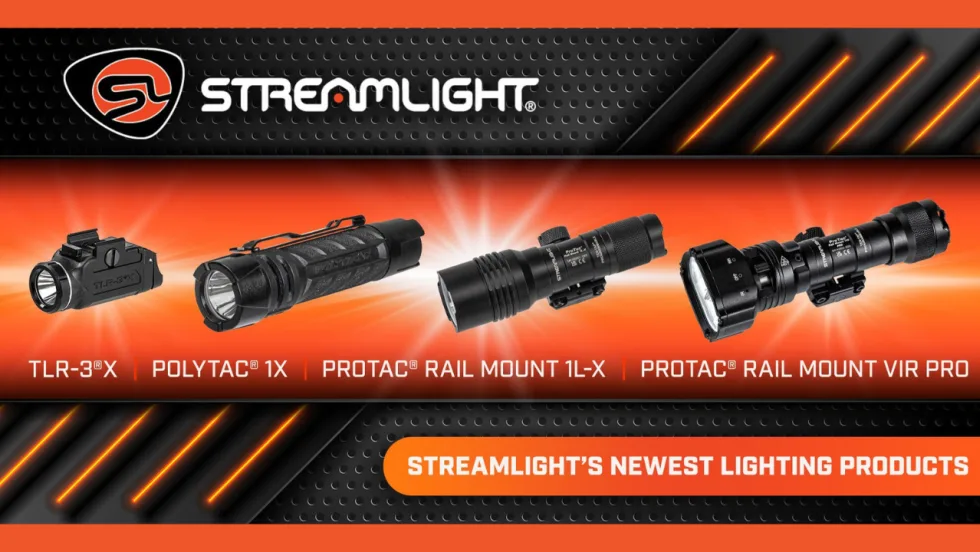
Streamlight to Showcase Newest Lighting Products for Law Enforcement Professionals at IACP 2026
Streamlight will showcase its newest lights for law enforcement at the International Association of Chiefs of Police Annual Conference & Expo. Featured lights will include the TLR-3 X, the PolyTac 1X, and more.
Read More →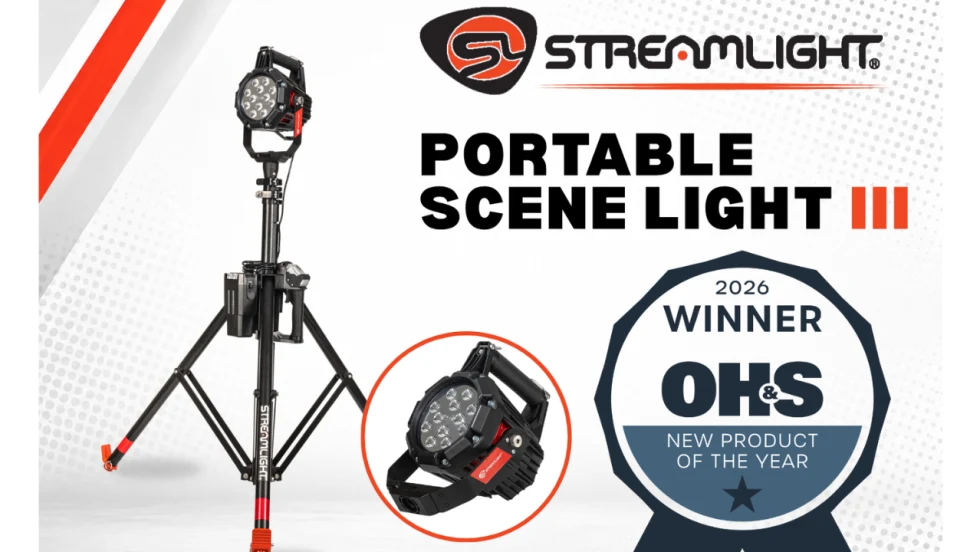
Streamlight Portable Scene Light III Wins 2026 OH&S New Product of the Year Award
Streamlight’s Portable Scene Light III has won the 2026 Occupational Health & Safety (OH&S) New Product of the Year Award in the Lighting category.
Read More →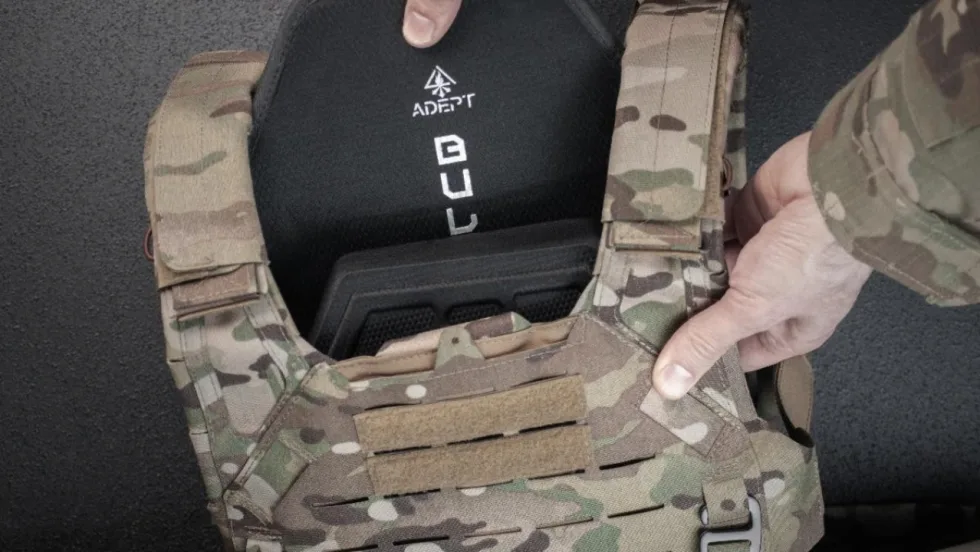
Adept Armor Introduces Two New Rifle Plates
Adept Armor has launched two new Level IV ballistic plates, the Emperor and the Archon Mark 2, which brings Adept Armor’s new Quatroid ceramic to the high-threat, performance-value center of the range at 5.2 pounds.
Read More →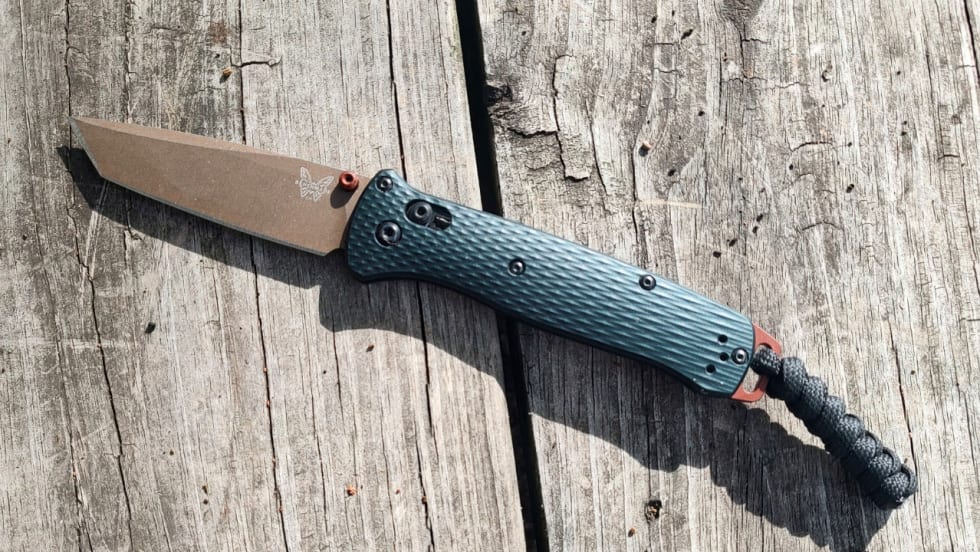
POLICE Product Test: Benchmade Bailout
The Benchmade Bailout is a slim, lightweight carry knife with a deep-ride pocket clip and comes in a variety of blade steels and scales. Here is a detailed review of the Taiga Green Bailout, released earlier this year.
Read More →
NLEOMF Announces July 2026 Officer of the Month
NLEOMF honored a Michigan deputy sheriff as the July 2026 Officer of the Month for rescuing a trapped driver from a burning vehicle following a Fourth of July crash.
Read More →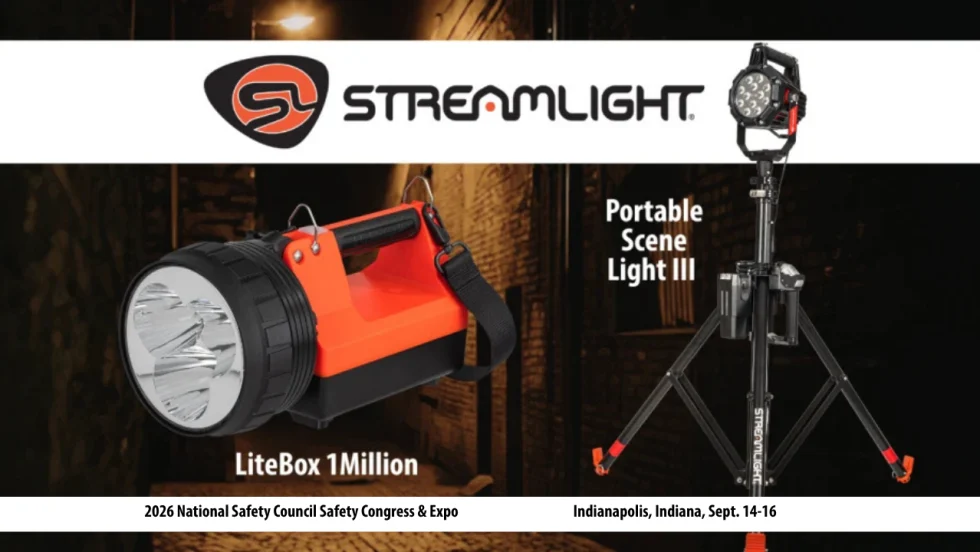
Streamlight to Showcase Newest Lighting Products at National Safety Council’s Safety Congress & Expo 2026
Streamlight will showcase its latest lights, including the Portable Scene Light III and the LiteBox 1Million, at the 2026 National Safety Council (NSC) Safety Congress & Expo.
Read More →
The 2027 World Police & Fire Games Set for Perth, Australia
The 2027 World Police & Fire Games (WPFG) will take place in Perth, Western Australia, from Friday, March 12 through Sunday, March 21, 2027.
Read More →
5.11 Partners with National Fallen Firefighters Foundation to Support #ForThe343
5.11 has joined the nationwide movement honoring the 343 New York City Fire Department firefighters lost on Sept. 11, 2001.
Read More →