



Saving Police Lives
The odds of you dying in a traffic accident are much higher than the odds of you being shot while restrained in your car.

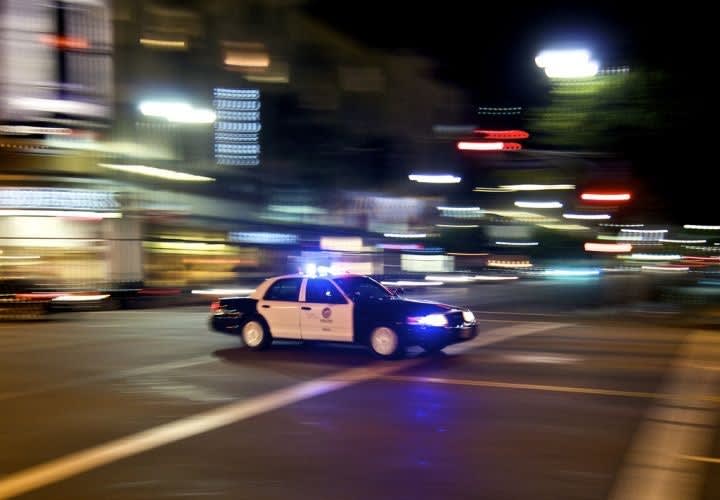
Image via Flickr (stevelyon).
Every year the National Law Enforcement Officers Memorial Fund (NLEOMF) releases figures on the number of American police officers killed in the line of duty. Last year the figures were particularly grim.
In 2010, 162 officers didn't make it home to their loved ones. That's a nearly 37-percent increase in line-of-duty deaths over 2009's total of 117.
There are two major causes of police fatalities in contemporary America: automobile accidents and malicious attacks.
Automobile accidents are the primary cause of untimely death in America. And you drive a lot more than the average citizen, so you're at risk of dying on the road. And very few of you wear seat belts on the job.
Among some officers it is gospel that wearing a seat belt can put you at a tactical disadvantage if you are shot at in your car. I have discussed this issue with some of the top tactical trainers in the country and every one of them has responded with a two-syllable word for bovine excrement.
But I know that's not going to convince some of you, so I'm going to ask you to consider the odds. How many times have you heard of a police officer being gunned down in his car because the officer couldn't get out of a seat belt? OK. Now ask yourself how many officers in your state have been killed in traffic accidents.
Researchers for the National Highway Traffic Safety Administration recently concluded a study analyzing 733 police crashes from 1980 through 2008. They found that at least 42 percent of officers killed in traffic accidents during the study years were not wearing seat belts. Last year 73 officers were killed in traffic accidents. Thus, the odds of you dying in a traffic accident are much higher than the odds of you being shot while restrained in your car.
So wear your seat belt.
Traffic accidents killed the majority of cops last year, but the statistic for malicious attack with firearms wasn't far behind. A total of 61 officers were shot to death last year, a 24-percent increase over 2009. And probably five times that many were shot at or wounded or saved by their body armor last year.
Some experts say the rise in malicious attacks on officers is the result of budget cuts and reduction in the number of officers on the street. Some say the cause is a more bloodthirsty species of thug that now makes up our criminal population. And of course, folks on the left blame easy access to guns and a "You're never taking me alive" desperation engendered in criminals by Three Strikes laws and other stiff sentencing guidelines.
But the real reason that so many officers are being killed by gunfire is revolving door justice. Since January 1 of this year, I know of at least three cases of officers killed or seriously wounded by people who shouldn't have been on the streets.
Ohio deputy Suzanne Hopper was murdered by Michael Ferryman, a man who served time in a state facility for the criminally insane. This is just common sense, but I'm going to say it. We should keep tabs on guys released from hospitals for the criminally insane and that information should be available to all police dispatchers.
Georgia State Trooper Chadwick LeCroy stopped a motorist because of a broken tail light. He was shot and killed. Gregory Favors has been charged with the murder. Favors has been in and out of jail so many times that it's staggering. He has been arrested 18 times, including a federal firearms conviction.
Los Angeles County Sheriff's deputy Mohamed Ahmed was shot in the face by Nestor Torres. Torres, a documented gang member, was on parole for two felony convictions: shooting into an inhabited dwelling and firearms possession. Ahmed was patrolling with his training officer. The training officer killed Torres. So he will no longer be able to access the revolving door.
But how many other dangerous thugs are walking our streets? No one knows. And that's the problem. If we really want to save police lives, then we have to keep better tabs on dangerous parolees and other people who present a deadly threat to law enforcement and to society.
Related:
11 Officers Shot Over 24 Hours Causes Fear of 'War on Cops'
More Patrol
Why Tennessee’s New Deadly Force Law Matters Beyond Tennessee
Tennessee’s new deadly force law is more limited than many may realize. Effective July 1, 2026, the law applies to a person who is not engaged in conduct that would constitute a felony or a Class A misdemeanor and who is in a place where the person lawfully resides. But it could have far-reaching influence.
Read More →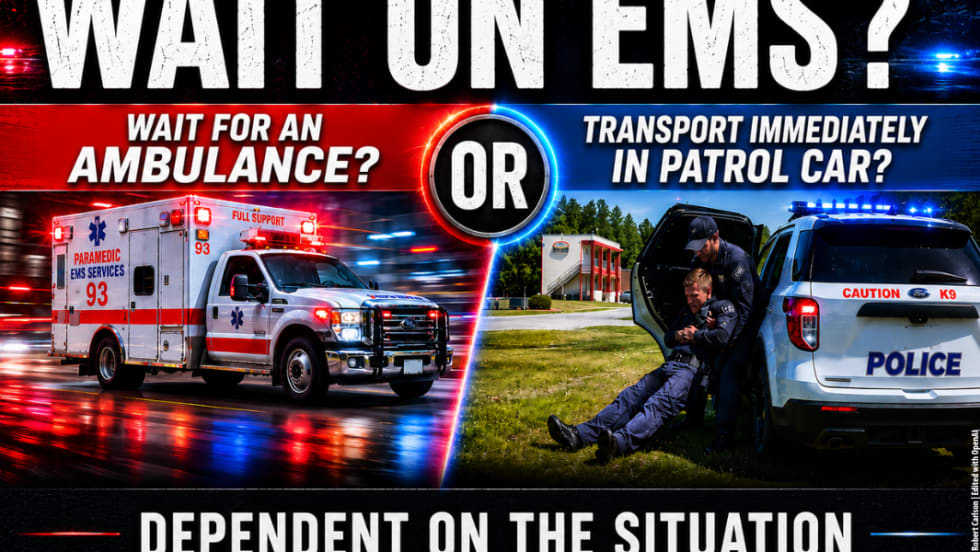
When Do You Transport a Wounded Officer by Police Vehicle?
Time-sensitive injuries like penetrating trauma mean a wounded officer needs to reach a trauma center as soon as possible, and in some cases, that means transporting by police vehicle rather than waiting for EMS. What are the factors to consider in making that transport decision?
Read More →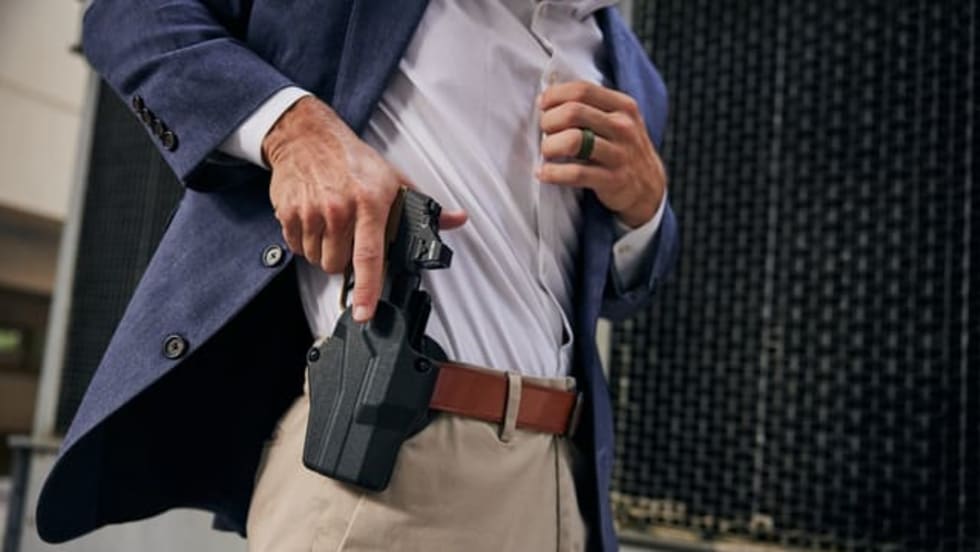
Safariland Solis Rethinks Concealable Duty
What if Level I retention didn’t require a full duty rig? Safariland’s Solis delivers trusted ALS security in a streamlined OWB platform built for administrative and plainclothes professionals who need protection without the bulk.
Read More →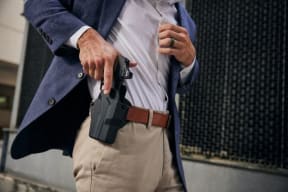
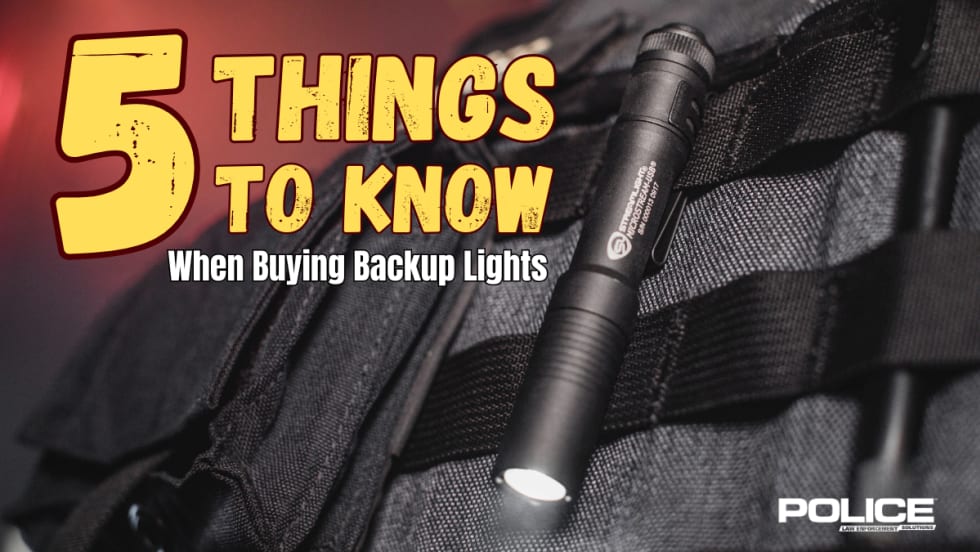
5 Things to Know When Buying Backup Lights for Patrol Use
What is the value of a backup light, and what do you need to consider when selecting one? These smaller lights are invaluable as a secondary or special-purpose light and can be easily carried in a pocket or clipped to MOLLE gear, a key chain, shirt, or a vest.
Read More →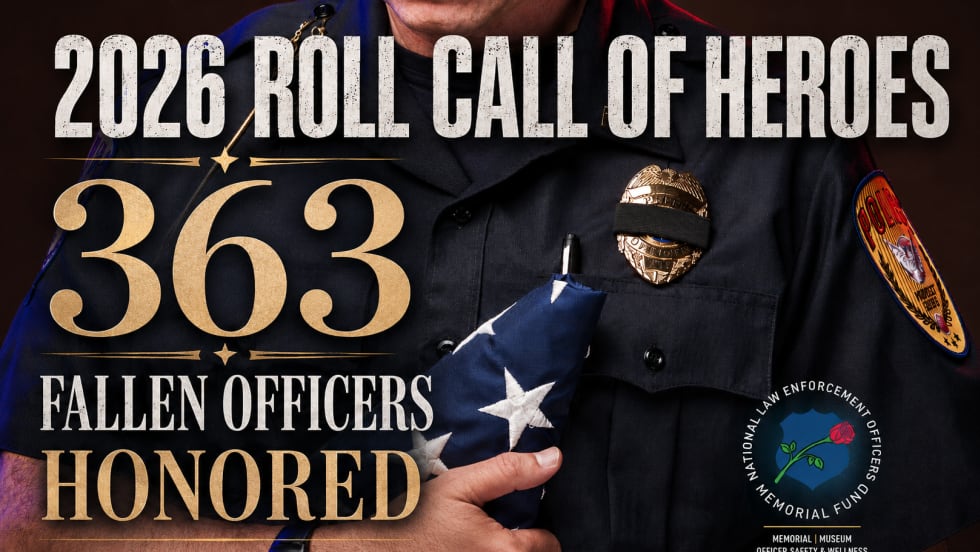
363 Fallen Officers Honored During National Police Week
In case you missed NELOMF’s annual Candlelight Vigil, here are all 363 names of the fallen officers whose names were added to the National Law Enforcement Officers Memorial this year.
Read More →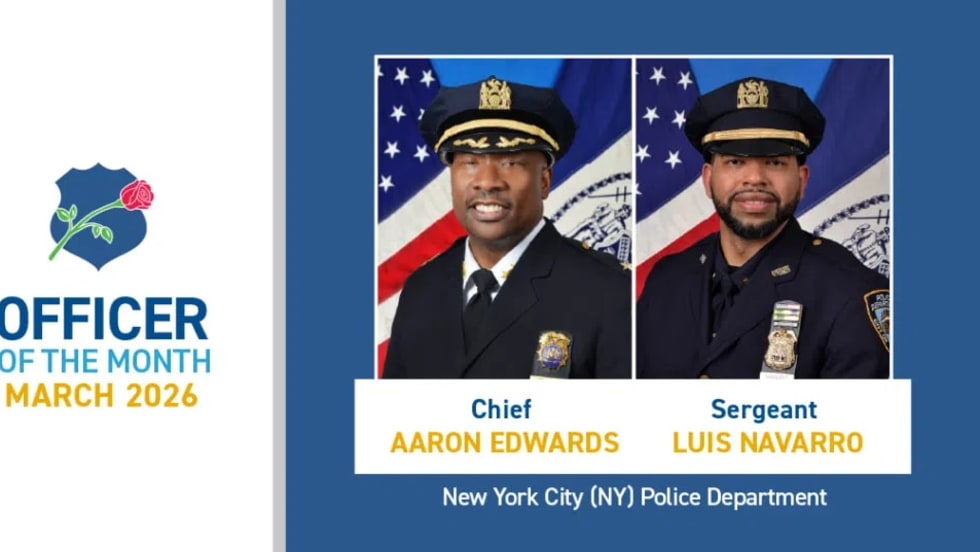
NYPD Officers Who Responded Quickly During IED Incident Recognized as NLEOMF Officers of the Month
Chief Aaron Edwards and Sgt. Luis Navarro were recognized by NLEOMF as Officers of the Month for their response during an IED incident and their actions that helped prevent harm to the public.
Read More →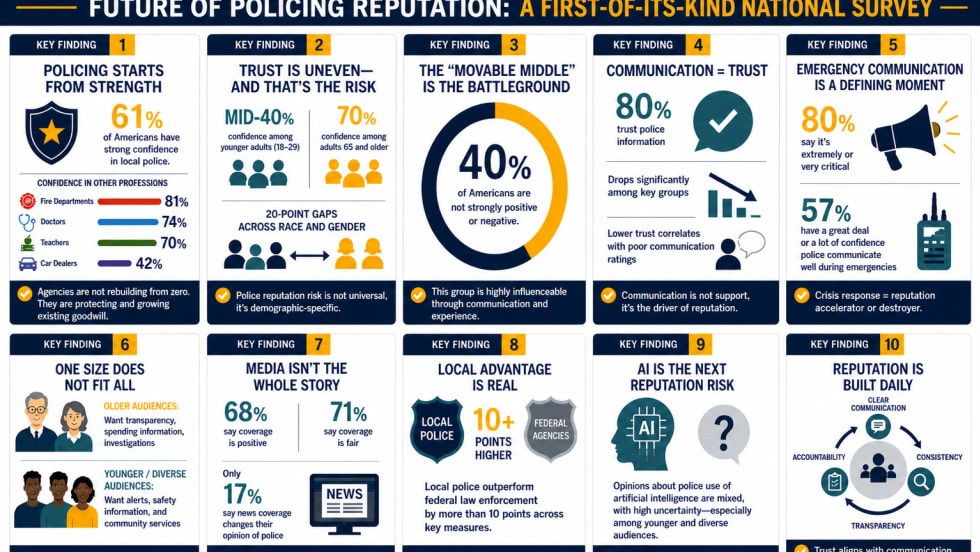
National Police Survey Reveals How Americans View Policing Today
A new national survey offers a comprehensive look at how Americans view policing. The study uncovers public sentiment toward local vs. federal police, communications, crisis response, the use of AI in policing, and more.
Read More →
Streamlight TLR-7 X Selected as Standard Issue Pistol Light by Canadian Federal Police
The Canadian Federal Police will be adding a new duty pistol system, which will include Streamlight’s TLR-7 X and a Glock 45 MOS 7 pistol with a red dot sight.
Read More →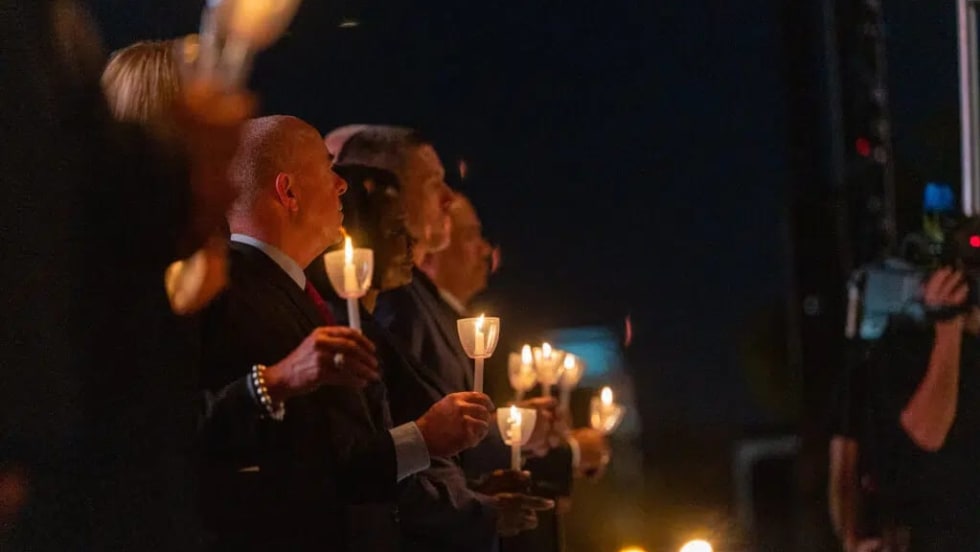
Fallen Law Enforcement Officers from Across the Country to be Honored During 38th Annual Candlelight Vigil on May 13th in Washington, D.C.
The National Law Enforcement Officers Memorial Fund (NLEOMF) will honor 363 fallen officers who have died in the line of duty as their names are added to the National Law Enforcement Officers Memorial during the annual Candlelight Vigil on May 13.
Read More →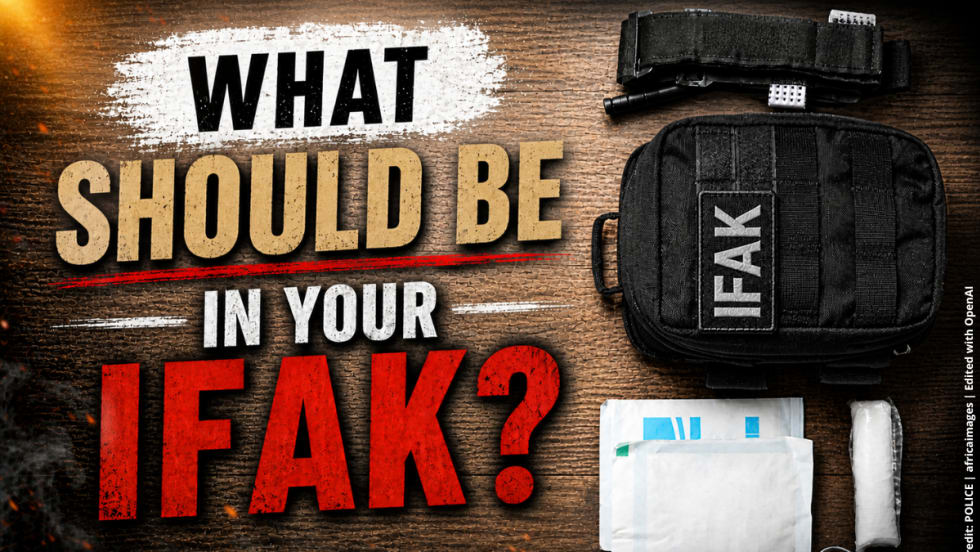
What Should Be in Your IFAK?
What should every officer include in an IFAK? Sydney Vail, M.D., a veteran trauma surgeon and former SWAT surgeon, explains which components are needed and which are not, and stresses training.
Read More →