



Explosive Devices: Steps To Survival
The role of society's sheepdog is to be in harm's way. When faced with a suspicious package or possible car bomb, police must take control of the situation, form a protective barrier for the civilian population, and secure the area until it is made safe.

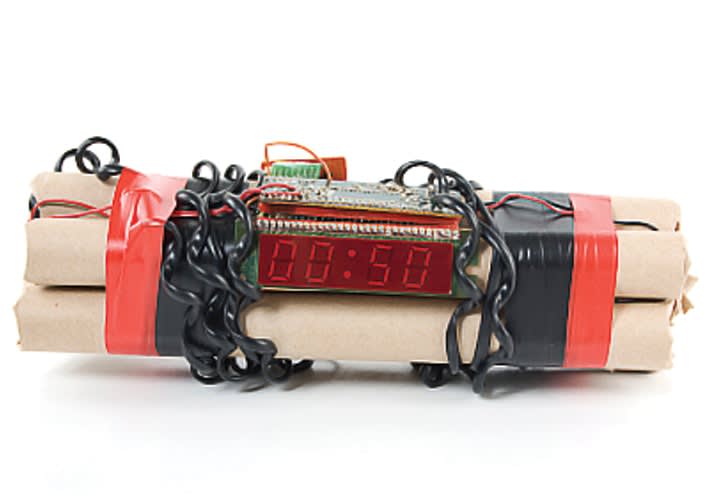
Photo: iStockphoto.com.
The role of society's sheepdog is to be in harm's way. When faced with a suspicious package or possible car bomb, police must take control of the situation, form a protective barrier for the civilian population, and secure the area until it is made safe.
Time, distance, and shielding has long been taught for radiation safety. It applies to all chemical, biological, radiological, nuclear, and explosive (CBRNE) hazards. Bomb technicians refer to time on target and minimize the time they must be exposed to a device. Distance is a variable dictated by the size of the threat. The federal Bureau of Alcohol, Tobacco, Firearms, and Explosives produces an excellent pocket card that lists safe distances for various sized threats. Shielding, like cover in shootings, relates to having appropriate and adequate barricading to absorb the energy and fragmentation that may be released by a device.
A basic understanding of explosive effects will enable you to take protective steps. Consider the following:
Heat: The thermal effect of an explosion is the least hazard to individuals. However, the presence of volatile fuels in close proximity may increase the hazard. This is especially true with compressed flammable gases, and highly flammable liquids such as gasoline and other volatile fuels.
Fragmentation: This includes components of a device (pipe, hard
plastics, etc.) and hard, frangible materials in close proximity to the device. At the scene of the blast, velocities of tens of thousands of feet per second may be generated. A small pipe bomb may propel deadly fragmentation several hundred feet; a large vehicle bomb may launch shrapnel as far as a mile. An often overlooked hazard is the proliferation of glass façade buildings. Tall buildings may unleash a rain of many tons of glass fragmentation, as windows shatter from direct damage or concussive effect. Falling from height, even tempered safety glass can be lethal. Look for both frontal and overhead barricading that is capable of absorbing potential fragmentation.
Concussion: This is perhaps the most insidious explosive effect. Blast effect concussion may not always be immediately recognized. The human body, especially its water-based tissue and air sack respiratory system, may sustain significant damage that will not manifest itself for hours. The effect will be governed by the velocity of the explosive, its size, and one's distance from it. Again, distance and shielding provide one protection with the ATF chart providing good guidance. Barricading will absorb or deflect this energy; it is best to never "hug" cover, instead leaving some airspace to protect against concussion absorbed by the cover.
It is not always possible for officers to take advantage of distance. This is especially true for officers maintaining a protective perimeter around a suicide or proxy bomber. Obviously, the longer reach firearms officers are armed with, the greater distance they can work from. Use the best, strongest cover available. Get low—a ground blast will be reflected upward, directing concussion especially away. Use curbs, gutters, and parking bumpers to obtain low position and a surface that will reflect concussion. If possible, a high clearance vehicle can provide significant overhead protection in combination with these ground features. Be wary, be aware, think outside the box, and find protection.
Finally, stay away from secondary devices. Be aware of items that are suspicious or out of place. Does the ground, trash bins, paper boxes, etc., show any signs of disturbance? If so, relocate, and bring the potential hazard and bomb disposal to someone's attention. We never want to expose explosive K-9 teams to suspected devices; but at a scene, they are valuable tools in clearing safe areas for officers securing the perimeter as well as staging areas for other public safety response units.
Related:
Suspicious Packages and Booby Traps
More Patrol

Team Wendy Introduces the EXFIL Endurance Ballistic Helmet, Engineered to Reduce the Burden of Extended Wear
Team Wendy has launched its EXFIL Endurance, a new lightweight ballistic helmet engineered to deliver protection, comfort, and fit during demanding, extended operations.
Read More →
The First Responders Children’s Foundation National First Responders Day Roll Call of Heroes Ceremony Returns to Times Square, NYC
First Responders Children’s Foundation (FRCF), in collaboration with T-Mobile, will host the Roll Call of Heroes ceremony in Times Square to commemorate National First Responders Day on Wednesday, Oct. 28. During the event, FRCF will present 18 Hero Awards.
Read More →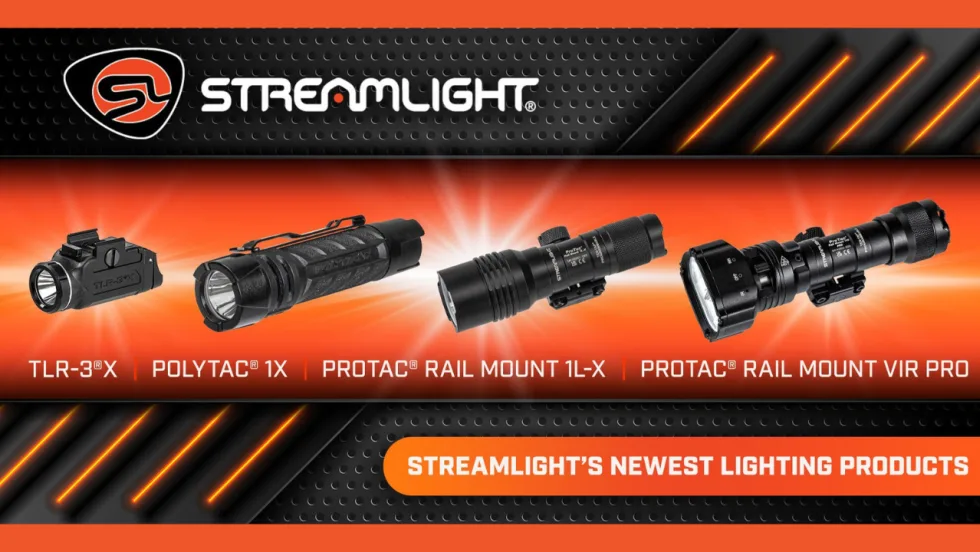
Streamlight to Showcase Newest Lighting Products for Law Enforcement Professionals at IACP 2026
Streamlight will showcase its newest lights for law enforcement at the International Association of Chiefs of Police Annual Conference & Expo. Featured lights will include the TLR-3 X, the PolyTac 1X, and more.
Read More →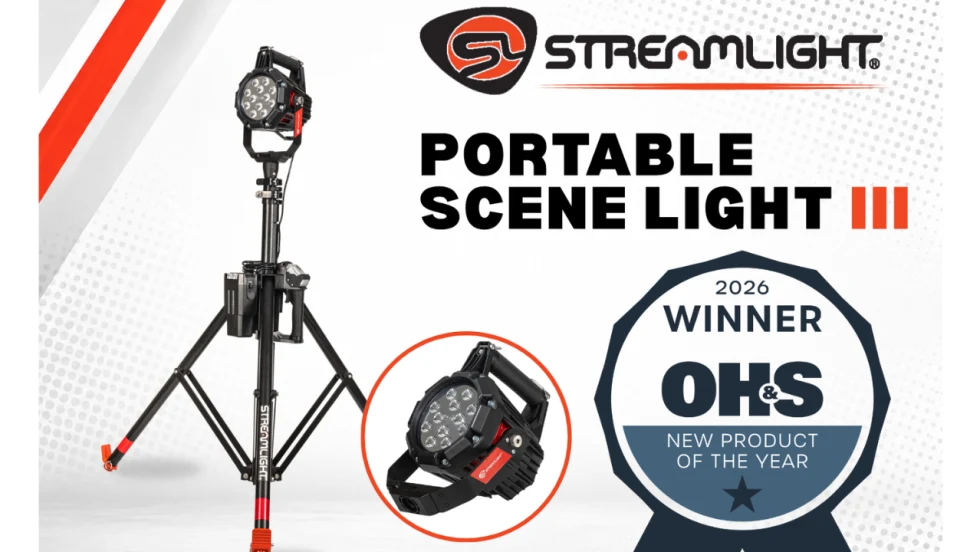
Streamlight Portable Scene Light III Wins 2026 OH&S New Product of the Year Award
Streamlight’s Portable Scene Light III has won the 2026 Occupational Health & Safety (OH&S) New Product of the Year Award in the Lighting category.
Read More →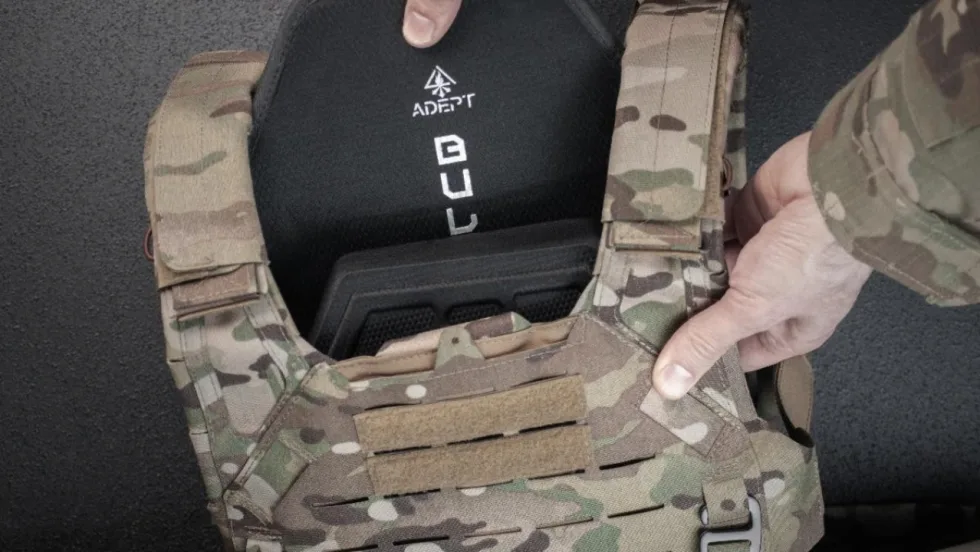
Adept Armor Introduces Two New Rifle Plates
Adept Armor has launched two new Level IV ballistic plates, the Emperor and the Archon Mark 2, which brings Adept Armor’s new Quatroid ceramic to the high-threat, performance-value center of the range at 5.2 pounds.
Read More →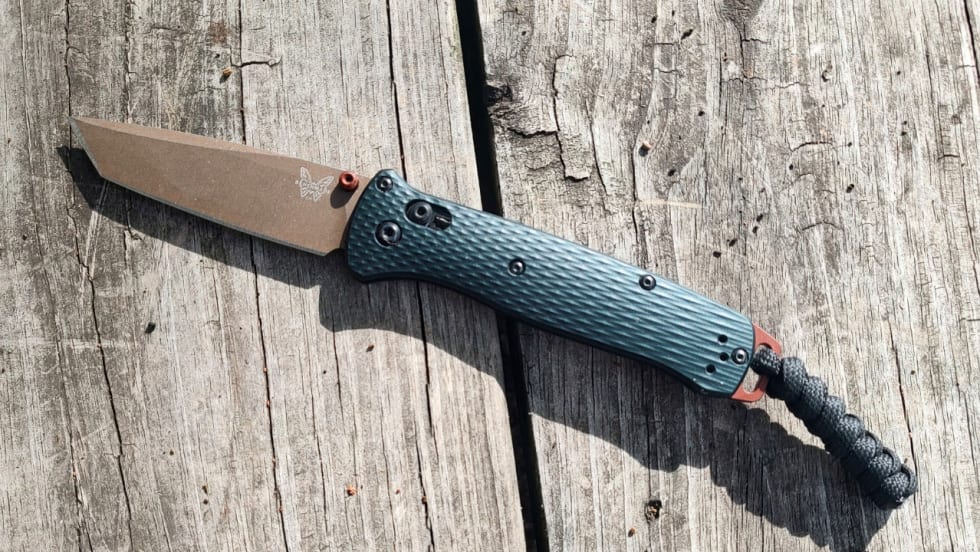
POLICE Product Test: Benchmade Bailout
The Benchmade Bailout is a slim, lightweight carry knife with a deep-ride pocket clip and comes in a variety of blade steels and scales. Here is a detailed review of the Taiga Green Bailout, released earlier this year.
Read More →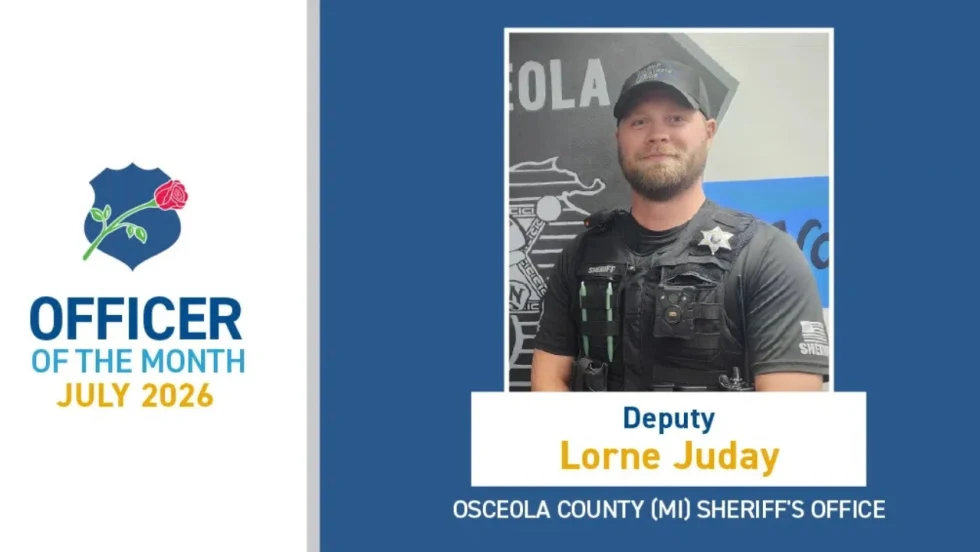
NLEOMF Announces July 2026 Officer of the Month
NLEOMF honored a Michigan deputy sheriff as the July 2026 Officer of the Month for rescuing a trapped driver from a burning vehicle following a Fourth of July crash.
Read More →
Streamlight to Showcase Newest Lighting Products at National Safety Council’s Safety Congress & Expo 2026
Streamlight will showcase its latest lights, including the Portable Scene Light III and the LiteBox 1Million, at the 2026 National Safety Council (NSC) Safety Congress & Expo.
Read More →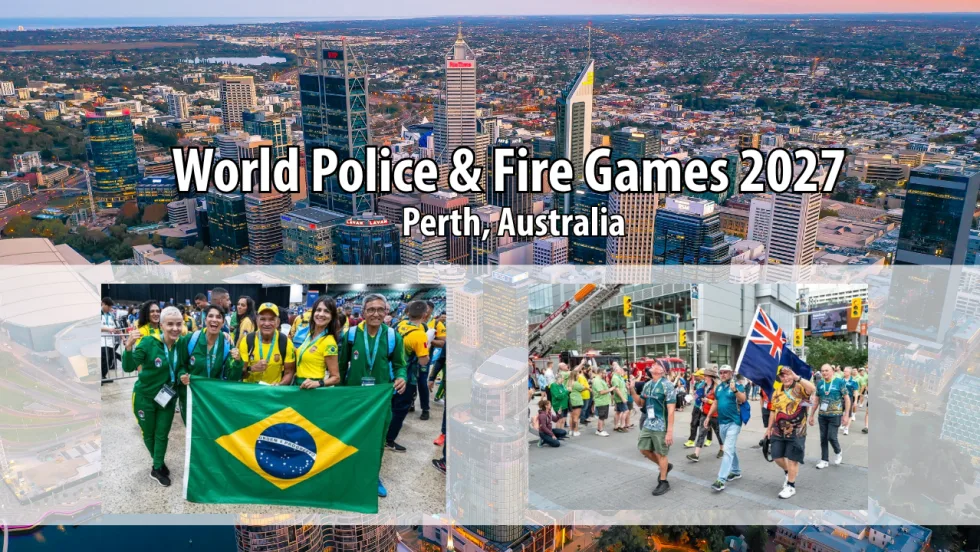
The 2027 World Police & Fire Games Set for Perth, Australia
The 2027 World Police & Fire Games (WPFG) will take place in Perth, Western Australia, from Friday, March 12 through Sunday, March 21, 2027.
Read More →
5.11 Partners with National Fallen Firefighters Foundation to Support #ForThe343
5.11 has joined the nationwide movement honoring the 343 New York City Fire Department firefighters lost on Sept. 11, 2001.
Read More →