



Editorial: Tell Your Story
If you don’t tell your stories, your detractors will, and they will tell them in such a way that they can use them against you.

Last month the FBI released statistics about assaults on officers from its 2020 Law Enforcement Officers Killed and Assaulted (LEOKA) report. According to LEOKA 60,105 American law enforcement officers were assaulted while performing their duties in 2020. That’s 4,071 more officers assaulted in 2020 than in 2019, the FBI says.
The LEOKA stats dig deep. They reveal that of the 60,105 officers who were assaulted, 18,568 suffered injuries from the attacks. Out of the total 44,421 were assaulted by fists, hands, or feet; with 25.8% injured. Firearms were used in 2,744 attacks on officers, with 6.1% of them resulting in injuries. Blades were the preferred weapon in 1,180 assaults on officers, with 9.7% resulting in injuries. The rest of the 2020 assaults on officers involved other dangerous weapons, with 16.8% of these attacks resulting in injuries to the officers.
LEOKA also notes the circumstances of the attacks. In 2020, agencies reported that officers were assaulted during these situations. It’s no surprise that 29.6% of assaults on officers occurred during disturbance calls such as family quarrels, and bar fights. Another common circumstance for assaults was of course when officers attempt arrests, which accounted for 16.1% of attacks. Handling, transporting, and maintaining custody of prisoners accounted for 12.6% of assaults on officers. Other circumstances that were detailed in the LEOKA report include: investigating suspicious persons or circumstances (8.8%), traffic pursuits or stops (8.4%), civil disorder such as riots (4.1%), handling persons with mental illness (3.9%), burglaries in progress or pursuing burglary suspects (1.3%), ambush situations (0.8%), robberies in progress or pursuing robbery suspects, and “all other types of circumstances” (13.6%).
The LEOKA report on officers assaulted provides a lot of insight into the violence officers are facing on duty. And it can be used to help improve officer safety during certain circumstances. But there’s one important thing you need to know about the LEOKA report’s statistics: They are likely significantly lower than reality.
This is no slam on the folks at LEOKA. They do great work. Their stats and information on officers feloniously killed is extremely accurate and it includes very important information on how the officers were killed that should be incorporated into every officer safety program. In contrast, LEOKA’s assault information is, at best, incomplete.
The problem with LEOKA’s assault stats is no fault of the LEOKA staff. It’s the fault of state, county, and municipal law enforcement agencies…and officers. If your agency is not reporting the assaults to the FBI, they are not being counted. If you are not reporting your injuries no matter how minor to your agency, they are not being counted. And that is a major problem.
Chief Steven Casstevens of the Buffalo Grove (IL) Police Department addressed this issue last month during a webinar. “If you are analyzing data and 26% of it is missing, then it’s useless,” he said during Veritone’s “US Law Enforcement Agency Transparency & How Technology Can Help.” It’s believed many officers do not report the injuries they suffer on the job because of the macho culture of law enforcement.
It’s not just assaults against officers and injuries suffered by officers that are underreported in FBI statistics. Many agencies are not reporting uses of force by their officers. Casstevens says it’s important for agencies to report their stats, even if they are so small that their officers have recorded no uses of force for that year or not been assaulted.
The point is that law enforcement agencies and officers need to tell their own stories. And believe me, if you don’t tell them, your detractors will, and they will tell them in such a way that they can use them against you.
The most important aspect of any law enforcement story is context, and it is one of the first things that anti-police sources leave out of their reports. They will say something like police kill 1,000 people a year in the United States. It’s an accurate statement, but it means nothing without details. What was the person who was killed doing that led to police response? Was the person armed? What was the person’s criminal record? What were the officers told about the situation before they arrived on scene? What actions did the person take that led officers to believe they were facing a deadly threat? Without context it sounds like trigger happy cops are killing people for no reason.
And without complete stats on attacks on officers and the number of officers injured, it looks like police work is not really all that dangerous. People like to diminish the risk you face by saying roofers or loggers or some other profession is more dangerous. That also makes you look trigger happy because obviously you are not facing as much risk as you claim. Which is nonsense because I can guarantee you that no other profession in America faced 60,000 assaults in 2020.
More Patrol

Team Wendy Introduces the EXFIL Endurance Ballistic Helmet, Engineered to Reduce the Burden of Extended Wear
Team Wendy has launched its EXFIL Endurance, a new lightweight ballistic helmet engineered to deliver protection, comfort, and fit during demanding, extended operations.
Read More →
The First Responders Children’s Foundation National First Responders Day Roll Call of Heroes Ceremony Returns to Times Square, NYC
First Responders Children’s Foundation (FRCF), in collaboration with T-Mobile, will host the Roll Call of Heroes ceremony in Times Square to commemorate National First Responders Day on Wednesday, Oct. 28. During the event, FRCF will present 18 Hero Awards.
Read More →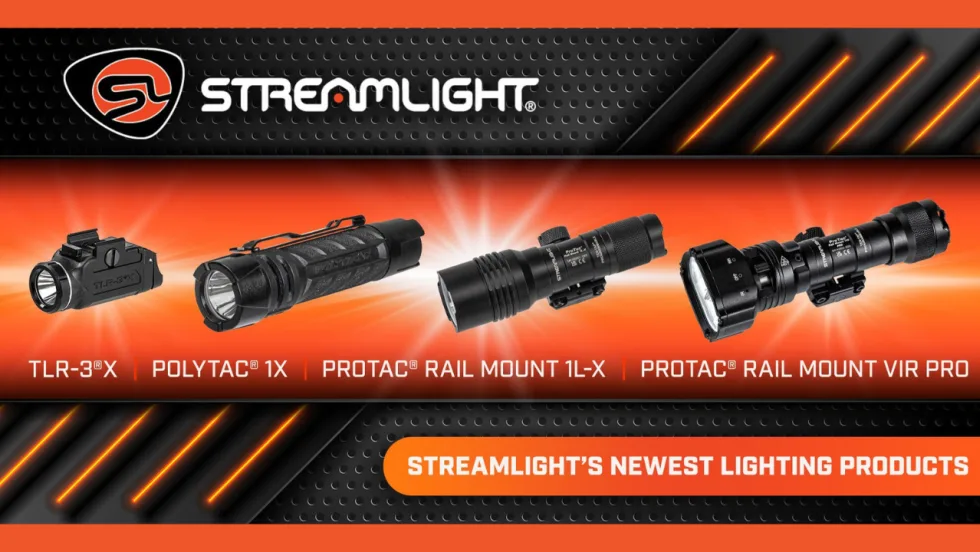
Streamlight to Showcase Newest Lighting Products for Law Enforcement Professionals at IACP 2026
Streamlight will showcase its newest lights for law enforcement at the International Association of Chiefs of Police Annual Conference & Expo. Featured lights will include the TLR-3 X, the PolyTac 1X, and more.
Read More →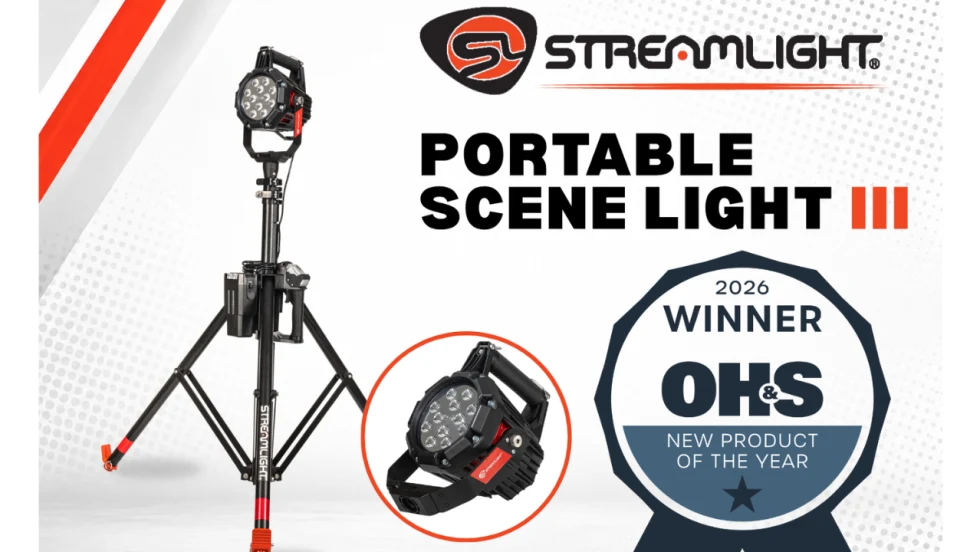
Streamlight Portable Scene Light III Wins 2026 OH&S New Product of the Year Award
Streamlight’s Portable Scene Light III has won the 2026 Occupational Health & Safety (OH&S) New Product of the Year Award in the Lighting category.
Read More →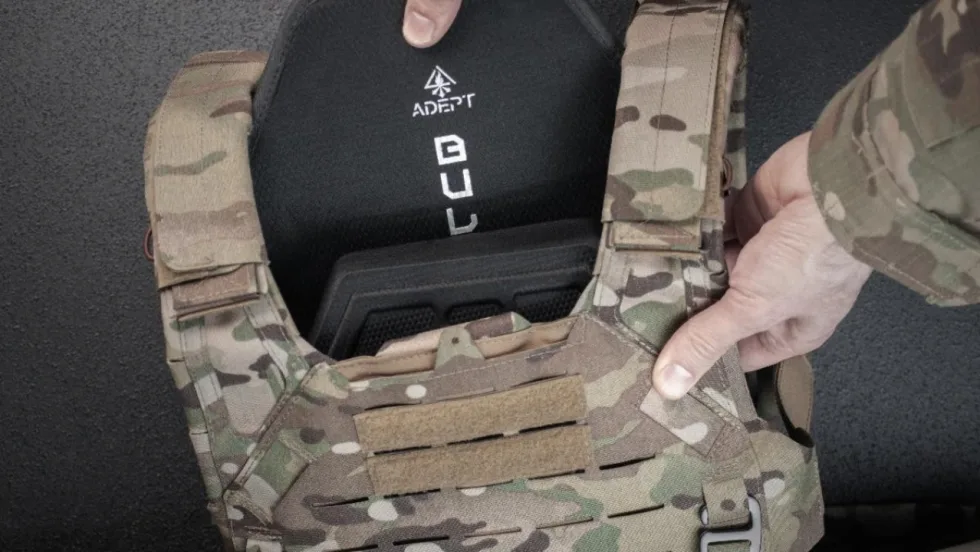
Adept Armor Introduces Two New Rifle Plates
Adept Armor has launched two new Level IV ballistic plates, the Emperor and the Archon Mark 2, which brings Adept Armor’s new Quatroid ceramic to the high-threat, performance-value center of the range at 5.2 pounds.
Read More →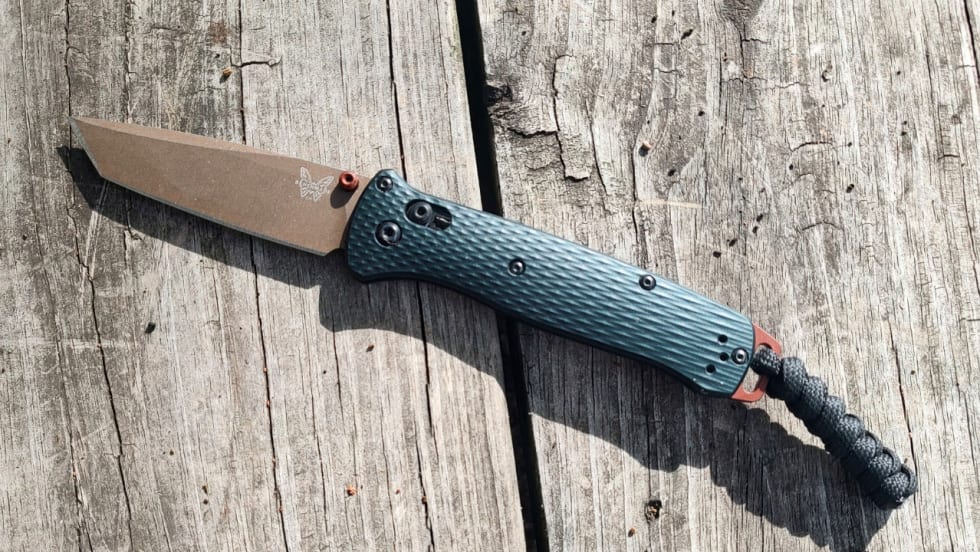
POLICE Product Test: Benchmade Bailout
The Benchmade Bailout is a slim, lightweight carry knife with a deep-ride pocket clip and comes in a variety of blade steels and scales. Here is a detailed review of the Taiga Green Bailout, released earlier this year.
Read More →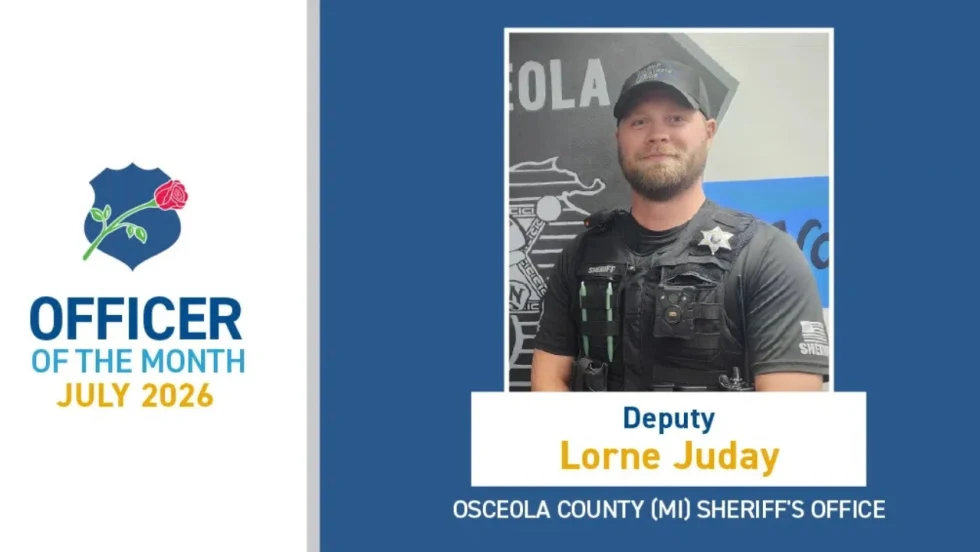
NLEOMF Announces July 2026 Officer of the Month
NLEOMF honored a Michigan deputy sheriff as the July 2026 Officer of the Month for rescuing a trapped driver from a burning vehicle following a Fourth of July crash.
Read More →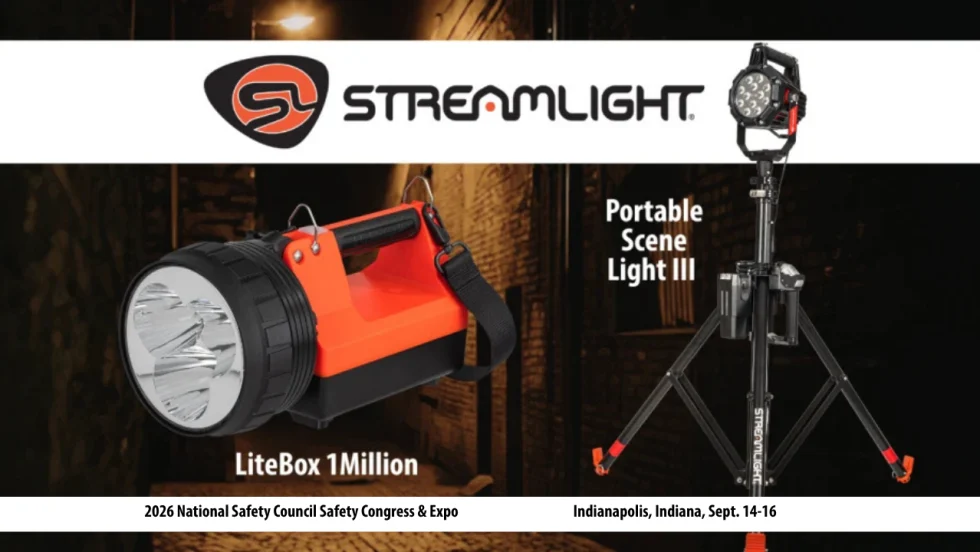
Streamlight to Showcase Newest Lighting Products at National Safety Council’s Safety Congress & Expo 2026
Streamlight will showcase its latest lights, including the Portable Scene Light III and the LiteBox 1Million, at the 2026 National Safety Council (NSC) Safety Congress & Expo.
Read More →
The 2027 World Police & Fire Games Set for Perth, Australia
The 2027 World Police & Fire Games (WPFG) will take place in Perth, Western Australia, from Friday, March 12 through Sunday, March 21, 2027.
Read More →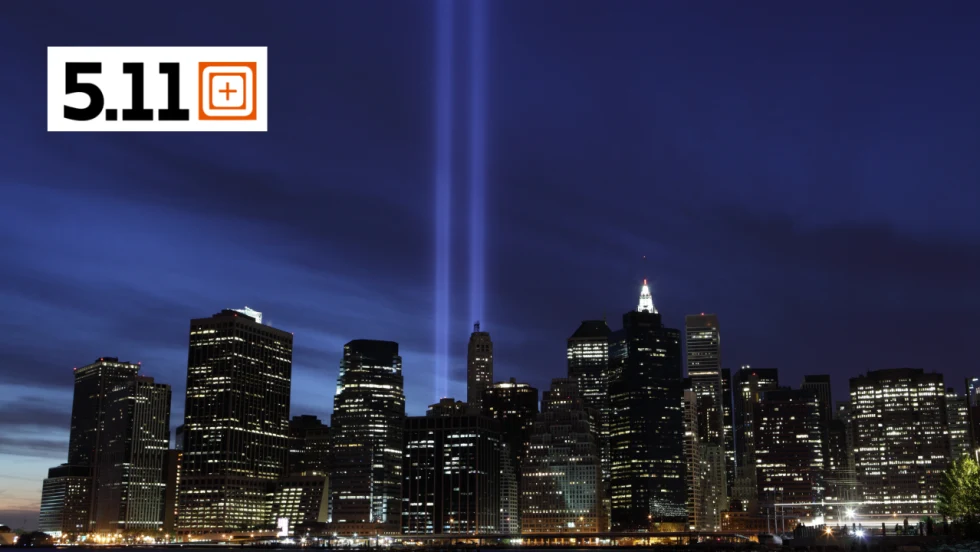
5.11 Partners with National Fallen Firefighters Foundation to Support #ForThe343
5.11 has joined the nationwide movement honoring the 343 New York City Fire Department firefighters lost on Sept. 11, 2001.
Read More →