



United Way and NENA Strive to Expand 2-1-1 Non-Emergency Calling Access
In an effort to provide non-emergency assistance to communities while taking the burden off of 9-1-1 call centers, The United Way and the National Emergency Number Association (NENA) want to expand access to 2-1-1 systems across the nation.

In an effort to provide non-emergency assistance to communities while taking the burden off of 9-1-1 call centers, The United Way and the National Emergency Number Association (NENA) want to expand access to 2-1-1 systems across the nation.
The 2-1-1 System connects people with needed human services through an easy-to-remember three-digit phone number, the Web, and a variety of community interactions.
Linda Daily, director of 2-1-1 at the United Way, says the call centers help police officers by intervening and offering needed services before situations lead to larger problems.
“It’s not the daily emergency of there being a fire or needing police because someone is there holding a gun to your head in a domestic violence situation. But oftentimes one can help to prevent some of those emergencies by getting someone the assistance they need upfront,” says Daily. “It’s a way that we complement law enforcement and help to do some preventive work on the other side.”
When someone connects with 2-1-1, specially trained information and referral specialists analyze what services are needed and provide the appropriate resource and related information.
Despite the similarity in the two numbers, Daily says people do not confuse 2-1-1 with 9-1-1. “At one time, in the early stages of 2-1-1, there was some fear from some 9-1-1 centers that 2-1-1 was trying to take over or that people would become confused, but we have not found that to be the case,” says Daily. “We at 2-1-1 have been very conscious of the need to distinguish and differentiate between the two.”
Currently more than 60 percent of the U.S. population has access to 2-1-1, with more systems going live each month.
Senators Elizabeth Dole (R-NC) and Hillary Clinton (D-NY) have introduced bi-partisan legislation named the Calling 2-1-1 Act that would provide Federal funding for 2-1-1 and encourage support of it nationwide.
For more information about 2-1-1, including how to get your department or community involved, visit www.211.org.
More Technology

A police agency's guide to data-driven fleet management
Police officers depend on their vehicles every shift, and the data those vehicles produce can be used to protect them. This ebook breaks down how to improve officer safety, control costs and build stronger public accountability with a foundation of fleet data.
Read More →
AI and analytics for law enforcement: Turning data into insights
Law enforcement agencies are managing more video, sensor data and digital evidence than ever before. Discover how AI and analytics can help turn that data into actionable insights that strengthen situational awareness, accelerate investigations and support more informed decisions.
Read More →
Vasco Electronics Adds Automatic Language Detection to Vasco Translator Q1
Vasco Electronics’ software update introduces hands-free language switching and expanded offline translation across 45 language pairs, empowering law enforcement, healthcare, and front-office enterprise teams
Read More →

North Miami Police Department Deploys Mark43
The North Miami Police Department has deployed Mark43 as part of its Five-Year Strategic Plan that represents its collective vision and goals for a more proactive police department, anchored by a core commitment to leveraging modern technology to enhance efficiency and public safety.
Read More →
Cellebrite Genesis for Enterprise Now Generally Available
Made available to the public sector in June, Cellebrite Genesis is serving a growing mix of national, regional, and local agencies worldwide, including some of the largest regional and metropolitan police departments. It is now available for enterprise organizations.
Read More →
2026 Vision FirstNet Users Summit to Host Emerging Leaders Training on Grassroots Advocacy for Public Safety
“Emerging Leaders Training: Understanding the Importance of Grassroots Advocacy for Public Safety," a session during the 2026 Vision FirstNet Users Summit, will offer a roadmap for unified advocacy at the federal level.
Read More →
Motorola Solutions Completes Acquisition of D-Fend Solutions
Motorola Solutions has acquired D-Fend Solutions, an industry leader in counter-drone technology. This deal provides public safety and enterprise customers with access to advanced counter-unmanned aerial systems.
Read More →
ZeroEyes, Advantech & Camden Police Partner to Bring AI Gun Detection Technology to Delaware School District
ZeroEyes has partnered with Advantech and the Camden Police Department to deploy ZeroEyes’ AI gun detection and intelligent situational awareness platform at Delaware’s Caesar Rodney School District (CRSD).
Read More →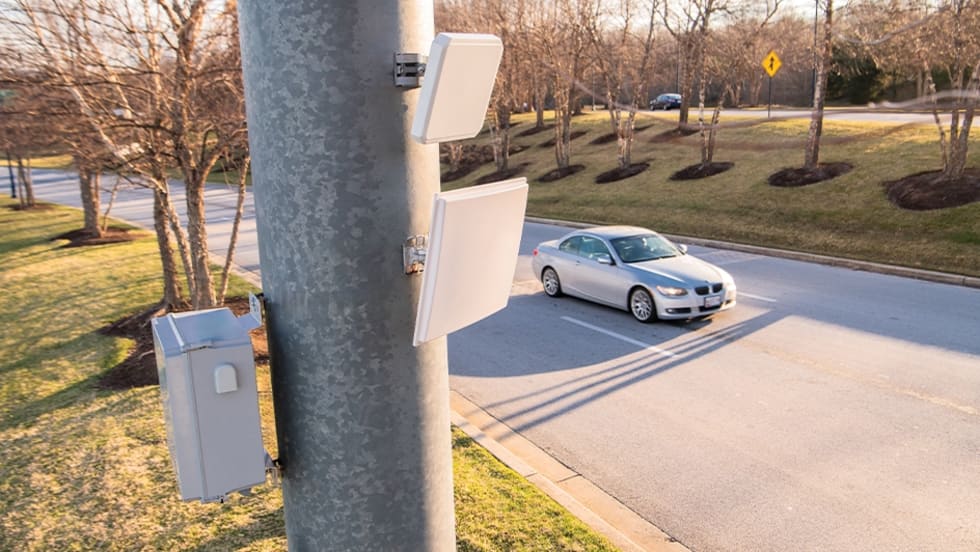
Leonardo U.S. Cyber & Security Solutions Introduces SignalTrace, the Next Evolution in Electronic Signature Detection Technology
SignalTrace reflects years of product refinement and a clearer expression of the technology’s purpose of recognizing and correlating electronic signatures in publicly broadcast wireless signals to reveal patterns, relationships, and trends that might otherwise go undetected.
Read More →
Pimloc Launches Secure File Sharing to Streamline Release of Redacted Video
Pimloc’s Secure File Sharing lets organizations deliver redacted video, audio, and documents through expiring, passcode-protected links, accelerating delivery while reducing security, compliance, and chain-of-custody risks.
Read More →