



SWAT Officer Invents Passive Body Armor Ventilation System
The TacVent achieves separation of the armor from the wearer's body with space rather than material, using a corrugated panel of soft, rubbery plastic comprised of vented, vertical grooves. This panel pushes the armor away from the body by a half inch, which allows heat to escape from the torso and flow upward, uninhibited and out of the vest. Shelton says this effect cools the wearer's body surface by up to 14.5 degrees.

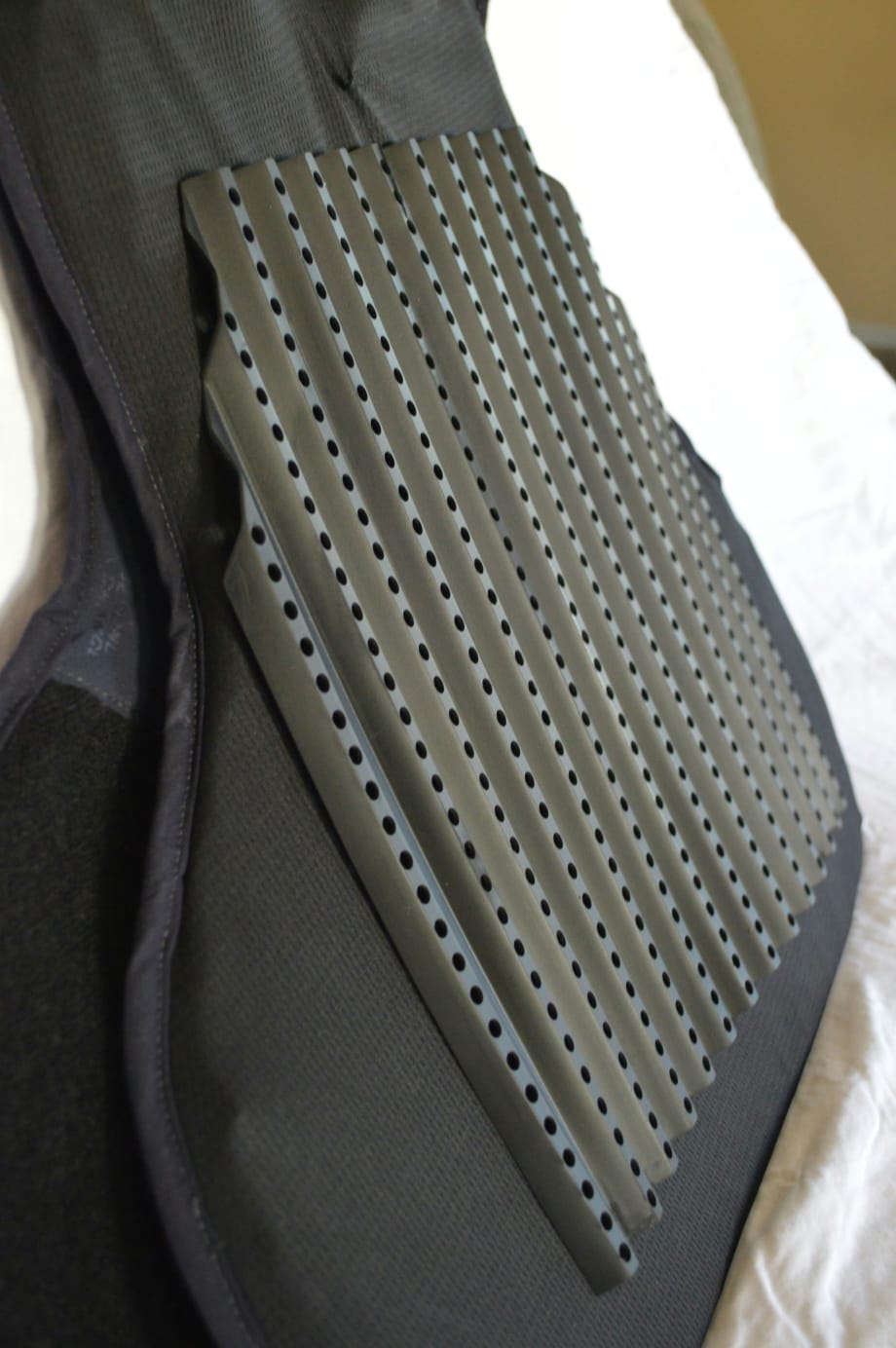
On Nov., 2013, at 9:20 a.m., an active shooter attacked Los Angeles International Airport, targeting TSA, killing one and wounding two. After the suspect was neutralized, Sgt. Jeff Shelton and his tactical unit continued to search the airport for additional suspects. After several hours of sweating beneath their heavy armor and tactical gear, the team began to dehydrate and overheat, and necessity being the mother of all invention, Shelton discovered a way to passively and effectively ventilate body armor. Shelton is now marketing his body armor ventilation invention as the TacVent.
The TacVent achieves separation of the armor from the wearer's body with space rather than material, using a corrugated panel of soft, rubbery plastic comprised of vented, vertical grooves. This panel pushes the armor away from the body by a half inch, which allows heat to escape from the torso and flow upward, uninhibited and out of the vest. Shelton says this effect cools the wearer's body surface by up to 14.5 degrees.
The TacVent is not a garment to wear or strap on, and the tension of a vest and the TacVent’s rubbery surface ensure a secure fit all day with no shifting. Users also have the option of using provided zip ties for added security, for attaching the TacVent to outer carriers, or for easy addition of a rear panel.
Another benefit of the TacVent, according to Shelton, is trauma attenuation. Shelton says ballistic clay testing showed that with the TacVent, blunt force damage to the clay and the carrier was minimal. Without the TacVent during the same ballistic clay testing, the carrier was torn significantly and there was massive damage to the clay underneath the vest.
Trimming and customizing of a standard XL TacVent is extremely easy, requiring only a blade or a pair of scissors. The TacVent can be cleaned with just a simple wipe-down.
The TacVent, made in the USA, is available at TacVent.com. It retails at $34.99 for one panel, $59.98 for two, with additional discounts for bulk orders. TacVent will honor the discounted price for those customers who later opt for a second panel.
More Technology
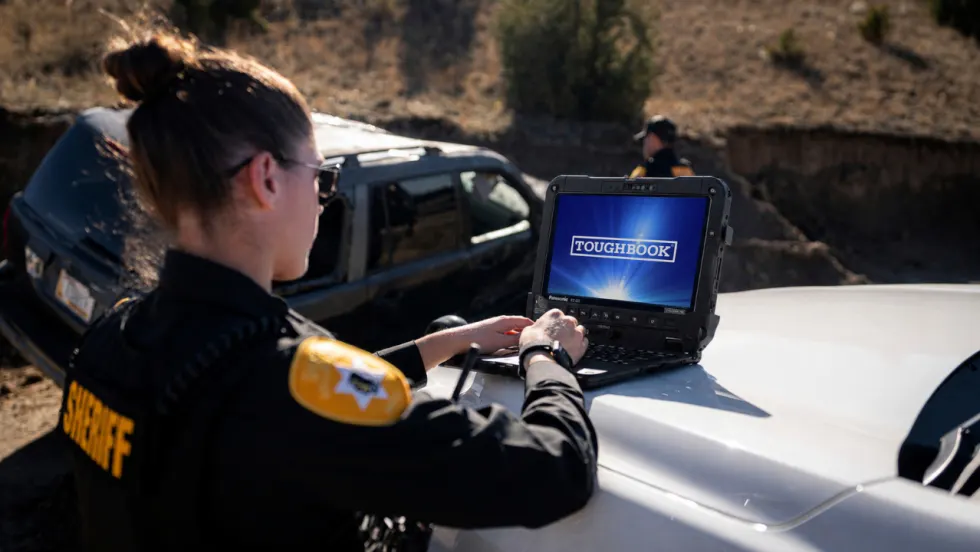
Panasonic Connect Launches the Toughbook 34 and Toughbook G3, Fully Rugged 2-in-1 Mobile Computers
Panasonic Connect has launched the Toughbook 34 and Toughbook G3 to facilitate in-vehicle dispatch, records management, and mobile command operations from any location.
Read More →
A police agency's guide to data-driven fleet management
Costs are rising and the public expects more transparency into how their tax dollars are spent. This e-book shows how police agencies can use fleet data to take control of fleet expenses while improving officer safety and demonstrating fiscal responsibility to the communities they serve.
Read More →
AI and analytics for law enforcement: Turning data into insights
Law enforcement agencies are managing more video, sensor data and digital evidence than ever before. Discover how AI and analytics can help turn that data into actionable insights that strengthen situational awareness, accelerate investigations and support more informed decisions.
Read More →
Vasco Electronics Adds Automatic Language Detection to Vasco Translator Q1
Vasco Electronics’ software update introduces hands-free language switching and expanded offline translation across 45 language pairs, empowering law enforcement, healthcare, and front-office enterprise teams
Read More →
North Miami Police Department Deploys Mark43
The North Miami Police Department has deployed Mark43 as part of its Five-Year Strategic Plan that represents its collective vision and goals for a more proactive police department, anchored by a core commitment to leveraging modern technology to enhance efficiency and public safety.
Read More →
Cellebrite Genesis for Enterprise Now Generally Available
Made available to the public sector in June, Cellebrite Genesis is serving a growing mix of national, regional, and local agencies worldwide, including some of the largest regional and metropolitan police departments. It is now available for enterprise organizations.
Read More →
2026 Vision FirstNet Users Summit to Host Emerging Leaders Training on Grassroots Advocacy for Public Safety
“Emerging Leaders Training: Understanding the Importance of Grassroots Advocacy for Public Safety," a session during the 2026 Vision FirstNet Users Summit, will offer a roadmap for unified advocacy at the federal level.
Read More →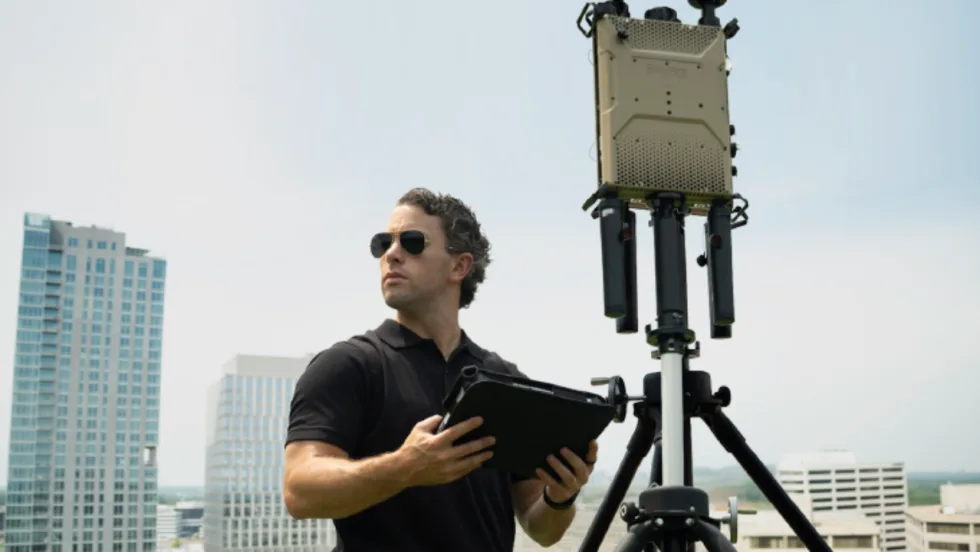
Motorola Solutions Completes Acquisition of D-Fend Solutions
Motorola Solutions has acquired D-Fend Solutions, an industry leader in counter-drone technology. This deal provides public safety and enterprise customers with access to advanced counter-unmanned aerial systems.
Read More →
ZeroEyes, Advantech & Camden Police Partner to Bring AI Gun Detection Technology to Delaware School District
ZeroEyes has partnered with Advantech and the Camden Police Department to deploy ZeroEyes’ AI gun detection and intelligent situational awareness platform at Delaware’s Caesar Rodney School District (CRSD).
Read More →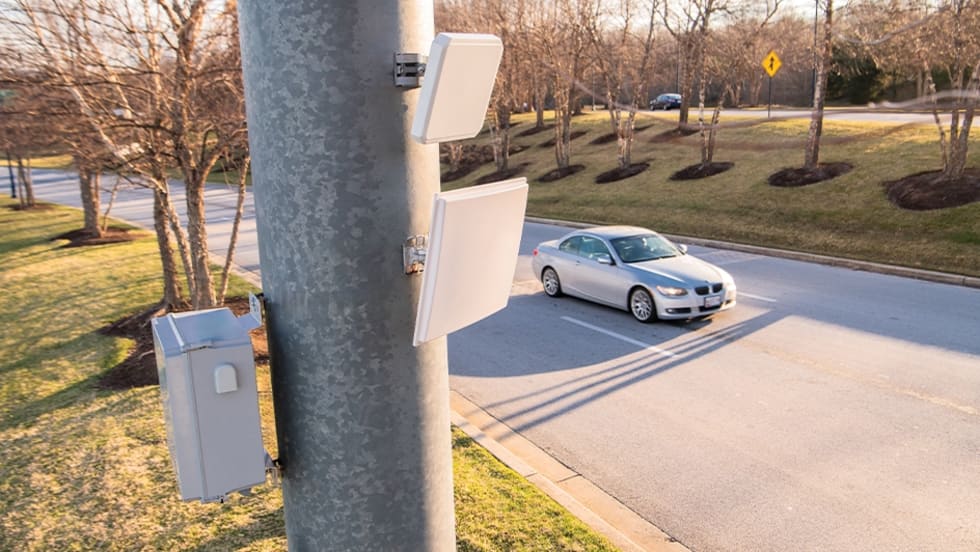
Leonardo U.S. Cyber & Security Solutions Introduces SignalTrace, the Next Evolution in Electronic Signature Detection Technology
SignalTrace reflects years of product refinement and a clearer expression of the technology’s purpose of recognizing and correlating electronic signatures in publicly broadcast wireless signals to reveal patterns, relationships, and trends that might otherwise go undetected.
Read More →