



San Francisco Could Ban Use of Facial Recognition by Law Enforcement
The proposal, introduced by San Francisco Supervisor Aaron Peskin, would also require public input and the supervisors’ approval before agencies buy investigative technology with public funds. That includes the purchase of license plate readers, toll readers, closed-circuit cameras, body cams, and biometrics technology and software for forecasting criminal activity.

San Francisco could become the first city in the nation to ban any city department from using facial recognition under a proposal that says any benefits of the technology do not outweigh its impact on civil rights.
The San Francisco Board of Supervisors committee is scheduled to vote Monday on the Stop Secret Surveillance Ordinance, which would make it illegal for any department to “obtain, retain, access or use” any face-recognition technology or information obtained from such technology.
The proposal, introduced by San Francisco Supervisor Aaron Peskin in January, would also require public input and the supervisors’ approval before agencies buy investigative technology with public funds. That includes the purchase of license plate readers, toll readers, closed-circuit cameras, body cams, and biometrics technology and software for forecasting criminal activity, the San Jose Mercury reports.
Other Bay Area cities and counties, including Berkeley, Palo Alto and Santa Clara County, have similar rules in place about buying investigative technology, but a San Francisco ban on facial recognition would set a precedent. In Oakland, a proposal to add a ban on facial recognition to city regulations is set to be considered by Oakland’s Public Safety Committee later this month.
The San Francisco Police Department, which said it doesn’t use facial recognition, submitted amendments to the ordinance after talking with other city departments, community groups, neighborhood watch groups, and businesses.
Lee Hepner, legislative aide to Peskin, said the supervisor’s office incorporated some of the SFPD’s requests into the ordinance. If it is approved in committee Monday, the full board will vote May 14.
More Technology

A police agency's guide to data-driven fleet management
Costs are rising and the public expects more transparency into how their tax dollars are spent. This e-book shows how police agencies can use fleet data to take control of fleet expenses while improving officer safety and demonstrating fiscal responsibility to the communities they serve.
Read More →
AI and analytics for law enforcement: Turning data into insights
Law enforcement agencies are managing more video, sensor data and digital evidence than ever before. Discover how AI and analytics can help turn that data into actionable insights that strengthen situational awareness, accelerate investigations and support more informed decisions.
Read More →
Vasco Electronics Adds Automatic Language Detection to Vasco Translator Q1
Vasco Electronics’ software update introduces hands-free language switching and expanded offline translation across 45 language pairs, empowering law enforcement, healthcare, and front-office enterprise teams
Read More →

North Miami Police Department Deploys Mark43
The North Miami Police Department has deployed Mark43 as part of its Five-Year Strategic Plan that represents its collective vision and goals for a more proactive police department, anchored by a core commitment to leveraging modern technology to enhance efficiency and public safety.
Read More →
Cellebrite Genesis for Enterprise Now Generally Available
Made available to the public sector in June, Cellebrite Genesis is serving a growing mix of national, regional, and local agencies worldwide, including some of the largest regional and metropolitan police departments. It is now available for enterprise organizations.
Read More →
2026 Vision FirstNet Users Summit to Host Emerging Leaders Training on Grassroots Advocacy for Public Safety
“Emerging Leaders Training: Understanding the Importance of Grassroots Advocacy for Public Safety," a session during the 2026 Vision FirstNet Users Summit, will offer a roadmap for unified advocacy at the federal level.
Read More →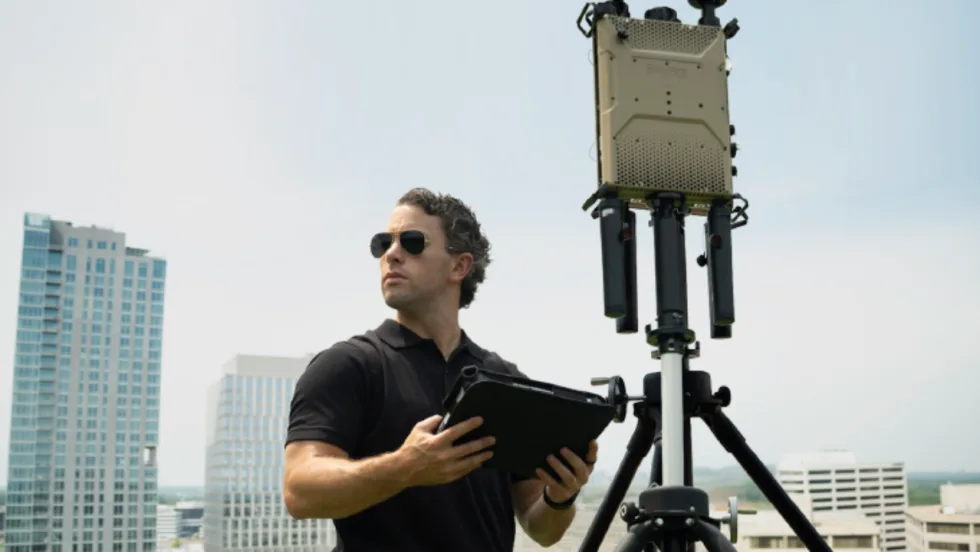
Motorola Solutions Completes Acquisition of D-Fend Solutions
Motorola Solutions has acquired D-Fend Solutions, an industry leader in counter-drone technology. This deal provides public safety and enterprise customers with access to advanced counter-unmanned aerial systems.
Read More →
ZeroEyes, Advantech & Camden Police Partner to Bring AI Gun Detection Technology to Delaware School District
ZeroEyes has partnered with Advantech and the Camden Police Department to deploy ZeroEyes’ AI gun detection and intelligent situational awareness platform at Delaware’s Caesar Rodney School District (CRSD).
Read More →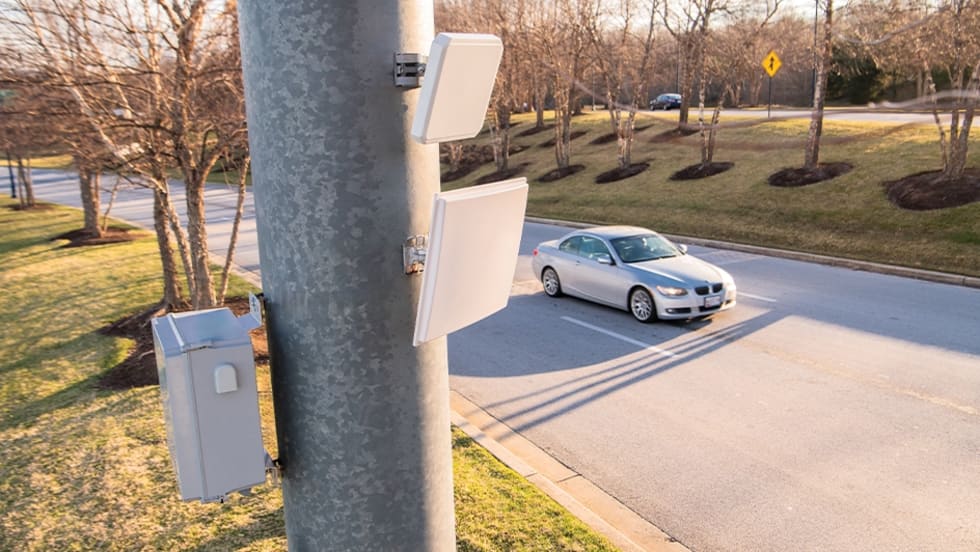
Leonardo U.S. Cyber & Security Solutions Introduces SignalTrace, the Next Evolution in Electronic Signature Detection Technology
SignalTrace reflects years of product refinement and a clearer expression of the technology’s purpose of recognizing and correlating electronic signatures in publicly broadcast wireless signals to reveal patterns, relationships, and trends that might otherwise go undetected.
Read More →
Pimloc Launches Secure File Sharing to Streamline Release of Redacted Video
Pimloc’s Secure File Sharing lets organizations deliver redacted video, audio, and documents through expiring, passcode-protected links, accelerating delivery while reducing security, compliance, and chain-of-custody risks.
Read More →