



Michigan Case Could Help Define Entrapment
The case of a Pontiac police officer nailed in a drug sting 10 years ago has finally made it to the Michigan Supreme Court. This could help set Michigan's standard for how far cops can go in undercover stings.

The case of a Pontiac police officer nailed in a drug sting 10 years ago has finally made it to the Michigan Supreme Court. This could help set Michigan's standard for how far cops can go in undercover stings.
Former officer Jessie Johnson was fired, even though the case never went to trial. In 1992, Johnson was charged with a pair of felonies -- two counts of possession of cocaine with intent to distribute. The case has been working its way through the court system ever since.
Early on, Oakland Circuit Judge David Breck dismissed the charges, ruling that an undercover operation entrapped Johnson. Prosecutors disagreed and appealed the decision.
Supreme Court arguments are the culmination of the process, and could change the guidelines for how entrapment is decided in Michigan in the future.
Michigan courts currently use an "objective test," which tries to prevent police from creating a crime where none would have occurred, to decide whether someone was entrapped.
But the state Supreme Court asked both sides if Michigan should use the "subjective test" -- used by federal courts and most other states -- to decide if police have crossed the line. The federal standard focuses on what the accused was thinking -- in short, whether police lured a noncriminal into committing a crime.
Both the defendant and the prosecutor in Johnson's case favor sticking with the present rule. So does Michigan Attorney General Jennifer Granholm, in a friend of the court brief.
But the prosecution argues that Johnson's arrest was proper under the Michigan standard. Frankel said Tuesday's arguments focused mostly on the legal technicalities.
According to court documents, Pontiac police got a tip that Johnson was running a crack house on Florence Street and then asked state police to take over the investigation. An undercover officer posed as a drug supplier and offered to pay Johnson for protection.
On one occasion Johnson acted as a bodyguard and watched while the trooper bought a bag of cocaine from another undercover officer, according to the documents. Then Johnson allegedly took the bag of drugs himself to guard against a possible rip-off.
The documents said Johnson participated in two more drug deals as well, collecting $2,000 for his work. Breck said the undercover cops created a more serious crime of possession by handing the drugs to Johnson when he only agreed to stand guard.
The court's decision should be announced by the end of July.
More Weapons
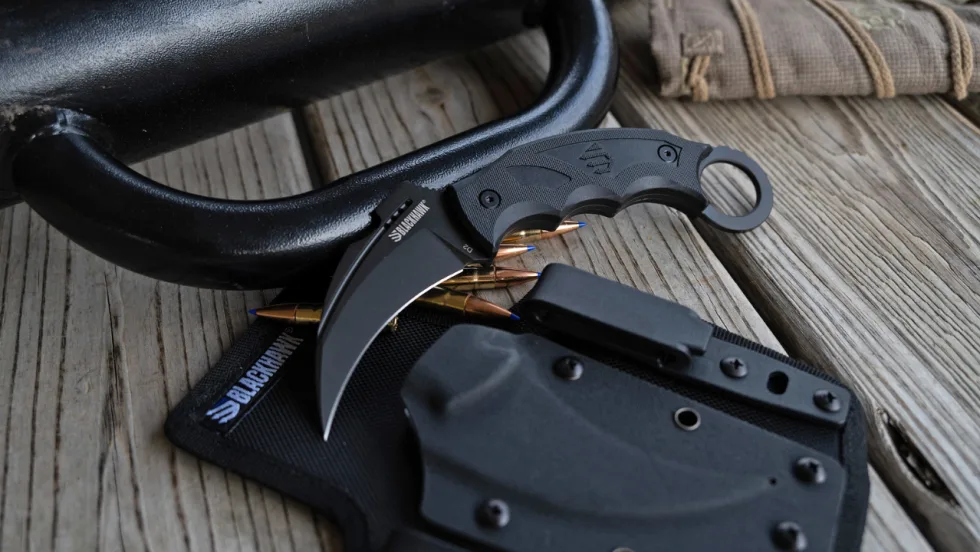
Blackhawk Introduces the Garra Fixed Karambit
The Blackhawk Garra Fixed Karambit is made from D2 steel and features a curved profile that enhances slicing efficiency, plus the full-tang construction ensures strength and durability from tip to handle.
Read More →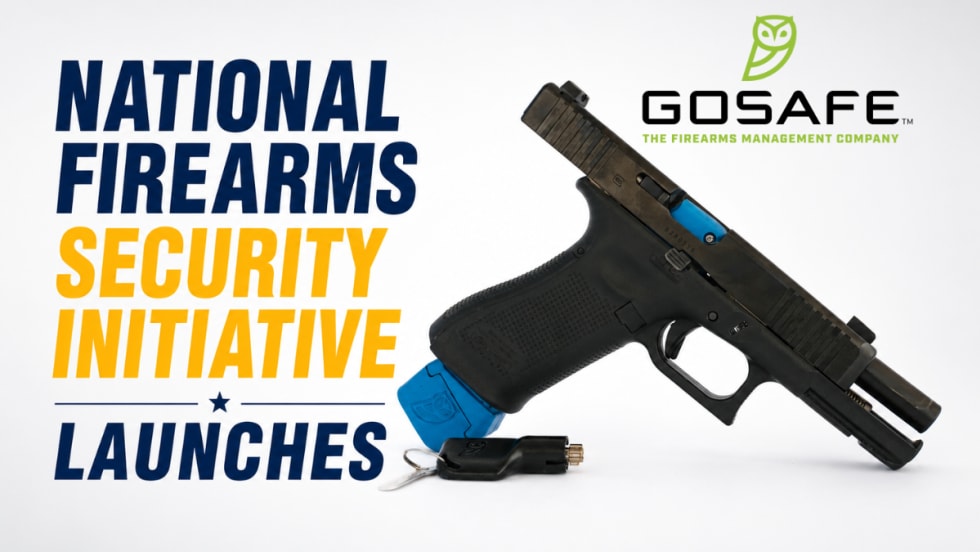
GOSAFE Technology Announces Public Safety Initiative Focused on Firearm Security and Risk Reduction
GOSAFE Technology’s new initiative provides support for agency-level solutions around secure firearm storage, vehicle-storage risks, off-duty firearm security, firearm accountability, and the public safety consequences that may result when firearms are stolen, lost, improperly secured, or diverted from lawful possession.
Read More →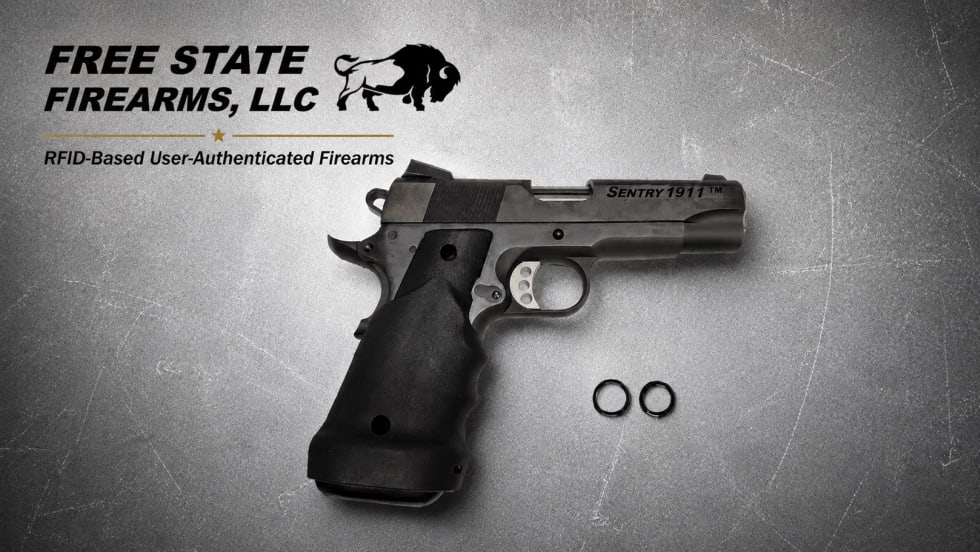
Texas Sheriff’s Office Deploys RFID-Based User-Authenticated Firearm for Prisoner Transport Operations
A sheriff’s office in Texas is now using RFID-based user-authenticated firearms, from Free State Firearms, for prisoner transfer and transport operations.
Read More →
Beretta Introduces the 80X Cheetah Tactical Bronze
Beretta has launched the 80X Cheetah Tactical Bronze, which features a fiber-optic front sight, a serrated rear sight, and a Picatinny rail for accessory mounting, and ships with three 15-round extended magazines.
Read More →
Wrap Raises $5 Million to Restart Domestic Manufacturing & Advance R&D
With new funding, Wrap Technologies will restart domestic manufacturing, advance validated R&D programs into commercialization, and responsibly accelerate early growth initiatives aligned with rising demand for non-lethal response capabilities.
Read More →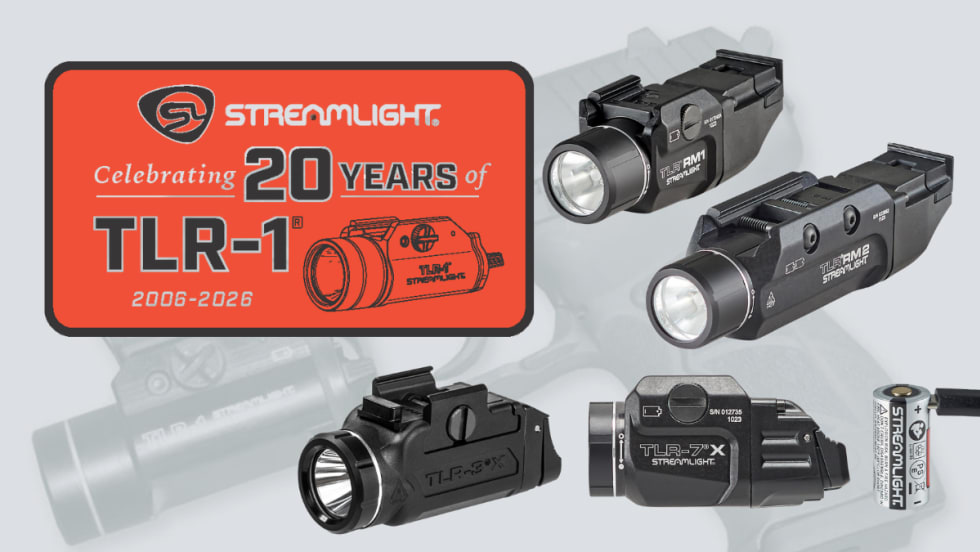
Streamlight Celebrates the 20-Year Anniversary of the TLR Series
This year, Streamlight marks two decades of weapon-mounted lighting innovation with the 20th anniversary of the TLR-1.
Read More →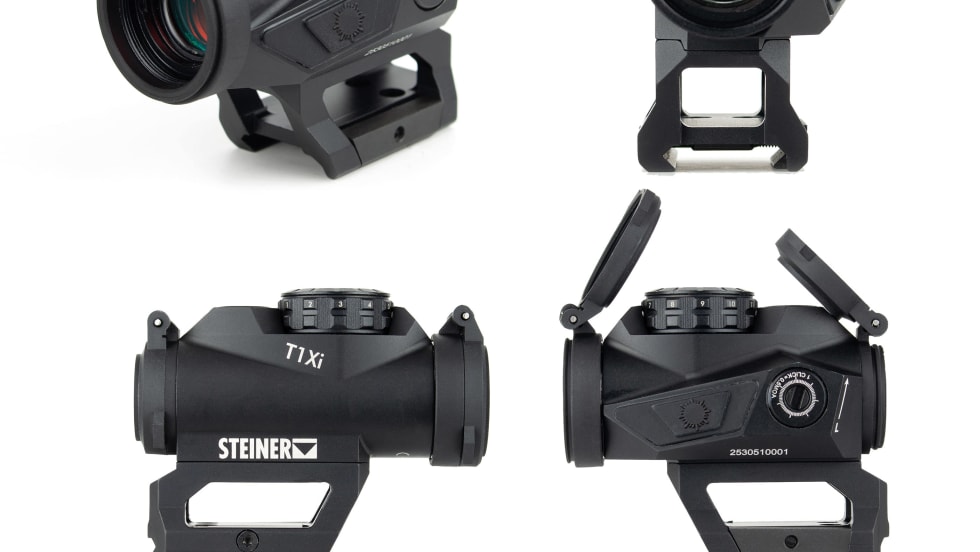
Steiner’s T1Xi Selected as Top Performer in Texas DPS Optic Evaluation
Steiner Optics’ T1Xi was selected as the top-performing red dot in the recent Texas Department of Public Safety optic evaluation.
Read More →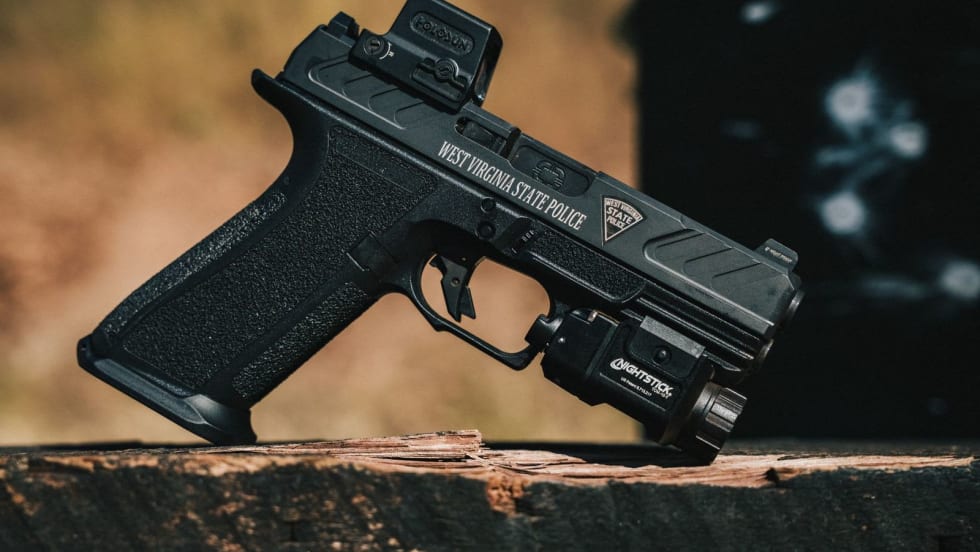
Shadow Systems Selected as Exclusive Pistol Provider for West Virginia State Police
Shadow Systems will provide 700 XR920 crossover pistols for West Virginia State Police troopers and 80 CR920X high-capacity subcompact pistols for the Bureau of Criminal Investigation.
Read More →
Aimpoint Celebrates 50 Years of Innovation and Excellence in Sighting Technology
Aimpoint is marking its 50th anniversary in 2025, celebrating five decades of red dot innovation trusted by military, law enforcement, and tactical professionals worldwide.
Read More →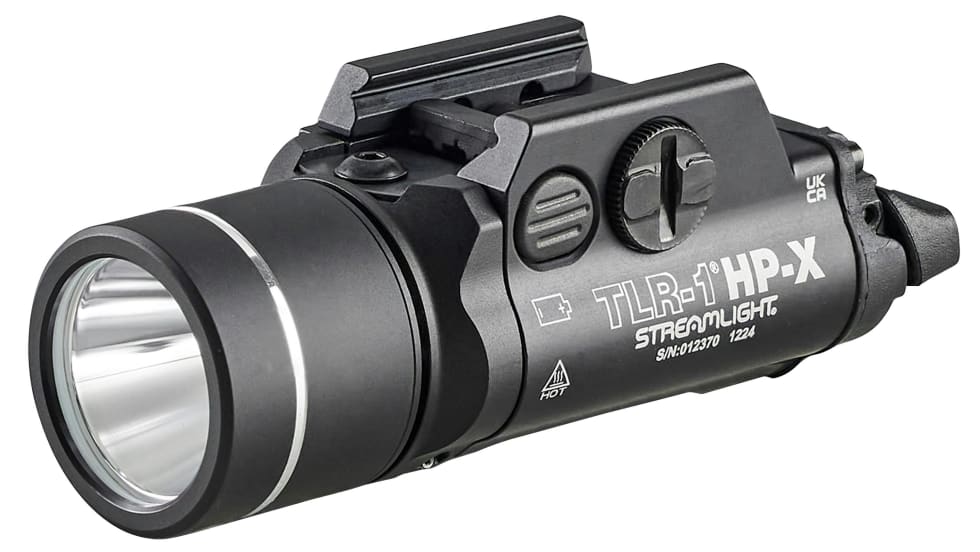
Streamlight Introduces Long-Range Handgun Light
“Our newest weapon light provides an industry-leading level of candela for handguns, giving users enhanced visibility under low light conditions, such as when searching a dark alley,” said Streamlight President Michael F. Dineen.
Read More →