



Carlson Wireless Announces Trailblazer Point-to-Point Solution
The Trailblazer 5.9 is a point-to-point solution designed for back-hauling two-way radio communications or Dedicated Short Range Communications (DSRC) projects because of its extraordinary resistance to interference and weather. The Trailblazer itself provides ultra-low fixed latency and rugged reliability, according to the company.

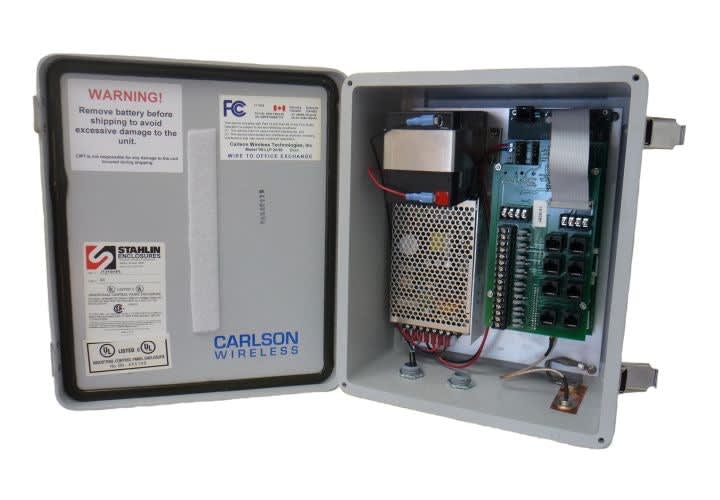
Photo: Carlson Wireless.
Carlson Wireless introduced the Trailblazer 5.9 earlier this month at the APCO convention in Philadelphia several days after receiving FCC certification. The product, one of the first of its kind certified to operate in the 5.9 GHz frequency band, was custom-designed for departments of transportation.
The Trailblazer 5.9 is a point-to-point solution designed for back-hauling two-way radio communications or Dedicated Short Range Communications (DSRC) projects because of its extraordinary resistance to interference and weather. The Trailblazer itself provides ultra-low fixed latency and rugged reliability, according to the company.
Carlson developed the 5.9 after being approached by a transportation customer who expressed a need that had yet to be met by any other product. The 5.9 offers a unique blend of video, telemetry, Ethernet, voice, and data. This varied arsenal of capabilities heightens efficiency when reporting road closures, issue traffic alerts, emergency warnings for short-range vehicles, two-way radio backhaul, leaded line replacement, POTS line wireless transport and Ethernet transport.
The 5.9 GHz frequency band offers a full 70-megahertz of spectrum set aside by the FCC especially for Intelligent Transportation Systems (ITS). This particular band is ideal for both the public safety and departments of transportation industries because it can support the high data rates that traffic applications require.
The 5.9 offers a plug-and-play setup of a fully integrated device. It is solar powerable and comes in a sturdy weatherproof enclosure for roadside deployment.
The FCC divides the 5.9 GHz band into seven 10-megahertz channels and issues non-exclusive licenses to government and public safety entities to operate on the band. Applicants can file electronically with the FCC using FCC Form 601.
Licensees need only register their sites, channels and other relevant data on a Universal Licensing System, coordinating with the Telecommunications and Information Administration (NTIA) for proximity to government radar sites.
More Technology

A police agency's guide to data-driven fleet management
Police officers depend on their vehicles every shift, and the data those vehicles produce can be used to protect them. This ebook breaks down how to improve officer safety, control costs and build stronger public accountability with a foundation of fleet data.
Read More →
AI and analytics for law enforcement: Turning data into insights
Law enforcement agencies are managing more video, sensor data and digital evidence than ever before. Discover how AI and analytics can help turn that data into actionable insights that strengthen situational awareness, accelerate investigations and support more informed decisions.
Read More →
Vasco Electronics Adds Automatic Language Detection to Vasco Translator Q1
Vasco Electronics’ software update introduces hands-free language switching and expanded offline translation across 45 language pairs, empowering law enforcement, healthcare, and front-office enterprise teams
Read More →

North Miami Police Department Deploys Mark43
The North Miami Police Department has deployed Mark43 as part of its Five-Year Strategic Plan that represents its collective vision and goals for a more proactive police department, anchored by a core commitment to leveraging modern technology to enhance efficiency and public safety.
Read More →
Cellebrite Genesis for Enterprise Now Generally Available
Made available to the public sector in June, Cellebrite Genesis is serving a growing mix of national, regional, and local agencies worldwide, including some of the largest regional and metropolitan police departments. It is now available for enterprise organizations.
Read More →
2026 Vision FirstNet Users Summit to Host Emerging Leaders Training on Grassroots Advocacy for Public Safety
“Emerging Leaders Training: Understanding the Importance of Grassroots Advocacy for Public Safety," a session during the 2026 Vision FirstNet Users Summit, will offer a roadmap for unified advocacy at the federal level.
Read More →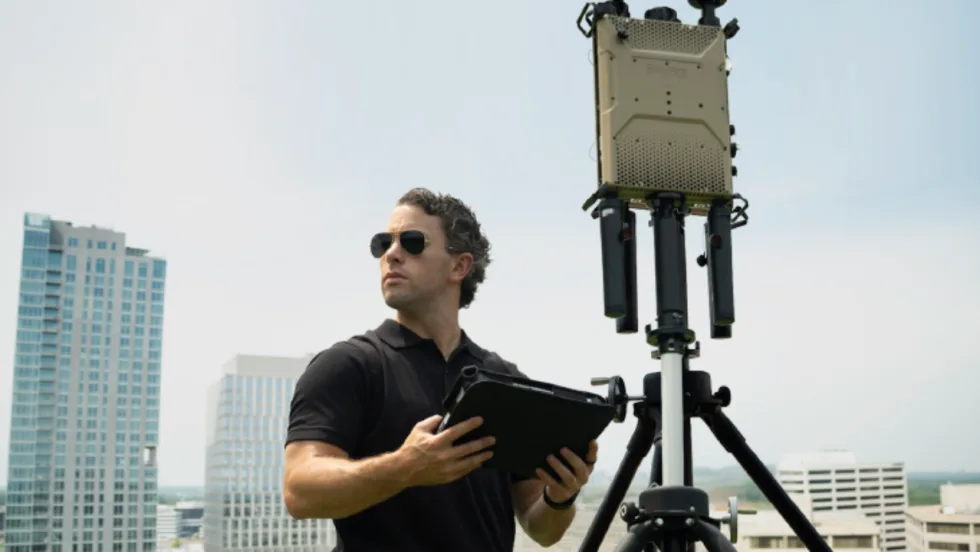
Motorola Solutions Completes Acquisition of D-Fend Solutions
Motorola Solutions has acquired D-Fend Solutions, an industry leader in counter-drone technology. This deal provides public safety and enterprise customers with access to advanced counter-unmanned aerial systems.
Read More →
ZeroEyes, Advantech & Camden Police Partner to Bring AI Gun Detection Technology to Delaware School District
ZeroEyes has partnered with Advantech and the Camden Police Department to deploy ZeroEyes’ AI gun detection and intelligent situational awareness platform at Delaware’s Caesar Rodney School District (CRSD).
Read More →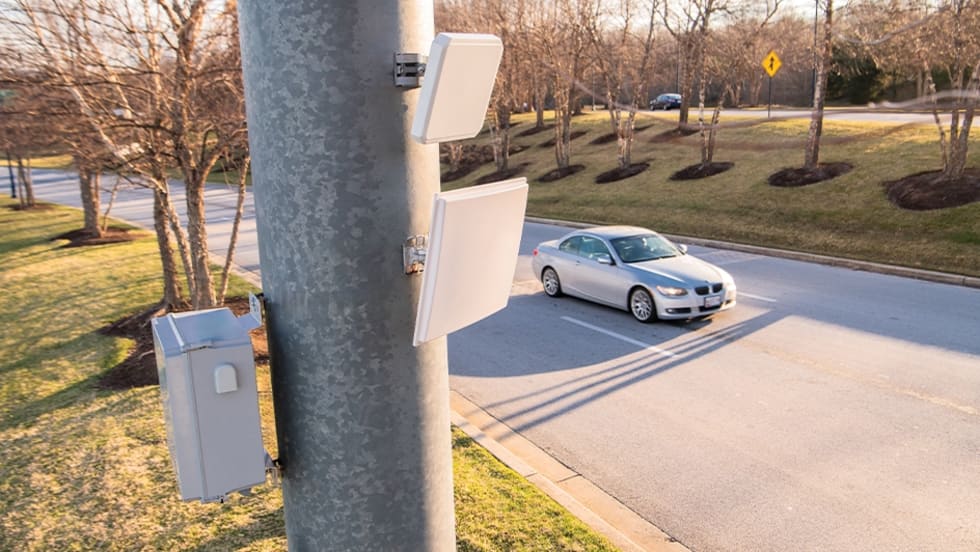
Leonardo U.S. Cyber & Security Solutions Introduces SignalTrace, the Next Evolution in Electronic Signature Detection Technology
SignalTrace reflects years of product refinement and a clearer expression of the technology’s purpose of recognizing and correlating electronic signatures in publicly broadcast wireless signals to reveal patterns, relationships, and trends that might otherwise go undetected.
Read More →
Pimloc Launches Secure File Sharing to Streamline Release of Redacted Video
Pimloc’s Secure File Sharing lets organizations deliver redacted video, audio, and documents through expiring, passcode-protected links, accelerating delivery while reducing security, compliance, and chain-of-custody risks.
Read More →