



Bank Robberies on Rise as FBI Shifts Focus
Bank robbery is on the rise across the nation, especially the more violent versions of it. Yet the Federal Bureau of Investigation is distracted by a bigger battle: the war on terrorism.

Bank robbery is on the rise across the nation, especially the more violent versions of it. Yet the Federal Bureau of Investigation is distracted by a bigger battle: the war on terrorism.
Since Sept. 11, many FBI agents have worked full time on terror-related issues, letting other areas lag. And a major reorganization of the agency, to be announced within a month, is expected to include a significant downsizing of bank-robber tracking efforts.
This leaves local and state police to tackle a steep and steady rise in bank heists nationwide. Some observers say that could be a positive shift – laying law enforcement responsibility clearly at the doors of local police and banks themselves. Financial institutions, for example, are scrambling to add security measures, such as cameras and bullet-proof "bandit barriers."
Nationwide, the number of bank robberies rose from 6,599 in 1999 to 7,127 in 2000 to 8,259 in 2001, the FBI says.
One area of concern is south Florida. It's on pace to hit 250 bank robberies this fiscal year, according to the local FBI office. By contrast, there were 183 bank heists in 2001 and 165 in 2000.
Furthermore, according to Miami FBI Agent Erik Miller, about 40 percent of bank stick-ups now include weapons, a considerable increase in violent robberies.
In the Los Angeles area, "master planners" are increasingly orchestrating robberies carried out by gang members. This method led to 205 "violent takeover robberies" in 2001, a 31 percent jump over 2000. Roughly 30 percent of robberies in the LA area are now violent, up from 17 percent in 1993. Overall, however, the number of LA-area hold-ups has fallen dramatically in recent years – from 2,641 in 1993 to just 677 last year.
Bank robberies in America's hinterlands are on the rise. In fact, on a per capita basis, towns of 10,000 to 25,000 are the most likely of any places to be hit, according to FBI statistics. The rise in hold-ups, including violent ones, may stem from several factors, including criminals knowing that police are overwhelmed in the wake of Sept. 11. Also, repeat offenders from the late 1980s and early 1990s are now being released – and are striking again. Some areas, like Los Angeles, are seeing an increase in gangs willing to attempt the crime. Even the wobbling economy may be contributing, by creating more desperation.
At the same time, FBI Director Robert Muller has asked field offices to report to him on the feasibility of downsizing or eliminating FBI bank-robbery investigations. Some argue that FBI responsibility for carjackings and drug-enforcement should revert to local cops, too. Observers say one likely course is to have the FBI simply support local and state agencies with crime analysis – rather than sending its agents to pound the pavement.
Any pullback, however, would mark a major change in the mythology of American crime-busting – in which the FBI has played a leading role. In the 1930s and '40s, FBI Director J. Edgar Hoover helped create a mystique for his fledgling agency as it nabbed famous bank-robbing crooks like John Dillinger and George "Machine Gun" Kelly. FBI talents include creating profiles of bank robbers and tracking the highly mobile criminals across counties and states.
Yet some observers say there has long been a gap between myth and reality, with state and local police doing much of the bank-robbery gumshoe work. "Most agencies I've talked to say they don't get all that much help out of the FBI – and yet the FBI comes in and gets most of the credit," says criminologist John Eck at the University of Cincinnati.
Recent improvements – better databases, faster communication among agencies, and sharper profiling skills – have made local and state agencies better equipped to handle bank robberies. If anything, Dr. Eck says, the impact of an FBI pullback would mostly be felt in small towns.
But some FBI agents are determined to stay in the game. "We're fighting tooth and nail" to do so, says Agent Steve Warner, who's in charge of bank robbery probes in Miami. "And the police down here want us to be in the business," he says. "We're the catalyst" for getting 50 local agencies to work together.
Lately, his office has been swamped with terrorism work. In addition to bank robberies, he's also now in charge of tracking fugitives. Hence, he's focused more on violent bank robberies, leaving "note jobs" – thieves slipping notes to tellers demanding cash – to local police.
In the end, that may be the compromise: FBI involvement in the highest-profile, most-violent heists – and local responsibility for everything else.
More Special Units

New K9 Decontamination Protocol Launched
A new K-9 protocol from the SoRite Company gives law enforcement agencies a standardized rapid-response framework to decontaminate K-9s, their handlers, and police vehicles, from dangerous narcotics.
Read More →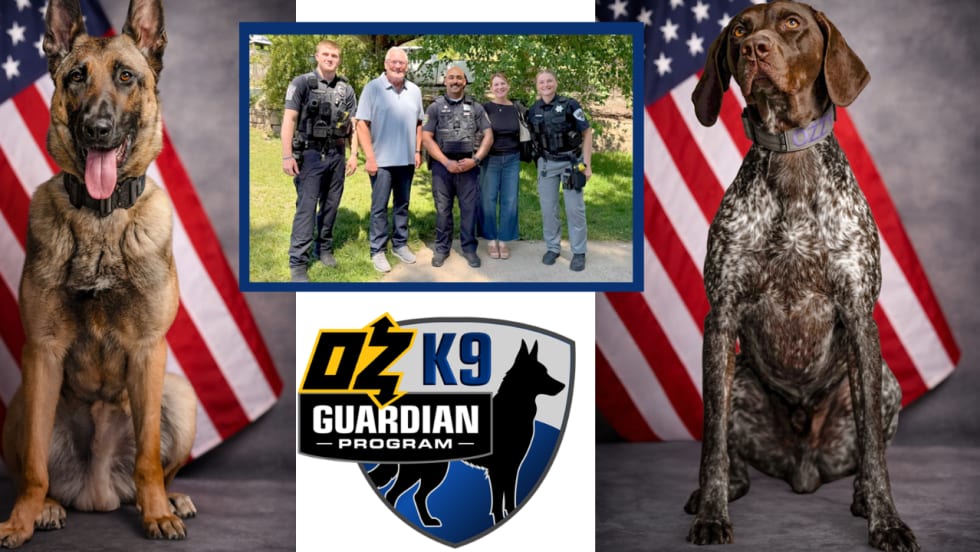
OZ Lifting Doubles Impact of K9 Guardian Program
In response to the positive impact the program has had on local communities. OZ Lifting Products has expanded its K9 Guardian Program by committing to fund a second police dog each year.
Read More →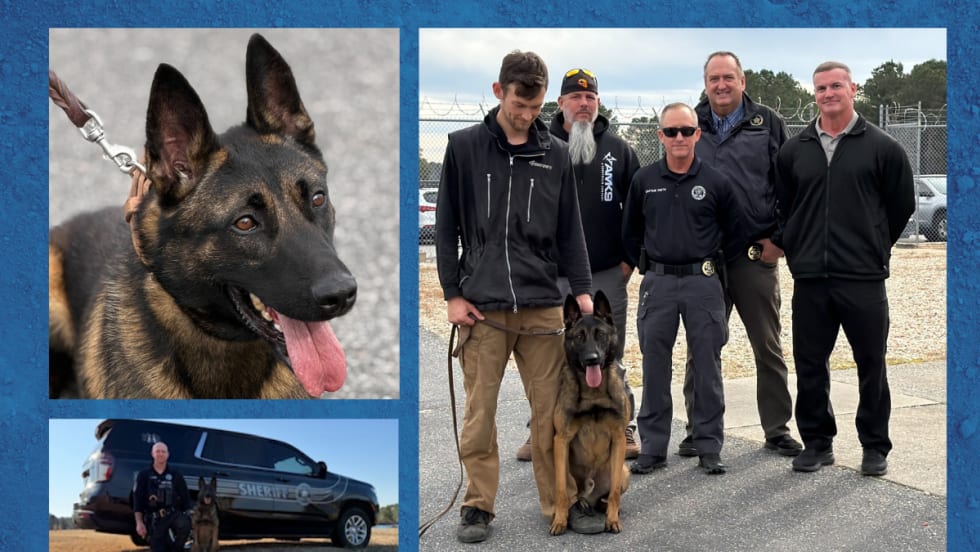
Constellis’ AMK9 to Donate K9 Officer to Currituck County Sheriff’s Office
AMK9 will donate a fully trained K9 officer to the Currituck County Sheriff’s Office K9 Unit. DAX, a 20-month-old Belgian Malinois, joined his new handler and has begun training at the Constellis Training Center.
Read More →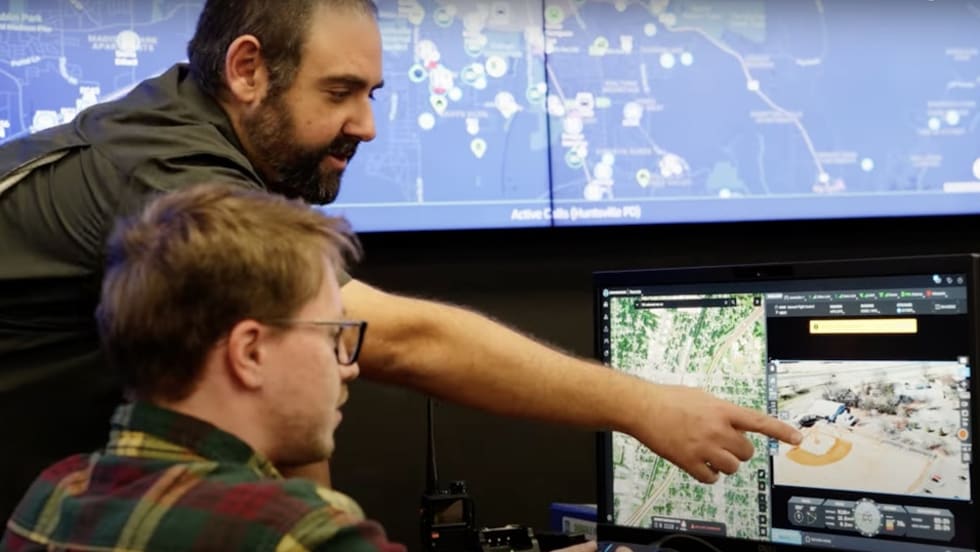
Ohio’s Statewide Drone First Responder Program to Take Flight
Over the next two years, the Ohio DFR Pilot Program will equip municipalities with advanced drone systems, deliver comprehensive training for first responders, and enable FAA-approved Beyond Visual Line of Sight operations.
Read More →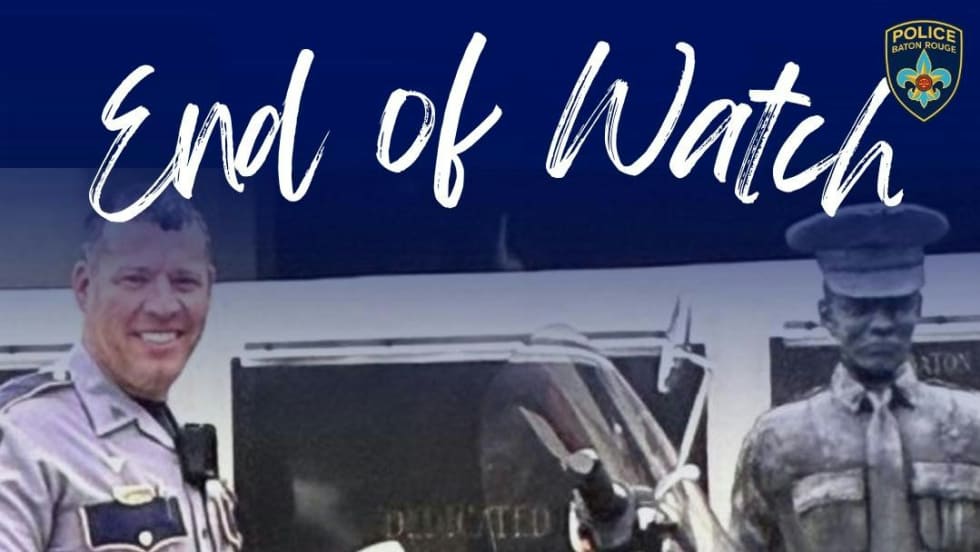
Louisiana Motor Sergeant Dies from Injuries Suffered in June “Intentional” Crash
A motor officer, Sgt. Caleb Eisworth was on his way to participate in a funeral escort when he was struck by another vehicle.
Read More →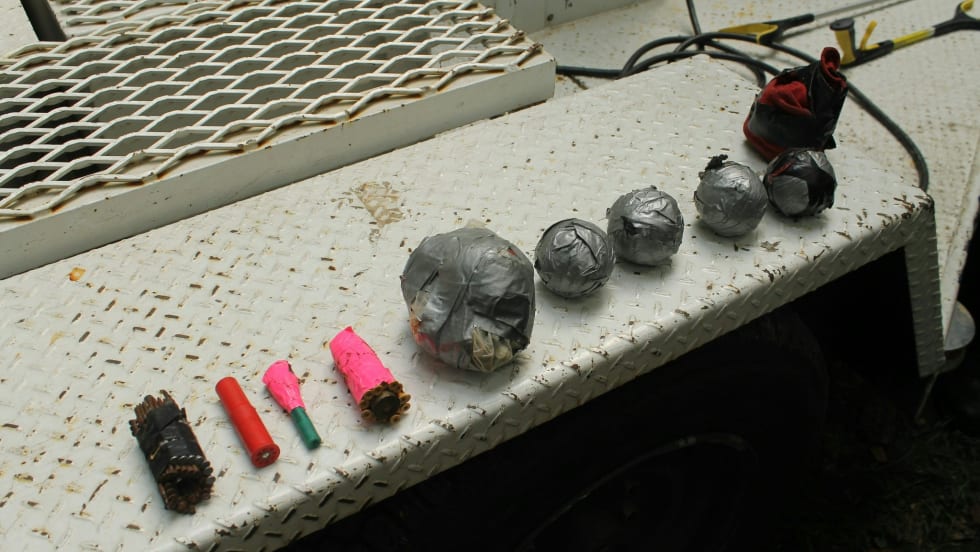
Tennessee Officers Say Man Tried to Detonate IED During Arrest
Inside the bedroom officers found what they believed to be an IED. The officers evacuated the house and called for the Chattanooga Police Bomb Squad and ATF agents.
Read More →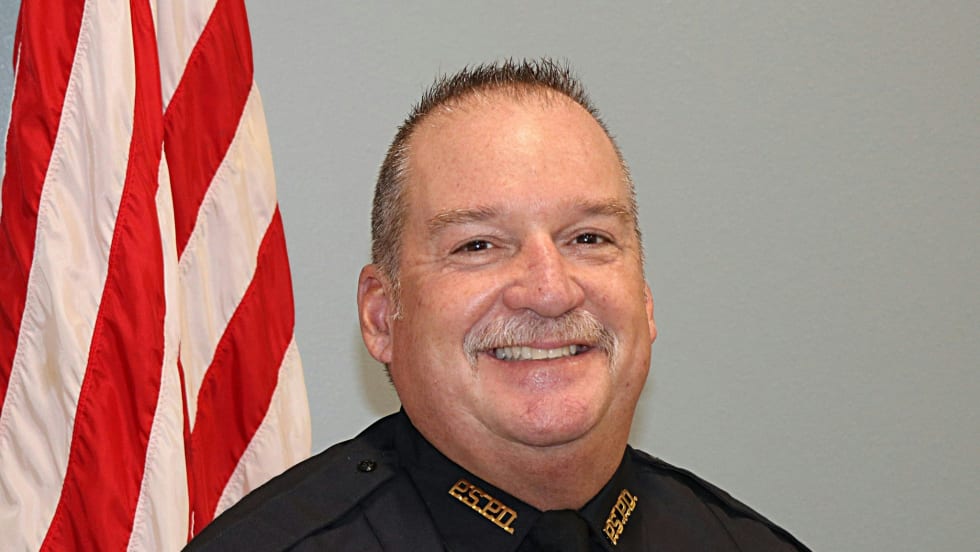
Florida School Officer Dies After On-Duty Medical Emergency
Sergeant Greg Graff was “preparing school leaders for the upcoming year during a safety training program at Clearwater High School,” the school district said.
Read More →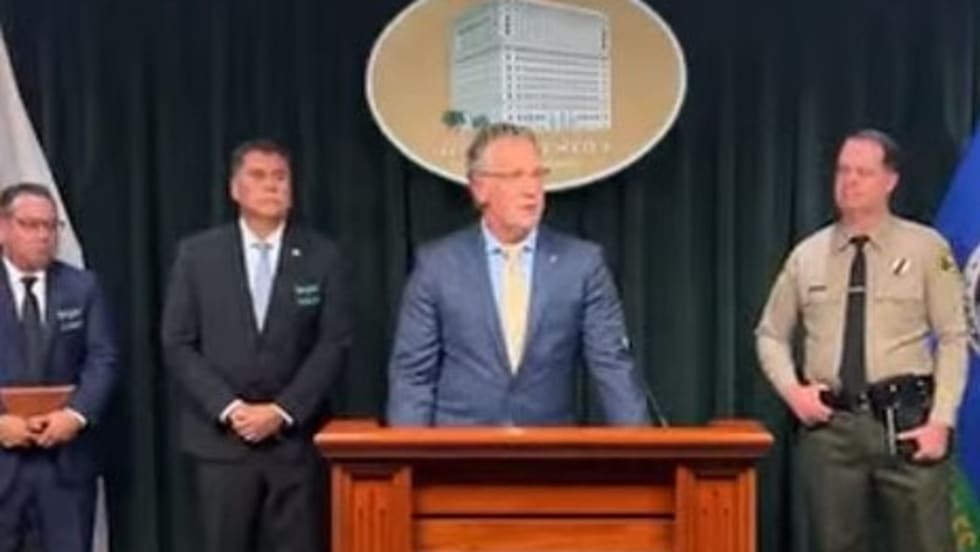
Grenade is Missing from Explosion That Killed 3 LASD Deputies
ATF Special Agent in Charge Kenny Cooper said definitively that only one grenade detonated at the facility on July 18.
Read More →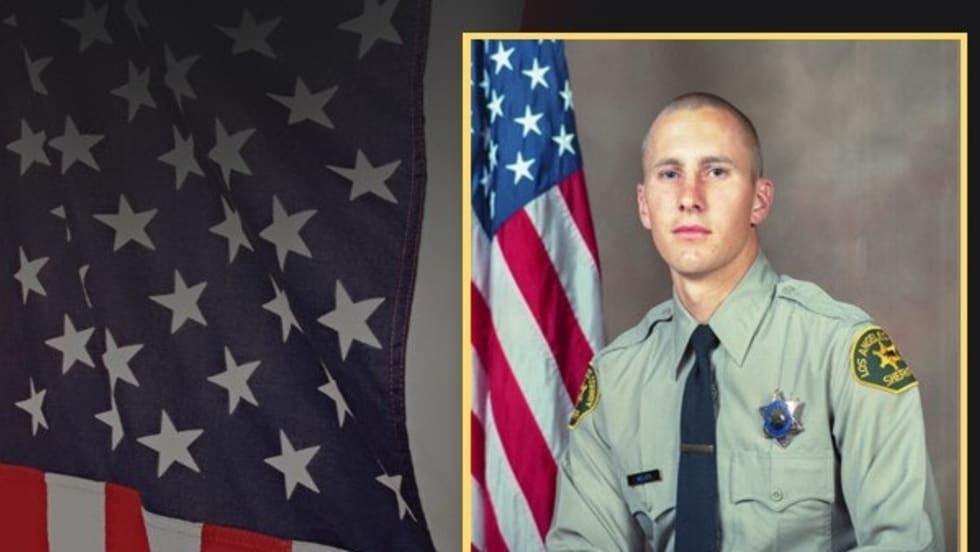
Los Angeles County Sheriff's Department Names Deputies Lost in Friday Explosion
LASD said Detective Joshua Kelley-Eklund, Detective Victor Lemus, and Detective William Osborn who were all assigned to Special Enforcement Bureau’s Arson Explosives Detail were killed in the incident.
Read More →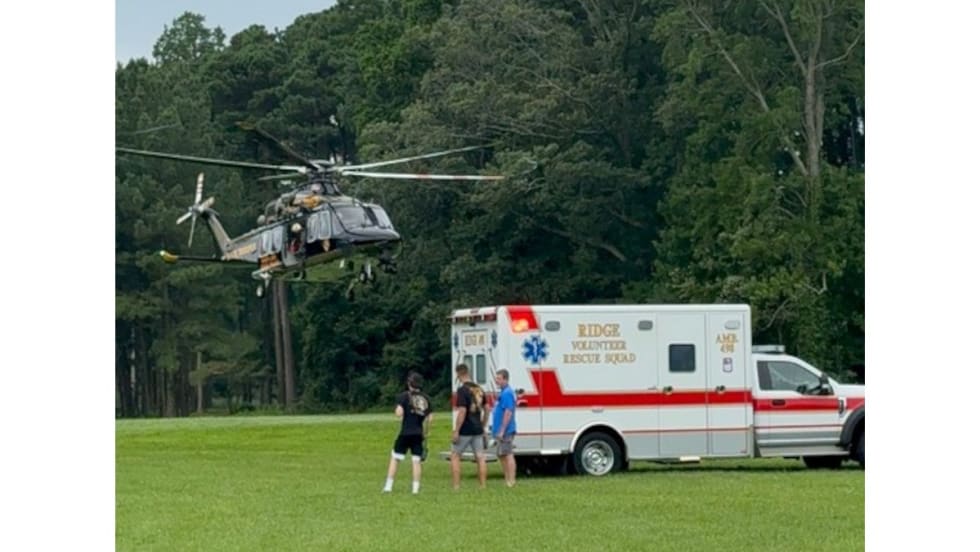
Maryland State Police Helicopter Rescues Victim from Overturned Boat in Chesapeake Bay
The Maryland State Police Aviation Command Trooper 7 crew, the MSP helicopter based in California, Maryland, were monitoring the county dispatch radio, overheard the dispatch, and self-launched.
Read More →