



Axon Pauses Development of Active Shooter Response Drone
Nine members of Axon's 13-person AI ethics board have resigned over the project.

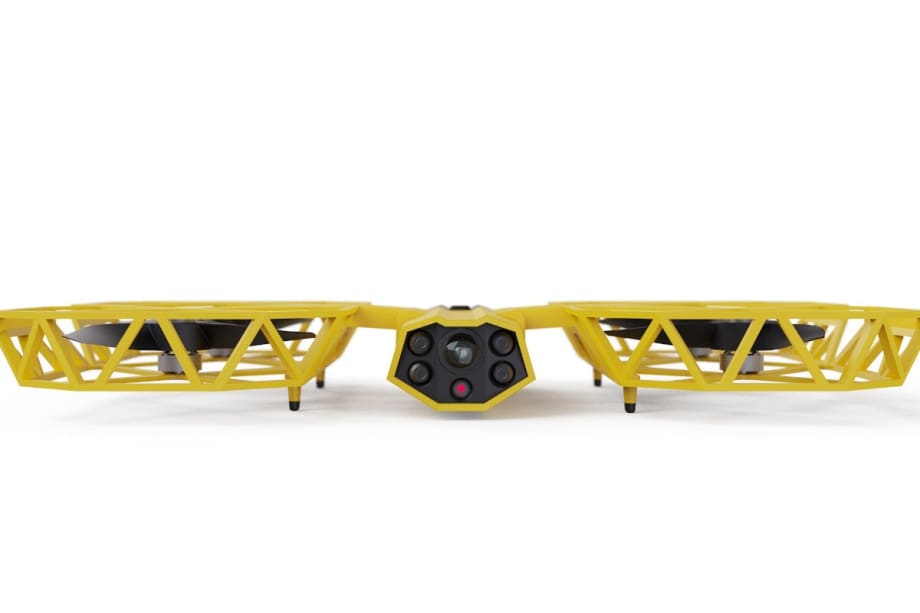
Artist's rendering of TASER-armed drone. (Photo: Axon)
Following Axon's announcement last week that the company was developing a TASER-armed drone that could be used for active shooter response, the company received considerable negative feedback from its own advisors.
Nine members of Axon's 13-person AI Ethics Board have resigned over the proposal.
Axon has responded by issuing a statement saying development of the TASER drone has been paused.
"Our announcement was intended to initiate a conversation on this as a potential solution, and it did lead to considerable public discussion that has provided us with a deeper appreciation of the complex and important considerations relating to this matter. I acknowledge that our passion for finding new solutions to stop mass shootings led us to move quickly," Axon CEO Rick Smith said in a statement.
"I want to be explicit: I announced a potential delivery date a few years out as an expression of what could be possible; it is not an actual launch timeline, especially as we are pausing that program. A remotely operated non-lethal TASER-enabled drone in schools is an idea, not a product, and it’s a long way off. We have a lot of work and exploring to see if this technology is even viable and to understand if the public concerns can be adequately addressed before moving forward," Smith said.
The former members of the Axon AI Ethics Board also issued a statement saying why they resigned. “We all feel the desperate need to do something to address our epidemic of mass shootings. But Axon’s proposal to elevate a tech-and-policing response when there are far less harmful alternatives, is not the solution.” The former Board members say that when Axon decided to make its announcement “it bypassed Axon’s commitment to consult with the company’s own AI Ethics Board.”
The former board members press release said, "Axon first mentioned the armed drone concept to the Axon AI Ethics board over a year ago. At that time, the company proposed offering the drone to police departments as a tool that would remotely disarm a person and avoid a police officer using a firearm, thereby potentially saving a life. The board expressed deep concerns over how the drone could be misused, escalate the use of force by police, and disproportionately harm overpoliced communities and communities of color. It voted 8-4 to recommend that Axon not proceed with a limited pilot of even this use case."
The Board previously nixed Axon's plan to add facial recognition to its body-worn camera systems. It also shot down a project to build social media intelligence software.
The former Board members complete statement can be read here.
More Technology

A police agency's guide to data-driven fleet management
Costs are rising and the public expects more transparency into how their tax dollars are spent. This e-book shows how police agencies can use fleet data to take control of fleet expenses while improving officer safety and demonstrating fiscal responsibility to the communities they serve.
Read More →
AI and analytics for law enforcement: Turning data into insights
Law enforcement agencies are managing more video, sensor data and digital evidence than ever before. Discover how AI and analytics can help turn that data into actionable insights that strengthen situational awareness, accelerate investigations and support more informed decisions.
Read More →
Vasco Electronics Adds Automatic Language Detection to Vasco Translator Q1
Vasco Electronics’ software update introduces hands-free language switching and expanded offline translation across 45 language pairs, empowering law enforcement, healthcare, and front-office enterprise teams
Read More →

North Miami Police Department Deploys Mark43
The North Miami Police Department has deployed Mark43 as part of its Five-Year Strategic Plan that represents its collective vision and goals for a more proactive police department, anchored by a core commitment to leveraging modern technology to enhance efficiency and public safety.
Read More →
Cellebrite Genesis for Enterprise Now Generally Available
Made available to the public sector in June, Cellebrite Genesis is serving a growing mix of national, regional, and local agencies worldwide, including some of the largest regional and metropolitan police departments. It is now available for enterprise organizations.
Read More →
2026 Vision FirstNet Users Summit to Host Emerging Leaders Training on Grassroots Advocacy for Public Safety
“Emerging Leaders Training: Understanding the Importance of Grassroots Advocacy for Public Safety," a session during the 2026 Vision FirstNet Users Summit, will offer a roadmap for unified advocacy at the federal level.
Read More →
Motorola Solutions Completes Acquisition of D-Fend Solutions
Motorola Solutions has acquired D-Fend Solutions, an industry leader in counter-drone technology. This deal provides public safety and enterprise customers with access to advanced counter-unmanned aerial systems.
Read More →
ZeroEyes, Advantech & Camden Police Partner to Bring AI Gun Detection Technology to Delaware School District
ZeroEyes has partnered with Advantech and the Camden Police Department to deploy ZeroEyes’ AI gun detection and intelligent situational awareness platform at Delaware’s Caesar Rodney School District (CRSD).
Read More →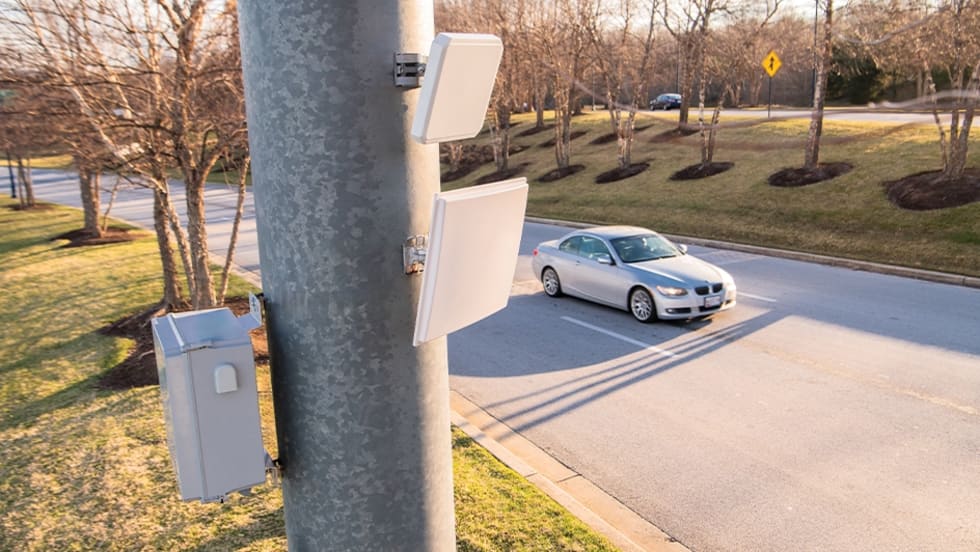
Leonardo U.S. Cyber & Security Solutions Introduces SignalTrace, the Next Evolution in Electronic Signature Detection Technology
SignalTrace reflects years of product refinement and a clearer expression of the technology’s purpose of recognizing and correlating electronic signatures in publicly broadcast wireless signals to reveal patterns, relationships, and trends that might otherwise go undetected.
Read More →
Pimloc Launches Secure File Sharing to Streamline Release of Redacted Video
Pimloc’s Secure File Sharing lets organizations deliver redacted video, audio, and documents through expiring, passcode-protected links, accelerating delivery while reducing security, compliance, and chain-of-custody risks.
Read More →