

Police Magazine

 MENU
 SEARCHMENUSEARCH

Can an individual be prosecuted for despicable criminal conduct based on evidence obtained in violation of the United States Constitution? Ultimately, the Ninth Circuit judges wrote, “In the circumstances of this case (United States v. Holcomb, 23-469 (9th Cir. 2025)), respect for the Constitution and the rule of law requires an answer of “no.”

Can officers ask about parole status during a stop without violating the Fourth Amendment?

United States v. Ramos serves as a reminder for officers about the possible challenges that may arise when invoking an exception to the Fourth Amendment’s warrant requirement.
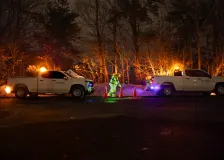
Enhanced Worker Safety Through UV Lighting Technology
Sponsored by SoundOff Signal
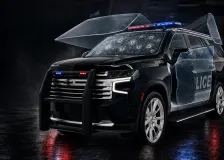
It’s an Ambush: How Ballistic Glass Redefines Patrol Vehicle Safety
Sponsored by Dana Safety Supply
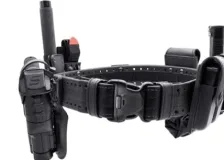
Safariland HOLLE Duty Belt System
Sponsored by Safariland
How Patrolfinder Uses Data to Make Streets Safer
Sponsored by Patrolfinder


Officers need to understand the important difference between moral obligation and legal duty.

A woman carried a rifle fixed with a bayonet into a public park, leading to 911 calls, deputies making an arrest, and a lawsuit.

In Johnson v. City of Miami Beach, the Eleventh Circuit Court of Appeals let a plaintiff sue an officer for striking him while in custody and secure.

The Sixth Circuit Court of Appeals recently ruled on whether officers can use deadly force to stop a suspect from driving away in some circumstances.

“I live in fear every day of being on social media and these (photos) popping up,” Vanessa Bryant testified. “I live in fear of my daughters being on social media and these popping up.”

An Eighth Circuit case hinged on whether a suspect could be questioned while under pain meds in the hospital.

Officers using pepper spray have to be able to justify that use of force under Graham v. Connor.