
Police Magazine

 MENU
MENU SEARCHMENUSEARCH
Fortunately, the Supreme Court recently overturned two federal court rulings that had exposed officers to potential liability in cases involving warrantless entries.
Read More →
He raced to help one of the victims and, as he struggled vainly to save her life, he was stunned by the crowd that gathered around; not to help, but to observe, to…what?
Read More →
I must not have been the only one wishing for a 9mm single-stack Glock because the G43 was unveiled just a few short months ago and it has been an instant hit.
Read More →
The Two-Wire Patrol Kit's sound quality is good, the earpiece is comfortable, and I'd recommend this to anyone looking for light, high-quality comms at a great price.
Read More →
EDC stands for Every Day Carry and, just like the name implies, this Vertx bag is meant to follow you everywhere.
Read More →
Law enforcement officers are used to not just keeping busy but having a purpose; staying mentally and physically active is key, say police retirees.
Read More →
The first thing to recognize is that a political shooting is different from other officer-involved shootings. Very few police agencies are equipped to handle the barrage of media scrutiny, demands for information, interviews, and public records requests generated during a political shooting.
Read More →
Before a sheriff or chief is going to sign off on committing resources to a practical critical incident exercise, you will have to convince him or her of need. And he or she will likely be more receptive to the idea if you have done some work and determined what bugs need to be worked out in your response plan.
Read More →
It has become a recurring issue for law enforcement nationwide, and internationally: the rise of the "super gang," an affiliation of distinct criminal organizations—temporarily or permanently—to pursue mutually beneficial strategies and/or profits.
Read More →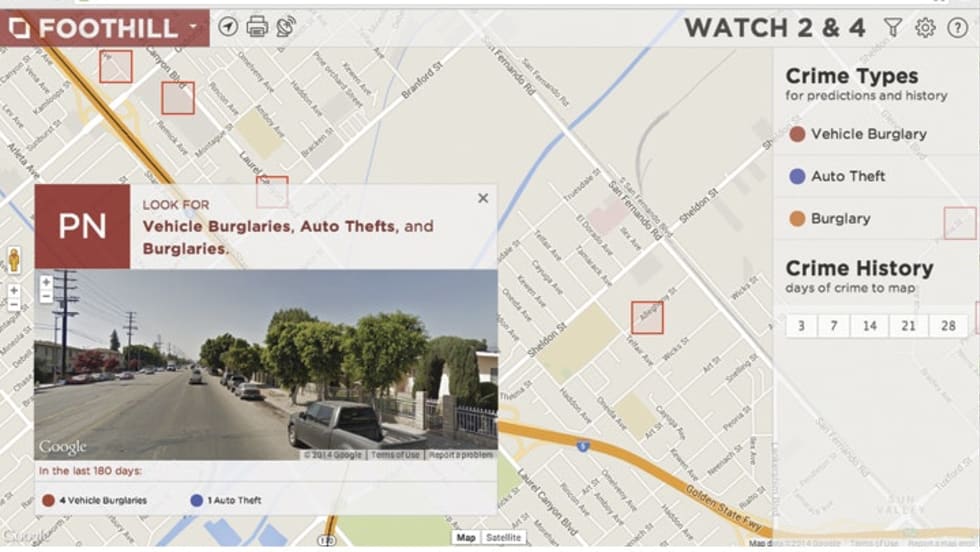
Predictive policing is the computerized analysis of historical crime data from databases, record management systems, and other digital sources. Agencies have achieved a lot of great results using this tool, but experts say law enforcement agencies have just begun to scratch the surface of what the technology can do.
Read More →