



The POLICE Video Evidence Roundtable
Four executives from leading body camera and in-vehicle video system makers discuss how their technology supports police agency policies and operations.


Body-worn and in-car video technologies are merging, at the very least they exist in parallel and are inexorably linked when video evidence is brought to court in criminal proceedings or when an agency releases video of an incident to the media.
Further, citizens and members of the media now all but demand to have agencies release footage from these video systems, especially when an incident is considered to be controversial. They want that sensitive evidence released sooner than they did in the past, and they want as many angles as possible. And God help you and your agency if you don’t have the video.
POLICE’s Doug Wyllie spoke with four leading executives from manufacturers of law enforcement video evidence systems to find out their thoughts on the role video evidence is playing in police policy, where these technologies are today, and where they are headed in the future.
POLICE: As police-recorded videos from in-car and body-worn systems have become expected from the media and the public, how would you attempt to settle the debate over when to release the footage?

Jason Dombkowski, retired chief of the West Lafayette (IN) Police Department, is director of law enforcement relations for Utility.
Chief Jason Dombkowski (ret.), director of law enforcement Relations for Utility: Our focus is on supporting policy, which is what determines when police-recorded videos are or are not released to the public. With this, we believe it is important for law enforcement to get community input when developing in-car and/or body-worn camera policies, as the policy is the tool that both law enforcement and their communities can unite around.
With the policy in place, Utility can help to ensure it is implemented through the use of our unique, automated capabilities and tools that provide for increasing transparency and trust between law enforcement and the community.
Luke Larson, president of Axon: As the market leader for energy weapons, body-worn cameras, and software, Axon strives to build the best technology and solutions needed for our customers and the communities they serve. We don’t see our role as setting policy for when to release body camera footage, but we do see our role as working alongside our partners in law enforcement to develop best practices and the best technology for ensuring greater transparency for the public.
One example of this is our AI-powered Redaction Assistant tool, built to increase efficiency for agencies currently spending up to eight hours manually redacting hours of body camera video footage before releasing it to the public. It’s with technology like this that we hope to increase efficiency for our public safety customers while also increasing transparency for the public.
David O’Connor, director of Public Safety for Panasonic i-PRO Sensing Solutions: More than ever, our public safety customers understand the importance of being prepared to share critical-incident video with the public. However, even the best policy, developed with input and cooperation from the community, can fall short of addressing every situation. As a leading provider of law enforcement video evidence capture and management technology, Panasonic i-PRO Sensing Solutions captures high-quality video evidence, secures and maintains its integrity, and offers AI-assisted redaction to reduce the time required to release video to the public while supporting privacy policies. By providing efficient workflow for digital evidence management, our solutions keep officers on patrol and protect the public trust. While we cannot settle the debate over when video footage should be shared with the public, we can safeguard its authenticity at every stage of the process.

Giles Tipsword is vice president of sales, North America Body-Worn and In-Car Video Solutions for Motorola.
Giles Tipsword, vice president of sales, North America Body-Worn and In-Car Video Solutions for Motorola: Just as every incident is unique, there is no single solution for every event and every agency. When the decision around releasing video footage is being made, primary considerations should always be safety, justice, and the trust of the community. As a result, it should be the responsibility of the individual law enforcement agency to make the right decision in each case so that both the needs of the case and the community are being met.
POLICE: Where and when do you see the nexus between in-car and body-worn cameras merging to become one seamless solution?
Dombkowski, Utility: For Utility customers, body-worn cameras and in-car video are already one seamless solution. In addition to the Utility BodyWorn cameras and RocketIoT wireless gateway and in-car video system, our technology ecosystem also includes the AVaiLWeb evidence management platform that works seamlessly with cameras, creating one, holistic solution that holds everyone accountable in real-time.
Larson, Axon: With the Axon network of devices, applications, and people, we are already there. With our technology, we are transforming the movement of digital evidence through the criminal justice system. That connectedness doesn’t stop at our products. With the features we’ve built into our solutions, we also make it easy for law enforcement to connect with partners, from county officials, to neighboring agencies, to the prosecutor working a case. We believe that better and more accessible information can help agencies save valuable time and resources and, most importantly, keep our communities safe.
O’Connor, Panasonic i-PRO: Our BWC4000 and newly released VPU4000 are fully integrated into a unified system for high-definition video evidence capture in and around the entire vehicle and from the point of view of the officers. These new devices provide full IoT security and simplified installation while supporting extended work/duty cycles. Synchronized playback allows review of the scene from up to nine viewpoints, including in-car, body-worn, and potentially fixed-position surveillance video, simultaneously. Available integration with CAD and RMS systems improves accuracy and efficient access to the video evidence for authorized individuals.
Tipsword, Motorola: They’ve already merged. Motorola Solutions has developed the V300 body-worn camera and 4RE in-car video system to be highly integrated for quite some time as our customers have consistently articulated their need to capture multiple video evidence streams from every event. Sometimes an officer’s weapon obscures the body camera, sometimes the incident develops away from the vehicle, so it’s vital that the story is captured from every angle. We expect to see further integration as well, as footage from fixed video security and LPR cameras continue to be introduced into the same digital evidence management system.
POLICE: What are some recommendations you make on the formulation of policies and procedures for use of in-car and body-worn video systems?
Dombkowski, Utility: Regarding policies and procedures for in-car and body-worn, work with your community when formulating your policies for in-car and body cameras. Body-worn cameras are a tool that can be used to support good practices, policy, training, and community policing efforts to further positive relationships between law enforcement agencies and the communities they serve.
In terms of activation and deactivation, find a solution that has automation built in for camera activation and deactivation. Utility’s evidence ecosystem offers a patented mounting solution coupled with policy-based automatic recording functionalities that remove both the opportunity for user error and the discretion of when to turn the camera on from officers. Policy-based automatic recording functionalities mean the BodyWorn camera and RocketIoT in-car video systems will automatically turn on in a variety of different situations, as determined by an agency’s policy.
Larson, Axon: While it is up to each agency and their local officials to determine and set policy, we work with industry leading experts and groups like the International Association of Chiefs of Police (IACP) to help determine and understand what technology is needed and to develop best practices. We recommend that an officer powers the body-worn camera on at the start of shift, leaving the camera in buffer mode, allowing them to easily begin recording when a situation is unfolding. We also have a very thorough training course via Axon Academy that is available for all of our customers to learn about the capabilities available on our BWCs and to help determine which functionalities are best suited for their needs and policies.
Over the years we have implemented a number of features to help ensure officers never miss a critical moment such as a full shift battery; Signal technology sensors that when triggered, activate the body or in-car camera to turn on automatically; and Axon Performance, a software tool that allows agencies to streamline the review of officer performance and measure compliance with agency policy in near-real time.

David O’Connor is director of Public Safety for Panasonic i-PRO Sensing Solutions, makers of the BWC4000 body camera.
O’Connor, Panasonic i-PRO: As a technology manufacturer, we neither make nor recommend specific policies for how our technology is utilized. We do, however, listen closely to our customers and strive to provide features that support their policies as they develop and evolve. We have seen most departments engage early and directly with their communities to formulate policies that serve law enforcement and the public in equal measure. Key features like automated triggering, holster activation, wireless uploads, flexible architecture, assisted redaction, and rugged design allow the officers to focus on the situation at hand, knowing they can rely upon the system to capture and preserve an accurate recording of events as they unfold. From the public’s perspective, pre- and post-record buffers, background recording, systems status indicators (brakes, lights, weapons), centrally managed device configurations, clear chain of custody and audit trails all provide transparency and promote trust that what happened was recorded accurately. Finally, secure, cost-effective, web-based case management and camera registry platforms allow law enforcement, prosecutors, and the public to collaborate, cooperate, and contribute to making their communities safer for everyone.
Tipsword, Motorola: First, we strongly encourage our customers to consult with their local communities when these policies are being shaped so that there is an opportunity for ideas or concerns to be shared. Second, these policies should also consider factors such as the nature of the incidents they are recording, for example arrests, serious injuries, speaking with witnesses, measurable time frames, and the like. These considerations can help to make sure that any policies and safeguards surrounding the use of these technologies can enable and facilitate the capturing of these events.
Doug Wyllie is contributing web editor for POLICE.
The Benefits of Video Evidence
Footage from police cameras has had myriad positive effects not only on policing but on society in general.
Video evidence from body-worn cameras has exonerated officers accused of wrongdoing from any penalty as supervisors—and in some cases even judges and juries—quickly identify false allegations levied against officers.
The use of in-car—formerly known as dash-cam—video has led to countless convictions for drunk and/or drugged driving, taking off the streets drivers who might have otherwise caused injury or death to innocent motorists.
The presence of cameras at the scene of a police-subject interaction tends to make people “behave a little better”—subjects tend to be more compliant with an officer’s commands, therefore reducing the possibility of the officer needing to use force to get the individual into handcuffs.
Cameras—and the digital video evidence they produce—have undeniable inherent shortcomings. Technology can break and become inoperable at the worst possible times. Video evidence represents just two dimensions of a three-dimensional world. Add in the thoughts racing through an officer’s mind during an incident and you have a fourth dimension to contend with. Storing digital evidence can be complicated and costly.
Hurdles impeding implementation remain, but in time it’s not inconceivable that the overwhelming majority of the roughly 18,000 law enforcement agencies in the United States will have cameras rolling when their police officers head out on patrol.—Doug Wyllie
More Technology
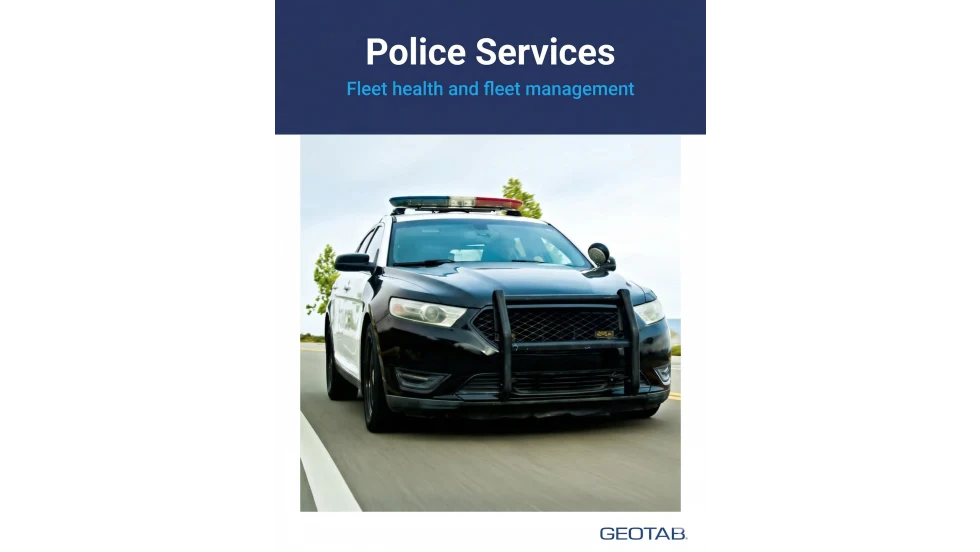
A police agency's guide to data-driven fleet management
Public trust is earned through transparency, and your fleet data can help demonstrate it. This ebook shows how police agencies can use fleet management solutions to strengthen accountability, improve officer safety and responsibly use public funds.
Read More →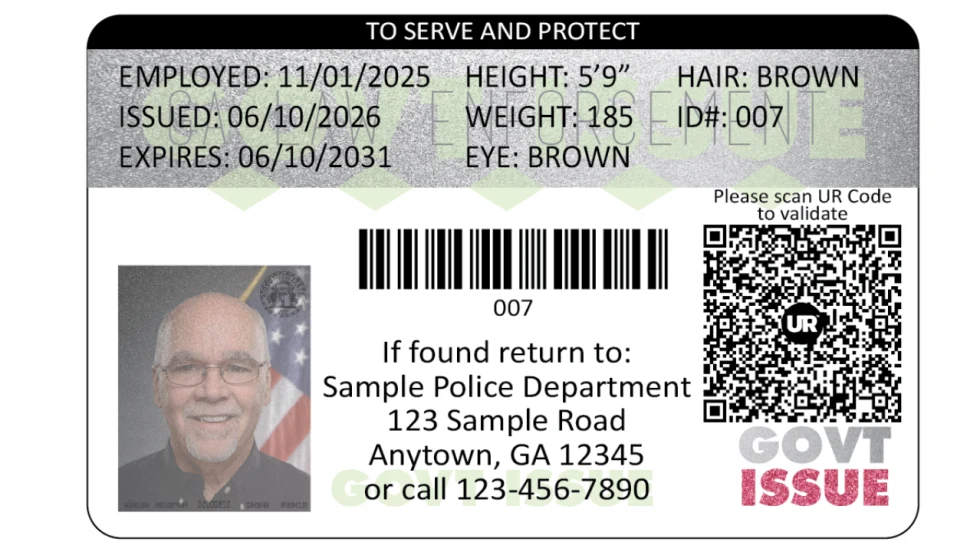
FaceTec and Police & Sheriffs Press Announce Law Enforcement UR Code Partnership
FaceTec has partnered with Police & Sheriffs Press to supply secure ID cards to law enforcement agencies. UR Codes to be added to photo IDs in over 6,000 police and sheriff's departments.
Read More →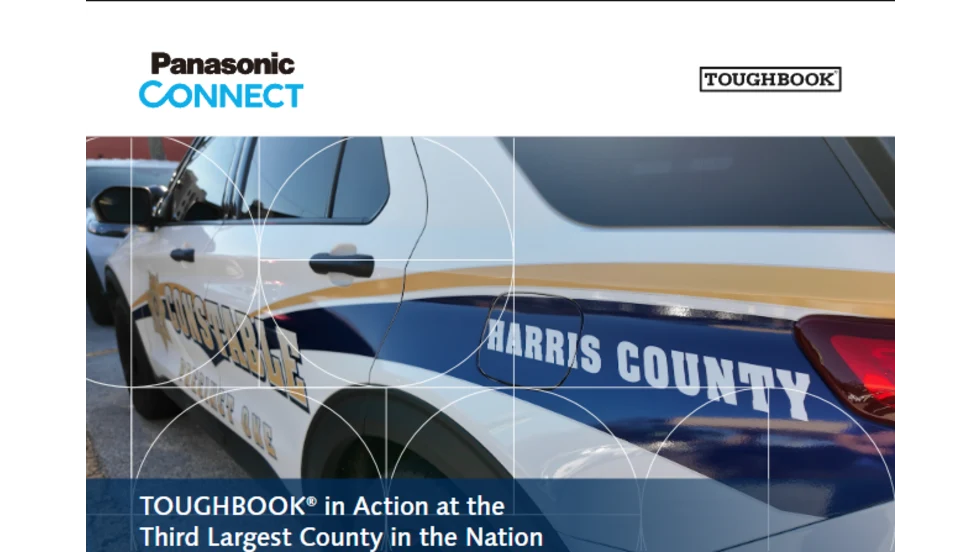
TOUGHBOOK in Action at the Third Largest County in the Nation – Harris County, TX
Learn how Harris County, one of the nation’s largest counties, modernized its law enforcement fleet with TOUGHBOOK® rugged laptops—strengthening security, productivity, and operational readiness across every unit.
Read More →
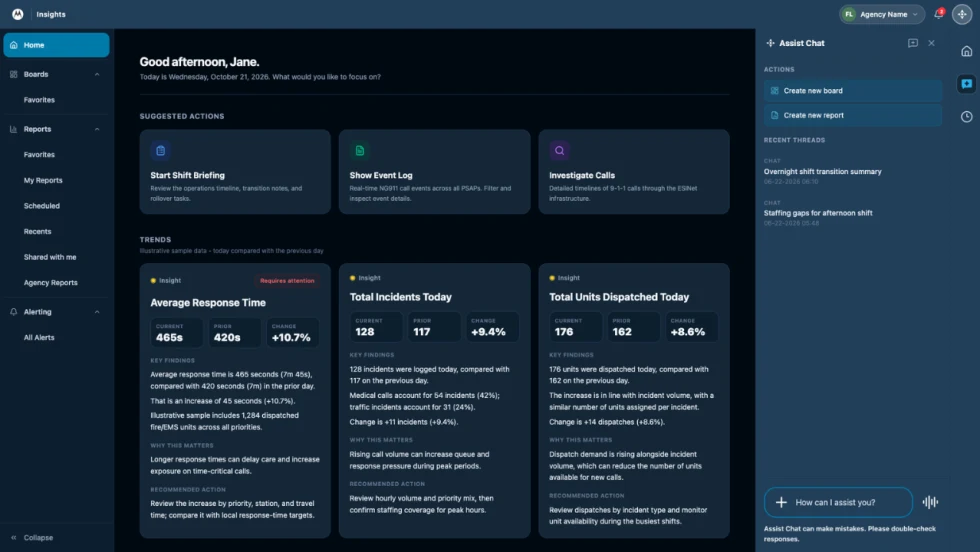
How Motorola Solutions’ New “Insights” Platform Helps Public Safety Agencies Identify Trends to Improve Their Operations
Motorola Solutions has introduced Insights, which leverages Assist, its mission-critical artificial intelligence (AI), to address these challenges and shape what’s next for public safety analytics and reporting technology.
Read More →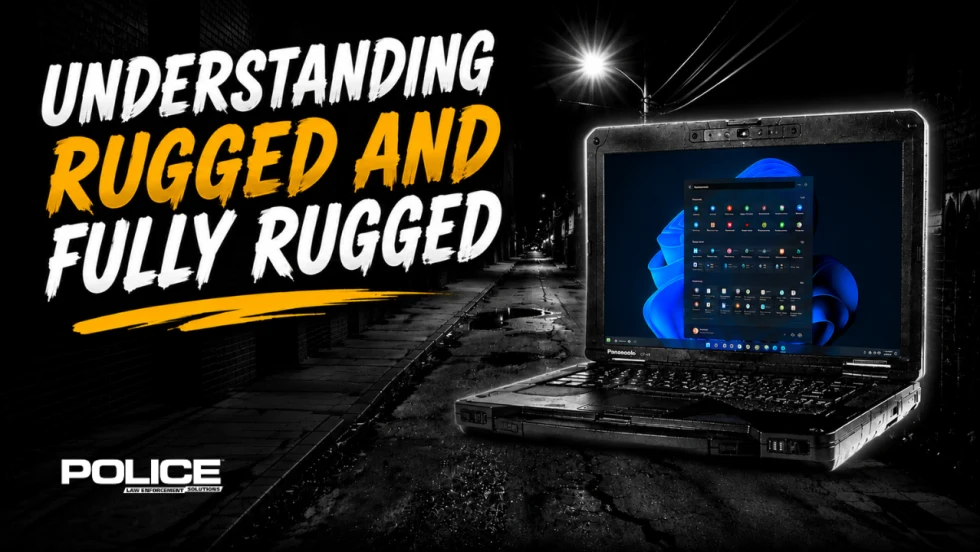
What Qualifies a Laptop as Rugged or Fully Rugged?
Police officers face a wide range of working conditions that can damage or even destroy a regular consumer laptop. Learn what qualifies a computer as rugged or fully rugged and why those devices are vital for law enforcement.
Read More →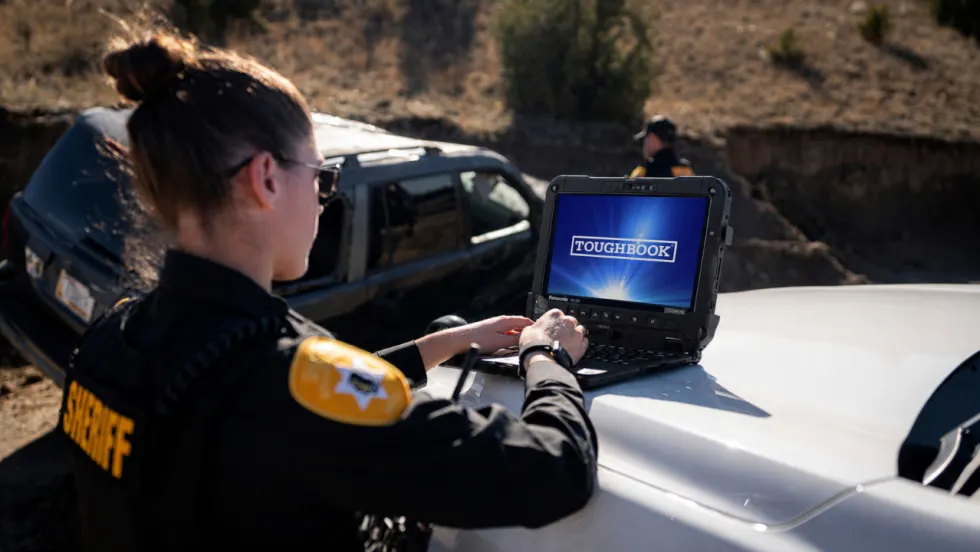
Panasonic Connect Launches the Toughbook 34 and Toughbook G3, Fully Rugged 2-in-1 Mobile Computers
Panasonic Connect has launched the Toughbook 34 and Toughbook G3 to facilitate in-vehicle dispatch, records management, and mobile command operations from any location.
Read More →
AI and analytics for law enforcement: Turning data into insights
Law enforcement agencies are managing more video, sensor data and digital evidence than ever before. Discover how AI and analytics can help turn that data into actionable insights that strengthen situational awareness, accelerate investigations and support more informed decisions.
Read More →
Vasco Electronics Adds Automatic Language Detection to Vasco Translator Q1
Vasco Electronics’ software update introduces hands-free language switching and expanded offline translation across 45 language pairs, empowering law enforcement, healthcare, and front-office enterprise teams
Read More →
North Miami Police Department Deploys Mark43
The North Miami Police Department has deployed Mark43 as part of its Five-Year Strategic Plan that represents its collective vision and goals for a more proactive police department, anchored by a core commitment to leveraging modern technology to enhance efficiency and public safety.
Read More →
Cellebrite Genesis for Enterprise Now Generally Available
Made available to the public sector in June, Cellebrite Genesis is serving a growing mix of national, regional, and local agencies worldwide, including some of the largest regional and metropolitan police departments. It is now available for enterprise organizations.
Read More →