



PDAs on Patrol
Law enforcement software is now available for PDAs that can give you license plate information in 15 seconds while you are standing on the side of the road in the rain. There are even systems that will prioritize what they display first when you run a subject's operator's license so that they will show you that the driver is wanted for assault on a peace officer in another county before they show you his address.

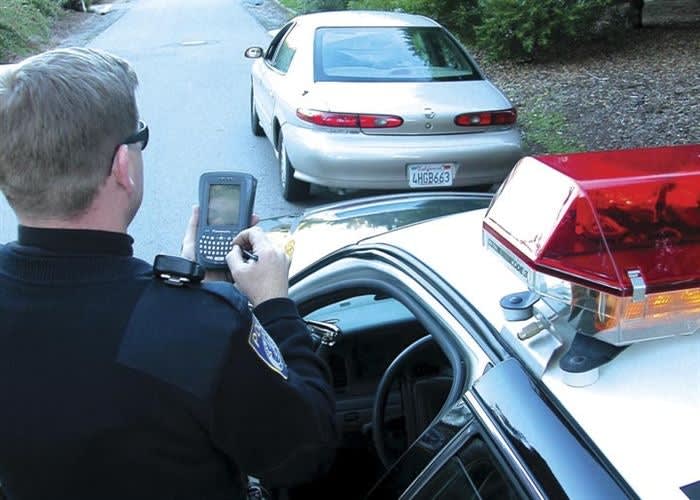
Example of handheld computers in the field. Panasonic PDA at traffic stop.
It seems that every time a new widget comes down the pike, the marketers come up with some way of making it adaptable to law enforcement. And it goes without saying, that each one of these products is sold as an "officer safety issue." Most administrators have seen this approach to selling to law enforcement and most have the brains to resist sales guys hawking such useless junk as the 911 Homeland Defense Bottle Opener.
There's a lot of stuff out there that can eat a department's budget. And even when a gadget ends up being a time-saver and maybe even a life saver, it often starts out as a total bust.
For example, the first computers for police cars were not what you could call "cop friendly." They took more time to get running, configured, and set up than it would have taken to pull out a burglary form from your posse box and scratch out the paperwork with a Bic pen. Of course, since those early monstrosities, the systems have become much more refined and intuitive, and today, most cops can't even imagine going into the field without a computer.
Handheld Computers
You don't even need to be the squad's "inspector gadget" to appreciate the time-savings provided by car and laptop computers. But do you really need one in your hand?
The handheld computer, often called a personal digital assistant (PDA), is the one of the hottest police gadgets. Not that they're really all that new. On my department, we started seeing these gadgets in the field years ago with our very own squad electro-gadget geeks. As soon as the executive ranks in the private sector were seen using them for their schedules and to-do lists, some of our department administrators were whipping them out of their breast pockets and setting them down on the conference table at the start of meetings. The really cool guys even had the stylus that looked like a gold Cross pen.
But I have to admit I never saw the attraction. I always felt that I could handle my schedule just fine with a calendar taped to the door of my locker. And my to-do list? Let's just say that my wife handles that with great aplomb. So, I didn't see any real value in a PDA.
But lately my opinion of handheld computers is changing. It seems as though you can do anything with them these days. And believe me, they actually have a benefit to the work-a-day cop far beyond access to color-coded to-do lists or databases that hold 10 gazillion phone numbers.
Law enforcement software is now available for PDAs that can give you license plate information in 15 seconds while you are standing on the side of the road in the rain. There are even systems that will prioritize what they display first when you run a subject's operator's license so that they will show you that the driver is wanted for assault on a peace officer in another county before they show you his address.
Hardware
The first successful handheld computer, the Palm Pilot, was introduced in 1996, and in the years since, the PDA market has boomed. Most all of the major computer manufacturers have their own versions.
If you're shopping for a handheld computer, the first thing you have to determine is what operating system will best suit your needs. Currently, there are two: Palm OS and Windows CE, and each has distinct advantages and disadvantages. Palm OS is the operating system for Palm, Handspring, and Sony, and it is the only PDA operating system that works on both Windows and Macintosh systems. Windows CE is the operating system for any PDA labeled "PocketPC" and manufactured by a number of companies, including Hewlett-Packard (formerly Compaq), Casio, Itronix, and Panasonic. Both Panasonic and Itronix offer ruggedized PocketPC models for police and military operations.
Once you determine the operating system that you need, your next consideration is hardware features, including memory, processor speed, and monitor size and quality. As with any computer, hardware features will determine the price of the system. For example, a PocketPC with a color monitor and 128 megabytes of RAM will cost considerably more than one with a black-and-white screen and 32 megabytes of RAM.
The best way to choose the features you need is to match them to the applications that you plan to run on the systems. In other words, before you buy think about your present and future needs and the types of software that you expect to purchase and match the systems accordingly.[PAGEBREAK]
Software
Any computer is only as good as what it can do for you, and to do anything, it needs programming. The software applications for handheld computers are what puts you in touch with information you need. If you need to have a master's of science degree in computer systems analysis to get Joe Badguy's date of birth, it just might not be real helpful. Any value to the street cop is realized only with easy-to-use but robust software.
Currently, the two most popular law enforcement software applications for handheld computers are Aether Systems' PocketBlue and TriTech Software's Voyager. Both are solid patrol tools that can enhance public and officer safety and make it easier for you to do your jobs.
Aether's PocketBlue 2.0 is available for both Palm OS and Windows CE handhelds, and it also works on RIM Blackberry wireless e-mail systems. When combined with wireless communications, a handheld running PocketBlue can provide officers with a wealth of valuable information, including access to federal, state, and local law enforcement databases such as NCIC.
One very useful new feature in the latest version of PocketBlue is the ability to share field interviews with other officers over a secure network. Each officer notes the information into a handheld running PocketBlue 2.0, and then sends the data over the wireless network back to a departmental local area network running additional Aether software.
TriTech Software subsidiary Voyager Systems has also put together a suite of applications for law enforcement that can help you do your job a little more safely, quickly, and accurately.
Like PocketBlue, Voyager software can be used on any of the handheld hardware platforms currently available. This leaves the decision as to which hardware to choose up to the individual organization. One year the Palm may be easier for a department to purchase; the next year Hewlett-Packard's iPAQ may be the best solution. If a department decides that the Handspring should be issued to investigators but for durability reasons, it wants the Panasonic Toughbook 01 in the hands of its patrol officers, they can have exactly the same software, same user interface, and same features deployed department wide while using two different operating systems. This saves money when it comes to training costs.
When combined with wireless technology, Voyager lets officers access any number of law enforcement information databases. Wants, warrants, NCIC, motor vehicle information, crime stats, local, state, and federal criminal history, even privately compiled data using the subject's social security number are readily available. The system even prioritizes the information it sends back to the officer according to what is potentially life threatening and what is nice to know.
Voyager and PocketBlue are used here as examples of what can be done with PDAs and good software. There are a number of other very good software providers out there. Templar Corp. is especially adept at finding solutions for cross-agency information sharing. The company is currently involved in a partnership with SPAWAR in building an application that can search databases from any number of varied jurisdictions and display the data in real time to the cop on the street.
There's a lot of great software available for PDAs. But a word of caution, beware of so-called "vaporware," features that software companies plan to add, but are not yet available. If your organization is looking at handheld software and the vendor makes a claim, make that vendor put it in your hand and prove that it works.
For More Information
Aether Systems
www.aethersystems.com
Handspring
www.handspring.com
Hewlett-Packard (iPAQ)
www.hp.com
Itronix
www.itronix.com
Palm
www.palm.com
Panasonic
www.panasonic.com
Sony Corp.
www.sony.com
Templar Corp.
www.templarcorp.com
Voyager Systems
www.tritech.com
Dave Douglas is a sergeant on the San Diego Police Department with 25 years of service.
More Technology

A police agency's guide to data-driven fleet management
Costs are rising and the public expects more transparency into how their tax dollars are spent. This e-book shows how police agencies can use fleet data to take control of fleet expenses while improving officer safety and demonstrating fiscal responsibility to the communities they serve.
Read More →
AI and analytics for law enforcement: Turning data into insights
Law enforcement agencies are managing more video, sensor data and digital evidence than ever before. Discover how AI and analytics can help turn that data into actionable insights that strengthen situational awareness, accelerate investigations and support more informed decisions.
Read More →
Vasco Electronics Adds Automatic Language Detection to Vasco Translator Q1
Vasco Electronics’ software update introduces hands-free language switching and expanded offline translation across 45 language pairs, empowering law enforcement, healthcare, and front-office enterprise teams
Read More →
North Miami Police Department Deploys Mark43
The North Miami Police Department has deployed Mark43 as part of its Five-Year Strategic Plan that represents its collective vision and goals for a more proactive police department, anchored by a core commitment to leveraging modern technology to enhance efficiency and public safety.
Read More →
Cellebrite Genesis for Enterprise Now Generally Available
Made available to the public sector in June, Cellebrite Genesis is serving a growing mix of national, regional, and local agencies worldwide, including some of the largest regional and metropolitan police departments. It is now available for enterprise organizations.
Read More →
2026 Vision FirstNet Users Summit to Host Emerging Leaders Training on Grassroots Advocacy for Public Safety
“Emerging Leaders Training: Understanding the Importance of Grassroots Advocacy for Public Safety," a session during the 2026 Vision FirstNet Users Summit, will offer a roadmap for unified advocacy at the federal level.
Read More →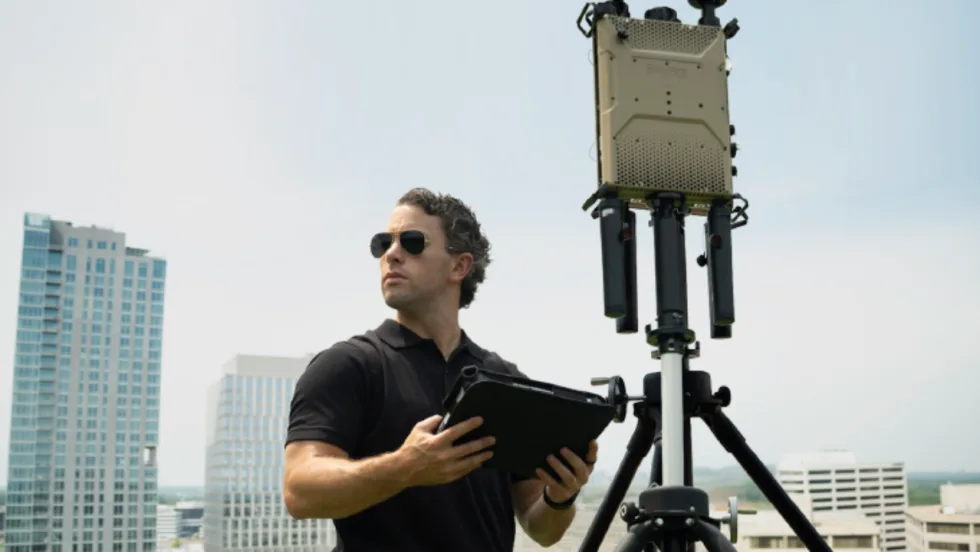
Motorola Solutions Completes Acquisition of D-Fend Solutions
Motorola Solutions has acquired D-Fend Solutions, an industry leader in counter-drone technology. This deal provides public safety and enterprise customers with access to advanced counter-unmanned aerial systems.
Read More →
ZeroEyes, Advantech & Camden Police Partner to Bring AI Gun Detection Technology to Delaware School District
ZeroEyes has partnered with Advantech and the Camden Police Department to deploy ZeroEyes’ AI gun detection and intelligent situational awareness platform at Delaware’s Caesar Rodney School District (CRSD).
Read More →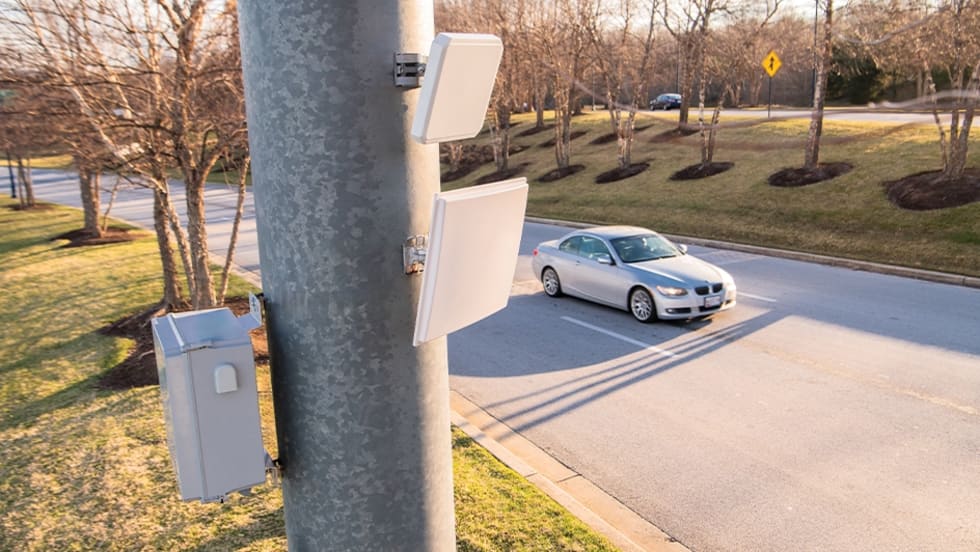
Leonardo U.S. Cyber & Security Solutions Introduces SignalTrace, the Next Evolution in Electronic Signature Detection Technology
SignalTrace reflects years of product refinement and a clearer expression of the technology’s purpose of recognizing and correlating electronic signatures in publicly broadcast wireless signals to reveal patterns, relationships, and trends that might otherwise go undetected.
Read More →
Pimloc Launches Secure File Sharing to Streamline Release of Redacted Video
Pimloc’s Secure File Sharing lets organizations deliver redacted video, audio, and documents through expiring, passcode-protected links, accelerating delivery while reducing security, compliance, and chain-of-custody risks.
Read More →