



Para-Ordnance Carry 9 LDA
The Canadian firm of Para-Ordnance has been a trailblazer when it comes to improving the classic 1911 pistol. One of the company's most radical concepts is the Light Double Action (LDA) trigger mechanism, which can be found on its new Carry 9 LDA.

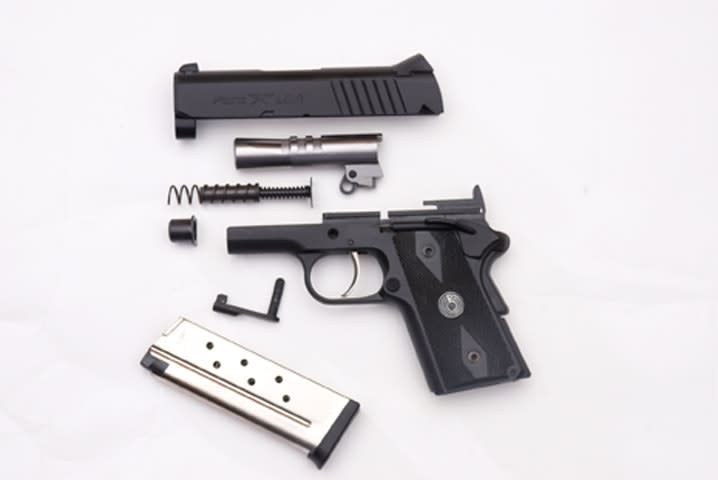
The Canadian firm of Para-Ordnance has been a trailblazer when it comes to improving the classic 1911 pistol. One of the company's most radical concepts is the Light Double Action (LDA) trigger mechanism, which can be found on its new Carry 9 LDA.
Light Double Action
Unlike most other double-action-only pistols on today's market, retracting the slide of an LDA pistol rotates the hammer and a cam, which compresses the mainspring on the hammer strut. The hammer follows the slide as it goes forward until it is stopped by twin locking hooks, engaging the sear. This holds the hammer short of contacting the firing pin until the trigger is pulled through a complete stroke, cocking the hammer and moving the sear out of its engaged position, allowing the hammer to fall.
After firing, a return spring pushes the trigger forward as it is released, and the top end of the trigger moves rearward, moving a drawbar with it. As the drawbar moves rearward, it is released from underneath the firing pin safety plunger lever, and is then pushed upward by a unit called the platform and platform spring, where it reconnects with the hammer and is aligned in position to re-contact and release the sear the next time the trigger is pulled. When the trigger is pulled, it pulls the drawbar forward, cocking the hammer, which in turn contacts and disengages the sear, allowing the hammer to fall and strike the firing pin.
The hammer is not under tension from the mainspring until it is cocked and can pick up the cam. The result is a light, smooth trigger stroke with a single-action-type let off at the end.
LDA pistols have traditional 1911-type controls, including manual and grip safeties. It should be noted that the slide cannot be retracted unless the grip safety is fully depressed. The LDA has found ready acceptance with police officers who wish to carry a 1911 pistol but whose departments' policies do not allow single-action pistols.
Unlike many of my associates in the firearms media, I am an unabashed fan of Georg Luger's cartridge. It is my all-time favorite pistol round, and for good reason. The 9mm Para is accurate, produces light recoil, is inexpensive, and can be chambered in pistols small enough to make excellent concealed carry guns.[PAGEBREAK]
An Officer's Firearm
In November of 2006, Para-Ordnance unveiled its Carry 9 LDA, designed from the ground up for concealed carry by undercover or off-duty officers. The pistol's alloy frame, its light weight, fine balance, flat cross-section, and excellent ergonomics make it a natural for the job. As you may ascertain from its moniker, the new Para is chambered for my all-time favorite pistol cartridge: the 9mm Parabellum.
I'm sure the latter statement will raise some eyebrows among the "bigger bullets are better bullets" crowd, but I make no excuses for my partisanship of this, the world's most popular pistol cartridge. When loaded with jacketed, hollow-point bullets at +P velocities, the on-target performance of modern 9mm Parabellum ammunition comes close enough to equaling the on-target performance of many of its larger caliber cousins—with the added benefits of lighter recoil and higher cartridge capacity.
The Carry 9 features the Power Extractor (PXT), which is under constant spring pressure and provides 50 percent more contact with the cartridge rim for improved, controlled feeding of cartridges from the magazine, positive extraction, and ejection of spent cases.
Other custom features include a bushingless barrel and dual spring recoil guide rod for consistent lockup and improved accuracy. A finger rest extension on the magazine baseplate permits a full, three-finger grip, while the Para Carry Option bobbed tang and hammer means a snag-free exterior and smooth presentations from concealment. As do most pistols today, the Carry 9 uses the three-dot sighting system with deep serrations on the rear to cut down on glare.
Range Time
My friend Butch Simpson helped me run the Carry 9 through its paces. For our offhand drills, Gould & Goodrich kindly supplied one of the company's Yaqui Belt Slide holsters and a mag pouch.
As is my standard practice with compact pistols, accuracy testing consisted of firing a series of five-shot groups with each brand of ammo from a rest at the intermediate distance of 12 yards. The little Para proved a very consistent shooter, with all of our groups hovering around the two-inch mark.
Offhand, rapid fire drills at seven yards showed that, despite its diminutive size and attenuated grip, the little Para handled as well as a full-sized pistol, putting every round we fired into the target's A zones. This performance only goes to reinforce my belief that those who believe you can only get real accuracy from a pistol if it is fitted with a single-action trigger are full of…Well, they probably haven't fired an LDA yet.
The only criticism I can voice is that the pistol does not come standard with ambidextrous safety levers. These would be a big plus—and selling point—for the southpaws in any department and would not compromise concealability at all. Aside from that, if you want to carry a mini-1911 on or off duty, but your agency will not permit single-action pistols, the Carry 9 LDA might be just what you're looking for.
More Weapons
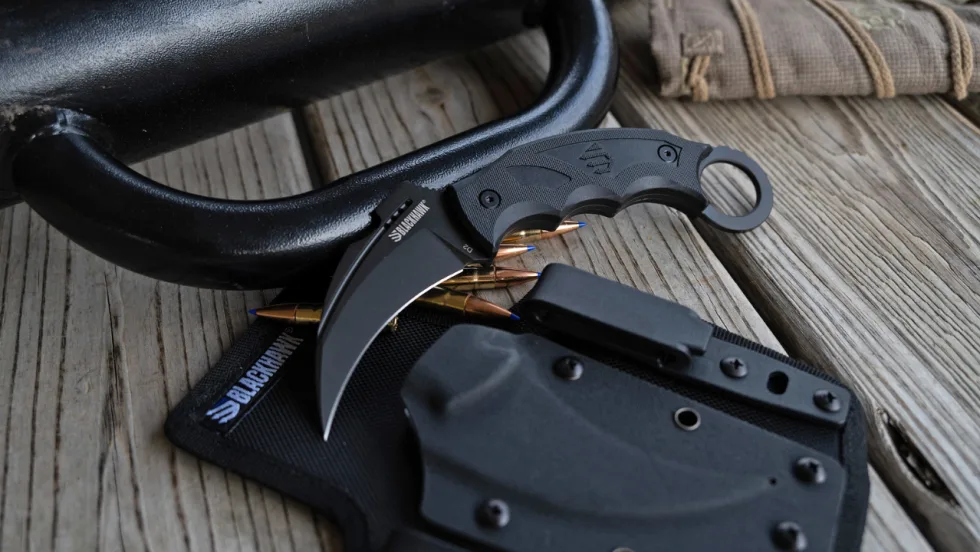
Blackhawk Introduces the Garra Fixed Karambit
The Blackhawk Garra Fixed Karambit is made from D2 steel and features a curved profile that enhances slicing efficiency, plus the full-tang construction ensures strength and durability from tip to handle.
Read More →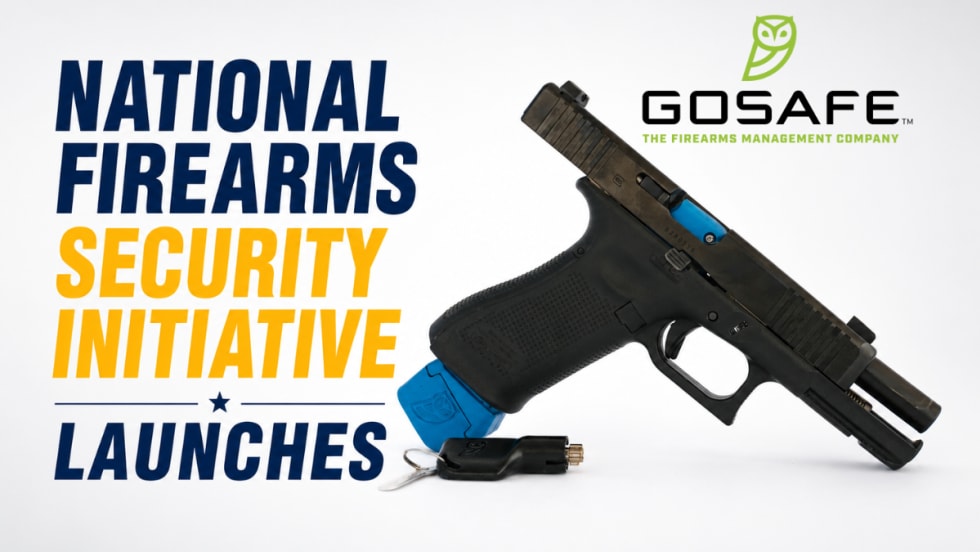
GOSAFE Technology Announces Public Safety Initiative Focused on Firearm Security and Risk Reduction
GOSAFE Technology’s new initiative provides support for agency-level solutions around secure firearm storage, vehicle-storage risks, off-duty firearm security, firearm accountability, and the public safety consequences that may result when firearms are stolen, lost, improperly secured, or diverted from lawful possession.
Read More →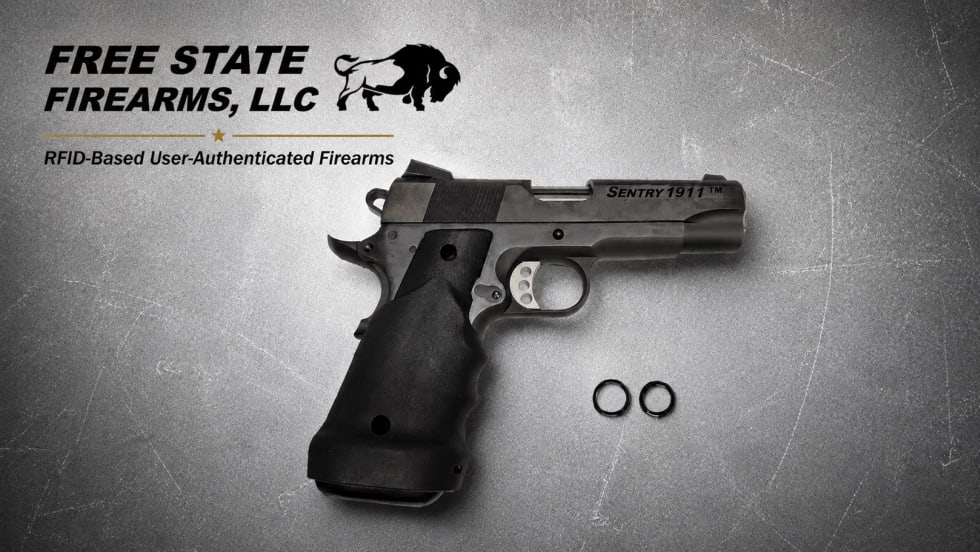
Texas Sheriff’s Office Deploys RFID-Based User-Authenticated Firearm for Prisoner Transport Operations
A sheriff’s office in Texas is now using RFID-based user-authenticated firearms, from Free State Firearms, for prisoner transfer and transport operations.
Read More →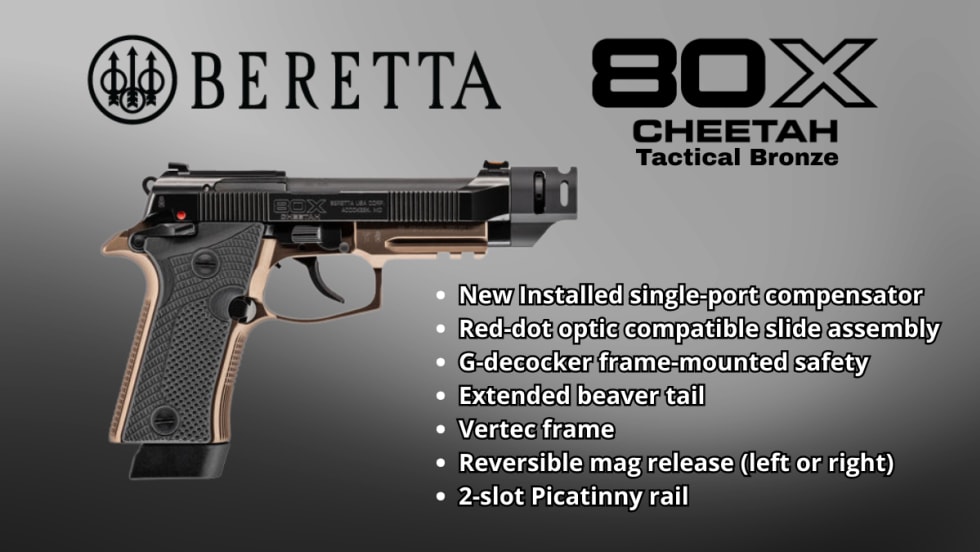
Beretta Introduces the 80X Cheetah Tactical Bronze
Beretta has launched the 80X Cheetah Tactical Bronze, which features a fiber-optic front sight, a serrated rear sight, and a Picatinny rail for accessory mounting, and ships with three 15-round extended magazines.
Read More →
Wrap Raises $5 Million to Restart Domestic Manufacturing & Advance R&D
With new funding, Wrap Technologies will restart domestic manufacturing, advance validated R&D programs into commercialization, and responsibly accelerate early growth initiatives aligned with rising demand for non-lethal response capabilities.
Read More →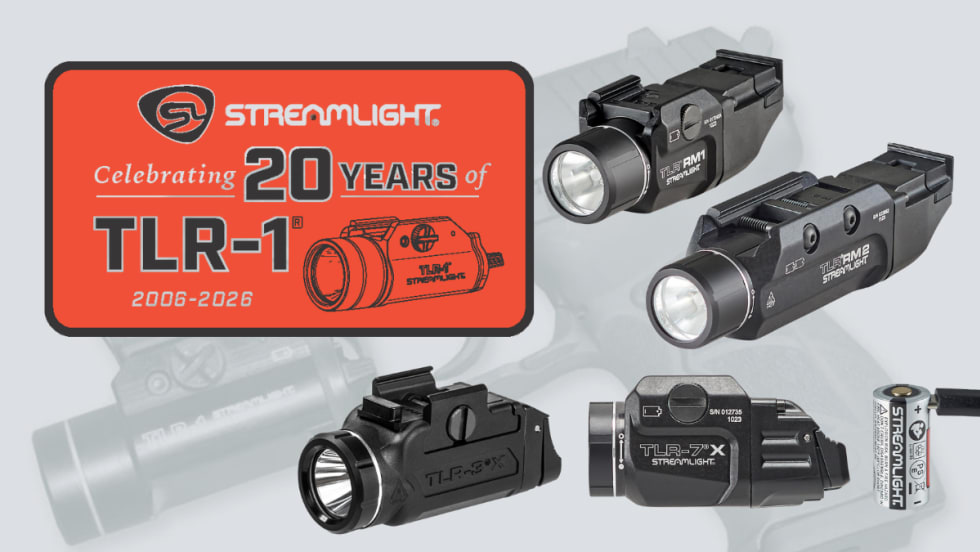
Streamlight Celebrates the 20-Year Anniversary of the TLR Series
This year, Streamlight marks two decades of weapon-mounted lighting innovation with the 20th anniversary of the TLR-1.
Read More →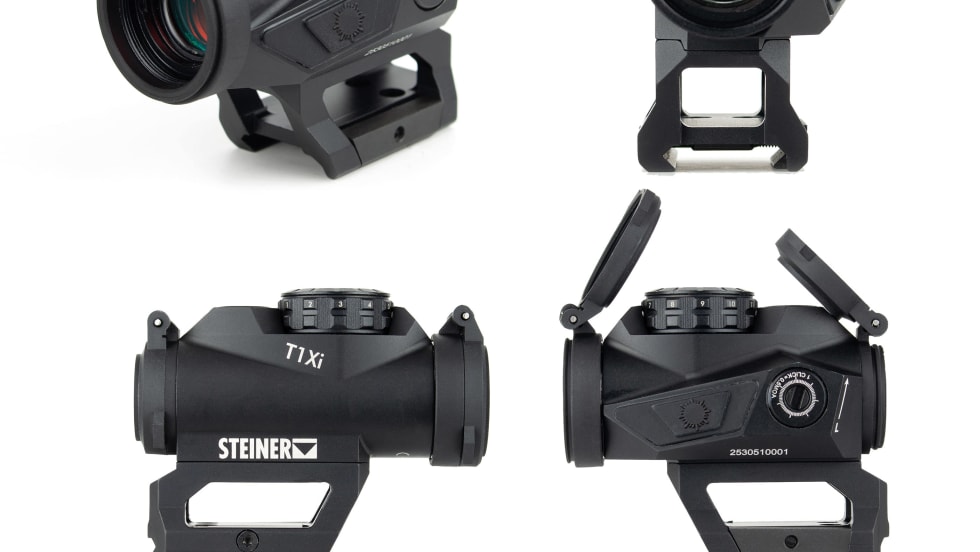
Steiner’s T1Xi Selected as Top Performer in Texas DPS Optic Evaluation
Steiner Optics’ T1Xi was selected as the top-performing red dot in the recent Texas Department of Public Safety optic evaluation.
Read More →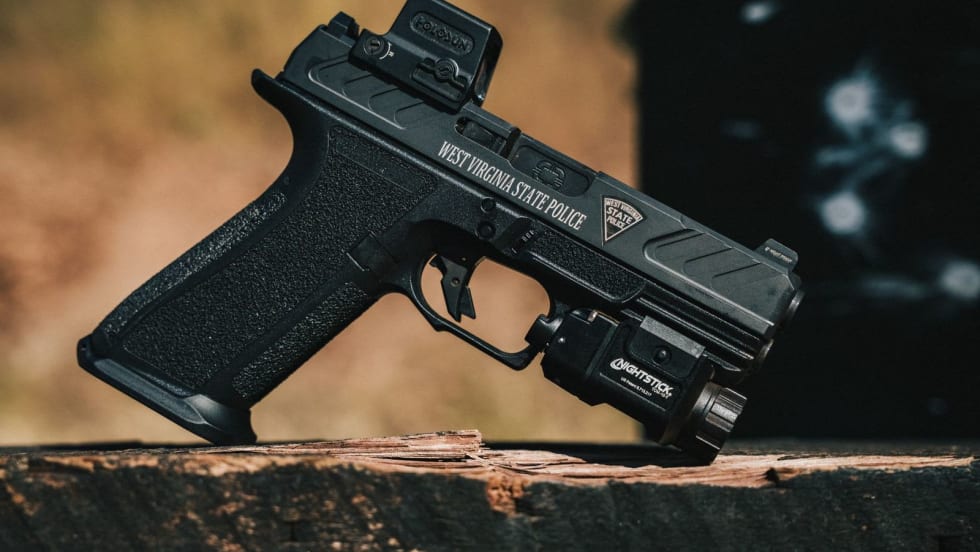
Shadow Systems Selected as Exclusive Pistol Provider for West Virginia State Police
Shadow Systems will provide 700 XR920 crossover pistols for West Virginia State Police troopers and 80 CR920X high-capacity subcompact pistols for the Bureau of Criminal Investigation.
Read More →
Aimpoint Celebrates 50 Years of Innovation and Excellence in Sighting Technology
Aimpoint is marking its 50th anniversary in 2025, celebrating five decades of red dot innovation trusted by military, law enforcement, and tactical professionals worldwide.
Read More →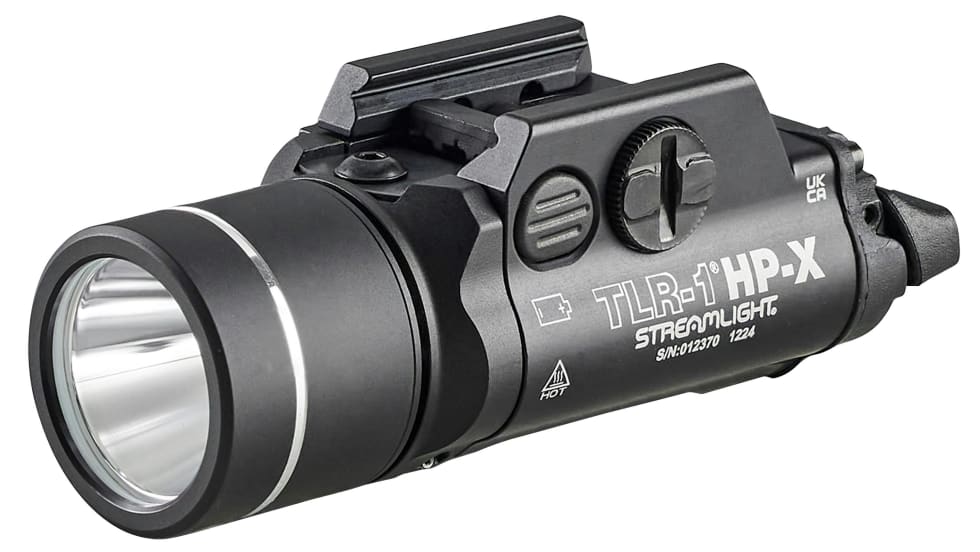
Streamlight Introduces Long-Range Handgun Light
“Our newest weapon light provides an industry-leading level of candela for handguns, giving users enhanced visibility under low light conditions, such as when searching a dark alley,” said Streamlight President Michael F. Dineen.
Read More →