



Officers Talk Freely About Body Cameras
The primary reason officers like wearing body cams is for protection from lies about their character and their behavior. That's invaluable.


Editor David Griffith (Photo: Kelly Bracken)
In the September issue of POLICE, you can read a report on our exclusive survey covering how officers feel about body cameras. In that survey we asked officers if they like body cameras. The result is basically that you love them; some 88% of respondents to the survey say they want to wear body cams on duty.
The primary reason officers like wearing body cams is for protection from lies about their character and their behavior. That's invaluable.
However, as with any technology, you take the good and you take the bad. So in our survey we asked you both what you like and what you don't like about body cams.
There are things you can't say to your administrators that you can say in an anonymous survey. These things need to be heard by your agencies and the public. And they really need to be heard by the media, which condemns you if you don't somehow manage to turn on your body cam before a gun battle. So in this editorial, I am letting the respondents to our survey speak about their body camera concerns.
Probably the most common comment from the survey respondents when asked what they don't like about body cameras is that the footage from the cameras opens them up to even more second-guessing than in the past. One respondent wrote: "I don't like the Monday morning quarterbacking by the media and the public who are not trained and are uninformed about the law and the profession."
Another big concern officers expressed about body cameras and the images they capture is the quality of the images vs. public expectation. Officers say it's important to remind people that the camera doesn't see everything the human eye can see at the scene. Video quality is also affected by the movement of the officer; and the camera can be knocked off of the officer's body, turned away from the action, or blocked by the officer's hands when a gun is drawn. One officer said: "People need to know the video from our cameras is not going to look like a movie or TV show. They use multiple cameras and staged scenes."
Respondents also told us it's difficult to remember to turn the body cam on when policy requires. One respondent wrote: "My biggest issue with the camera is forgetting to turn it on. After all the years of working without one, I still struggle to remember to start it." One response that should concern every agency using cameras is that more than one officer said it can be distracting to worry about whether the camera is operating during situations where officers should be focused on potential threats.
A few respondents were also upset that if they do happen to forget to turn on the camera, then their account of what happened is cast in doubt.
Having their word doubted if not accompanied by an evidentiary video was a sore point for some respondents. One wrote: "I despise the fact that I have worked six years without a body camera and now my agency and community do not trust me. I find that to be a slap in the face." Another asked why not require other professions to wear body cameras on the job. "Why doesn't my doctor have to wear a body cam? My dentist? The politicians? It's demeaning."
Many politicians who are advocates for police body camera usage to "watch the watchmen" slam officers for poor community relations. But officers say the cameras actually have unintended consequences on community policing. Multiple respondents said they have lost the discretion to let people go on minor infractions because doing so would violate policy and they know the video will be watched by commanders. One small town officer wrote: "The cameras took away our small town ways of doing things."
What all this reveals is there are some positive and some not so positive consequences to the implementation of body cameras in an agency and administrators need to be aware of them. Do these comments from respondents to our survey negate all the benefits of cameras? No. But cameras are changing police operations and police culture and all law enforcement officers must learn to cope with that change.
More Technology
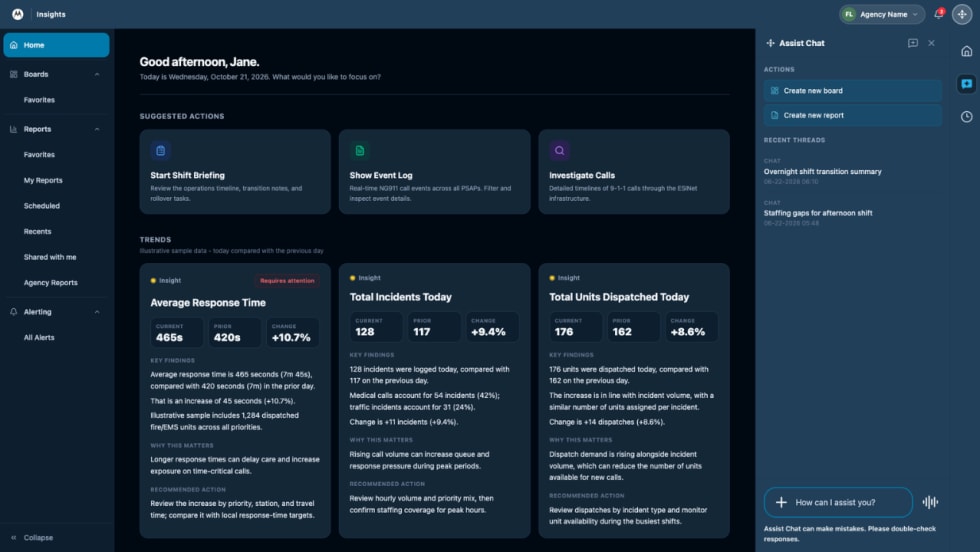
How Motorola Solutions’ New “Insights” Platform Helps Public Safety Agencies Identify Trends to Improve Their Operations
Motorola Solutions has introduced Insights, which leverages Assist, its mission-critical artificial intelligence (AI), to address these challenges and shape what’s next for public safety analytics and reporting technology.
Read More →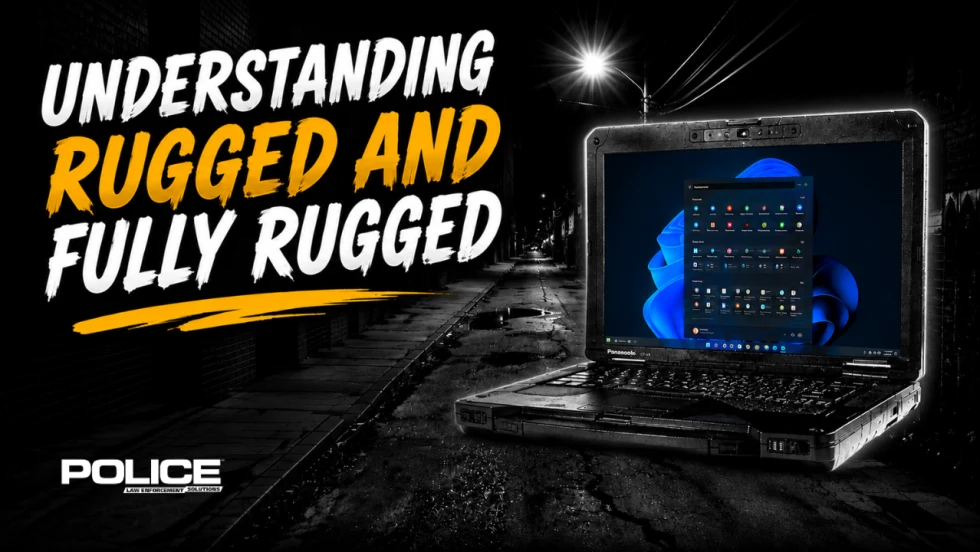
What Qualifies a Laptop as Rugged or Fully Rugged?
Police officers face a wide range of working conditions that can damage or even destroy a regular consumer laptop. Learn what qualifies a computer as rugged or fully rugged and why those devices are vital for law enforcement.
Read More →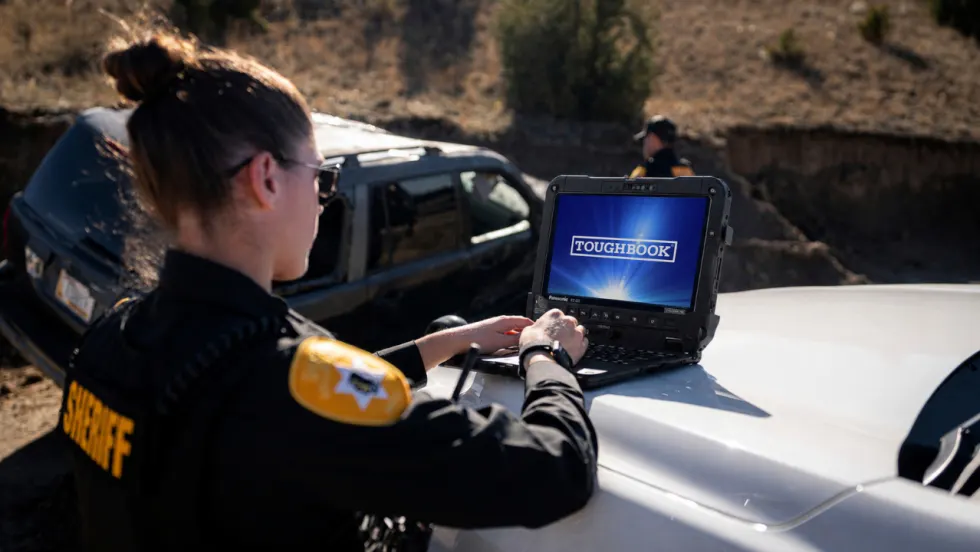
Panasonic Connect Launches the Toughbook 34 and Toughbook G3, Fully Rugged 2-in-1 Mobile Computers
Panasonic Connect has launched the Toughbook 34 and Toughbook G3 to facilitate in-vehicle dispatch, records management, and mobile command operations from any location.
Read More →
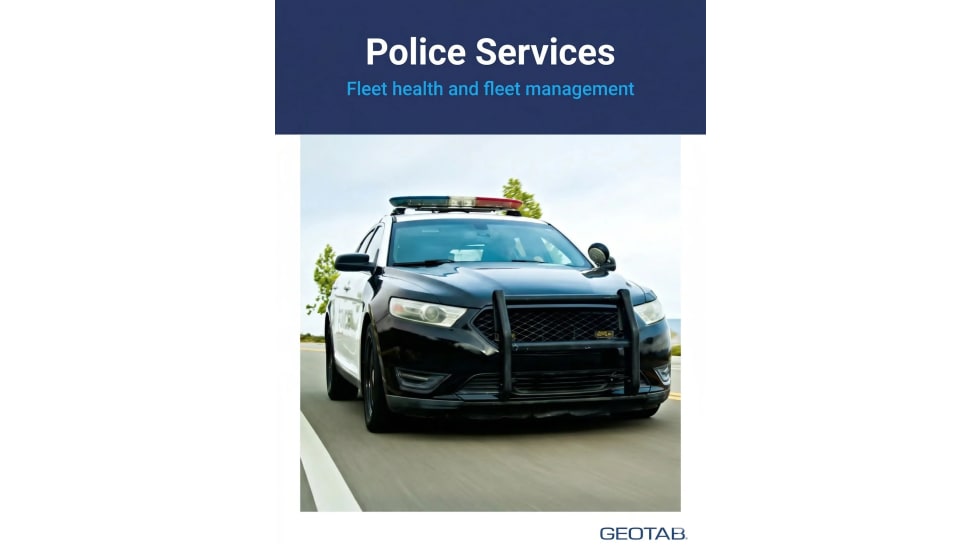
A police agency's guide to data-driven fleet management
Costs are rising and the public expects more transparency into how their tax dollars are spent. This e-book shows how police agencies can use fleet data to take control of fleet expenses while improving officer safety and demonstrating fiscal responsibility to the communities they serve.
Read More →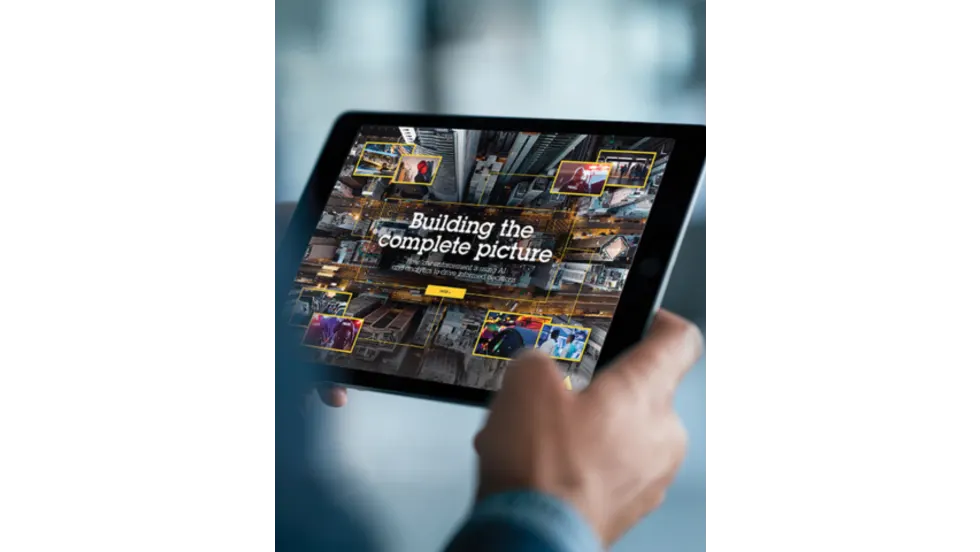
AI and analytics for law enforcement: Turning data into insights
Law enforcement agencies are managing more video, sensor data and digital evidence than ever before. Discover how AI and analytics can help turn that data into actionable insights that strengthen situational awareness, accelerate investigations and support more informed decisions.
Read More →
Vasco Electronics Adds Automatic Language Detection to Vasco Translator Q1
Vasco Electronics’ software update introduces hands-free language switching and expanded offline translation across 45 language pairs, empowering law enforcement, healthcare, and front-office enterprise teams
Read More →
North Miami Police Department Deploys Mark43
The North Miami Police Department has deployed Mark43 as part of its Five-Year Strategic Plan that represents its collective vision and goals for a more proactive police department, anchored by a core commitment to leveraging modern technology to enhance efficiency and public safety.
Read More →
Cellebrite Genesis for Enterprise Now Generally Available
Made available to the public sector in June, Cellebrite Genesis is serving a growing mix of national, regional, and local agencies worldwide, including some of the largest regional and metropolitan police departments. It is now available for enterprise organizations.
Read More →
2026 Vision FirstNet Users Summit to Host Emerging Leaders Training on Grassroots Advocacy for Public Safety
“Emerging Leaders Training: Understanding the Importance of Grassroots Advocacy for Public Safety," a session during the 2026 Vision FirstNet Users Summit, will offer a roadmap for unified advocacy at the federal level.
Read More →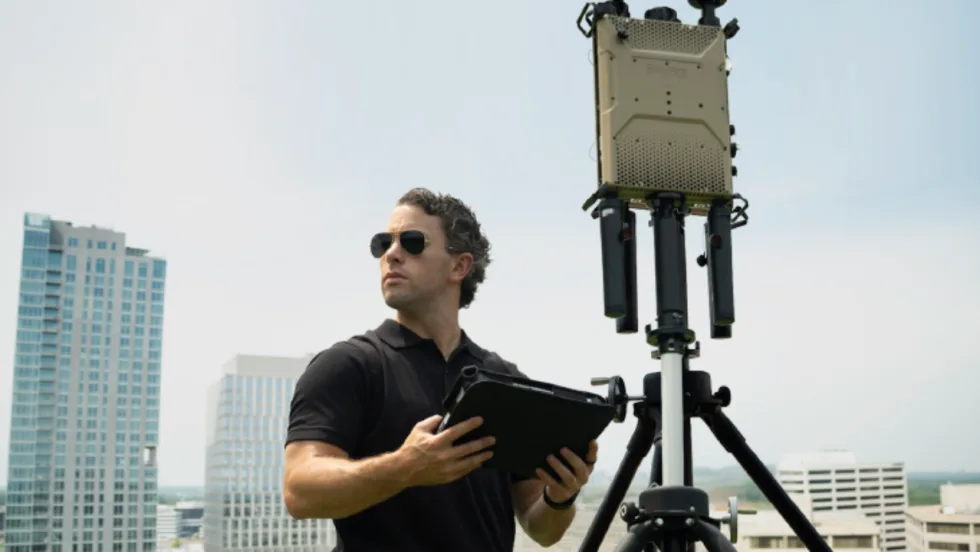
Motorola Solutions Completes Acquisition of D-Fend Solutions
Motorola Solutions has acquired D-Fend Solutions, an industry leader in counter-drone technology. This deal provides public safety and enterprise customers with access to advanced counter-unmanned aerial systems.
Read More →