



Looking Back: Less-Lethal, Qualification Courses, and Earthquakes
In past March issues, POLICE has covered less-lethal solutions, firearms training, and response to the 1989 San Francisco Bay Area earthquake. Here's a look at the pages of POLICE 10, 20, and 30 years ago.

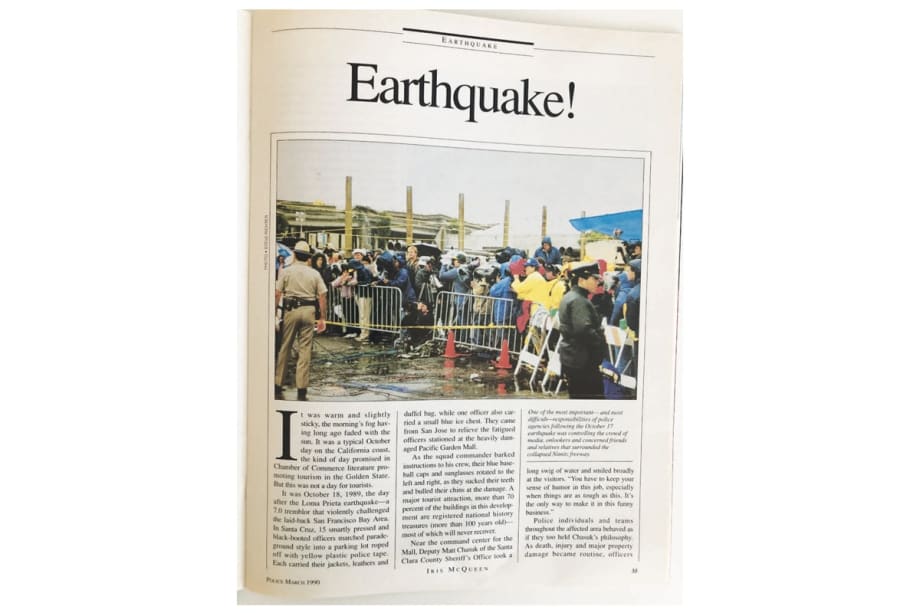
When it was all said and done, some agencies' plans for response to the earthquake had worked better than others.
Image: scan of pages from POLICE
In past March issues, POLICE has covered less-lethal solutions, firearms training, and response to the 1989 San Francisco Bay Area earthquake. Here's a look at the pages of POLICE 10, 20, and 30 years ago.
2010: Not Going for the Kill

Less-lethal weapons serve many useful functions.
Image: scan of pages from POLICE
While the first SWAT teams were pretty much limited to the use of lethal force in their operations, by 2010 many less-lethal options were also available "with different ranges and capabilities, and therefore different applications." All of these options can be used to complement each other.
Less-lethal weapons serve many useful functions. Flash-bangs serve as distraction devices during breaching, and less-lethal long-range deployment can serve as a stop-gap measure, said Brian Muller, then of the Los Angeles Sheriff's Department: "Distance gives us time and time gives us options."
But the public tends to want to believe that every situation can be resolved without lethal force. As a lieutenant with the Calvert County (MD) Sheriff's Office said, "We're there to save lives. But we have to guard against [the idea that there's] a 100% fix-all, save-all less-lethal option that's going to take care of every situation. It's just not there."
2000: Make Qualification Courses Work for You
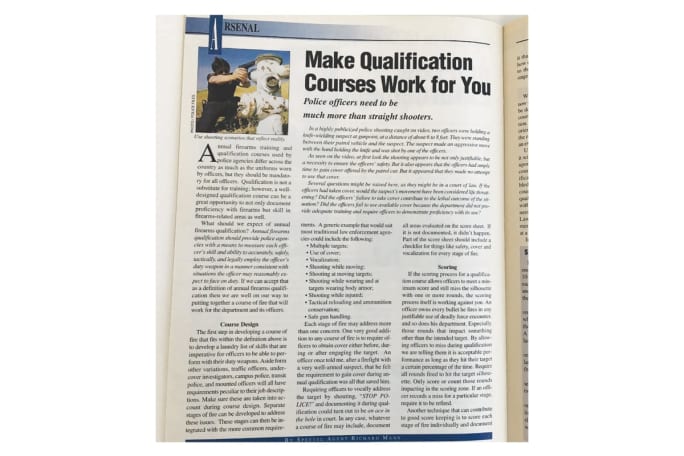
Make qualifications courses work for you.
Image: scan of pages from POLICE
This article opens with the statement that "Police officers need to be much more than straight shooters." It's not news that just because you can shoot a stationary target from the 25-yard line doesn't mean you'll be prepared for an incident in the real world on duty. The point of the article is that annual shooting qualification courses should also take this into account by incorporating more reality-based shooting scenarios.
"Qualification is not a substitute for training; however, a well-designed qualification course can be a great opportunity to not only document proficiency with firearms but skill in firearms-related areas as well," the author says.
Practicing shooting from cover during training is a prime example. These days it's almost hard to believe it wasn't always expected to be a part of qualification training, considering the importance of such a skill on duty. Other examples include shooting while moving and tactical reloading.
Make sure to also take into account requirements specific to certain details, such as traffic, undercover investigations, and mounted units. Separate stages of fire can be developed to address these issues and then integrated with the more common requirements. Those requirements should incorporate as many real-world skills as possible to make sure officers are prepared for whatever they might encounter on the job.
1990: Earthquake!
On Oct. 18, 1989, a 7.0 temblor hit the San Francisco Bay Area. POLICE reported on how different agencies responded, and what they encountered.
One California Highway Patrol lieutenant urged other officers to take the time beforehand to ensure their families have emergency supplies like flashlights and bottled water and a plan to follow should a natural disaster strike. That way they can rest easy knowing their family is safe and taken care of while they're on duty for an extended period of time responding to the disaster. He said, "It's so simple to do in advance—impossible to do once the disaster has happened."
One resident insisted on entering a crumbling building to retrieve clothing and valuables. An officer had an interesting response.
"He answered, 'I can't stop you from entering your home, even though it is clearly unsafe. But if you will wait just a minute, I will take a picture of your shoes.'
"'My shoes?' asked the citizen.
"'Sure. How else are we going to be able to identify you after the house falls on you?'"
When it was all said and done, some agencies' plans had worked better than others, the article details:
"Some agencies are candid and say that they 'blew it.' Others are pleased that their previously untested disaster preparedness plans actually worked. Others are simply pleased that the 'cracks' through which their plans fell were not more numerous."
More Patrol
The First Responders Children’s Foundation National First Responders Day Roll Call of Heroes Ceremony Returns to Times Square, NYC
First Responders Children’s Foundation (FRCF), in collaboration with T-Mobile, will host the Roll Call of Heroes ceremony in Times Square to commemorate National First Responders Day on Wednesday, Oct. 28. During the event, FRCF will present 18 Hero Awards.
Read More →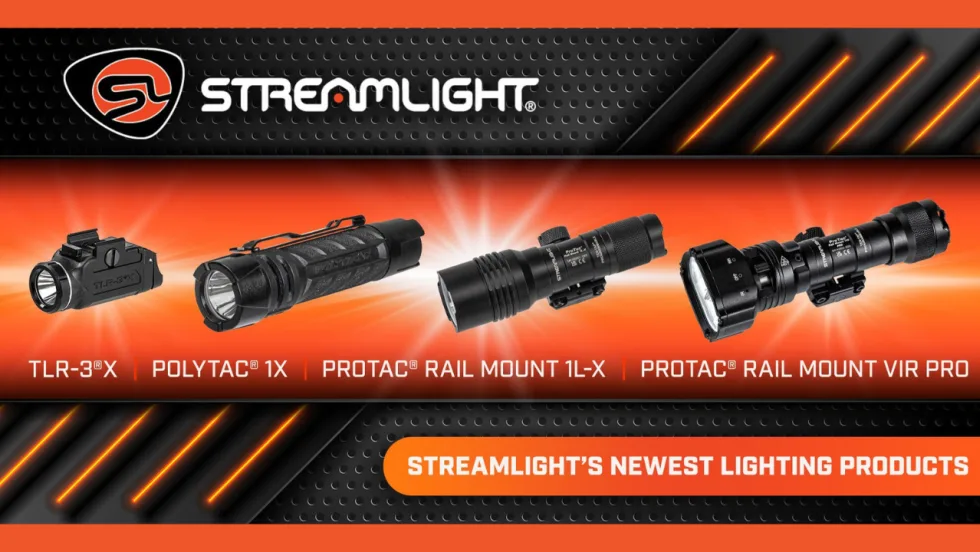
Streamlight to Showcase Newest Lighting Products for Law Enforcement Professionals at IACP 2026
Streamlight will showcase its newest lights for law enforcement at the International Association of Chiefs of Police Annual Conference & Expo. Featured lights will include the TLR-3 X, the PolyTac 1X, and more.
Read More →
Streamlight Portable Scene Light III Wins 2026 OH&S New Product of the Year Award
Streamlight’s Portable Scene Light III has won the 2026 Occupational Health & Safety (OH&S) New Product of the Year Award in the Lighting category.
Read More →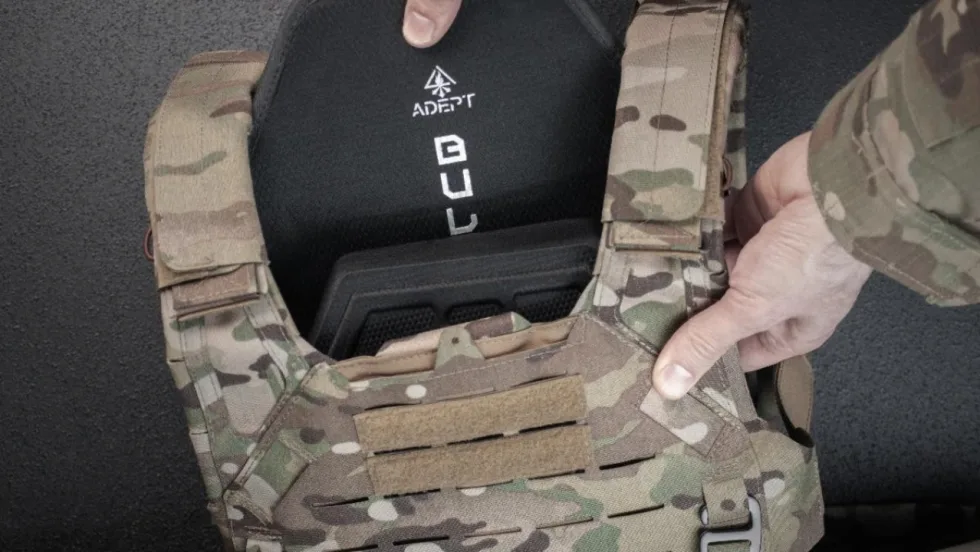
Adept Armor Introduces Two New Rifle Plates
Adept Armor has launched two new Level IV ballistic plates, the Emperor and the Archon Mark 2, which brings Adept Armor’s new Quatroid ceramic to the high-threat, performance-value center of the range at 5.2 pounds.
Read More →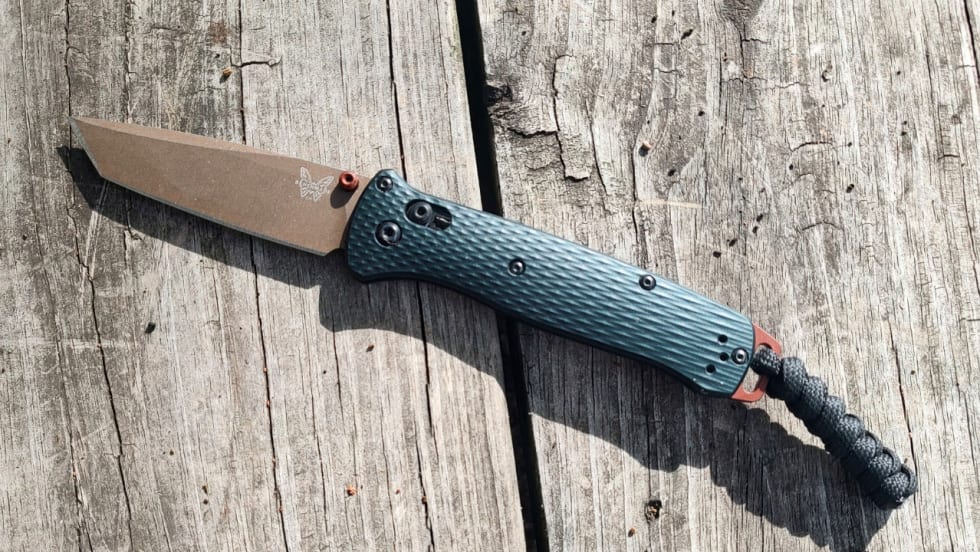
POLICE Product Test: Benchmade Bailout
The Benchmade Bailout is a slim, lightweight carry knife with a deep-ride pocket clip and comes in a variety of blade steels and scales. Here is a detailed review of the Taiga Green Bailout, released earlier this year.
Read More →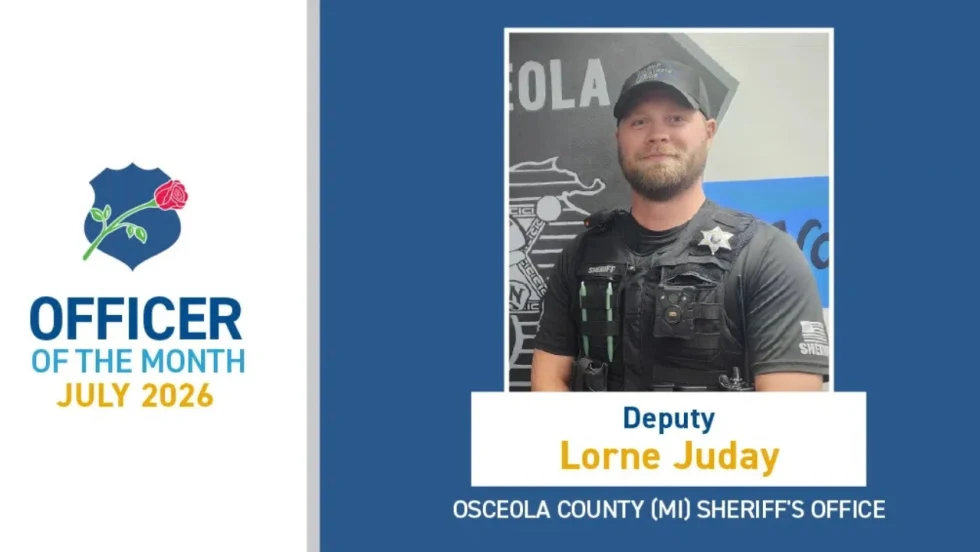
NLEOMF Announces July 2026 Officer of the Month
NLEOMF honored a Michigan deputy sheriff as the July 2026 Officer of the Month for rescuing a trapped driver from a burning vehicle following a Fourth of July crash.
Read More →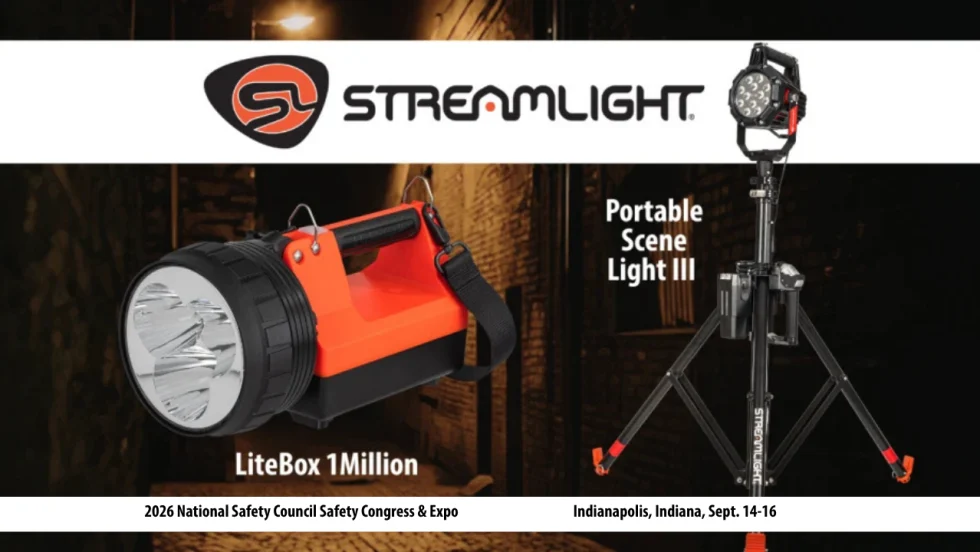
Streamlight to Showcase Newest Lighting Products at National Safety Council’s Safety Congress & Expo 2026
Streamlight will showcase its latest lights, including the Portable Scene Light III and the LiteBox 1Million, at the 2026 National Safety Council (NSC) Safety Congress & Expo.
Read More →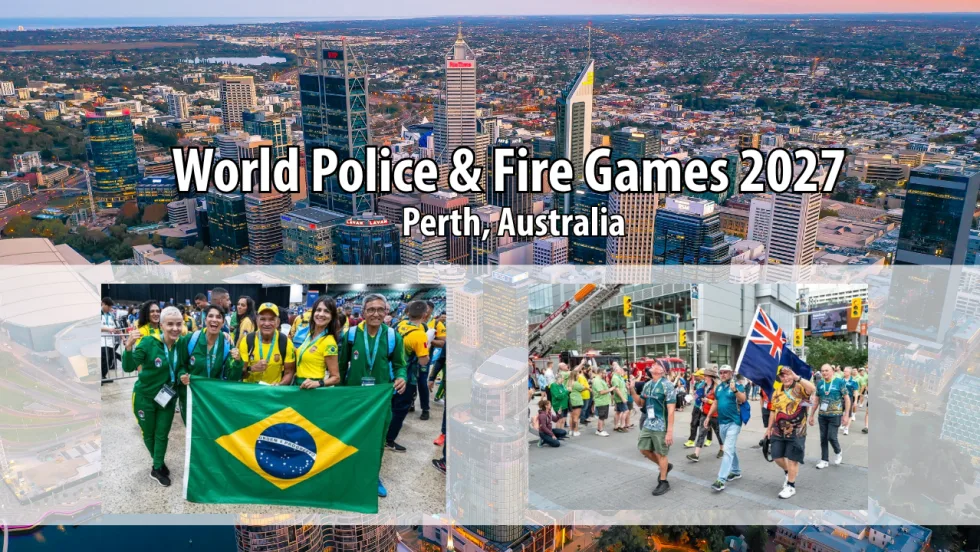
The 2027 World Police & Fire Games Set for Perth, Australia
The 2027 World Police & Fire Games (WPFG) will take place in Perth, Western Australia, from Friday, March 12 through Sunday, March 21, 2027.
Read More →
5.11 Partners with National Fallen Firefighters Foundation to Support #ForThe343
5.11 has joined the nationwide movement honoring the 343 New York City Fire Department firefighters lost on Sept. 11, 2001.
Read More →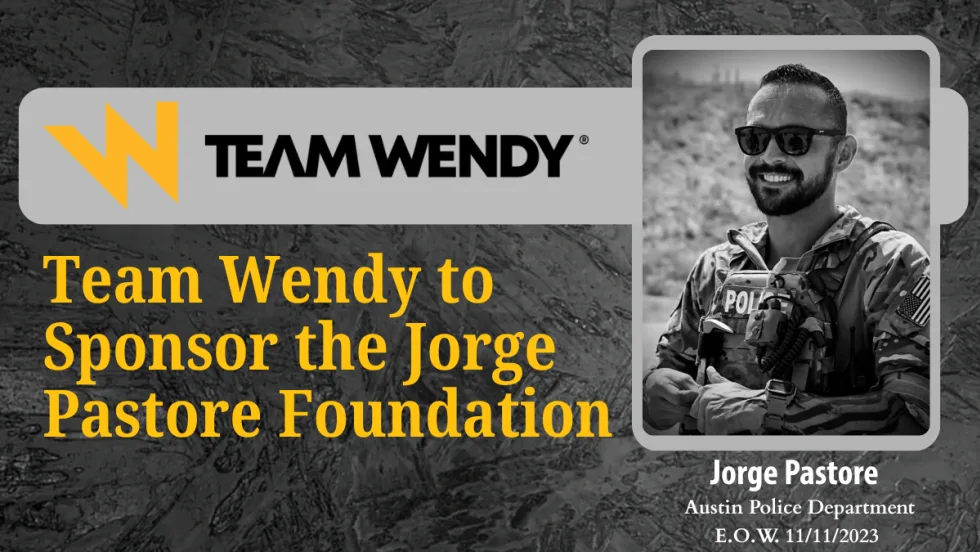
Team Wendy Announces Title Sponsorship of the Jorge Pastore Foundation
Team Wendy’s 3-year partnership with the Jorge Pastore Foundation expands access to programs that strengthen those who serve.
Read More →