
Police Magazine

 MENU
MENU SEARCHMENUSEARCH
Loading data...

The 2027 World Police & Fire Games (WPFG) will take place in Perth, Western Australia, from Friday, March 12 through Sunday, March 21, 2027.
Read More →




Vector Solutions’ new catalog of 35 expert-developed online courses can help emergency communication centers strengthen training, meet certification requirements, and simplify continuing education.
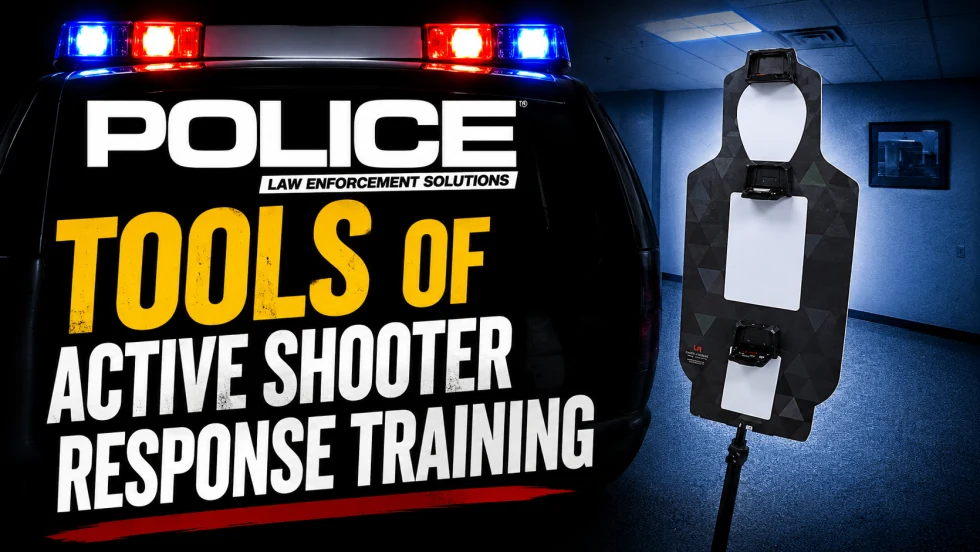
Read More →What technologies help prepare officers for active shooter response situations? This behind-the-scenes look at law enforcement training explores shot simulators, smart firearms, laser target systems, and the tools used to build safer, more effective training environments.
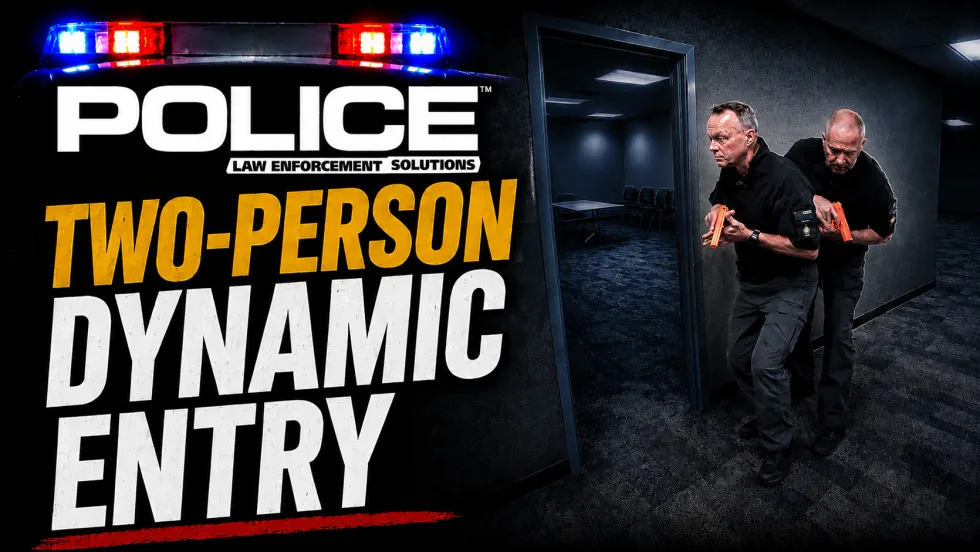
Read More →Entering a room during active-threat situations requires communication, coordination, and disciplined tactical movement. In this video, trainers from the United States Deputy Sheriff’s Association demonstrate critical room entry concepts, including fatal funnel awareness, team coordination, and safe tactical movement.
Read More →In this video, Mike Willis, law enforcement national training and program director for the United States Deputy Sheriffs’ Association, demonstrates the high compressed ready position and discusses muzzle control during room entry.
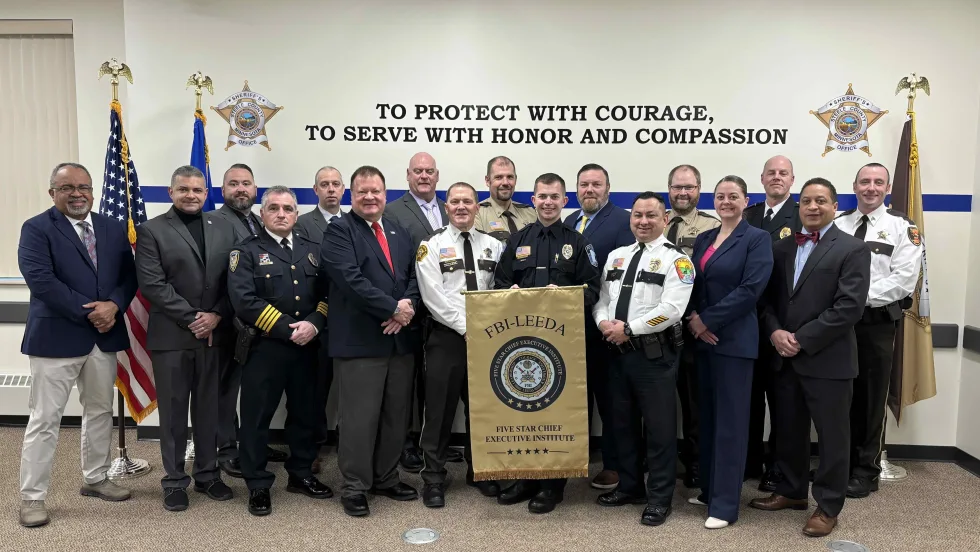
Read More →FBI-LEEDA’s recently-launched Five Star Chief Executive Institute is a two-week executive program that equips senior law enforcement leaders with strategic skills for modern policing.
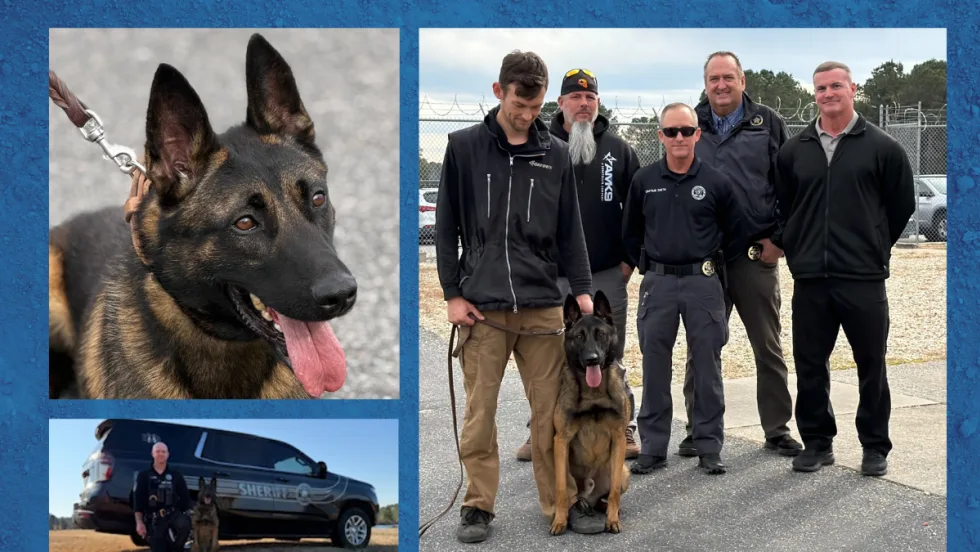
Read More →AMK9 will donate a fully trained K9 officer to the Currituck County Sheriff’s Office K9 Unit. DAX, a 20-month-old Belgian Malinois, joined his new handler and has begun training at the Constellis Training Center.
Read More →How can officers better “watch the hands”? Mike Willis, Law Enforcement National Training and Program Director for the US Deputy Sheriff's Association, shares some tips.
Read More →What steps can officers take to stay safer during felony or high-risk vehicle stops? Here are 10 tips from Mike Willis, Law Enforcement National Training and Program Director for the US Deputy Sheriff's Association.
Read More →In this video, learn about how InVeris provides training to law enforcement, including customized augmented reality scenarios. The augmented reality system can scan up to 10,000 square feet of real-life environments and create a curriculum based on those spaces.
Read More →