



First Look: The 21st Century Police ID Card
The Police Smart Card makes it easier for officers and the public to share critical information about incidents and police interactions.

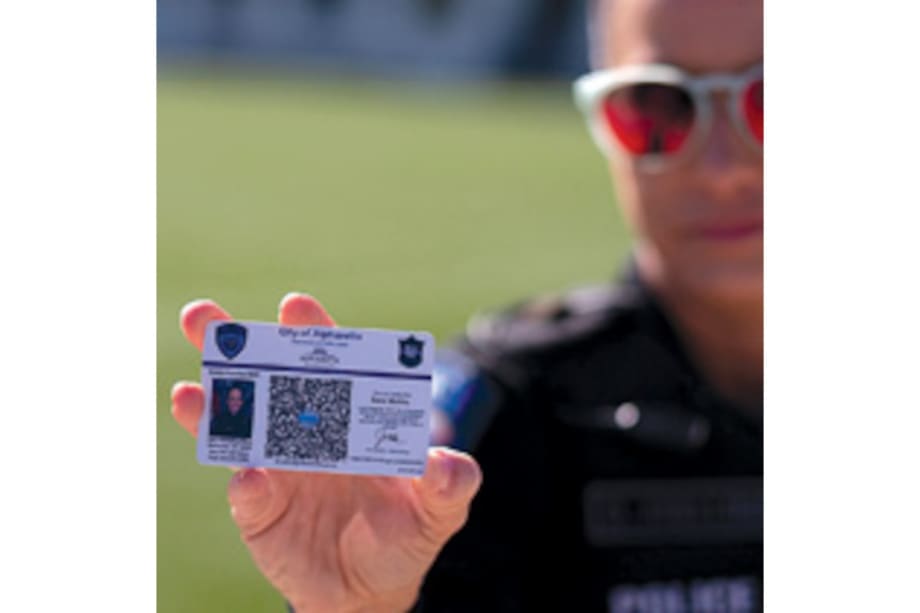
The Police Smart Card features a QR code that people can scan to access information about the officer and the case that led to the interaction with the officer.
The police badge as a symbol of authority and identification is 19th century technology. The business card, another tool that officers use to communicate information to contacts, is 20th century technology. Jim Kinsey, CEO of Police Smart Card, says it’s time law enforcement officers started identifying themselves with 21st century technology.
Police Smart Card’s namesake product uses Near Field Communication (NFC)—the technology used by Apple Pay—and QR codes to send essential information about the officer and the incident to the contact’s phone. The card itself is a plastic ID card that can be worn in a clear flex holder. It shows the agency, the officer’s name, the officer’s rank, and the officer’s badge number. The contact can scan the QR code on the card or use NFC to capture that information and more on their phone. Some of the information the contact will receive is the incident report number if applicable, citation information if applicable, and the contact information for the officer.
Kinsey says one of the benefits of the Police Smart Card is that it replaces business cards for community interaction. “A citizen might lose a business card with your case number scribbled on it, but you are not going to lose your cellphone,” Kinsey explains.
Police Smart Card’s patent-pending technology offers many more features than just officer identification. Kinsey says the card promotes transparency, accountability, and positive validation—summed up by the acronym TAP. Officer contacts access the information through a web-based portal, no app is involved. One of the features of the portal is that it gives people who interacted with the officer the opportunity to leave comments about the experience.
Bad reviews are not seen by the officer unless there is a serious officer performance reason for them. “If it’s a real problem, then obviously the officer’s supervisor is going to talk to them about it,” Kinsey says.
Good reviews can be seen by the officer as the “P” part of the company’s TAP acronym, “positive validation.” Kinsey says he believes seeing the public’s positive comments can boost officer morale and even reduce officer suicide. “They can come home from a long shift and read all the positive feedback,” he adds. “They can say, ‘Wow! I did a great job today.’ They can say, ‘This is why I became a law enforcement officer.’ And they can feel good about their profession.”
Boosting officer morale and improving community relations were the reasons the Police Smart Card was invented. Kinsey says its creator, Theo Gibbs, wanted to help police after witnessing all the anti-police sentiment and anti-police violence that followed the George Floyd in-custody death.
The prototype Police Smart Card needed a lot of refinement, according to Kinsey. “It took two years and 10,000 hours of labor to build the Police Smart Card into what it is today,” Kinsey says. The development time included building the CJIS-compliant database and the analytical tools that agencies can use to dig deep into the data supplied by the card.
Earlier this year, the Alpharetta (GA) Police Department agreed to run the first agencywide Police Smart Card pilot program. The program was extremely successful, so much so that Capt. Mike Stewart calls the card a “bridge” between the police and public. Alpharetta PD is also featured in a video on the Police Smart Card website. Kinsey says demonstrations of the Police Smart Card and information about the Alpharetta program has led to numerous to inquiries from dozens of agencies.
Police Smart Card is offered as a subscription service at an annual fee of $300 per officer.
More Technology
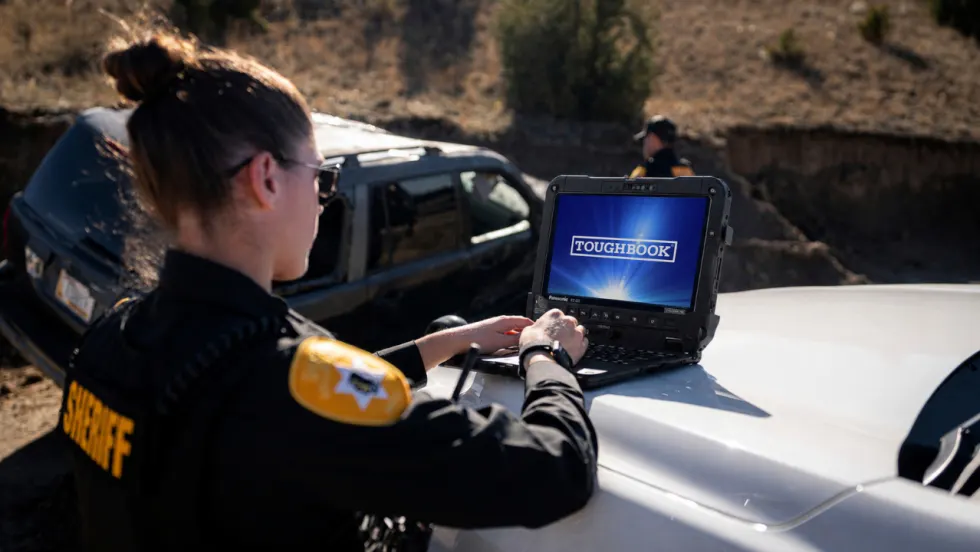
Panasonic Connect Launches the Toughbook 34 and Toughbook G3, Fully Rugged 2-in-1 Mobile Computers
Panasonic Connect has launched the Toughbook 34 and Toughbook G3 to facilitate in-vehicle dispatch, records management, and mobile command operations from any location.
Read More →
A police agency's guide to data-driven fleet management
Costs are rising and the public expects more transparency into how their tax dollars are spent. This e-book shows how police agencies can use fleet data to take control of fleet expenses while improving officer safety and demonstrating fiscal responsibility to the communities they serve.
Read More →
AI and analytics for law enforcement: Turning data into insights
Law enforcement agencies are managing more video, sensor data and digital evidence than ever before. Discover how AI and analytics can help turn that data into actionable insights that strengthen situational awareness, accelerate investigations and support more informed decisions.
Read More →
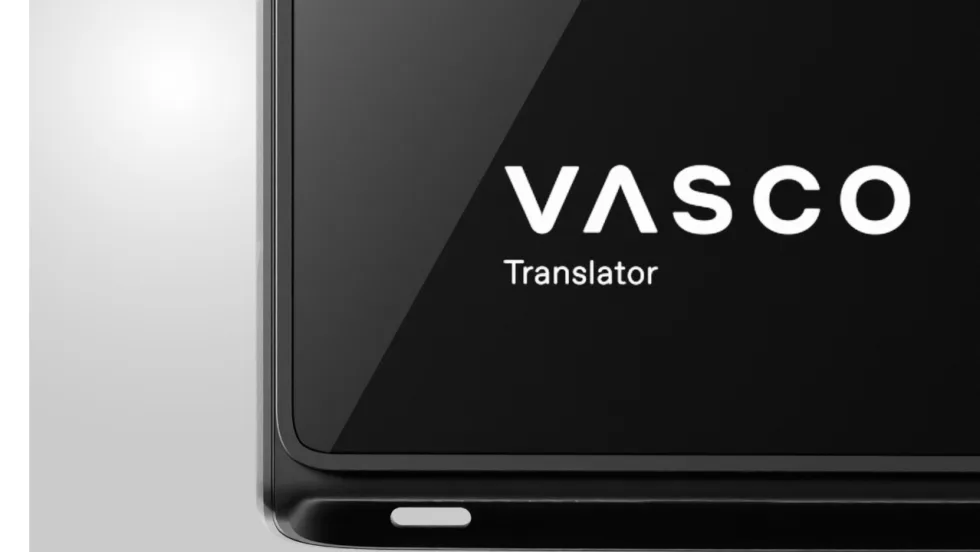
Vasco Electronics Adds Automatic Language Detection to Vasco Translator Q1
Vasco Electronics’ software update introduces hands-free language switching and expanded offline translation across 45 language pairs, empowering law enforcement, healthcare, and front-office enterprise teams
Read More →
North Miami Police Department Deploys Mark43
The North Miami Police Department has deployed Mark43 as part of its Five-Year Strategic Plan that represents its collective vision and goals for a more proactive police department, anchored by a core commitment to leveraging modern technology to enhance efficiency and public safety.
Read More →
Cellebrite Genesis for Enterprise Now Generally Available
Made available to the public sector in June, Cellebrite Genesis is serving a growing mix of national, regional, and local agencies worldwide, including some of the largest regional and metropolitan police departments. It is now available for enterprise organizations.
Read More →
2026 Vision FirstNet Users Summit to Host Emerging Leaders Training on Grassroots Advocacy for Public Safety
“Emerging Leaders Training: Understanding the Importance of Grassroots Advocacy for Public Safety," a session during the 2026 Vision FirstNet Users Summit, will offer a roadmap for unified advocacy at the federal level.
Read More →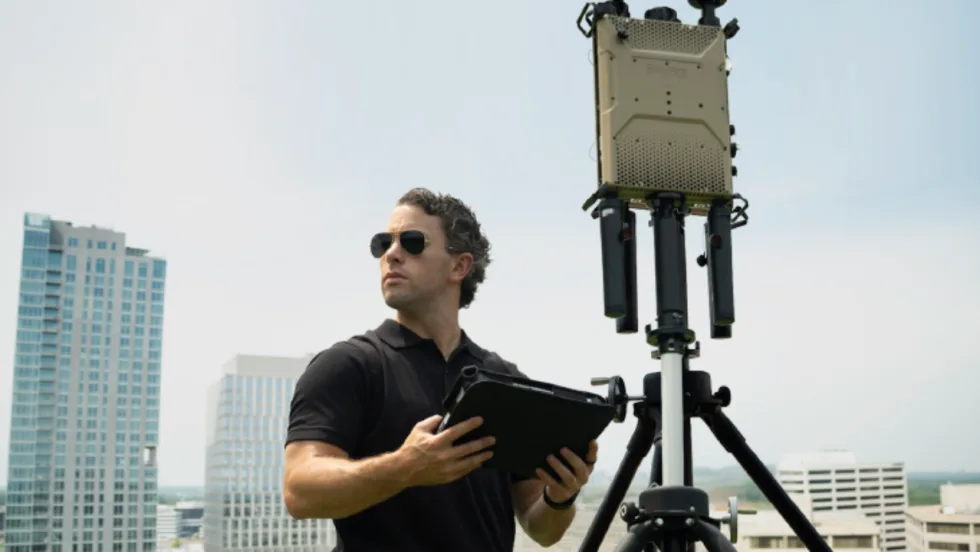
Motorola Solutions Completes Acquisition of D-Fend Solutions
Motorola Solutions has acquired D-Fend Solutions, an industry leader in counter-drone technology. This deal provides public safety and enterprise customers with access to advanced counter-unmanned aerial systems.
Read More →
ZeroEyes, Advantech & Camden Police Partner to Bring AI Gun Detection Technology to Delaware School District
ZeroEyes has partnered with Advantech and the Camden Police Department to deploy ZeroEyes’ AI gun detection and intelligent situational awareness platform at Delaware’s Caesar Rodney School District (CRSD).
Read More →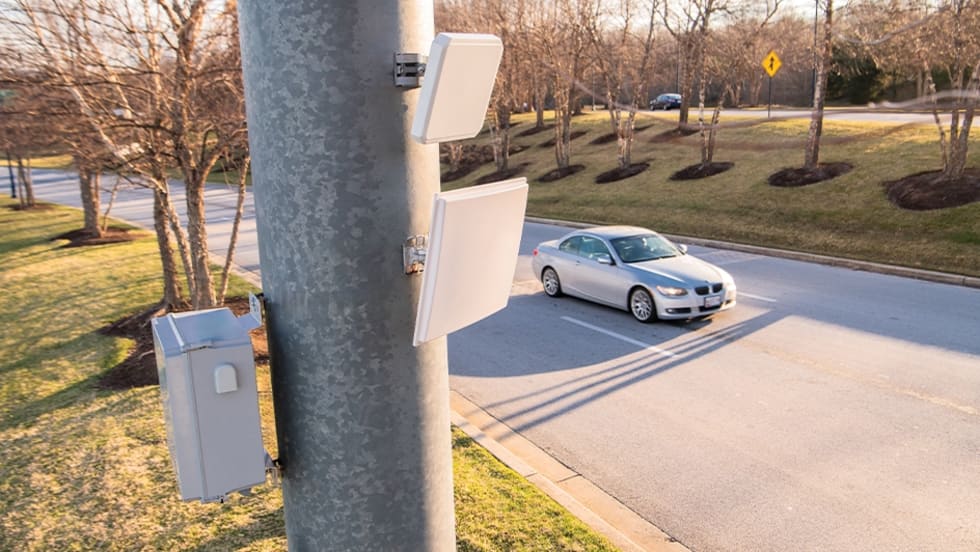
Leonardo U.S. Cyber & Security Solutions Introduces SignalTrace, the Next Evolution in Electronic Signature Detection Technology
SignalTrace reflects years of product refinement and a clearer expression of the technology’s purpose of recognizing and correlating electronic signatures in publicly broadcast wireless signals to reveal patterns, relationships, and trends that might otherwise go undetected.
Read More →