



Dave Smith: A Deeper Hurt
When officers need emotional and mental help, each of us has a responsibility to support each other.

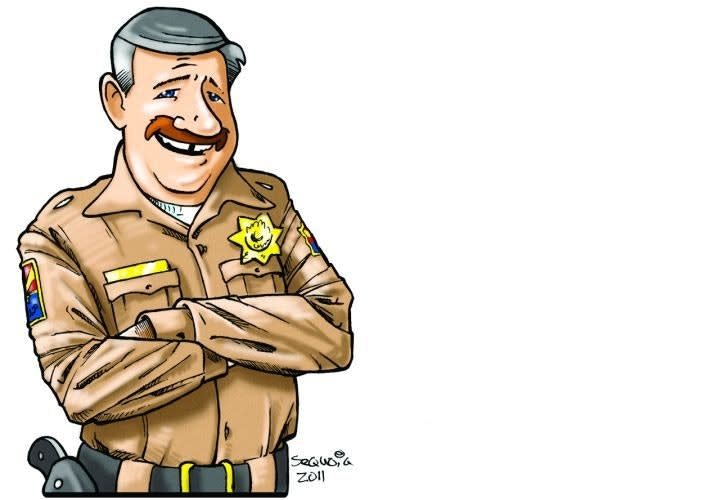
Dave Smith
Illustration: Sequoia Blankenship
Sleep is an interesting phenomenon. The older I get the more I wake up at all hours of the night, and all my aging amigos agree that sleep changes as we get older. I just take the changes as they come. I have also come to accept that women, especially my wife, the Sarge, don't sleep as well as we men do, so I wasn't surprised to notice her awake every time I woke up the other night. The next day she was visibly exhausted, and I asked what was going on.
It seems the anniversary of the Lemak murders had hit her damn hard. Twenty years earlier a mother in Naperville, IL, where the Sarge worked, had drugged her three children, suffocated them, and then called the police to advise them of her unimaginable crime. This incident, which gained immediate international attention, was even more devastating because the sergeant who would have been in charge of the murder investigation had committed suicide about 30 hours earlier. The anniversary of one painful memory was the anniversary of the other, a double tragedy striking the Naperville police community like a combination to the head from a heavyweight fighter.
The next few days after the anniversary the Sarge spent a lot of time on the phone with old friends talking about the time, 20 years earlier, when their world had been shaken, their friend lost, and the horror of a mother's violence exposed. They remembered how they had healed themselves with their friendship, faith, and some counseling. The ability to heal each other is one of our great gifts, one we often take for granted, and reaching out in a time of sorrow and remembrance is a truly great thing.
Police suicide is a topic no one wants to talk about, but the statistics do not lie and officers, leaders, and agencies as a whole are beginning to finally take steps to deal with it. Helplines have been established and hopefully are posted throughout agencies everywhere. Peer support groups are growing, and more and more specialists are trained to deal with the unique stressors faced by first responders, we who deal with horrors that civilians often live a lifetime without ever encountering.
The very idea of "police suicides" seems ironic since police are the ones people call to save them from a terrible crisis of some type. The iconic image in modern media of strength is the law enforcement officer, or some other heroic first responder. Our reluctance to discuss, or even face, the suicide problem is one of the basic human conundrums: how do we deal with the weaknesses of our heroes and our friends? In fact, our very understanding, or lack thereof, of suicide only adds to the confusion.
Emile Durkheim, one of the fathers of sociology, studied the remarkable rise of suicides in his time, 1897, and attributed it to an individual in a state of "anomie," adrift, without social morés, often in a time of rising civilization. He found a similar phenomenon in the Roman Empire, but all his theorizing and research never really pinned down a workable solution, cause, or even predictor for the problem of suicide. An abundance of "theories" have arisen since Durkheim first addressed the problem as a focus of research, with precious few solutions.
Regardless, the nature of the crisis requires us to realize that each of us has a responsibility to support each other. If a friend seems remote or distracted, reach out…care. The solution to "anomie," Durkheim's detachment from the anchors of society, would seem to be the power of human interaction and concern, caring and understanding, friendship and support. I am sure there are a plethora of PhDs with checklists of symptoms and schedules of treatments, but since when do we wait for others to save our friends? Get your suffering brothers and sisters to those experts, ask them what is wrong, talk to each other after a crisis, or if an anniversary is hitting YOU hard, do something. Care!
I love to read about all sorts of things, especially things that affect our profession, but I do not like reading about suicides. However, ever since my college days when I minored in sociology, the theories of suicides have fascinated me. But all the research, all the grants, all the theories, don't make the problem any better until each of us acts on them. Talk to each other, keep faith in your life's mission, and take time to listen to friends when they are hurting. Stay safe.
Dave Smith is an internationally recognized law enforcement trainer and is the creator of "JD Buck Savage." You can follow Buck on Twitter at @thebucksavage.
More Patrol
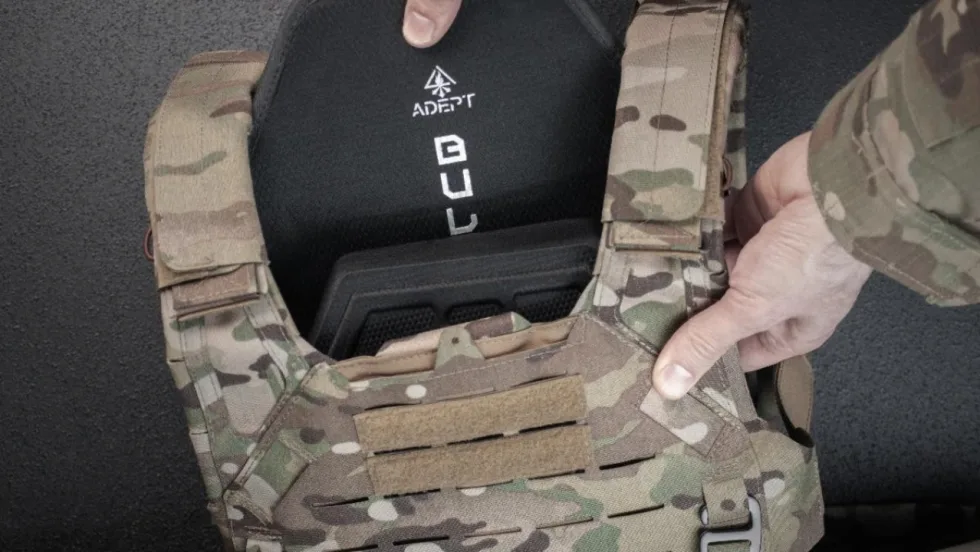
Adept Armor Introduces Two New Rifle Plates
Adept Armor has launched two new Level IV ballistic plates, the Emperor and the Archon Mark 2, which brings Adept Armor’s new Quatroid ceramic to the high-threat, performance-value center of the range at 5.2 pounds.
Read More →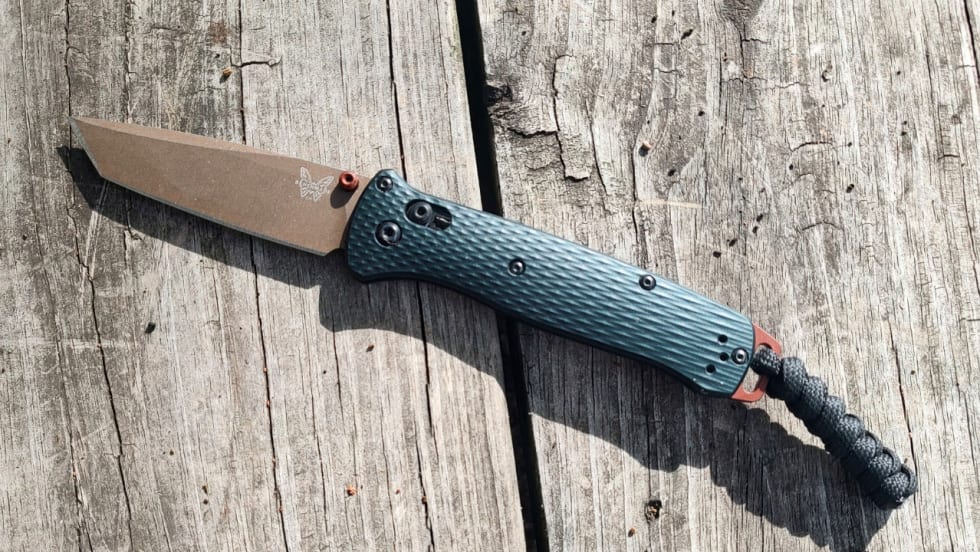
POLICE Product Test: Benchmade Bailout
The Benchmade Bailout is a slim, lightweight carry knife with a deep-ride pocket clip and comes in a variety of blade steels and scales. Here is a detailed review of the Taiga Green Bailout, released earlier this year.
Read More →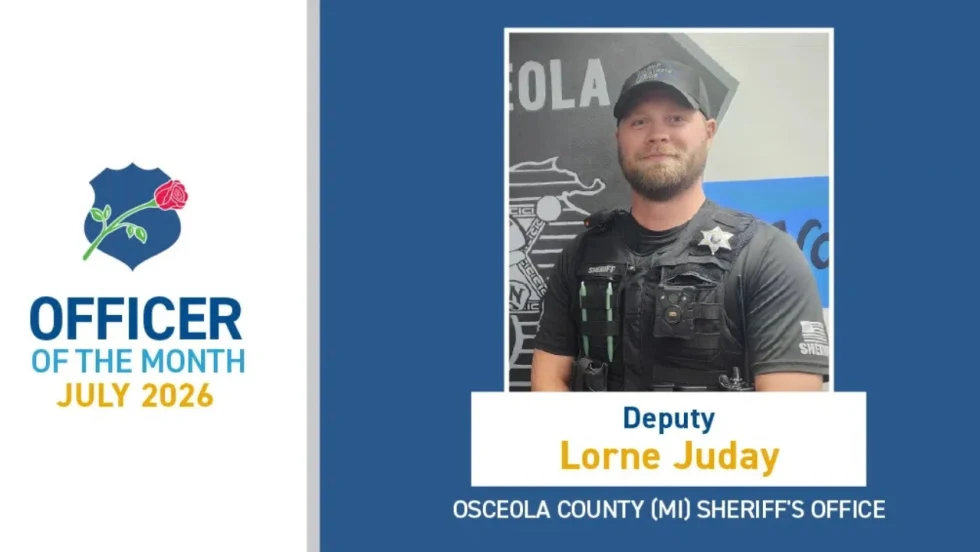
NLEOMF Announces July 2026 Officer of the Month
NLEOMF honored a Michigan deputy sheriff as the July 2026 Officer of the Month for rescuing a trapped driver from a burning vehicle following a Fourth of July crash.
Read More →
Streamlight to Showcase Newest Lighting Products at National Safety Council’s Safety Congress & Expo 2026
Streamlight will showcase its latest lights, including the Portable Scene Light III and the LiteBox 1Million, at the 2026 National Safety Council (NSC) Safety Congress & Expo.
Read More →
The 2027 World Police & Fire Games Set for Perth, Australia
The 2027 World Police & Fire Games (WPFG) will take place in Perth, Western Australia, from Friday, March 12 through Sunday, March 21, 2027.
Read More →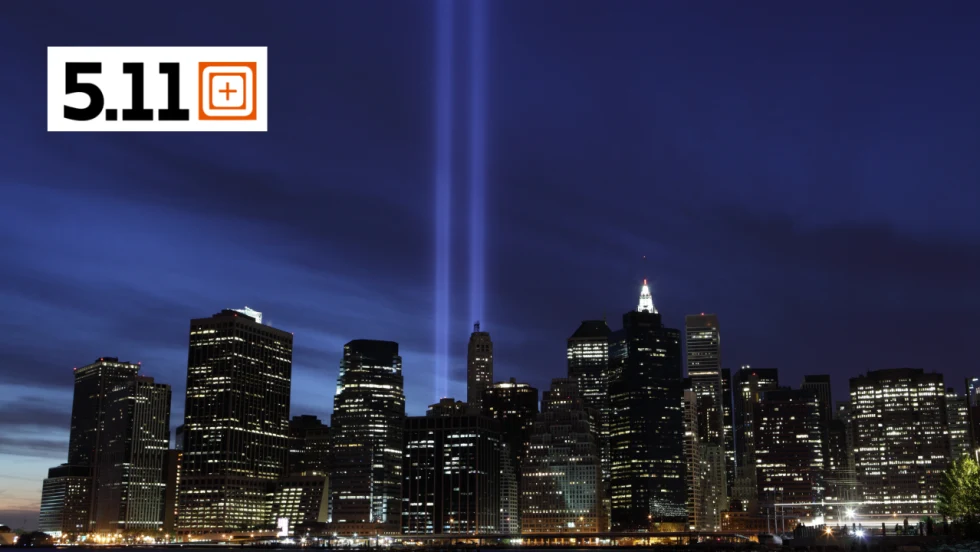
5.11 Partners with National Fallen Firefighters Foundation to Support #ForThe343
5.11 has joined the nationwide movement honoring the 343 New York City Fire Department firefighters lost on Sept. 11, 2001.
Read More →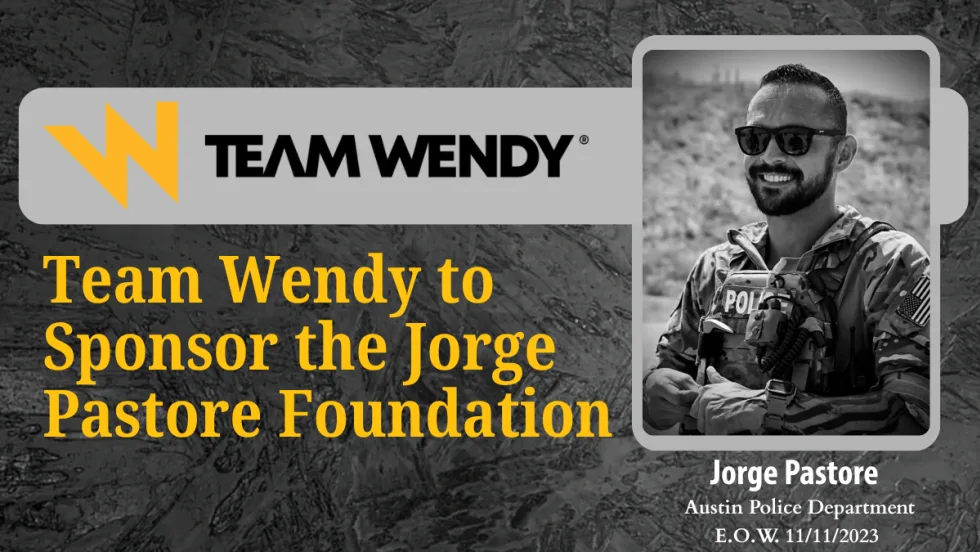
Team Wendy Announces Title Sponsorship of the Jorge Pastore Foundation
Team Wendy’s 3-year partnership with the Jorge Pastore Foundation expands access to programs that strengthen those who serve.
Read More →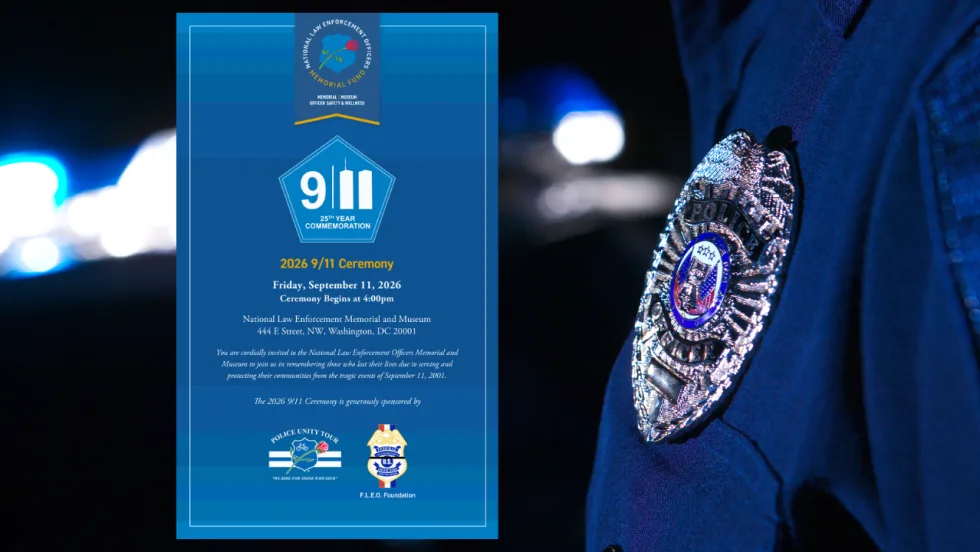
National Law Enforcement Memorial and Museum Hosting 9/11 25th-Year Commemoration Ceremony
The National Law Enforcement Memorial and Museum is hosting a 9/11 25th Year Commemoration Ceremony on Sept. 11 at 4 p.m.
Read More →
National Law Enforcement Officers Memorial Fund Announces June 2026 Officers of the Month
The National Law Enforcement Officers Memorial Fund (NLEOMF) named 15 officers of the Chico Police Department (California) as the Officers of the Month for June 2026 for their roles in responding to an active-shooter incident at a public library.
Read More →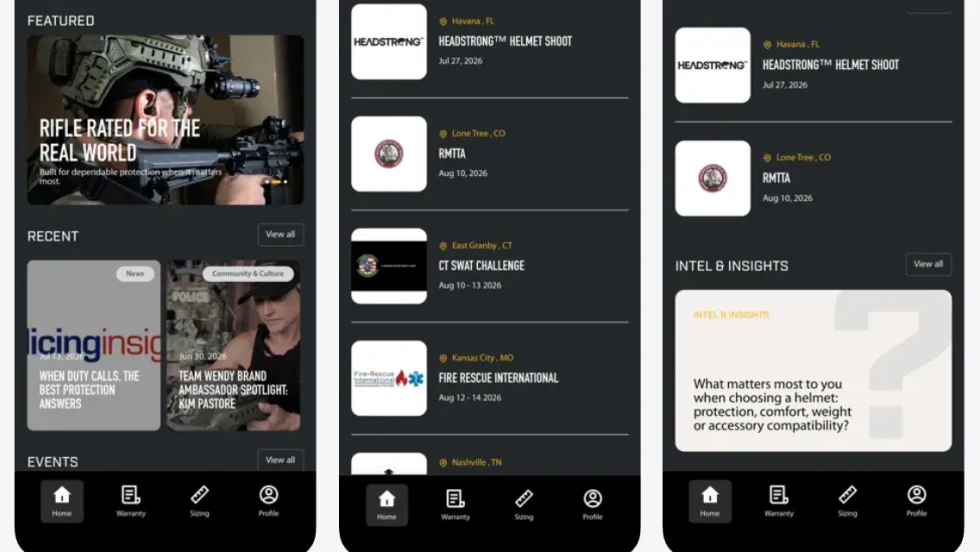
Team Wendy App Creates New Digital Hub for Helmet Owners
The Team Wendy Community App provides one location for warranty registration, size-fit tools, product updates, and community connection. For helmet owners, the new app creates a simpler path to the information and tools that matter most.
Read More →