



Critical Incident Intel
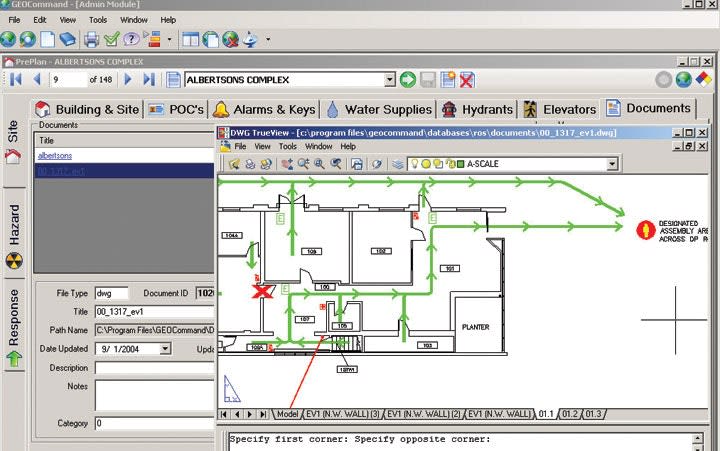
Fortunately, a company called GEOCommand has created a software program that can supply you with vital information on key buildings in your jurisdiction, including floorplans and the presence of wicked little surprises like hazardous materials.

It's the call that every patrol supervisor dreads. Dispatch has sent you a "shots fired" call. People are down. You have an active shooter on your hands.
The location is an industrial plant. You don't know exactly what they do there, but you know that they use some nasty toxic stuff to do it. And now you and your officers have to enter this place and engage an unstable gunman.
Right now, you would sell your right arm for a floorplan and some information about what exactly is in use in the building. After all, you don't want to order your people into a hazardous material zone without the proper protection.
Fortunately, you don't have to sell your right arm. A company called GEOCommand has created a software program that can supply you with vital information on key buildings in your jurisdiction, including floorplans and the presence of wicked little surprises like hazardous materials.
GEOCommand is essentially a geographic information system (GIS) tool that was designed to give first responders valuable intel about any location in their area of operation. In the active shooter scenario above, if the patrol supervisor had GEOCommand on his mobile computer, then he would have access to floorplans, elevator and power supply locations, hazardous material inventories with safety instructions, information on the nearest hospitals, and other critical intel. He could also relay this information to any number of responding units.
Michael Rand, marketing director for GEOCommand, says the product was developed as a resource for firefighters working at federal laboratories, and it has grown into a tool for all first responders. "We see GEOCommand as an excellent resource for SWAT and other law enforcement operations," he says.
GEOCommand can be integrated with your existing computer-aided dispatch system. This means that incident commanders can use it not only to gain valuable intel on the building that their officers must operate in, but also to allocate resources to respond to that incident.
One of the best features of GEOCommand is that it allows local officers to create their own building pre-plans. For example, with the growing concerns over campus active shooters and terrorist attacks on schools and universities, an agency could use GEOCommand to create detailed profiles on all campus buildings in its jurisdiction and relay that information to responders over their mobile computers as they speed toward an incident. Such intel could save time and lives.
"You don't have to be a GIS specialist to add your own preplans in GEOCommand," says Rand. "It's easy to use and all of the capability that you need is built into the product." Need FREEInfo? Use #22301.
More Technology
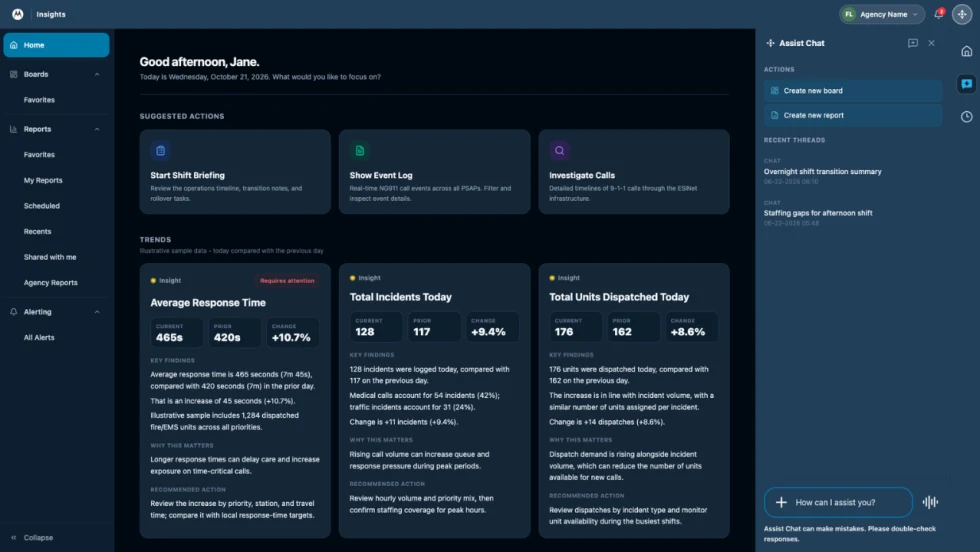
How Motorola Solutions’ New “Insights” Platform Helps Public Safety Agencies Identify Trends to Improve Their Operations
Motorola Solutions has introduced Insights, which leverages Assist, its mission-critical artificial intelligence (AI), to address these challenges and shape what’s next for public safety analytics and reporting technology.
Read More →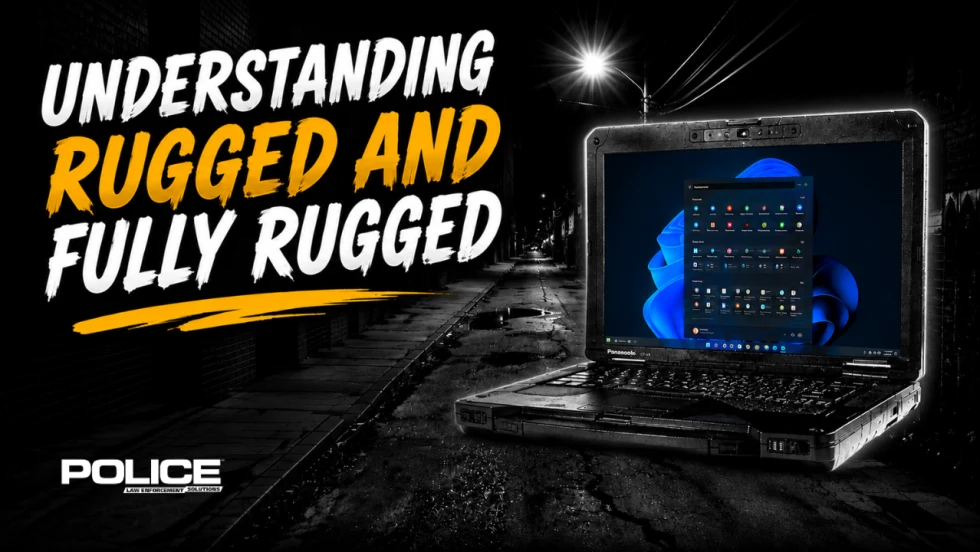
What Qualifies a Laptop as Rugged or Fully Rugged?
Police officers face a wide range of working conditions that can damage or even destroy a regular consumer laptop. Learn what qualifies a computer as rugged or fully rugged and why those devices are vital for law enforcement.
Read More →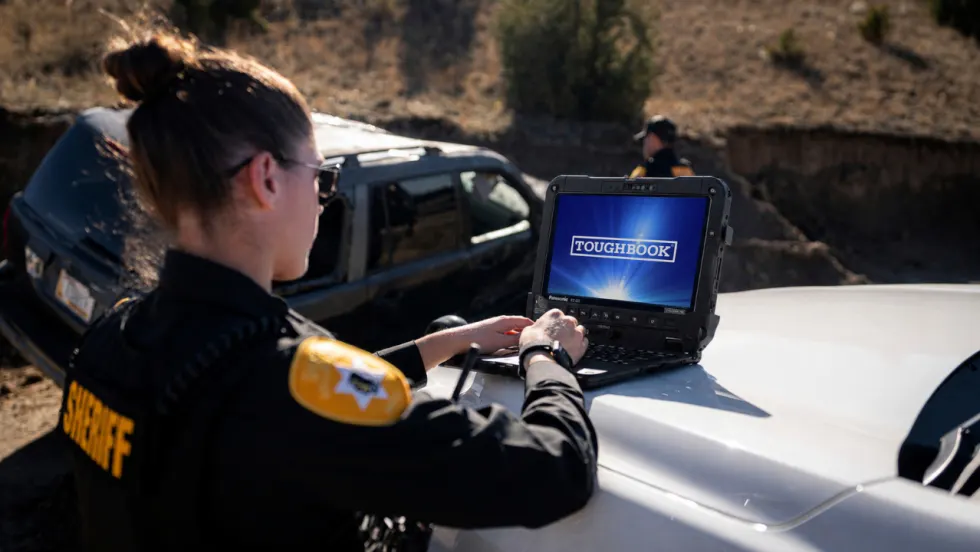
Panasonic Connect Launches the Toughbook 34 and Toughbook G3, Fully Rugged 2-in-1 Mobile Computers
Panasonic Connect has launched the Toughbook 34 and Toughbook G3 to facilitate in-vehicle dispatch, records management, and mobile command operations from any location.
Read More →

A police agency's guide to data-driven fleet management
Costs are rising and the public expects more transparency into how their tax dollars are spent. This e-book shows how police agencies can use fleet data to take control of fleet expenses while improving officer safety and demonstrating fiscal responsibility to the communities they serve.
Read More →
AI and analytics for law enforcement: Turning data into insights
Law enforcement agencies are managing more video, sensor data and digital evidence than ever before. Discover how AI and analytics can help turn that data into actionable insights that strengthen situational awareness, accelerate investigations and support more informed decisions.
Read More →
Vasco Electronics Adds Automatic Language Detection to Vasco Translator Q1
Vasco Electronics’ software update introduces hands-free language switching and expanded offline translation across 45 language pairs, empowering law enforcement, healthcare, and front-office enterprise teams
Read More →
North Miami Police Department Deploys Mark43
The North Miami Police Department has deployed Mark43 as part of its Five-Year Strategic Plan that represents its collective vision and goals for a more proactive police department, anchored by a core commitment to leveraging modern technology to enhance efficiency and public safety.
Read More →
Cellebrite Genesis for Enterprise Now Generally Available
Made available to the public sector in June, Cellebrite Genesis is serving a growing mix of national, regional, and local agencies worldwide, including some of the largest regional and metropolitan police departments. It is now available for enterprise organizations.
Read More →
2026 Vision FirstNet Users Summit to Host Emerging Leaders Training on Grassroots Advocacy for Public Safety
“Emerging Leaders Training: Understanding the Importance of Grassroots Advocacy for Public Safety," a session during the 2026 Vision FirstNet Users Summit, will offer a roadmap for unified advocacy at the federal level.
Read More →
Motorola Solutions Completes Acquisition of D-Fend Solutions
Motorola Solutions has acquired D-Fend Solutions, an industry leader in counter-drone technology. This deal provides public safety and enterprise customers with access to advanced counter-unmanned aerial systems.
Read More →