



Caught in the Media Spotlight
How do you know when your case is going to put you on the national stage? When it does, will you be prepared to defend what you did or didn't do in front of a national audience?

Yuri Melich, Chris Serino, and Esteban Flores may not be names you recognize, but they all have had their 15 minutes of fame in front of millions of TV viewers. In contrast, Casey Anthony, George Zimmerman, and Jodi Arias are names you probably recognize immediately.
The first three names belong to police officers, detectives, and leading investigators in the cases against the three more famous names, who were all defendants in very high-profile murder trials.
You should be paying attention to such trials not because they are high-profile, media-centric circuses, but because they offer all law enforcement officers a glimpse into what it will be like when our cases make it to the big time.
How do you know when your case is going to put you on the national stage? When it does, will you be prepared to defend what you did or didn't do in front of a national audience?
Thousands of officers and detectives investigate violent crimes every day. First responders cordon off crime scenes, interview witnesses, and collect and preserve evidence. Detectives follow leads, interview people, and put their cases together for prosecution. Among these thousands of cases every year, only a very few become high-profile media magnets like the trials of Casey Anthony, Jodi Arias, and George Zimmerman.
The detectives listed in the first line of this column were just working a case assigned to them the way they do every other case that gets tossed on their desks. The difference is that these three cases garnered public and international media attention. I can't say exactly why, but these cases stood out. There are plenty like them, but not all get thrust into the national spotlight.
When your case generates a frenzy, how will you do on the witness stand? How will you weather the intense scrutiny of your every move, every statement, and written reports? Will your work be unsullied or fair game for the defense?
You should study these famous cases. You should pay attention to the detectives on the stand. Pay attention to what they did right and what they did wrong. You should also be paying attention to what questions are being asked and why.
In spite of how "modern" policing has become, criminal cases always fall back to the very basic and well-established police procedures. Time after time, we see the basics of police work targeted by defense attorneys. Why? Because its important to get the basics right. If you don't, the consequences can be high.
So we need to pay attention to the basic, low-tech ways that we do our jobs. Putting up crime scene tape is low-tech and may seem mundane, but it can be the difference between getting that critical piece of evidence or having someone accidentally kick it down a nearby drain. Separating witnesses is a basic police procedure that we are all taught at the police academy. But if you don't do it, you risk contaminating the witnesses and not getting the right accounting of what they saw or heard. If you put "wet" evidence in the wrong kind of bag, you can wipe out its evidentiary value. All of these are very low-tech procedures, but failure to execute them properly can be the difference between conviction and acquittal.
Attorneys in very high-profile cases brought these and other very basic police investigative procedures into question over the past few years. In the three cases mentioned previously, police investigators found themselves on the stand answering questions about what they did and how they did it.
So what can we learn from high profile trials? First and most importantly, you have to do the best job you can with the best equipment you have, and you need to use well-established procedures for handling evidence, interviewing witnesses, and documenting your case.
Your best insurance against becoming infamous for sloppy police work is to work each case like it's the next "trial of the century." Don't cut corners just to get the case filed and off your desk. It can come back on you in a big way. And envision yourself on the witness stand, defending the work you did. You want to be able to walk away from the defense attorney's grilling proud about what you did and proud of case you helped put together.
Mark W. Clark is a 27-year veteran police sergeant. He has served as public information officer, training officer, and as supervisor of various detective and patrol squads.
More Patrol
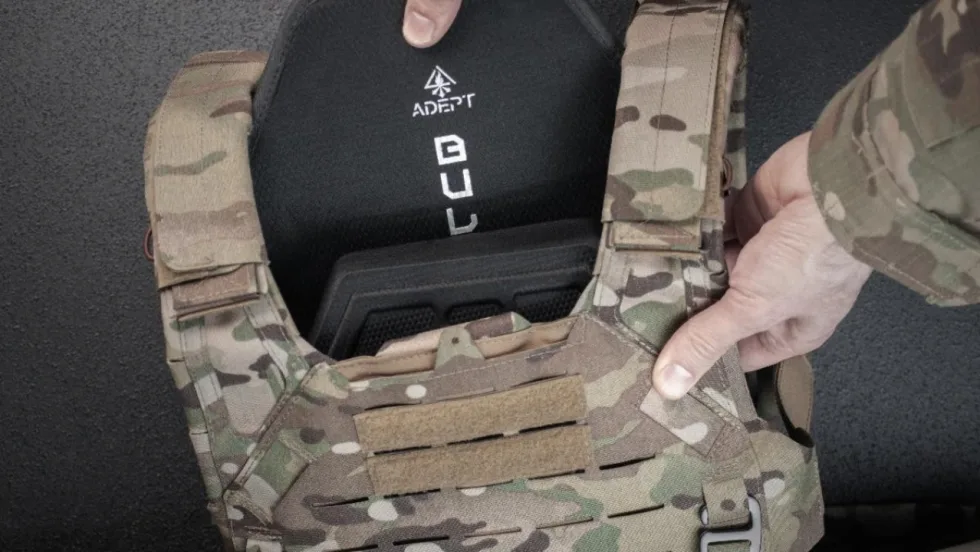
Adept Armor Introduces Two New Rifle Plates
Adept Armor has launched two new Level IV ballistic plates, the Emperor and the Archon Mark 2, which brings Adept Armor’s new Quatroid ceramic to the high-threat, performance-value center of the range at 5.2 pounds.
Read More →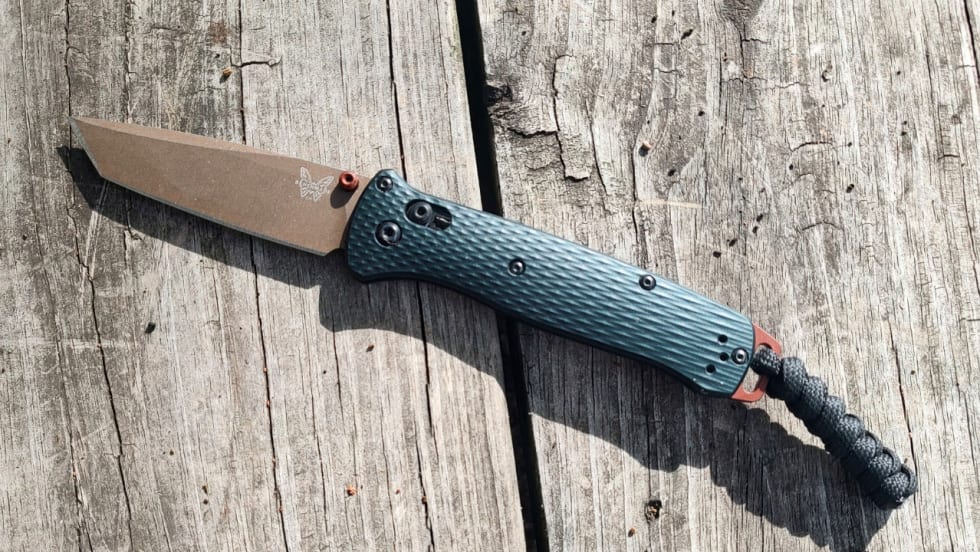
POLICE Product Test: Benchmade Bailout
The Benchmade Bailout is a slim, lightweight carry knife with a deep-ride pocket clip and comes in a variety of blade steels and scales. Here is a detailed review of the Taiga Green Bailout, released earlier this year.
Read More →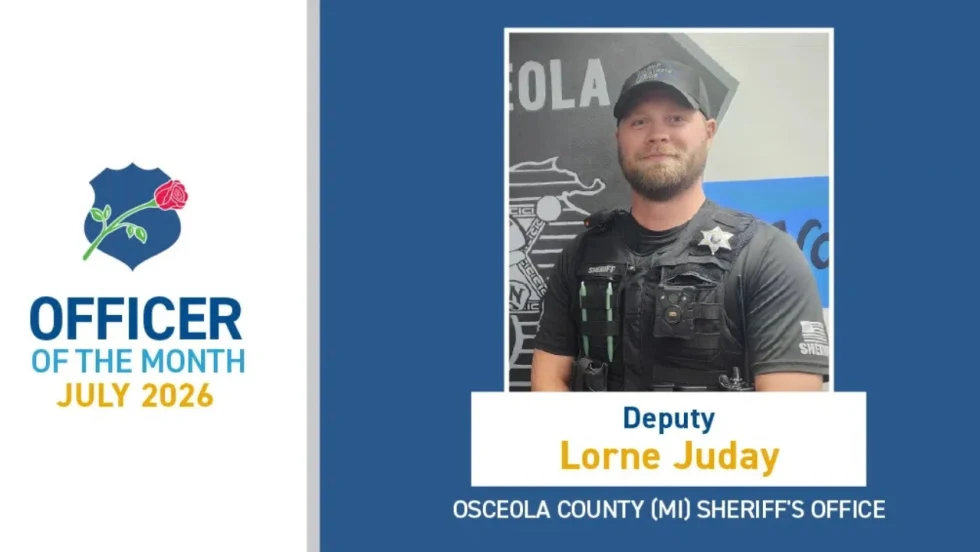
NLEOMF Announces July 2026 Officer of the Month
NLEOMF honored a Michigan deputy sheriff as the July 2026 Officer of the Month for rescuing a trapped driver from a burning vehicle following a Fourth of July crash.
Read More →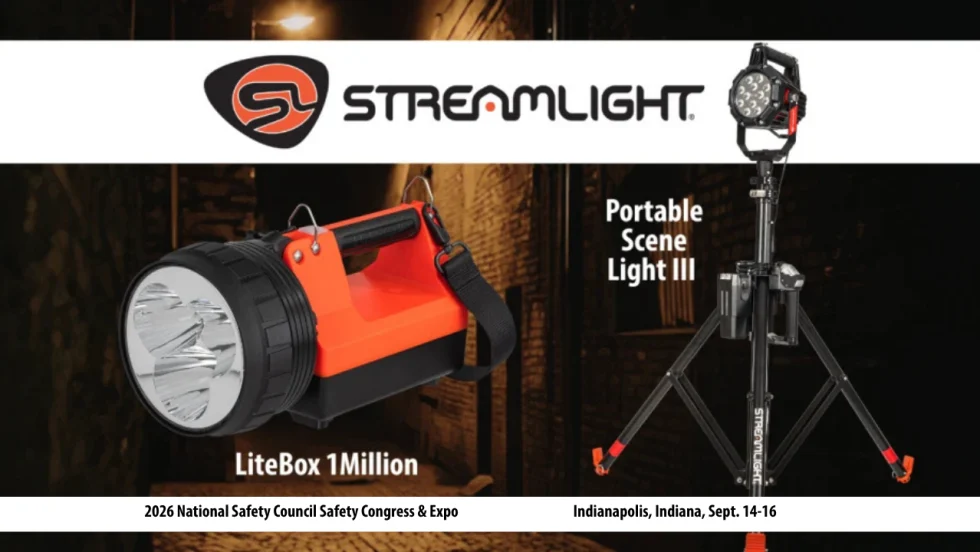
Streamlight to Showcase Newest Lighting Products at National Safety Council’s Safety Congress & Expo 2026
Streamlight will showcase its latest lights, including the Portable Scene Light III and the LiteBox 1Million, at the 2026 National Safety Council (NSC) Safety Congress & Expo.
Read More →
The 2027 World Police & Fire Games Set for Perth, Australia
The 2027 World Police & Fire Games (WPFG) will take place in Perth, Western Australia, from Friday, March 12 through Sunday, March 21, 2027.
Read More →
5.11 Partners with National Fallen Firefighters Foundation to Support #ForThe343
5.11 has joined the nationwide movement honoring the 343 New York City Fire Department firefighters lost on Sept. 11, 2001.
Read More →
Team Wendy Announces Title Sponsorship of the Jorge Pastore Foundation
Team Wendy’s 3-year partnership with the Jorge Pastore Foundation expands access to programs that strengthen those who serve.
Read More →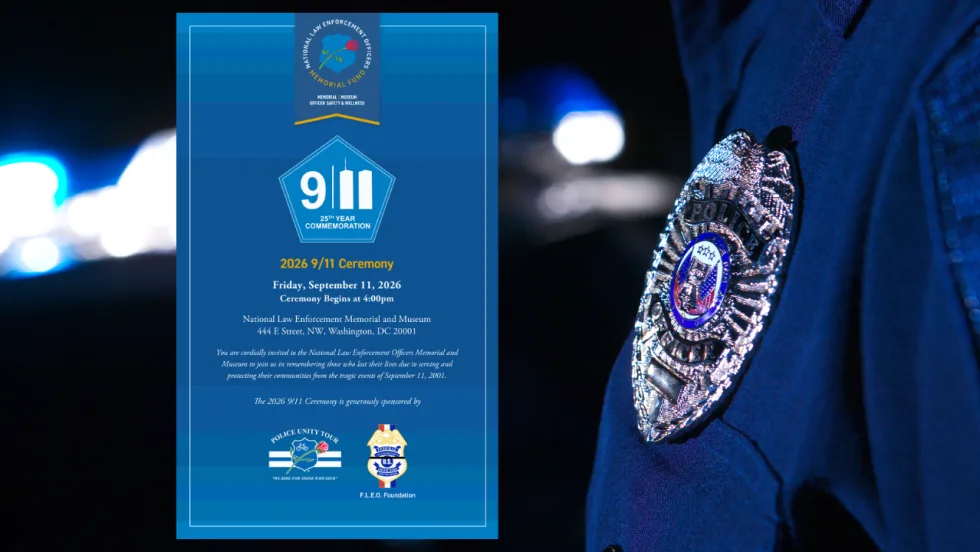
National Law Enforcement Memorial and Museum Hosting 9/11 25th-Year Commemoration Ceremony
The National Law Enforcement Memorial and Museum is hosting a 9/11 25th Year Commemoration Ceremony on Sept. 11 at 4 p.m.
Read More →
National Law Enforcement Officers Memorial Fund Announces June 2026 Officers of the Month
The National Law Enforcement Officers Memorial Fund (NLEOMF) named 15 officers of the Chico Police Department (California) as the Officers of the Month for June 2026 for their roles in responding to an active-shooter incident at a public library.
Read More →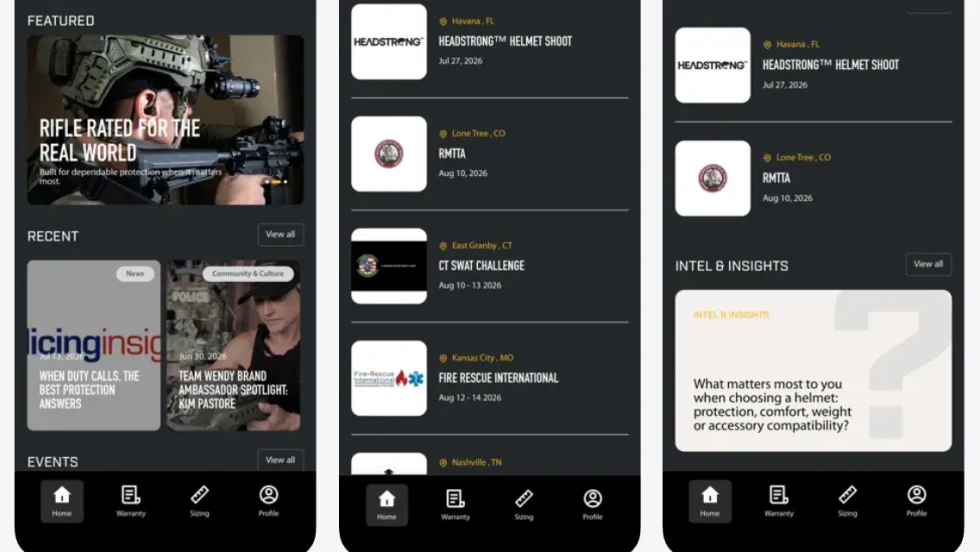
Team Wendy App Creates New Digital Hub for Helmet Owners
The Team Wendy Community App provides one location for warranty registration, size-fit tools, product updates, and community connection. For helmet owners, the new app creates a simpler path to the information and tools that matter most.
Read More →