



A Really Dumb Idea
The problem with the push to develop smart gun systems and replace law enforcement duty weapons with firearms fitted with the technology is that it may do very little to prevent gun grabs and could make police operations even more dangerous.


Photo: Kelly Bracken
The smart gun, a weapon that can only be fired by its owner or assigned user, is one of those gee-whiz technologies that many people believe could revolutionize the world like driverless cars, hypersonic jets, and autonomous humanoid robots. All of these technologies will probably be part of our lives sometime in the coming decades. But some people such as President Barack Obama, who announced in April a law enforcement smart gun initiative, are trying to rush smart guns into your duty holsters long before they are ready for duty.
Proponents of smart gun technology argue that it could reduce accidental shootings, the use of stolen firearms by criminals, and suicides, unless the suicidal person is using his or her own weapon. Most importantly, it's believed that smart guns would prevent deadly gun grab attacks against law enforcement officers. And that's of course a good thing that we at POLICE Magazine heartily support.
The problem with the push to develop smart gun systems and replace law enforcement duty weapons with firearms fitted with the technology is that it may do very little to prevent gun grabs and could make police operations even more dangerous. Worse, although proponents of developing smart weapons tout officer safety as a benefit, they may have far different agendas.
To understand why this particular cure for gun grabs may actually be worse than the disease, we have to take a look at the existing technologies for personalizing a firearm to a user or users.
Smart gun prototypes that have already been developed use radio frequency identification (RFID), magnetic locks, or biometrics to unlock their triggers and transform them from non-functional to functional. And all of them are likely to experience an unacceptable level of failure or authentication lag in a gunfight.
RFID and magnetic smart guns both require the shooter to wear an object such as a ring or watch to unlock the gun. In the RFID system a receiver in the gun picks up radio frequencies from the wearable object to identify the wearer as an authorized user of the firearm and unlocks the trigger. Magnetic systems use magnets to lock the trigger and the wearable acts as a key. These systems might work just fine on the range, but in actual operations they have numerous issues. They are electronic devices so they have to survive rain and dust and the shock produced by a firing handgun or they will fail. Also, the designers of these devices need to consider what happens in a gunfight and realize that the wearables that unlock the triggers in these systems could be damaged or even shot away from the user's body in combat.
Similar problems make biometric smart gun authentication less than practical on a defensive weapon. Smart gun advocates, including Obama, believe the same kinds of fingerprint scanners used on smartphones can be adapted for firearm authentication. Which is absurd. Half the time my iPhone fingerprint scanner doesn't work, sometimes because of a hair or dust. So I cringe to think about a similar technology on an officer's handgun when seconds count and there may not be time to wipe away the sweat, blood, water, and other fluids that might obscure it in a deadly force situation. Worse, even when the thing works there is a fraction of a second lag before it unlocks the phone. Fractions of seconds are really important in a shootout.
I firmly believe that eventually there may be a smart gun technology that works for law enforcement duty guns. But none of the current means of authentication used in smart guns is fail-safe enough to be practical on defensive weapons.
Maybe the inventors and designers will, because of the push from the Obama administration, create a viable smart gun that will eliminate the danger of gun grab attacks on officers. But I'm afraid the real deaths that the Obama administration is trying to prevent with its push for smart guns are those of so-called "unarmed" persons who try to take officers' pistols, not those of officers killed by such attacks.
No one on the anti-gun, anti-police side of politics seems to understand—or at least won't admit—that a gun grab is attempted murder. And now the same people fail to understand that the best way for people to prevent themselves from getting killed while grabbing an officer's gun is to not grab the officer's gun. Teaching people that lesson would save a lot more officer and suspect lives than any smart gun technology.
More Technology

A police agency's guide to data-driven fleet management
Costs are rising and the public expects more transparency into how their tax dollars are spent. This e-book shows how police agencies can use fleet data to take control of fleet expenses while improving officer safety and demonstrating fiscal responsibility to the communities they serve.
Read More →
AI and analytics for law enforcement: Turning data into insights
Law enforcement agencies are managing more video, sensor data and digital evidence than ever before. Discover how AI and analytics can help turn that data into actionable insights that strengthen situational awareness, accelerate investigations and support more informed decisions.
Read More →
Vasco Electronics Adds Automatic Language Detection to Vasco Translator Q1
Vasco Electronics’ software update introduces hands-free language switching and expanded offline translation across 45 language pairs, empowering law enforcement, healthcare, and front-office enterprise teams
Read More →

North Miami Police Department Deploys Mark43
The North Miami Police Department has deployed Mark43 as part of its Five-Year Strategic Plan that represents its collective vision and goals for a more proactive police department, anchored by a core commitment to leveraging modern technology to enhance efficiency and public safety.
Read More →
Cellebrite Genesis for Enterprise Now Generally Available
Made available to the public sector in June, Cellebrite Genesis is serving a growing mix of national, regional, and local agencies worldwide, including some of the largest regional and metropolitan police departments. It is now available for enterprise organizations.
Read More →
2026 Vision FirstNet Users Summit to Host Emerging Leaders Training on Grassroots Advocacy for Public Safety
“Emerging Leaders Training: Understanding the Importance of Grassroots Advocacy for Public Safety," a session during the 2026 Vision FirstNet Users Summit, will offer a roadmap for unified advocacy at the federal level.
Read More →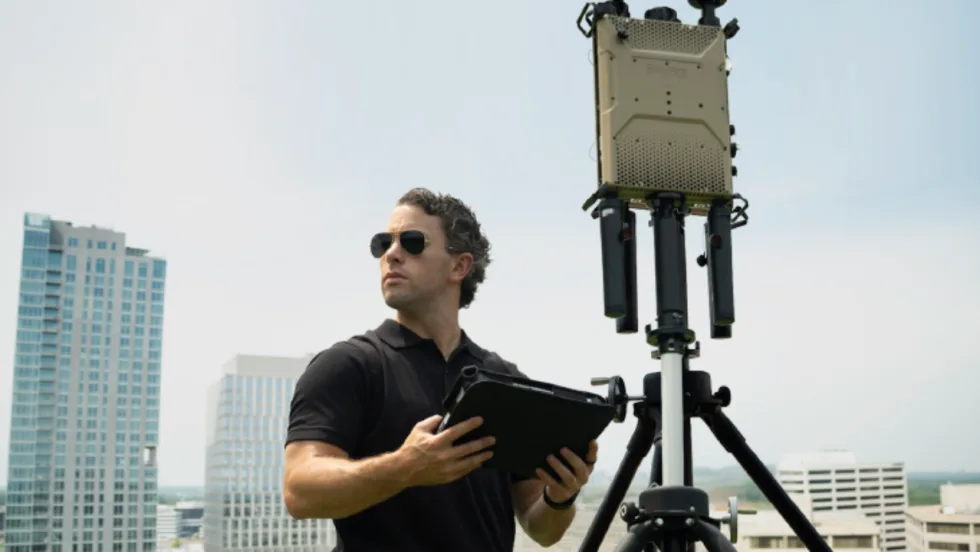
Motorola Solutions Completes Acquisition of D-Fend Solutions
Motorola Solutions has acquired D-Fend Solutions, an industry leader in counter-drone technology. This deal provides public safety and enterprise customers with access to advanced counter-unmanned aerial systems.
Read More →
ZeroEyes, Advantech & Camden Police Partner to Bring AI Gun Detection Technology to Delaware School District
ZeroEyes has partnered with Advantech and the Camden Police Department to deploy ZeroEyes’ AI gun detection and intelligent situational awareness platform at Delaware’s Caesar Rodney School District (CRSD).
Read More →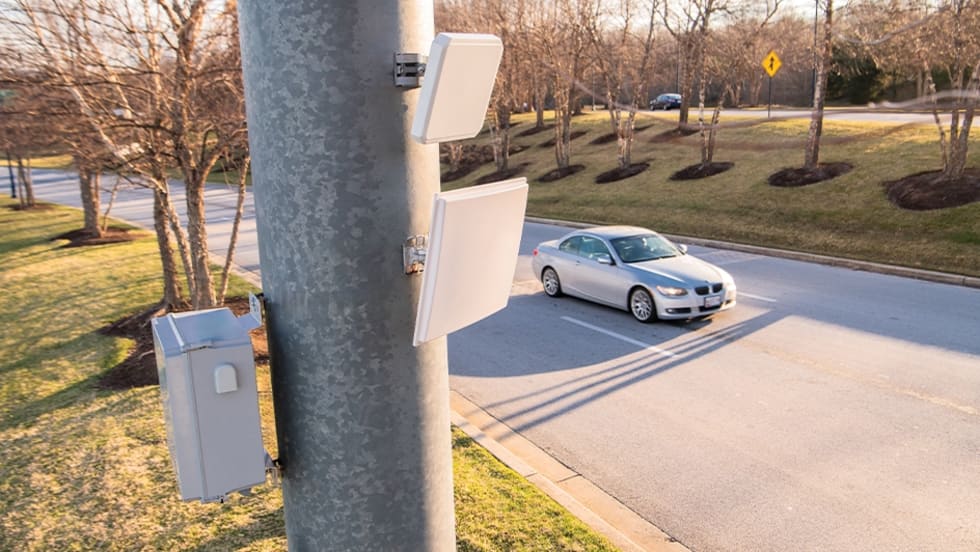
Leonardo U.S. Cyber & Security Solutions Introduces SignalTrace, the Next Evolution in Electronic Signature Detection Technology
SignalTrace reflects years of product refinement and a clearer expression of the technology’s purpose of recognizing and correlating electronic signatures in publicly broadcast wireless signals to reveal patterns, relationships, and trends that might otherwise go undetected.
Read More →
Pimloc Launches Secure File Sharing to Streamline Release of Redacted Video
Pimloc’s Secure File Sharing lets organizations deliver redacted video, audio, and documents through expiring, passcode-protected links, accelerating delivery while reducing security, compliance, and chain-of-custody risks.
Read More →