



Reconsidering Carotid Control
The carotid restraint control hold is a valuable force option. When applied by a competent end-user, the hold is quick and highly effective and is absent of any evidence of traumatic injury.

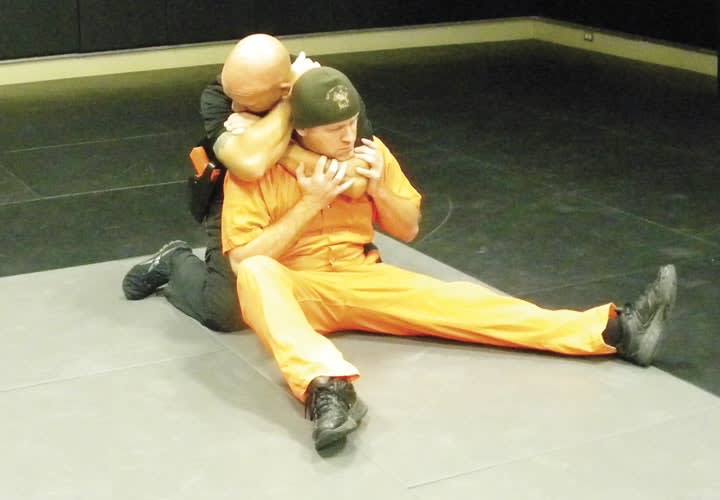
Photo courtesy of Ron Martinelli
Law enforcement is experiencing a dramatic increase in citizen contacts and critical incidents involving violently resistive and or otherwise dangerous subjects who are under the influence of street stimulants and designer drugs such as "bath salts." Officers are also encountering more emotionally disturbed persons (EDPs) who are presenting with decompensating, agitated, and chaotic behavior who are experiencing serious medical emergencies such as an "agitated chaotic event" and/or agitated-excited delirium.
Whether the subject an officer contacts is aggressive and violently resistive or experiencing a serious medical emergency, the officer will need to quickly and efficiently capture and control the subject for purposes of arrest or medical/mental health treatment. Frequently, such encounters result in multiple applications of an electronic control weapon (ECW), OC spray, impact weapons, and officer swarms to physically control and restrain resisting subjects who classically demonstrate superhuman strength.
Occasionally and unfortunately, such encounters can result in a critical incident in-custody death (ICD) of the restrained subject. The resultant ICD more often than not spurs a federal or state tort claim alleging wrongful death, excessive force, and violations of civil rights that can take years to resolve. Defending against such lawsuits can cost millions of dollars in legal fees, settlements, and jury awards for the involved agency.
Millennial generation officers and even veteran officers who are often hesitant to go hands-on with an agitated or actively resistant subject often go right to the application of an ECW. However, for a variety of reasons, ECWs are historically only 60% effective in the field. If the ECW is fired at close range, a narrow spread of wired probes is insufficient to create the neuromuscular incapacitation needed to incapacitate, capture, control, and restrain the resistive subject.
Officers who then resort to multiple applications of a "drive-stun" make a serious tactical error against pain-resistant EDPs, agitated-chaotics, or drug-influenced subjects, who feel no pain from the device. Those officers find themselves in close proximity to an actively resistant subject, and they cannot use their impact weapons for obvious reasons. So what can these officers do next when seconds matter?
They should consider the carotid restraint control hold.
The carotid restraint control hold gives officers a viable method for controlling subjects when other force options may not be justified, effective, or available.
Quick and Effective
The carotid restraint is a valuable force option that does not rely upon pain compliance, blunt force trauma, or multiple applications of electronic energy (referred to as "load") from electronic weapons. When applied by a competent end-user, the hold is quick and highly effective and is absent of any evidence of traumatic injury. The hold is also now more readily accepted by the general public, which is now used to seeing mixed martial arts competition.
Carotid restraint is very effective in controlling EDPs and subjects experiencing an agitated-chaotic event or presenting with excited delirium because the hold generates a painless unconscious state in 7 to 10 seconds. The ability to quickly and efficiently render an agitated-chaotic subject unconscious significantly minimizes the risk of in-custody death that often results from prolonged struggles, as well as the physiological exhaustion and cardiac stress created by multiple applications of other force options. The psychophysiological dynamic of "pain-panic escape response" normally associated with ECW drive-stuns and body compression upon the resisting subject is also greatly reduced.
Respiratory vs. Vascular Holds
There are two types of neck restraint holds: respiratory and vascular.
A respiratory neck restraint uses direct mechanical compression or pressure over the anterior (front) structures of the neck. This pressure causes asphyxiation by compressing the trachea and restricting the person's ability to breathe. This type of hold should never be used by law enforcement unless lethal force is justified.
In contrast, a vascular neck restraint employs bilateral compression of the carotid arteries and jugular veins at the sides of the neck, which results in diminished cerebral cortex circulation. This abrupt reduction of blood significantly affects the ability of the cerebral cortex to remain in an "awake state" and leads to unconsciousness.
It is very important for end-user officers, law enforcement administrators, and the media to understand that when applying a vascular neck restraint, NO significant frontal pressure or compression is applied to the delicate structures of the front of the neck. If properly applied, the restrained subject should be free of unreasonable pressure to the front and rear of the neck, which might cause secondary injuries or death. Equally important is that the subject also retains the ability to breathe.
The carotid restraint control hold is a vascular neck restraint. Sloppy or uninformed terminology and casual references by any individual to vascular neck restraints as a choke hold, a strangle hold, a neck hold, or "choking the subject out," serves only to confuse the goal of the restraint, the physiology behind it, and the desired outcome. The vascular neck restraint should always be referred to as a "vascular neck restraint" or specifically as a "carotid restraint control hold." Don't call it anything else.
Medical Research
Recent medical studies and opinions support the use of the carotid restraint control hold by competent officer end-users with standardized training and technique. These studies have finally put to rest much of the non-forensic speculation offered in past litigation cases regarding the safety of the hold.
Medical experts from the Canadian Police Research Centre's "National Study on Neck Restraints in Policing" wrote: "While no restraint methodology is completely risk free, there is no medical reason to expect grievous bodily harm or death following the correct application of the vascular neck restraint in the general public by professional police officers with standardized training and technique."
Board-certified emergency medicine physician Dr. John Pi is currently an associate clinical professor at UCLA's School of Medicine as well as the tactical medical director for the Los Angeles Tactical Medical Program and a 14-year veteran agent of the FBI. So he knows both law enforcement and medicine. And he has this opinion about vascular neck restraints. "When properly applied, BVR (bi-lateral vascular restraint) is effective and safe and can minimize injuries to subjects, bystanders, and officers," he says.
Pros and Cons
As with any police use-of-force incident, the type of force, quantum of force, and the manner in which the force is applied is always subject to legal guidelines and public scrutiny. The carotid restraint control hold must be used in a reasonable manner as set forth in current case law, state laws, federal law, and department policy.
An agency that decides to implement vascular neck restraint training must consider the pros and cons of this force option. Here's a quick summary of both.
Pros:
The carotid restraint control hold offers an alternative to lethal force, repeated uses of ECWs, impact weapons, OC spray, personal body weapons, and excessive body compression during officer swarms. The hold is effective for officers of all sizes and strengths. It can be effectively applied and control can be gained upon combative individuals who demonstrate a high tolerance for pain; who are under the influence of drugs; or who are in an excited, agitated, and/or psychotic state. Application of the hold does not appear violent or excessive and is less likely to create a negative public perception.
The carotid restraint control hold can reduce officer injuries as well as serious injuries to subjects and potential for in-custody death by providing an additional force option that does not rely upon electrical load, pain, or blunt force trauma to gain control of the individual. Recent medical research has concluded that the hold is "unlikely to result in serious injury or death" when applied properly by competently trained end-user officers.
Cons:
The carotid restraint control hold requires officers to be in close proximity with the resistive subject. This means that the officer's weapons are also in close proximity. However, this is a normal risk any time officers struggle to restrain any resistive subject.
As with any other force option, the carotid restraint control hold/vascular neck restraint technique requires recurring training to maintain proficiency to ensure that both the application and post-application are properly followed. A medical clearance should be obtained on the subject after the hold is applied.
Training and Certification
Carotid restraint control hold instructors and police practices experts, including myself, suggest that the hold be classified as an intermediate level of force along with ECWs, impact weapons, and personal body weapon strikes.
The carotid restraint control hold/vascular neck restraint is a force option with its own inherent risks. Initial certification training of end-user officers, mandated periodic update training, and updated policies and procedures are paramount for agencies authorizing this very practical, much needed and unique use-of-force option.
One training resource that provides excellent instructor certification training and policy consultation is the Carotid Restraint Training Institute (CRTI) in Riverside, Calif. The CRTI Website is at www.CarotidRestraint.com .
Ron Martinelli, Ph.D., is a former police officer and detective with more than 22 years of street experience. He is a multi-certified use-of-force instructor who also is a forensic criminologist and police practices expert specializing in officer-involved shootings and major uses of force. Martinelli is nationally recognized for his research on the subject of psychophysiology and stress-induced responses. He can be reached at (951) 719-1450 and at Code3Law@martinelliandassoc.com.
More Patrol

The First Responders Children’s Foundation National First Responders Day Roll Call of Heroes Ceremony Returns to Times Square, NYC
First Responders Children’s Foundation (FRCF), in collaboration with T-Mobile, will host the Roll Call of Heroes ceremony in Times Square to commemorate National First Responders Day on Wednesday, Oct. 28. During the event, FRCF will present 18 Hero Awards.
Read More →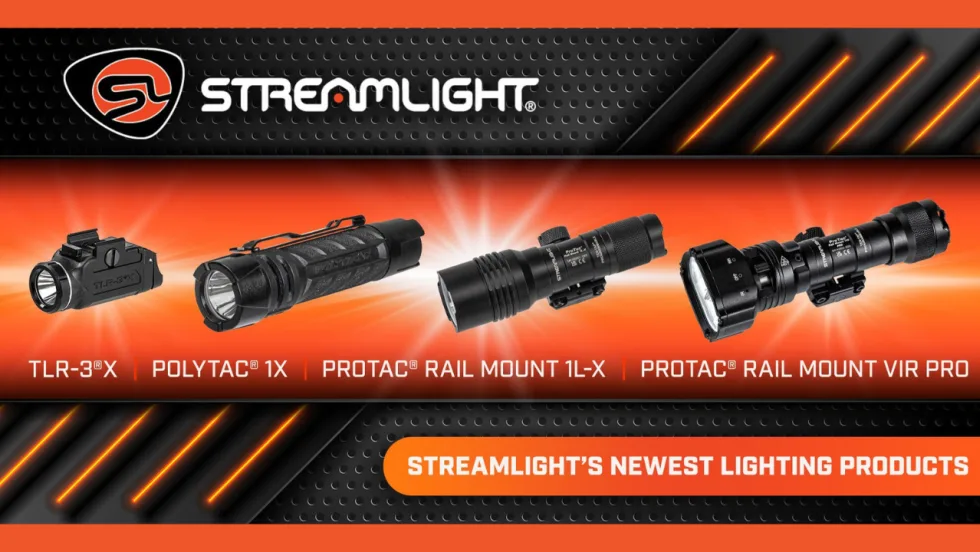
Streamlight to Showcase Newest Lighting Products for Law Enforcement Professionals at IACP 2026
Streamlight will showcase its newest lights for law enforcement at the International Association of Chiefs of Police Annual Conference & Expo. Featured lights will include the TLR-3 X, the PolyTac 1X, and more.
Read More →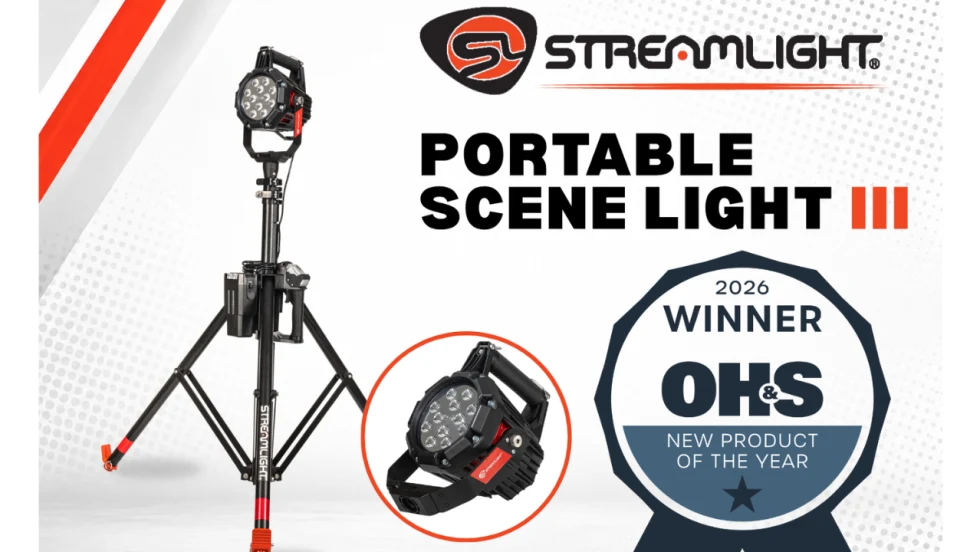
Streamlight Portable Scene Light III Wins 2026 OH&S New Product of the Year Award
Streamlight’s Portable Scene Light III has won the 2026 Occupational Health & Safety (OH&S) New Product of the Year Award in the Lighting category.
Read More →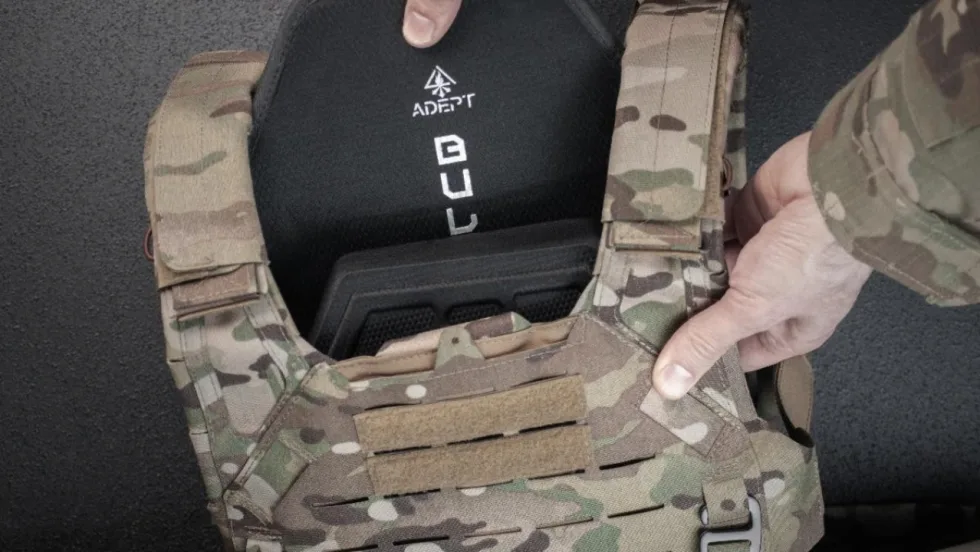
Adept Armor Introduces Two New Rifle Plates
Adept Armor has launched two new Level IV ballistic plates, the Emperor and the Archon Mark 2, which brings Adept Armor’s new Quatroid ceramic to the high-threat, performance-value center of the range at 5.2 pounds.
Read More →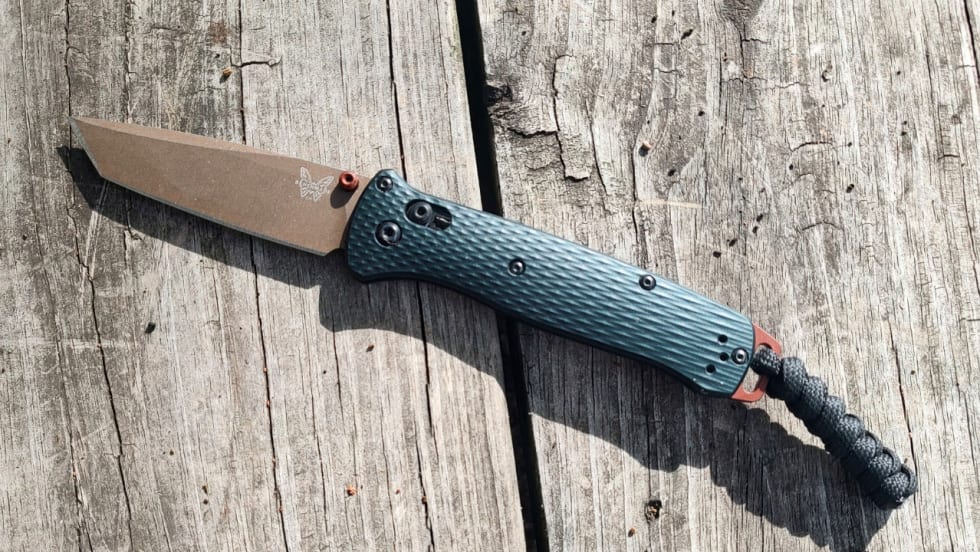
POLICE Product Test: Benchmade Bailout
The Benchmade Bailout is a slim, lightweight carry knife with a deep-ride pocket clip and comes in a variety of blade steels and scales. Here is a detailed review of the Taiga Green Bailout, released earlier this year.
Read More →
NLEOMF Announces July 2026 Officer of the Month
NLEOMF honored a Michigan deputy sheriff as the July 2026 Officer of the Month for rescuing a trapped driver from a burning vehicle following a Fourth of July crash.
Read More →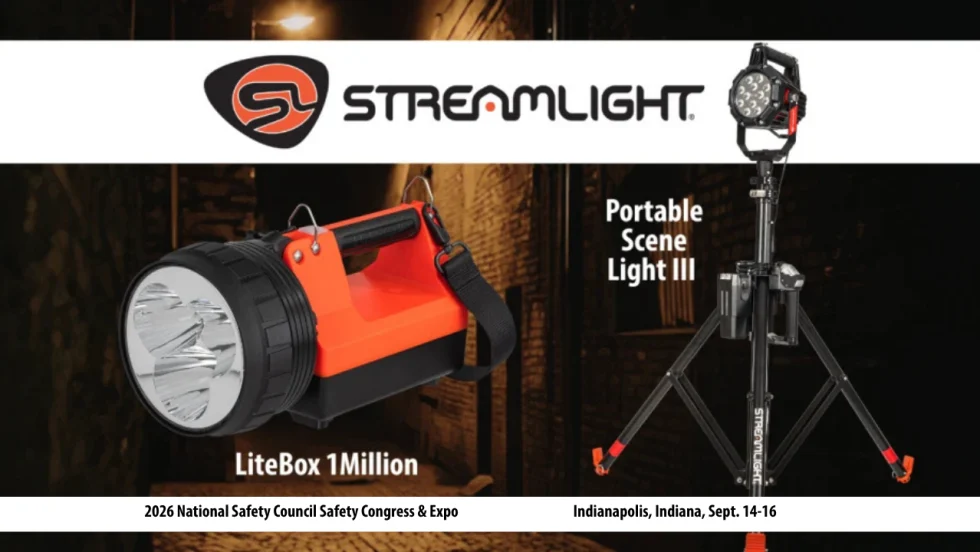
Streamlight to Showcase Newest Lighting Products at National Safety Council’s Safety Congress & Expo 2026
Streamlight will showcase its latest lights, including the Portable Scene Light III and the LiteBox 1Million, at the 2026 National Safety Council (NSC) Safety Congress & Expo.
Read More →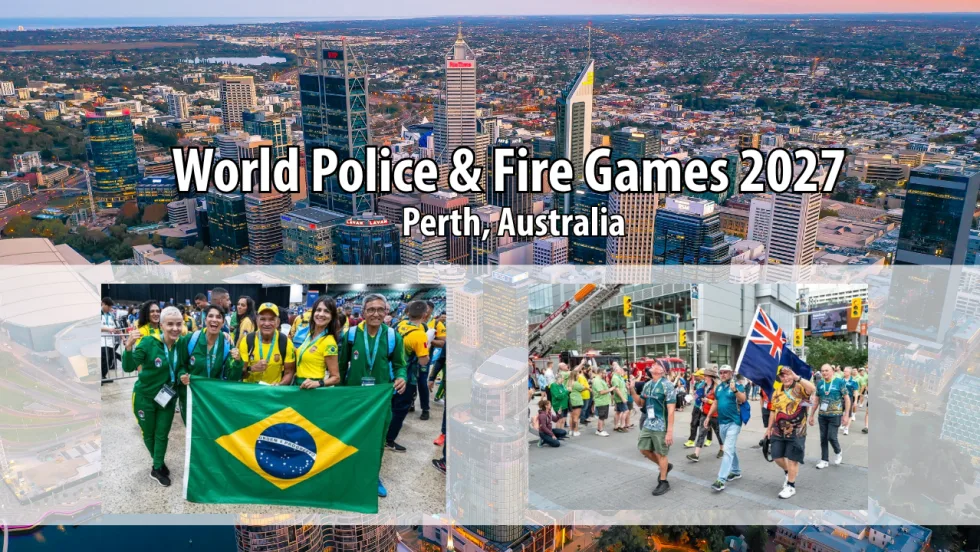
The 2027 World Police & Fire Games Set for Perth, Australia
The 2027 World Police & Fire Games (WPFG) will take place in Perth, Western Australia, from Friday, March 12 through Sunday, March 21, 2027.
Read More →
5.11 Partners with National Fallen Firefighters Foundation to Support #ForThe343
5.11 has joined the nationwide movement honoring the 343 New York City Fire Department firefighters lost on Sept. 11, 2001.
Read More →
Team Wendy Announces Title Sponsorship of the Jorge Pastore Foundation
Team Wendy’s 3-year partnership with the Jorge Pastore Foundation expands access to programs that strengthen those who serve.
Read More →