



10 Things You Need to Know About Folding Knives
A good quality folding knife can be an excellent backup weapon when nothing else is available. This is especially true when some dirtbag has grabbed your gun and you're having to use your strong hand to keep it in your holster and you need a piece of steel in your weak hand to discourage him.

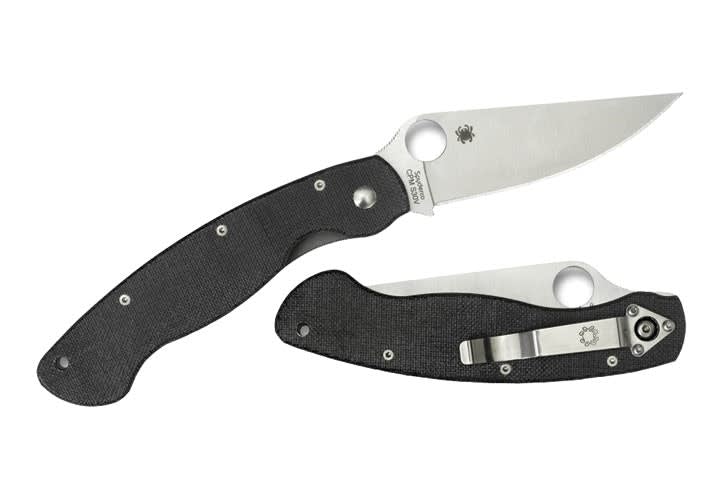
Spyderco's Military LH folder is specifically made for southpaws. Photo: Sypderco
Few tools carried by the average officer are more useful on the job than a quality folding knife. A good blade can be used to cut rope, webbing, or seat belts; open boxes; peel an apple, and handle a bunch of different chores.
And oh, yes, a good quality folding knife can be an excellent backup weapon when nothing else is available. This is especially true when some dirtbag has grabbed your gun and you're having to use your strong hand to keep it in your holster and you need a piece of steel in your weak hand to discourage him. A blade across the back of the hand is a powerful discouragement.
For these reasons most cops carry at least one folding knife while on duty. Many take those knives for granted. But there's a lot that you should know before you buy a knife, and a knife like any tool needs some TLC to keep it in top shape.
1. Hand Feel
You want a knife that feels like an organic extension of your own hand. This is a matter of size, weight, grip, and handle design. "Hold it in your hand with your eyes open and then close your eyes," advises Bill Raczkowski, category manager for Gerber. "If you have to use this knife in an emergency, you may have to do so without looking at it. Make sure it feels like part of your own body." For officers who wear gloves on duty, Raczkowski adds that they should also test the hand feel while wearing the gloves.
2. The Business End
The most important aspect of any knife is the blade. A savvy buyer has to consider the blade design, the material used to make the blade, and the length of the blade. But the tip is one of the first things you will notice when you open a blade. Folding knives suitable for police duty generally have one of two types of blade points: tanto and drop point.
Tanto blades are based on the design of a Japanese fighting knife that was traditionally made from a broken sword. The blade maintains its thickness until the very tip then it angles to a very sharp point. This design makes many people believe the blade is stronger at the tip. It also makes the blade an excellent puncture and chopping tool. A fixed blade tanto is even a very powerful prying tool. Note: a folding knife should not be used for prying because the liner can slip or even break, causing catastrophic failure.
Drop Point blades are the traditional rounded blade like a kitchen knife. They are great for slicing things and for skinning animals. These blades thin out toward the tip, which makes this design the preferred tool for making fine cuts.
3. Teeth or No Teeth
The other concern for blade design is whether the blade is serrated or a straight edge. There are advantages and disadvantages to both. Serrated blades are excellent tools for ripping through webbing, rope, and other fibrous materials. They also don't have to be kept as sharp as straight edges to be effective, which is good because they are much more difficult to sharpen than straight edges. There are several options for sharpening a straight edge; the only good way to sharpen a serrated edge is with a round file.
4. Carbon Content
There are two major factors that go into determining the quality of blade steel: chemical composition and hardness.
Chemical Composition—Blade steel is made of a bunch of different stuff, including carbon, cobalt, chromium, nitrogen, magnesium, molybdenum, nickel, phosphorous, sulfur, vanadium, silicone, and tungsten. A high carbon content makes the blade hold an edge a lot better, but it also makes it susceptible to corrosion. For this reason, low carbon content blades are preferred for marine use. Many knife manufacturers list the codes for chemical composition of their knife blades on their Websites. And if you have any questions, you can call their customer service.
Hardness—This is a function of heat treatment and carbon content, and it is expressed as a Rockwell Hardness code. The hardness of steel is measured with a special machine, so it's not something that you can safely test on your own. Hardness levels for blades tend to be in a range of Rockwell 55 to Rockwell 60, which means they are soft enough to be sharpened and hard enough to withstand tough use. When the blade steel is too hard it gets brittle, and it is difficult to sharpen.
5. Getting a Handle
Folding knives are manufactured with several different types of grips, including plastic, polymer, aluminum, G-10 (resin-coated glass fiber), and titanium, just to name a few. Knife collectors and aficionados tend to prefer expensive metal grips, but for the average user, the main thing about grips is feel. If you don't like the grip, then it's not the right grip for you. "An aluminum grip is not any more durable than a molded plastic handle knife. It's just a matter of personal preference," says Chris Cashbaugh of SOG Knives.[PAGEBREAK]
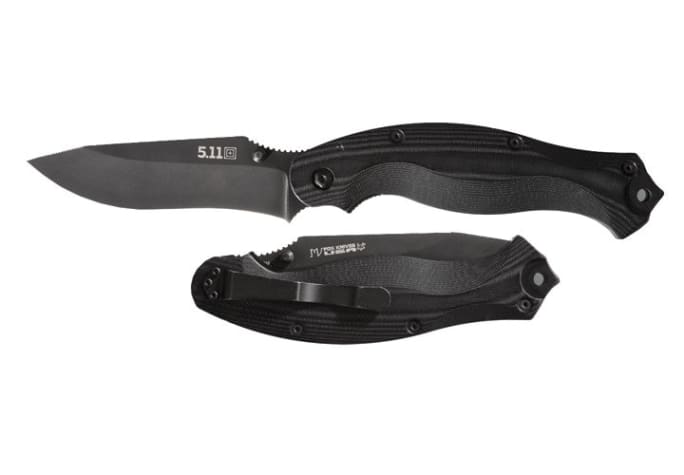
5.11 Tactical's XPRT folder includes a glass breaker. Photo: 5.11 Tactical
6. Easy Opening
There are now essentially three types of folding knife actions: manual, assisted opening, and automatic.
Manual—A manual folding knife is one that requires you to physically open the blade, using a thumb stud, a cut out, or some other system.
Assisted Opening—The first thing you need to know about assisted opening knives is that they are not automatics. They are therefore legal in all 50 states (depending on blade length). In order to engage the blade on an assisted opening knife, you have to start opening that blade; you can't just push a trigger.
Automatic—Switchblades are illegal to own in all 50 states, unless you are military or law enforcement. This law is based on worries about automatic knife-wielding juvenile delinquents from the 1950s, as depicted in movies like "Blackboard Jungle" and "West Side Story." The law is ridiculous; most people who practice with manual folding knives can flip open the blade as quickly as they can push the trigger on an automatic knife. Plus, today's juvenile delinquents use AK-47s, so it seems strange to worry about their access to switchblades.
7. Keeping It Sharp
The most important thing for knife owners to know about sharpening, according to SOG's Cashbaugh, is to keep the knife sharp. "Don't wait until your knife is dull to sharpen it," he says. There is no one preferred way to keep a knife sharp. Some people swear by whet stones, others prefer honing rods, and others use ceramic or carbide sharpening devices and even pocket sharpeners. You can also take your knife to a professional. Whatever you decide to do, the critical concerns when sharpening are not to wear off too much steel from the blade and to keep the angle accurate. "Whatever brand knife you have, contact the company and ask them what the angles are for sharpening it," says Benchmade brand manager Jason Boyd. He also recommends that knife owners run a Sharpie pen over the blade edge before sharpening. "That tells you how much steel you need to take off. Your goal is to roll that steel back over."
8. Price Vs. Quality
Folding knives range in price from $5 to $500. And that $5 knife is functional. So why would anyone pay much more for a quality knife? The premium knife is made of better steel that holds an edge longer; it has better grips and liners, and it offer better design and engineering.
9. Know Your Policy
Some agencies have policies regarding what types of knives their officers can carry. Some don't. Know your agency's official policy regarding knives and find out if there's an unofficial policy. Don't wait until something happens on the street and you use the knife and find yourself jammed up.
10. Practice Saves Lives
If you carry a knife, be ready to use it. That means positioning the knife for easy access for you but not for a perp, and practicing. "If you are carrying a knife, you need to know how to use it," says Gerber’s Raczkowski. "That means being ready to use it with either hand, whether it's the middle of the day or the middle of the night."
For More Information:
5.11 Tactical
BlackHawk
Benchmade Knife Company
Emerson Knives
Gerber
Ka-Bar
SOG Specialty Knives
Spyderco
More Weapons
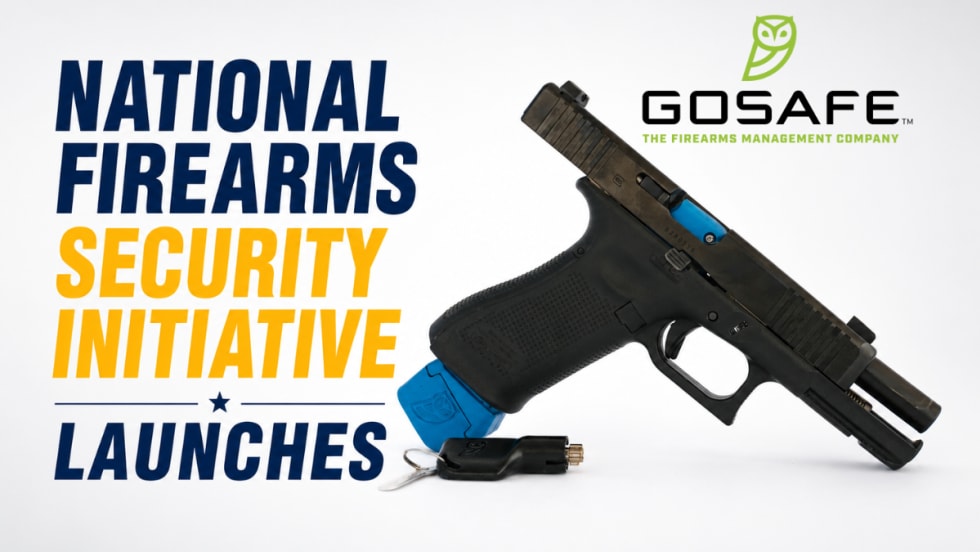
GOSAFE Technology Announces Public Safety Initiative Focused on Firearm Security and Risk Reduction
GOSAFE Technology’s new initiative provides support for agency-level solutions around secure firearm storage, vehicle-storage risks, off-duty firearm security, firearm accountability, and the public safety consequences that may result when firearms are stolen, lost, improperly secured, or diverted from lawful possession.
Read More →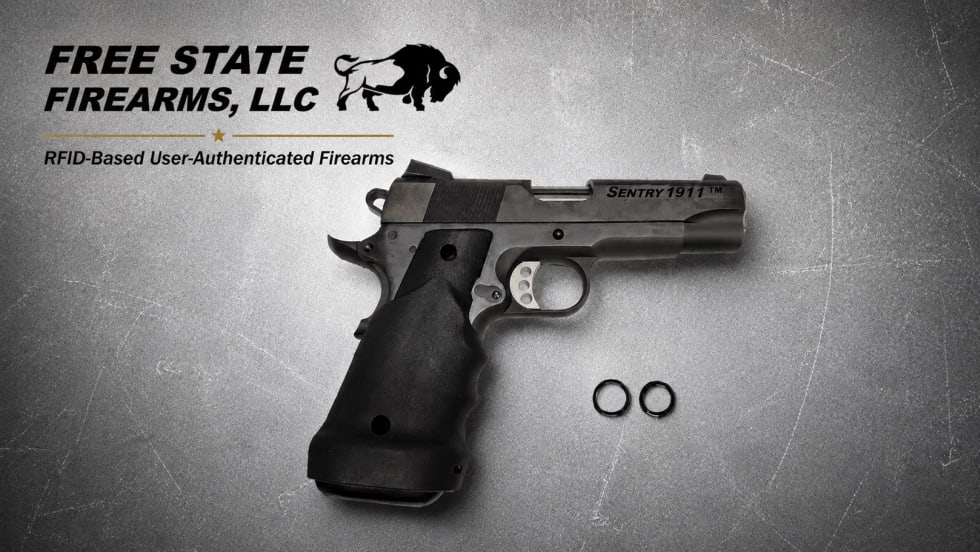
Texas Sheriff’s Office Deploys RFID-Based User-Authenticated Firearm for Prisoner Transport Operations
A sheriff’s office in Texas is now using RFID-based user-authenticated firearms, from Free State Firearms, for prisoner transfer and transport operations.
Read More →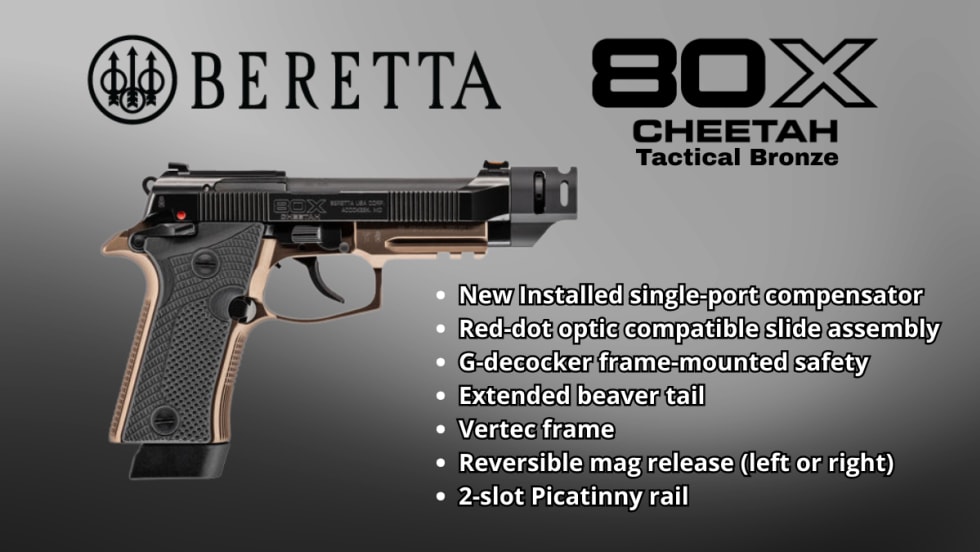
Beretta Introduces the 80X Cheetah Tactical Bronze
Beretta has launched the 80X Cheetah Tactical Bronze, which features a fiber-optic front sight, a serrated rear sight, and a Picatinny rail for accessory mounting, and ships with three 15-round extended magazines.
Read More →
Wrap Raises $5 Million to Restart Domestic Manufacturing & Advance R&D
With new funding, Wrap Technologies will restart domestic manufacturing, advance validated R&D programs into commercialization, and responsibly accelerate early growth initiatives aligned with rising demand for non-lethal response capabilities.
Read More →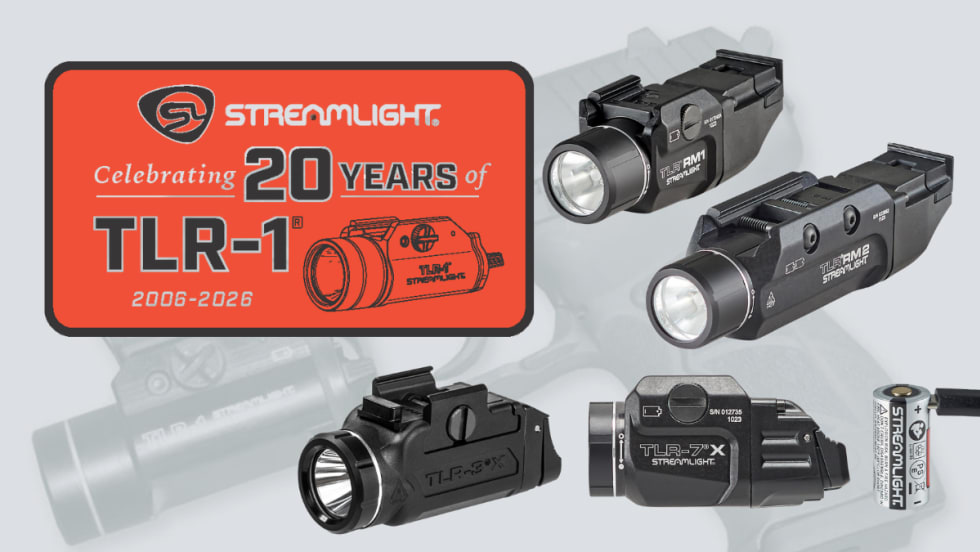
Streamlight Celebrates the 20-Year Anniversary of the TLR Series
This year, Streamlight marks two decades of weapon-mounted lighting innovation with the 20th anniversary of the TLR-1.
Read More →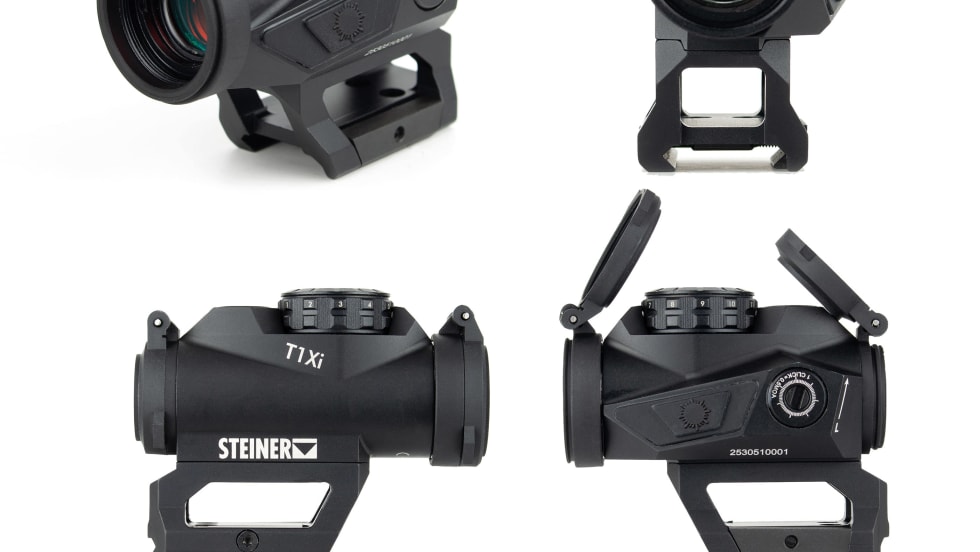
Steiner’s T1Xi Selected as Top Performer in Texas DPS Optic Evaluation
Steiner Optics’ T1Xi was selected as the top-performing red dot in the recent Texas Department of Public Safety optic evaluation.
Read More →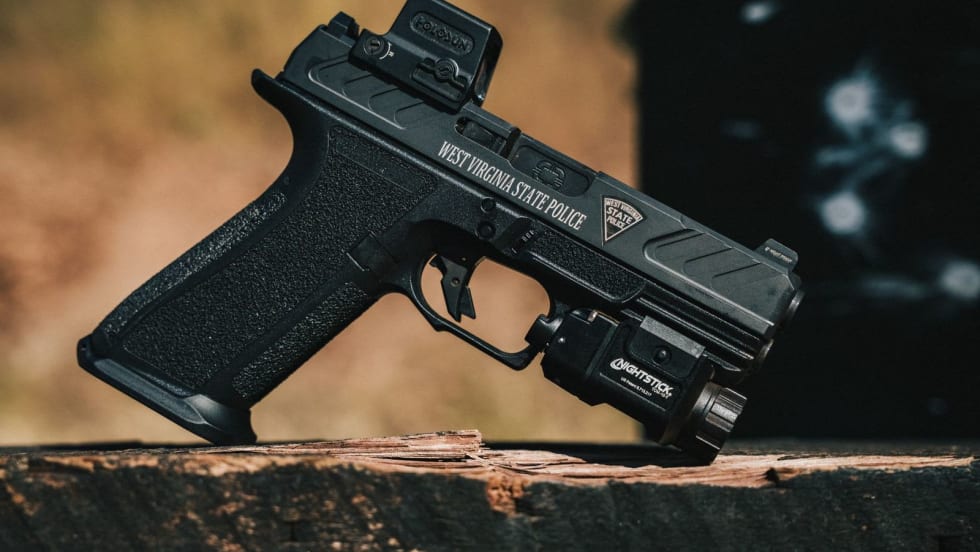
Shadow Systems Selected as Exclusive Pistol Provider for West Virginia State Police
Shadow Systems will provide 700 XR920 crossover pistols for West Virginia State Police troopers and 80 CR920X high-capacity subcompact pistols for the Bureau of Criminal Investigation.
Read More →
Aimpoint Celebrates 50 Years of Innovation and Excellence in Sighting Technology
Aimpoint is marking its 50th anniversary in 2025, celebrating five decades of red dot innovation trusted by military, law enforcement, and tactical professionals worldwide.
Read More →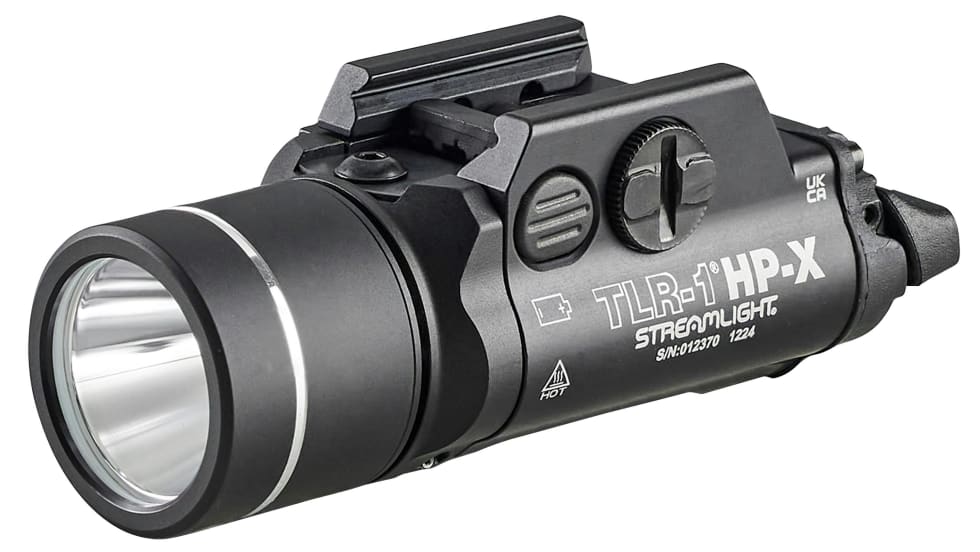
Streamlight Introduces Long-Range Handgun Light
“Our newest weapon light provides an industry-leading level of candela for handguns, giving users enhanced visibility under low light conditions, such as when searching a dark alley,” said Streamlight President Michael F. Dineen.
Read More →
Georgia Sheriff Warns Criminals They Face Felony Charges for Having Glock Switches
This device by itself, regardless if it is installed on a slide or not, is classified by the ATF to be a machine gun, which is illegal to possess,” the Bibb County Sheriff’s Office said.
Read More →