



Empathetic Police Less Effective in the Face of Public Criticism, Study Says
Police officers who endorse an empathetic approach to criminal justice do not perform as well when they sense they are underappreciated, according to new research from The University of Texas at Austin.

Police officers who endorse an empathetic approach to criminal justice do not perform as well when they sense they are underappreciated, according to new research from The University of Texas at Austin.
In the study, published in Administrative Science Quarterly, officers' ideology — liberal or conservative — determined how well they weathered perceived animosity and lack of appreciation from the public, said study author Shefali V. Patil, assistant professor of management in the university's McCombs School of Business.
Patil surveyed 164 officers about how they view the criminal justice system and how well the public understands the challenges of their job. She had independent experts analyze 794 bodycam videos of the officers carrying out their everyday duties — jail transports, traffic and DUI stops, transient arrests, car crashes, building searches, and house alarm calls.
She found that those who favored a more compassionate approach to justice struggled to be effective when they felt underappreciated. These officers were more likely to score lower on overall performance, competence, and use of tactical best practices for officer safety.
Alternatively, officers who lean conservative — favoring punitive rather than rehabilitative approaches to justice — did not suffer performance issues in the face of the same negative public perceptions. The expert raters found that these officers generally performed as trained.
"Conservative cops believe there should be a divide between themselves and the community," Patil said, whereas the more empathetic officers may strive for mutual understanding and become frustrated in the effort.
She warns that this frustration and the inability to cope with misunderstanding could cause an exodus of empathetic officers from law enforcement over time. In light of this research, Patil urges policymakers to accept public misunderstandings as a given in today's climate and to rigorously explore the most effective ways to help officers — both liberal and conservative — continue to perform their duties despite these perceptions.
"What I've found in another paper is that when officers face these misperceptions, they actually perform better if they have standard protocols that they have to follow in specific situations," she said. "In effect, having less autonomy and discretion can actually be a good thing for officers who feel that the public doesn't understand them."
Also helpful — perhaps especially for the more empathetic officers — are public policy initiatives aimed at making police agencies feel more appreciated by their communities, creating an environment where scrutiny is balanced with a sense of understanding and empathy for the realities that police face, she said.
More Patrol

Team Wendy Introduces the EXFIL Endurance Ballistic Helmet, Engineered to Reduce the Burden of Extended Wear
Team Wendy has launched its EXFIL Endurance, a new lightweight ballistic helmet engineered to deliver protection, comfort, and fit during demanding, extended operations.
Read More →
The First Responders Children’s Foundation National First Responders Day Roll Call of Heroes Ceremony Returns to Times Square, NYC
First Responders Children’s Foundation (FRCF), in collaboration with T-Mobile, will host the Roll Call of Heroes ceremony in Times Square to commemorate National First Responders Day on Wednesday, Oct. 28. During the event, FRCF will present 18 Hero Awards.
Read More →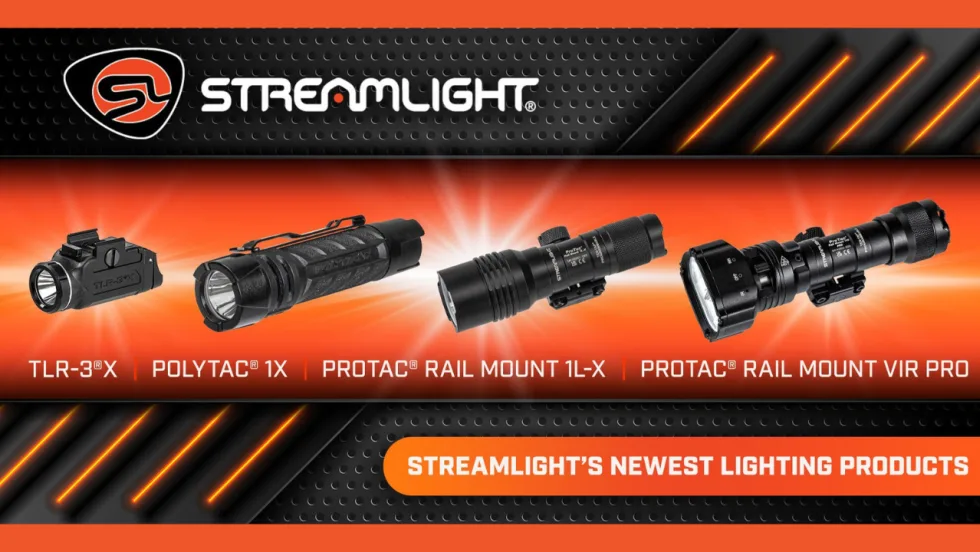
Streamlight to Showcase Newest Lighting Products for Law Enforcement Professionals at IACP 2026
Streamlight will showcase its newest lights for law enforcement at the International Association of Chiefs of Police Annual Conference & Expo. Featured lights will include the TLR-3 X, the PolyTac 1X, and more.
Read More →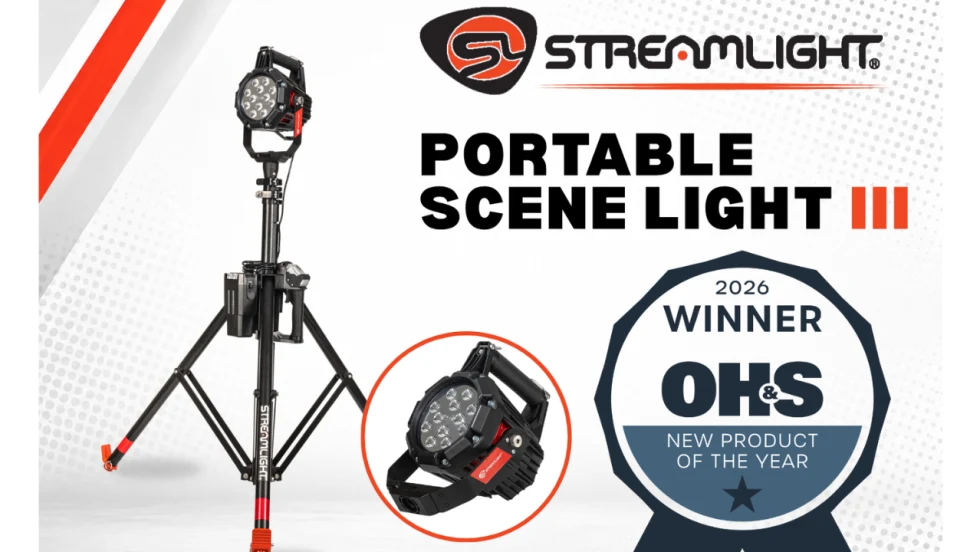
Streamlight Portable Scene Light III Wins 2026 OH&S New Product of the Year Award
Streamlight’s Portable Scene Light III has won the 2026 Occupational Health & Safety (OH&S) New Product of the Year Award in the Lighting category.
Read More →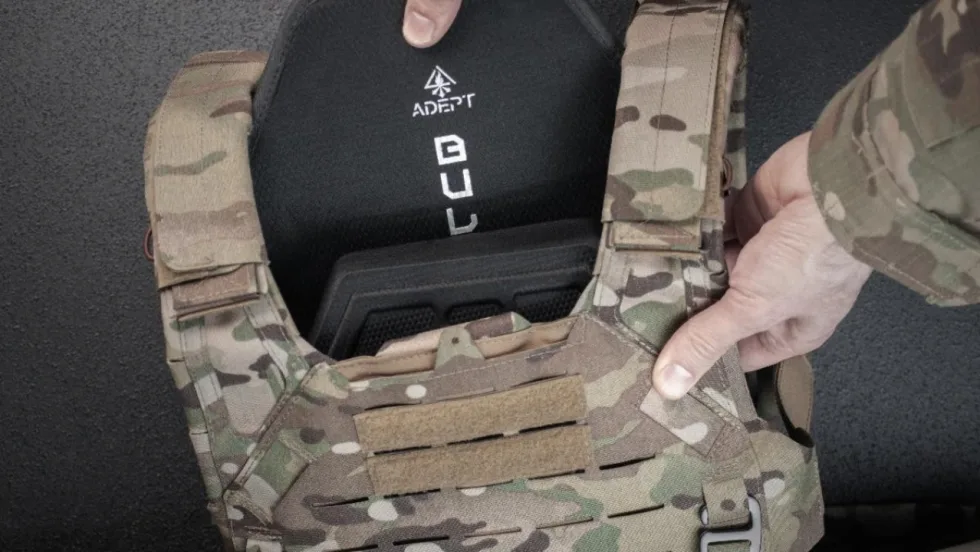
Adept Armor Introduces Two New Rifle Plates
Adept Armor has launched two new Level IV ballistic plates, the Emperor and the Archon Mark 2, which brings Adept Armor’s new Quatroid ceramic to the high-threat, performance-value center of the range at 5.2 pounds.
Read More →
POLICE Product Test: Benchmade Bailout
The Benchmade Bailout is a slim, lightweight carry knife with a deep-ride pocket clip and comes in a variety of blade steels and scales. Here is a detailed review of the Taiga Green Bailout, released earlier this year.
Read More →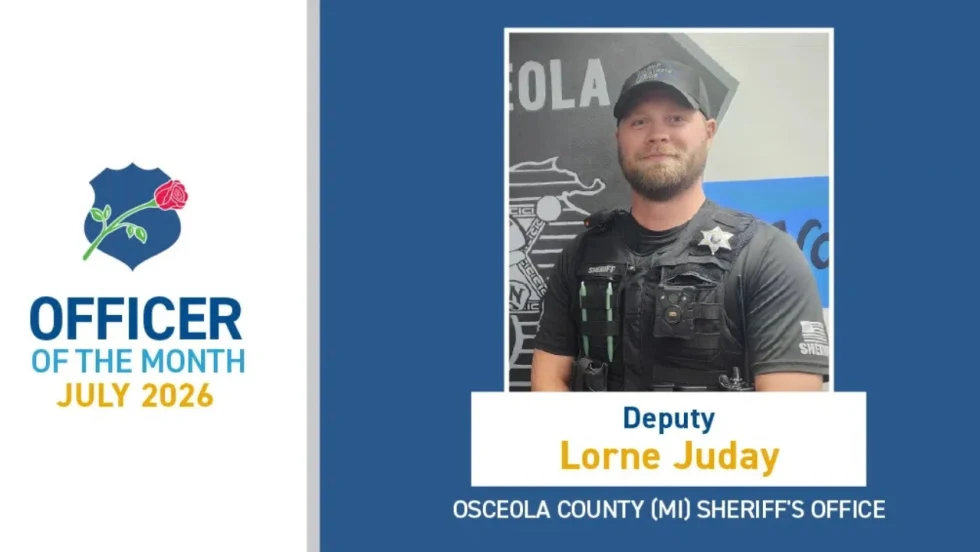
NLEOMF Announces July 2026 Officer of the Month
NLEOMF honored a Michigan deputy sheriff as the July 2026 Officer of the Month for rescuing a trapped driver from a burning vehicle following a Fourth of July crash.
Read More →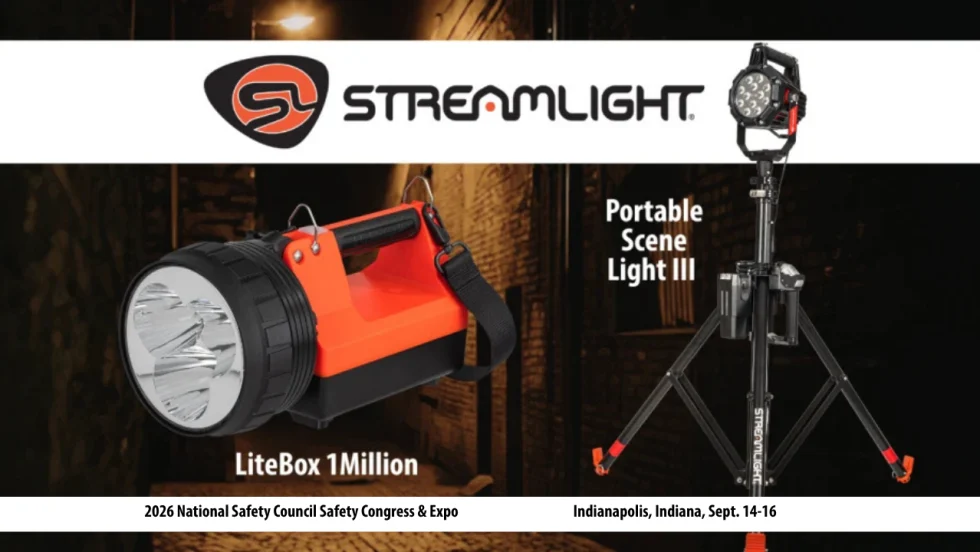
Streamlight to Showcase Newest Lighting Products at National Safety Council’s Safety Congress & Expo 2026
Streamlight will showcase its latest lights, including the Portable Scene Light III and the LiteBox 1Million, at the 2026 National Safety Council (NSC) Safety Congress & Expo.
Read More →
The 2027 World Police & Fire Games Set for Perth, Australia
The 2027 World Police & Fire Games (WPFG) will take place in Perth, Western Australia, from Friday, March 12 through Sunday, March 21, 2027.
Read More →
5.11 Partners with National Fallen Firefighters Foundation to Support #ForThe343
5.11 has joined the nationwide movement honoring the 343 New York City Fire Department firefighters lost on Sept. 11, 2001.
Read More →