



Officer Fitness: The Drag Move
Pulling heavy objects is effective as a strength and endurance builder.

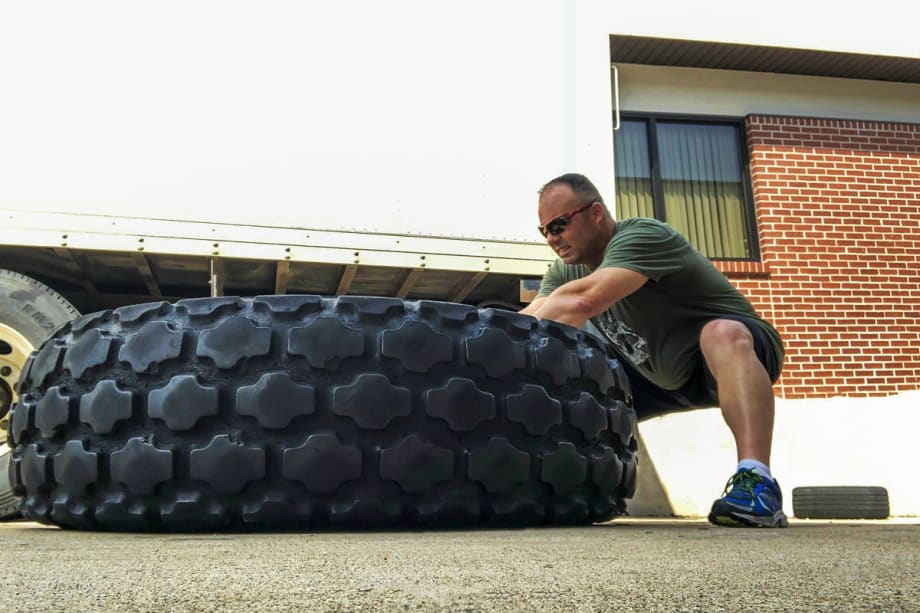
Dragging fulfills a number of fitness objectives, but it also trains the body for certain types of activities that law enforcement officers must perform in the line of duty.
Photo: J.D. Dougherty/Survival Legion
I'm a big proponent of dragging objects as part of a fitness regimen. Dragging fulfills a number of fitness objectives, but it also trains the body for certain types of activities that law enforcement officers must perform in the line of duty. As part of my workouts through Survival Legion, I tend to drag an object such as a large tire or a weighted workout sled.
A resistance exercise, dragging builds muscle power, burst power, and endurance. This means it helps improve strength as well as the ability to use that strength in short bursts and over extended periods of time, all of which are important for police work. A 2010 study (Strength and Power Development in Women) found that such exercises improved the overall strength and endurance for the approximately 15% of women (at the time) who made up civil and federal law enforcement and the military.
Walking backward with a rope/sled combo works the quadriceps—the muscles located on the front of your thighs. Walk backward at a good clip and you'll smoke your quads, guaranteed. This is also a viable alternative to squats.
Turning around and dragging a weighted sled, by comparison, is useful in preparing for those times when you have to run or sprint on the job or grapple with someone.
Dragging from a squatting position not only works your legs but also your back muscles—which is really handy for those of you who must move mountains (and large people) for a living.
This isn't an exercise you need to do every day, but incorporating it into your routine a couple of times per week isn't a bad idea, especially if you're looking to build strength and endurance in your lower body more quickly.
Drag Move Workouts
To incorporate drag moves into your exercise routine, here are several suggested workouts. For these exercises, secure a heavy tire (like the one you may use for tire flips) or a 100-pound weighted sandbag.
Drag Workout 1
• Drag for 10-15 yards
• 10 tire flips
• 10 box jumps*
*You can substitute simple box step-ups if you're wearing your gear
Drag Workout 2
• Drag for 10-15 yards
• 40-yard kettlebell sprint
• Overhead weight carry (45 pounds) for 50 yards
Drag Workout 3
Or you could simply make your dragging the workout, and supplement it with periodic sprints of 50 yards.
Drag for 100 yards in graduated distances:
• Begin with 10-yard drags and a sprint
• Rest, then repeat
J.D. Dougherty, a former paramedic, firefighter, and 15-year military veteran of OEF, is co-founder of Survival Legion (https://suvivallegioncom.wordpress.com/), a vet-owned company that stresses functional fitness and draws its uniqueness from the Roman Legions.
More Training
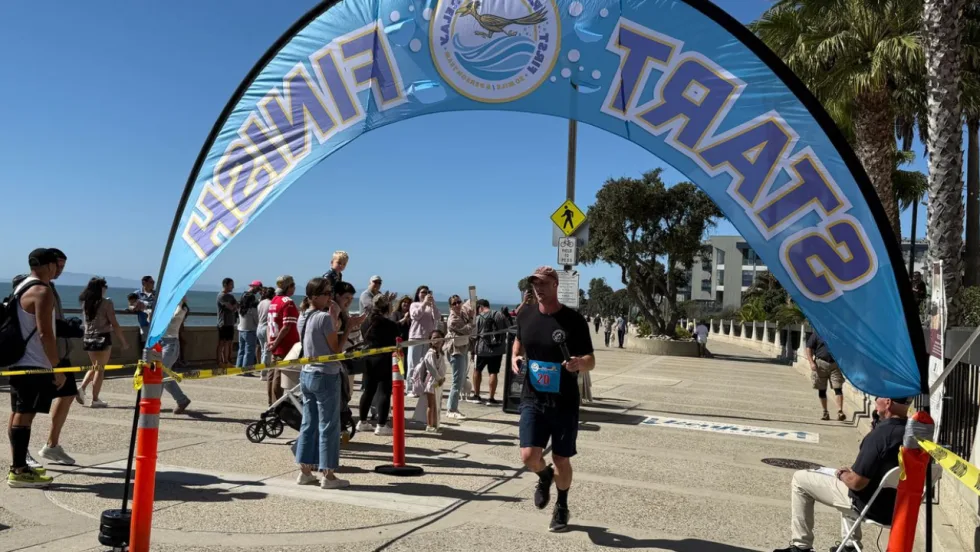
Registration Underway for Sixth Annual First Responders Relay
The California Police Athletic Federation’s annual First Responder Relay will welcome first responder teams from across the globe to compete along Ventura's scenic coastline on Oct. 11. Registration is underway.
Read More →
Vector Solutions Launches Comprehensive Online Dispatch Training Catalog for Emergency Communications Professionals
Vector Solutions’ new catalog of 35 expert-developed online courses can help emergency communication centers strengthen training, meet certification requirements, and simplify continuing education.
Read More →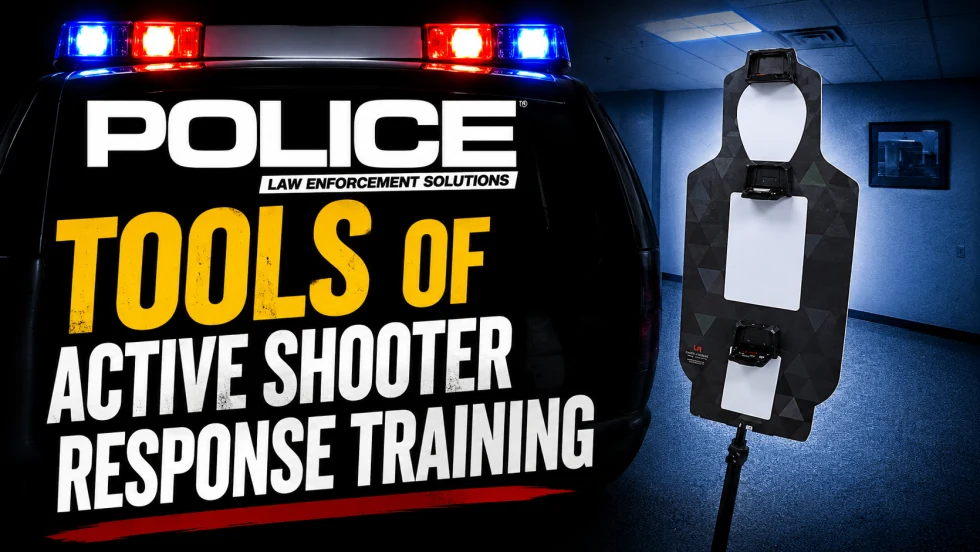
Tools for Active Shooter Response Training
What technologies help prepare officers for active shooter response situations? This behind-the-scenes look at law enforcement training explores shot simulators, smart firearms, laser target systems, and the tools used to build safer, more effective training environments.
Read More →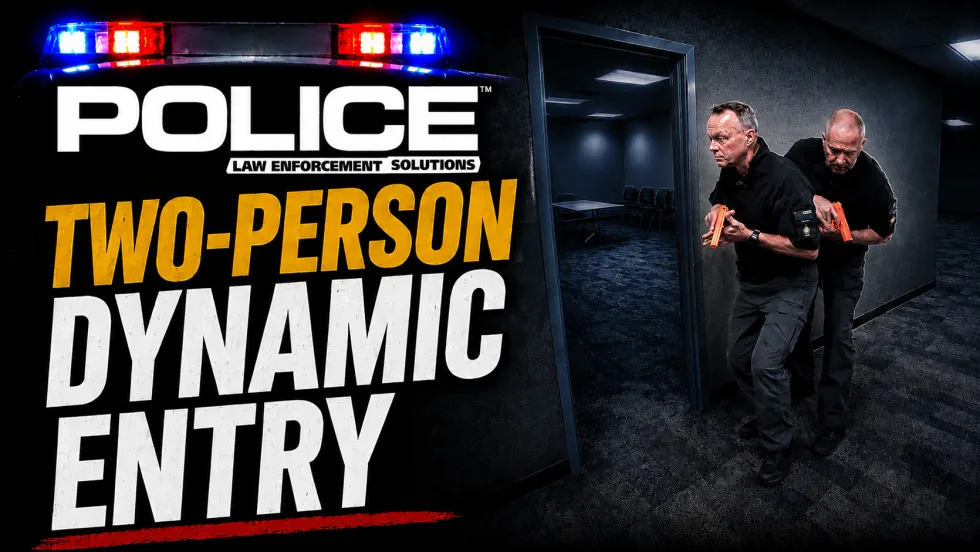
Two-Officer Tactical Doorway Entry Techniques
Entering a room during active-threat situations requires communication, coordination, and disciplined tactical movement. In this video, trainers from the United States Deputy Sheriff’s Association demonstrate critical room entry concepts, including fatal funnel awareness, team coordination, and safe tactical movement.
Read More →
High Compressed Ready Explained | Muzzle Control For Room Entry
In this video, Mike Willis, law enforcement national training and program director for the United States Deputy Sheriffs’ Association, demonstrates the high compressed ready position and discusses muzzle control during room entry.
Read More →
Why Attend the DroneSense Innovation Summit by Versaterm?
Let’s hear from Ryan Bracken, head of product, about why your agency should send someone to the first annual DroneSense Innovation Summit by Versaterm in April.
Read More →
Caswell Live Fire Spins Off from InVeris
Caswell Live Fire has spun off from parent company InVeris, coinciding with the 100th anniversary of Caswell’s founding. Over the past 100 years, Caswell has developed pioneering solutions that support military, law enforcement, and commercial clients worldwide.
Read More →
When Do You Transport a Wounded Officer Instead of Waiting for EMS?
Thumbnail for video series POLICE Topics, Tactics & Tips with a yellow headline that reads When Do You Transport a Wounded Officer Instead of Waiting for EMS?
Read More →
How to Pick Your High-Risk Stop Location for Tactical Advantage
Hear veteran trainer Mike Willis, of the United States Deputy Sheriff’s Association, explain several considerations that can help you wisely pick your best spot to initiate high-risk or felony traffic stops.
Read More →
Coffee Break with Police Experts: Using Your Patrol Vehicle for Cover
In this video, hear from Dustin Mowery, a product specialist at Team Wendy, as he discusses how to best use a patrol vehicle for cover.
Read More →