



Oregon Bill Would Allow Police Agencies to Use Drone as First Responder
Currently, police can only use drones without a judge’s permission under “exigent circumstances,” such as when someone is in immediate harm or suspects are fleeing.
A bill that would grant police across Oregon broader powers to use drones to respond to 911 calls of crimes in progress, scope out crash scenes before officers can arrive, chase fleeing suspects and search for missing children or elderly adults advanced through a crucial first stage at the Legislature Monday.
Senate Bill 238 passed out of the Senate Judiciary Committee Monday on a 5-1 vote and is headed to the Senate floor. Sen. Mike McLane, a central Oregon Republican, was the only committee member to vote against the bill, OregonLive.com reports.
Supporters say the bill could dramatically increase officer safety, effectiveness and efficiency — and allow Oregon law enforcement to join agencies across the country from California to New York who regularly use the technology to carry out their work.
But opponents say it would hand police unchecked powers and lead to invasions of personal privacy. They also worry drones with cameras recording protesters could be used as a tactic to squelch speech.
Michael Abrams, policy counsel for ACLU of Oregon, told the committee last month that the bill “would provide a legislative blank check for law enforcement agencies to begin deploying seemingly unlimited quantities of drones” and that it would amount to a colossal allocation of power that “could usher in an era of mass aerial surveillance that has a severe chilling effect on our public speech, assembly and movement rights.”
To try to address that, Sen. Floyd Prozanski, a Eugene Democrat and chair of the committee that filed the bill, said an amendment to the bill explicitly bans police from using drones to collect information about individuals who aren’t suspected of committing crimes. The bill also forbids police from using drones for traffic enforcement.
Currently, police can only use drones without a judge’s permission under “exigent circumstances,” such as when someone is in immediate harm or suspects are fleeing. But police say the real-world conditions under which those circumstances apply are too narrow. Otherwise, police must obtain a warrant, and they say that’s a delay that can result in suspects escaping, property being damaged or even people dying.
More Technology

How Motorola Solutions’ New “Insights” Platform Helps Public Safety Agencies Identify Trends to Improve Their Operations
Motorola Solutions has introduced Insights, which leverages Assist, its mission-critical artificial intelligence (AI), to address these challenges and shape what’s next for public safety analytics and reporting technology.
Read More →
What Qualifies a Laptop as Rugged or Fully Rugged?
Police officers face a wide range of working conditions that can damage or even destroy a regular consumer laptop. Learn what qualifies a computer as rugged or fully rugged and why those devices are vital for law enforcement.
Read More →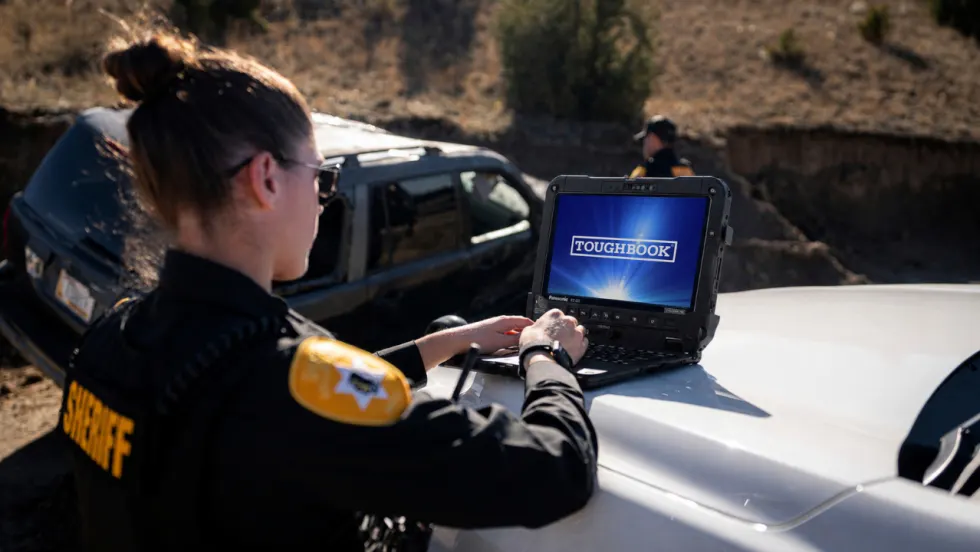
Panasonic Connect Launches the Toughbook 34 and Toughbook G3, Fully Rugged 2-in-1 Mobile Computers
Panasonic Connect has launched the Toughbook 34 and Toughbook G3 to facilitate in-vehicle dispatch, records management, and mobile command operations from any location.
Read More →

A police agency's guide to data-driven fleet management
Costs are rising and the public expects more transparency into how their tax dollars are spent. This e-book shows how police agencies can use fleet data to take control of fleet expenses while improving officer safety and demonstrating fiscal responsibility to the communities they serve.
Read More →
AI and analytics for law enforcement: Turning data into insights
Law enforcement agencies are managing more video, sensor data and digital evidence than ever before. Discover how AI and analytics can help turn that data into actionable insights that strengthen situational awareness, accelerate investigations and support more informed decisions.
Read More →
Vasco Electronics Adds Automatic Language Detection to Vasco Translator Q1
Vasco Electronics’ software update introduces hands-free language switching and expanded offline translation across 45 language pairs, empowering law enforcement, healthcare, and front-office enterprise teams
Read More →
North Miami Police Department Deploys Mark43
The North Miami Police Department has deployed Mark43 as part of its Five-Year Strategic Plan that represents its collective vision and goals for a more proactive police department, anchored by a core commitment to leveraging modern technology to enhance efficiency and public safety.
Read More →
Cellebrite Genesis for Enterprise Now Generally Available
Made available to the public sector in June, Cellebrite Genesis is serving a growing mix of national, regional, and local agencies worldwide, including some of the largest regional and metropolitan police departments. It is now available for enterprise organizations.
Read More →
2026 Vision FirstNet Users Summit to Host Emerging Leaders Training on Grassroots Advocacy for Public Safety
“Emerging Leaders Training: Understanding the Importance of Grassroots Advocacy for Public Safety," a session during the 2026 Vision FirstNet Users Summit, will offer a roadmap for unified advocacy at the federal level.
Read More →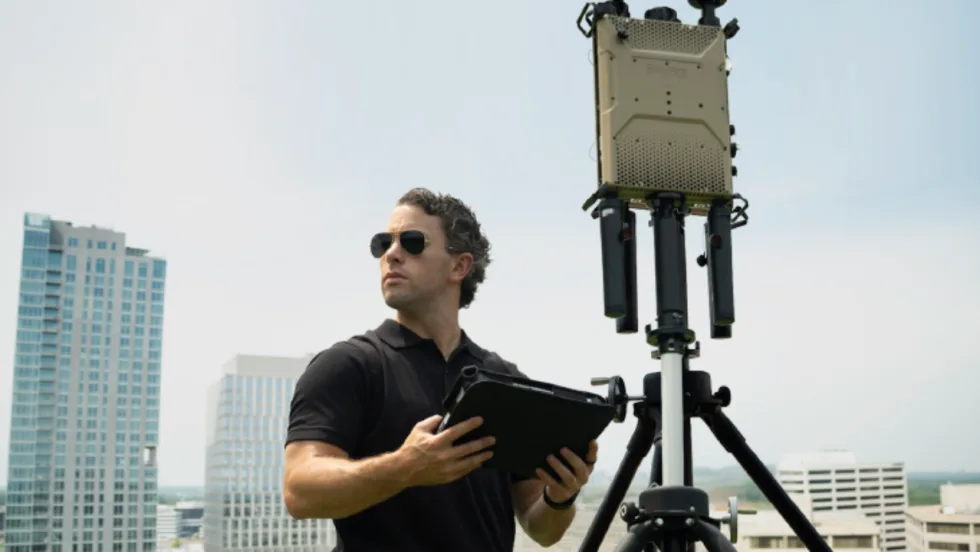
Motorola Solutions Completes Acquisition of D-Fend Solutions
Motorola Solutions has acquired D-Fend Solutions, an industry leader in counter-drone technology. This deal provides public safety and enterprise customers with access to advanced counter-unmanned aerial systems.
Read More →