



Fatal Stabbing Shows Gaps In NYC Subway Surveillance
Without any video footage of the attack, the NYPD returned to the lower-tech practice of circulating fliers without a description of the suspect.


A fatal stabbing at the Christopher Street Station has highlighted the MTA's troubled anti-terror surveillance system. Image via larryrrr (Flickr.com).
A fatal stabbing in a New York City subway tunnel in late March again highlighted the Metropolitan Transportation Authority's struggle to deploy video surveillance as a post-9/11 anti-terror initiative.
A suspect who stabbed two men during the early morning hours of March 28 fled via train at the Christopher Street station, according to New York police. The station hasn't been equipped with any of the 4,313 surveillance cameras now installed in city subways.
Without any video footage of the attack, the NYPD returned to the lower-tech practice of circulating fliers without a description of the suspect.
A spokesman with the rapid transit agency told POLICE that the project is still on track, despite the dismissal of the contractor, ongoing legal battle and an array of technical setbacks.
The cameras have become increasingly important as the authority seeks to prevent terrorist attacks as it reduces the number of station agents amid budgetary cutbacks.
The MTA is still planning to activate 2,043 not-yet-operational cameras installed by Lockheed Martin Corp. Of those, 910 will be operational in June, according to Aaron Donovan, deputy press secretary with MTA.
Additionally, the agency has been consulting with the New York Police Department to help determine where additional cameras should be added.
"In a post-9/11 world we have worked together to harden our infrastructure, secure sensitive areas and prioritize locations for surveillance cameras," Donovan told POLICE. "We expect to have additional funding in the upcoming MTA Capital Program to add cameras in priority areas identified in consultation with the NYPD."
The MTA surveillance project has been, as the New York Times has written, "a patchwork of lifeless cameras, unequipped stations and problem-plagued wiring."
Frustration over delays and spiraling costs came to a head in April 2009, when the MTA fired contractor Lockheed Martin.
The company promptly sued the MTA, which filed its own counter-suit. While Lockheed claims the MTA refused to give them access to critical subway tunnels to install surveillance equipment, the MTA claims Lockheed failed to provide a system that actually worked.
The MTA's lawsuit claims the firm's system failed repeatedly during tests, that Lockheed falsely reported progressing work, that an MTA inspector was injured by faulty scaffolding and that Lockheed subcontractors botched installation of aerial wires across a bridge, the New York Post has reported.
An audit released earlier this year by New York State Comptroller Thomas Napoli said the project, which began in summer 2005, has so far cost $461 million, which is well above its initial $265 million price tag. The project may be 19 months to 50 months behind and will now cost $743 million, the audit found.
The MTA and Lockheed both declined to release details about the cameras, intelligent video software or other equipment being used.
"As active litigation, it's our company policy not to make comment on the details," Joe Wagovich, a Lockheed spokesman, told POLICE. "We're confident as we continue to work through this process that it will become clearly evident that Lockheed Martin worked diligently to keep its contractual commitments."
The most common type of subway camera monitors the turnstile area in stations.
More Technology
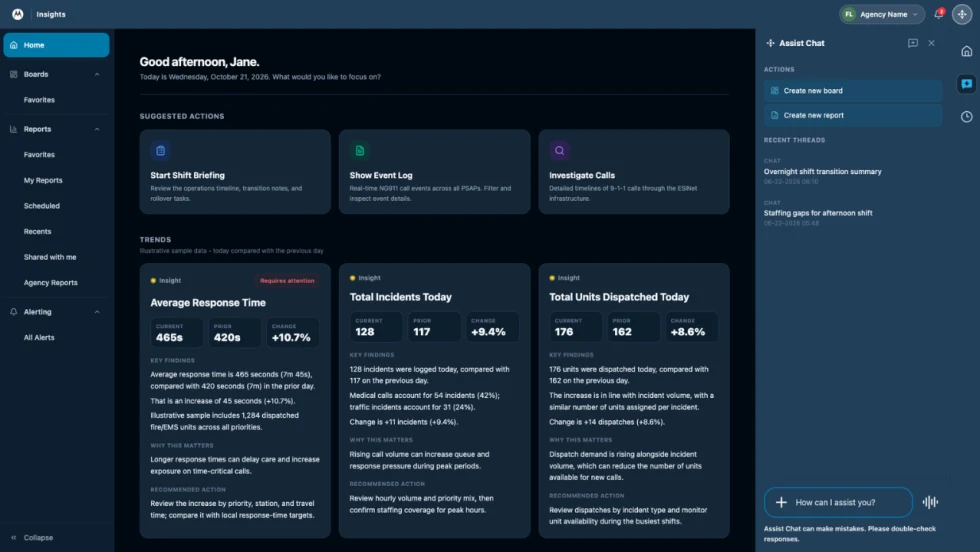
How Motorola Solutions’ New “Insights” Platform Helps Public Safety Agencies Identify Trends to Improve Their Operations
Motorola Solutions has introduced Insights, which leverages Assist, its mission-critical artificial intelligence (AI), to address these challenges and shape what’s next for public safety analytics and reporting technology.
Read More →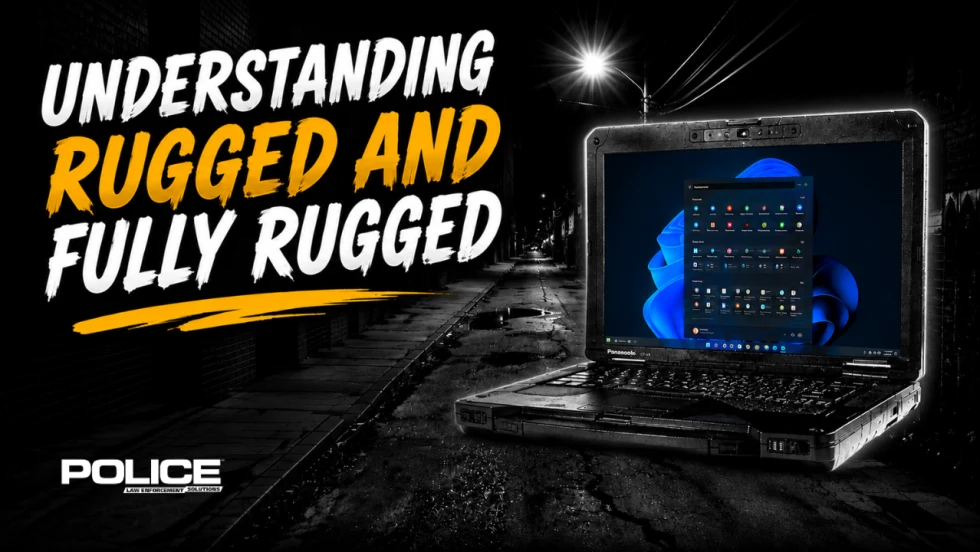
What Qualifies a Laptop as Rugged or Fully Rugged?
Police officers face a wide range of working conditions that can damage or even destroy a regular consumer laptop. Learn what qualifies a computer as rugged or fully rugged and why those devices are vital for law enforcement.
Read More →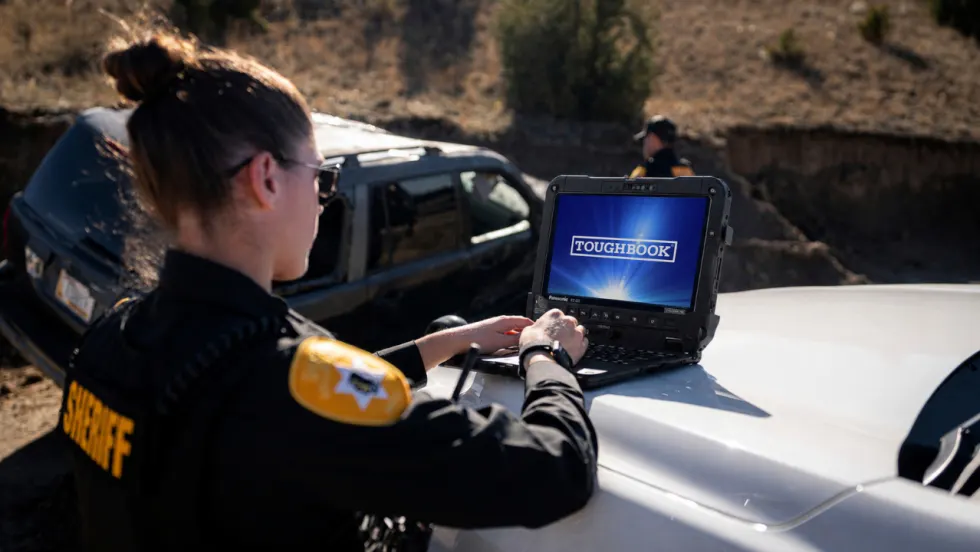
Panasonic Connect Launches the Toughbook 34 and Toughbook G3, Fully Rugged 2-in-1 Mobile Computers
Panasonic Connect has launched the Toughbook 34 and Toughbook G3 to facilitate in-vehicle dispatch, records management, and mobile command operations from any location.
Read More →

A police agency's guide to data-driven fleet management
Costs are rising and the public expects more transparency into how their tax dollars are spent. This e-book shows how police agencies can use fleet data to take control of fleet expenses while improving officer safety and demonstrating fiscal responsibility to the communities they serve.
Read More →
AI and analytics for law enforcement: Turning data into insights
Law enforcement agencies are managing more video, sensor data and digital evidence than ever before. Discover how AI and analytics can help turn that data into actionable insights that strengthen situational awareness, accelerate investigations and support more informed decisions.
Read More →
Vasco Electronics Adds Automatic Language Detection to Vasco Translator Q1
Vasco Electronics’ software update introduces hands-free language switching and expanded offline translation across 45 language pairs, empowering law enforcement, healthcare, and front-office enterprise teams
Read More →
North Miami Police Department Deploys Mark43
The North Miami Police Department has deployed Mark43 as part of its Five-Year Strategic Plan that represents its collective vision and goals for a more proactive police department, anchored by a core commitment to leveraging modern technology to enhance efficiency and public safety.
Read More →
Cellebrite Genesis for Enterprise Now Generally Available
Made available to the public sector in June, Cellebrite Genesis is serving a growing mix of national, regional, and local agencies worldwide, including some of the largest regional and metropolitan police departments. It is now available for enterprise organizations.
Read More →
2026 Vision FirstNet Users Summit to Host Emerging Leaders Training on Grassroots Advocacy for Public Safety
“Emerging Leaders Training: Understanding the Importance of Grassroots Advocacy for Public Safety," a session during the 2026 Vision FirstNet Users Summit, will offer a roadmap for unified advocacy at the federal level.
Read More →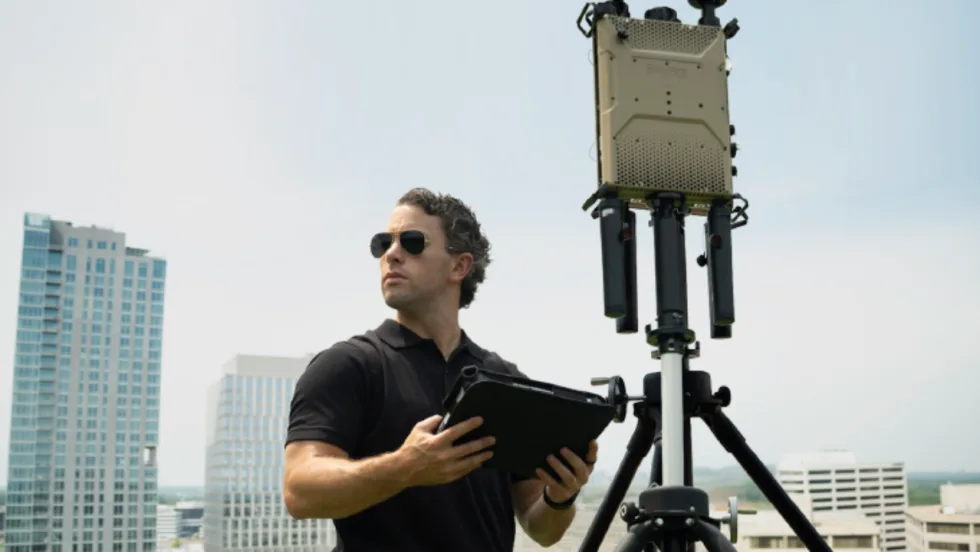
Motorola Solutions Completes Acquisition of D-Fend Solutions
Motorola Solutions has acquired D-Fend Solutions, an industry leader in counter-drone technology. This deal provides public safety and enterprise customers with access to advanced counter-unmanned aerial systems.
Read More →