



Verizon Business Introduces Two Video Collaboration Services
The conferencing services and video capabilities can help enable courts and prison health-care systems to operate more efficiently and effectively.

Verizon Business has introduced two video-collaboration services to help courts and prison health care systems "assess collaboration readiness as well as design, implement and support a broad range of Web and audio conferencing services, and video capabilities from desktop Web cams to high-definition and immersive video," according to the company.
The conferencing services and video capabilities can help enable courts and prison health-care systems to operate more efficiently and effectively.
The technology and consulting services, announced earlier this week, include:
Verizon Telejustice Collaboration Solutions: Provides video collaboration toolsfor federal, state and local judicial agencies to help facilitate the judicial process - from arraignment to parole hearings. Judges can use video conferencing for warrant, arraignment and other hearings, eliminating the expense and potential security issues involved in transporting defendants to court. Participants can remotely share court documents, diagrams and photographs to support proceedings.
Verizon Telehealth Collaboration for Prisons: Enables prisons to expand inmate access to care while mitigating the need to transport prisoners to medical facilities, which can be costly and pose a danger to correctional personnel, medical professionals and the public. With an aging prison population, institutions -- particularly those in rural areas -- can enhance the delivery of primary care services, as well as expand access to numerous specialties including neurology, cardiology, radiology and pathology. Physicians can meet with inmates via video and use remote monitoring devices for near-real time access to patient medical information, helping improve access to health care professionals and speed diagnosis. Psychiatric care can be provided via video conference or immersive video.
"The United States federal and state court systems and prisons are bursting at the seams," according to Troy Cromwell, group president for global strategic services with Verizon Business. "Yet, warrants still must be issued, arraignments must be held and prisoners must be cared for. In the face of these challenges, the criminal justice system is increasingly tapping into the power of IT to make the wheels of government turn more effectively."
Verizon Business demonstrated the services at the American Correctional Association conference in Chicago and at the Association of Public-Safety Communications Officials conference in Houston. Both trade shows ended Thursday.
Both services are available immediately under various state contracts, as well as an IT solution under the U.S. General Services Administration's Networx, Washington Interagency Telecommunications System (WITS 3) and Connections contracts and the Alliant Governmentwide Acquisition Contract (GWAC) contract.
More Technology
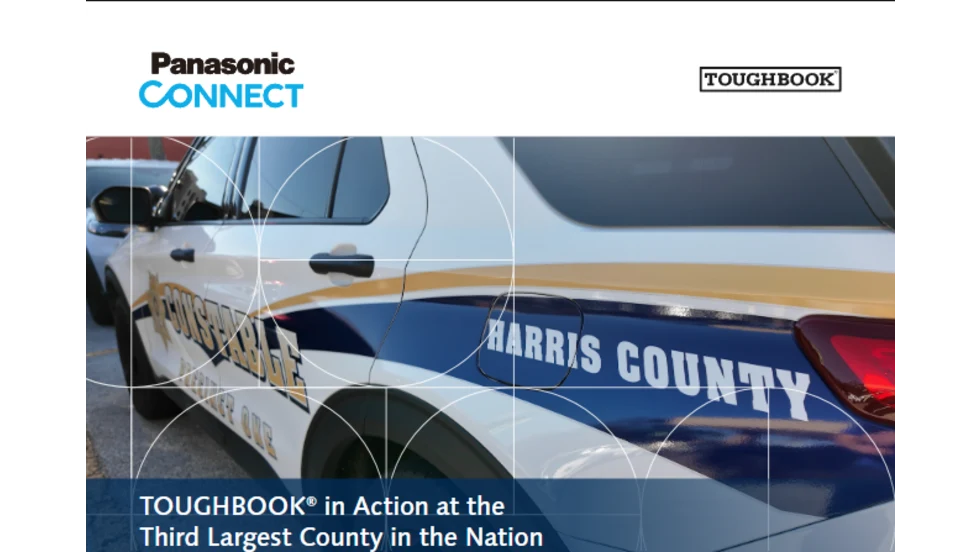
TOUGHBOOK in Action at the Third Largest County in the Nation – Harris County, TX
Learn how Harris County, one of the nation’s largest counties, modernized its law enforcement fleet with TOUGHBOOK® rugged laptops—strengthening security, productivity, and operational readiness across every unit.
Read More →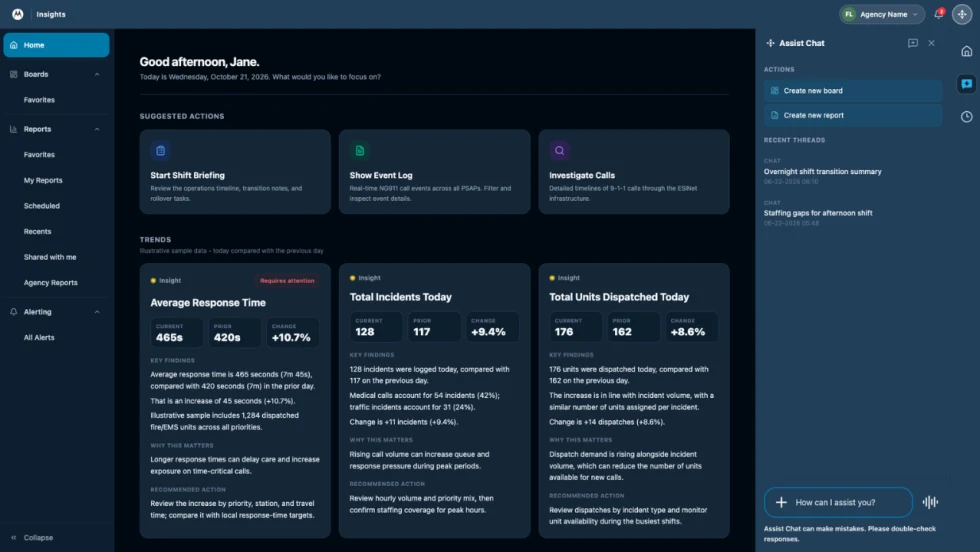
How Motorola Solutions’ New “Insights” Platform Helps Public Safety Agencies Identify Trends to Improve Their Operations
Motorola Solutions has introduced Insights, which leverages Assist, its mission-critical artificial intelligence (AI), to address these challenges and shape what’s next for public safety analytics and reporting technology.
Read More →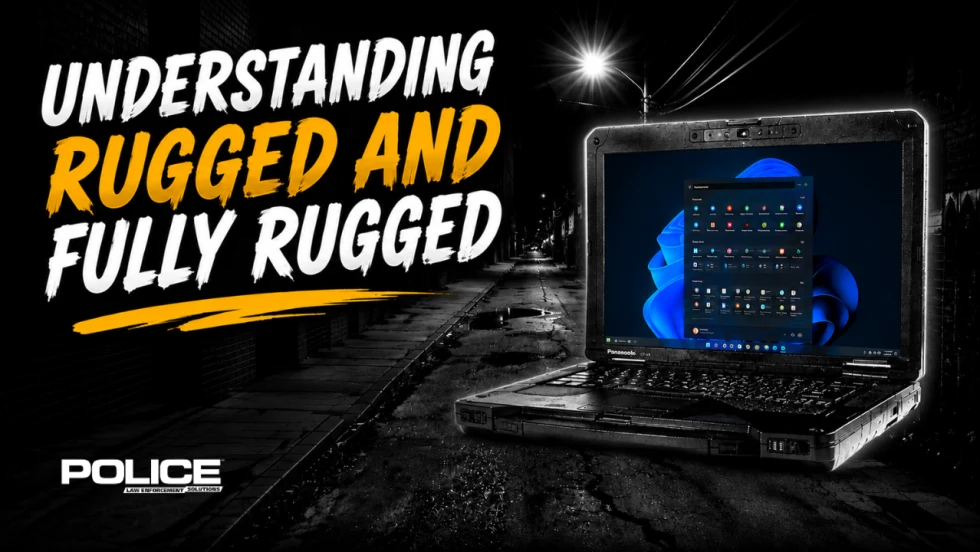
What Qualifies a Laptop as Rugged or Fully Rugged?
Police officers face a wide range of working conditions that can damage or even destroy a regular consumer laptop. Learn what qualifies a computer as rugged or fully rugged and why those devices are vital for law enforcement.
Read More →
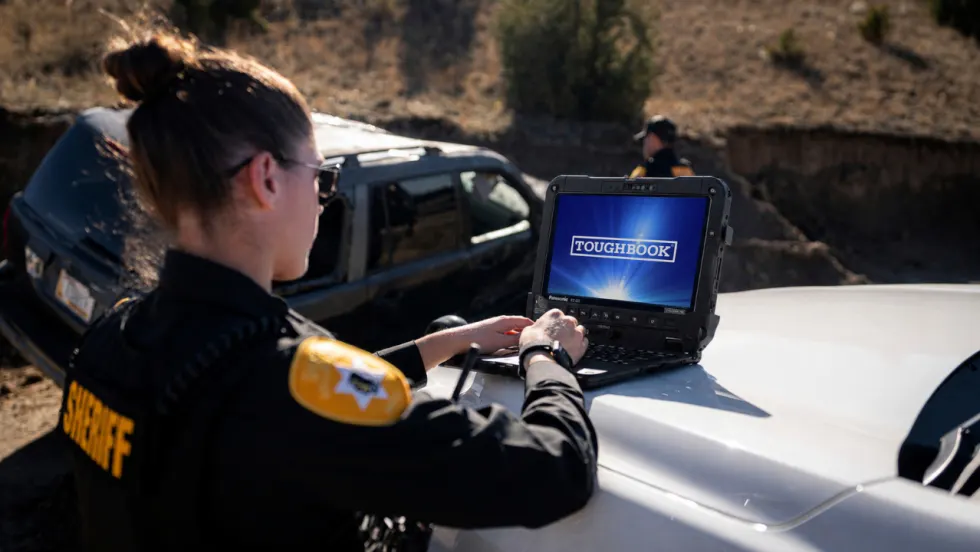
Panasonic Connect Launches the Toughbook 34 and Toughbook G3, Fully Rugged 2-in-1 Mobile Computers
Panasonic Connect has launched the Toughbook 34 and Toughbook G3 to facilitate in-vehicle dispatch, records management, and mobile command operations from any location.
Read More →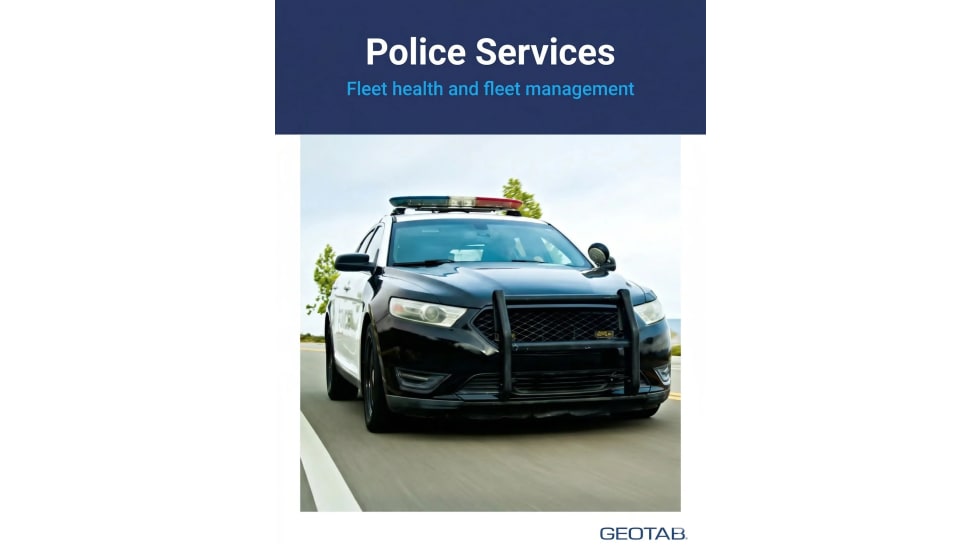
A police agency's guide to data-driven fleet management
Costs are rising and the public expects more transparency into how their tax dollars are spent. This e-book shows how police agencies can use fleet data to take control of fleet expenses while improving officer safety and demonstrating fiscal responsibility to the communities they serve.
Read More →
AI and analytics for law enforcement: Turning data into insights
Law enforcement agencies are managing more video, sensor data and digital evidence than ever before. Discover how AI and analytics can help turn that data into actionable insights that strengthen situational awareness, accelerate investigations and support more informed decisions.
Read More →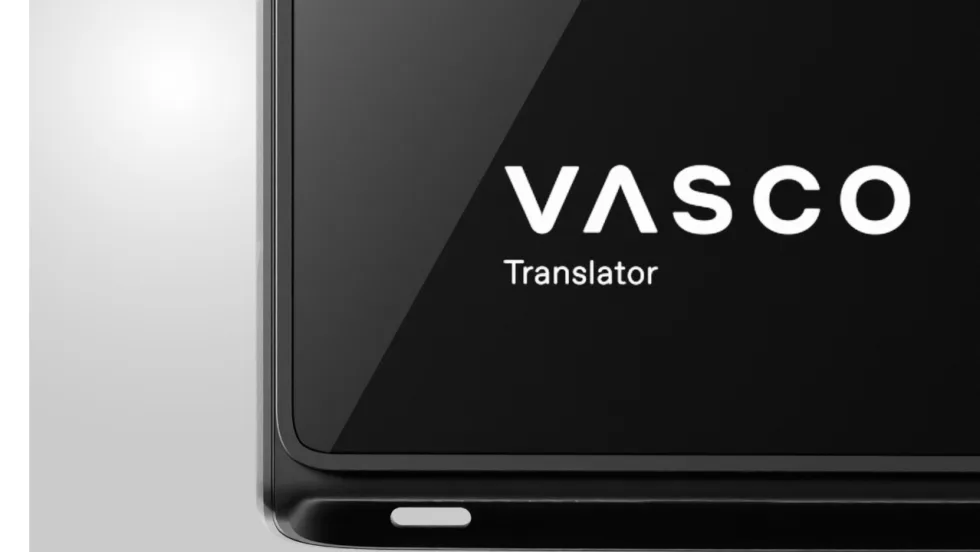
Vasco Electronics Adds Automatic Language Detection to Vasco Translator Q1
Vasco Electronics’ software update introduces hands-free language switching and expanded offline translation across 45 language pairs, empowering law enforcement, healthcare, and front-office enterprise teams
Read More →
North Miami Police Department Deploys Mark43
The North Miami Police Department has deployed Mark43 as part of its Five-Year Strategic Plan that represents its collective vision and goals for a more proactive police department, anchored by a core commitment to leveraging modern technology to enhance efficiency and public safety.
Read More →
Cellebrite Genesis for Enterprise Now Generally Available
Made available to the public sector in June, Cellebrite Genesis is serving a growing mix of national, regional, and local agencies worldwide, including some of the largest regional and metropolitan police departments. It is now available for enterprise organizations.
Read More →
2026 Vision FirstNet Users Summit to Host Emerging Leaders Training on Grassroots Advocacy for Public Safety
“Emerging Leaders Training: Understanding the Importance of Grassroots Advocacy for Public Safety," a session during the 2026 Vision FirstNet Users Summit, will offer a roadmap for unified advocacy at the federal level.
Read More →