



NIST Bullet Tests Make Frangibles More Tangible
Researchers at the National Institute of Standards and Technology (NIST) are measuring precisely the disintegration of “frangible” bullets when they strike a surface to better understand how the ammunition might affect body armor.

Researchers at the National Institute of Standards and Technology (NIST) are measuring precisely the disintegration of “frangible” bullets when they strike a surface to better understand how the ammunition might affect body armor.
Frangible bullets, often made from sintered (formed by heat and pressure) metal powders that will break into tiny fragments, are designed to disintegrate on impact with a hard surface. They are becoming increasingly popular in situations where ricochets or “splash-back” from bullets is not tolerable. These include firearms training facilities and crowded places such as airports, courtrooms, and office buildings. Additionally, the lead-free nature of frangible bullets eliminates the risk of exposure to that hazardous substance.
While frangible bullets have distinct advantages over conventional lead and copper-clad lead bullets, their characteristics are well known only for contact with hard surfaces. The behavior of such ammunition upon impact with softer materials—like those found in the soft body armors worn by many law enforcement officers and emergency responders—has raised concerns that some protective garments may be vulnerable to certain types of frangible bullets.
Initial research to assess this risk focused on ballistic penetration tests. Now NIST researchers are using a Kolsky bar apparatus—a NIST-built, air-powered device that can measure a metal’s response to the stress and strain of high-speed impacts—to document precisely what it takes for a frangible bullet to fail (or in this case, succeed, because the sintered metal’s breakdown is the desired outcome).
The test samples are small slices from frangible bullets that are sandwiched in the space between the Kolsky apparatus’ two hardened steel bars. An air gun situated at the far end of one bar propels a striker rod into the bar. This creates a fast-traveling disturbance called a strain wave that races down the bar at 5,000 meters per second (equivalent to 11,000 miles per hour) and compresses the sample. The wave energy transmitted through the bars can be measured to determine the strain and stress that the sample has endured.
Data derived from the NIST experiments will be used to better understand what happens when frangible bullets and body armor materials interact, and then serve as the foundation for additional bullet impact studies. Once that knowledge is in hand, the Department of Justice will reassess the current body armor performance standard to determine if special accommodations are necessary for frangible bullets.
NIST’s Office of Law Enforcement Standards and DoJ’s National Institute of Justice are sponsoring the frangible bullet study.
More Patrol
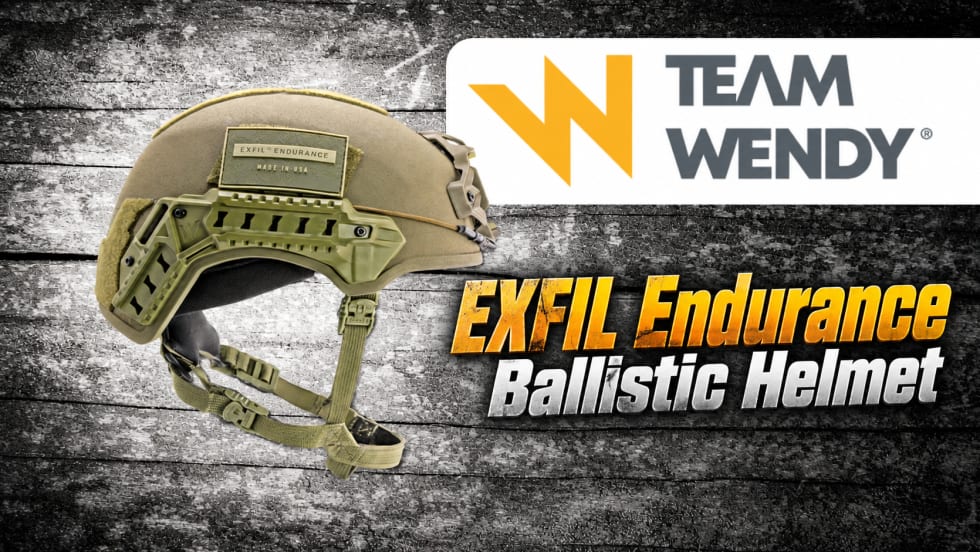
Team Wendy Introduces the EXFIL Endurance Ballistic Helmet, Engineered to Reduce the Burden of Extended Wear
Team Wendy has launched its EXFIL Endurance, a new lightweight ballistic helmet engineered to deliver protection, comfort, and fit during demanding, extended operations.
Read More →
The First Responders Children’s Foundation National First Responders Day Roll Call of Heroes Ceremony Returns to Times Square, NYC
First Responders Children’s Foundation (FRCF), in collaboration with T-Mobile, will host the Roll Call of Heroes ceremony in Times Square to commemorate National First Responders Day on Wednesday, Oct. 28. During the event, FRCF will present 18 Hero Awards.
Read More →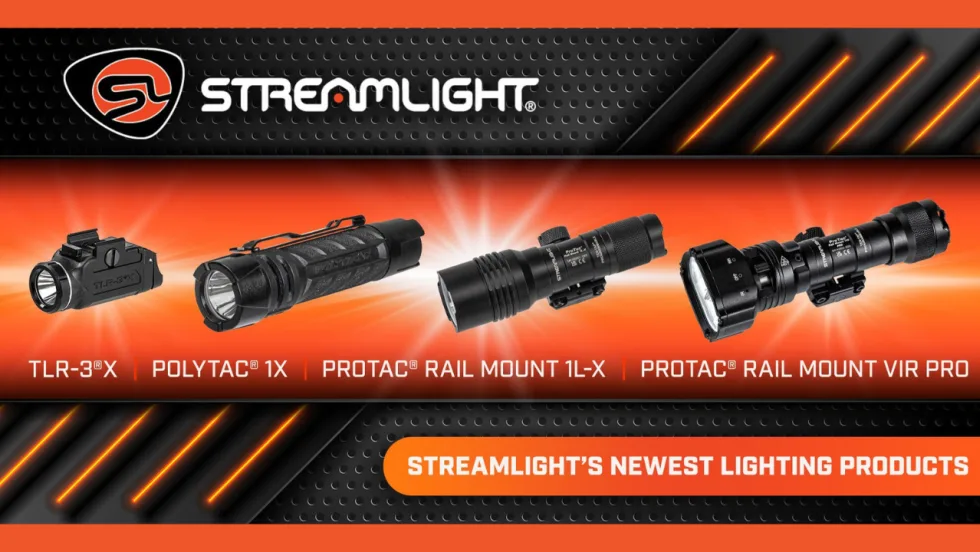
Streamlight to Showcase Newest Lighting Products for Law Enforcement Professionals at IACP 2026
Streamlight will showcase its newest lights for law enforcement at the International Association of Chiefs of Police Annual Conference & Expo. Featured lights will include the TLR-3 X, the PolyTac 1X, and more.
Read More →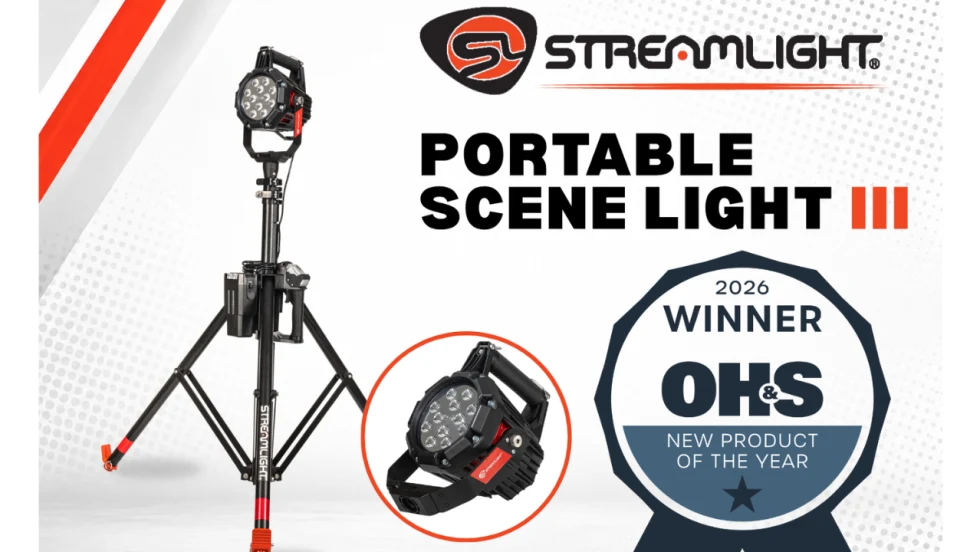
Streamlight Portable Scene Light III Wins 2026 OH&S New Product of the Year Award
Streamlight’s Portable Scene Light III has won the 2026 Occupational Health & Safety (OH&S) New Product of the Year Award in the Lighting category.
Read More →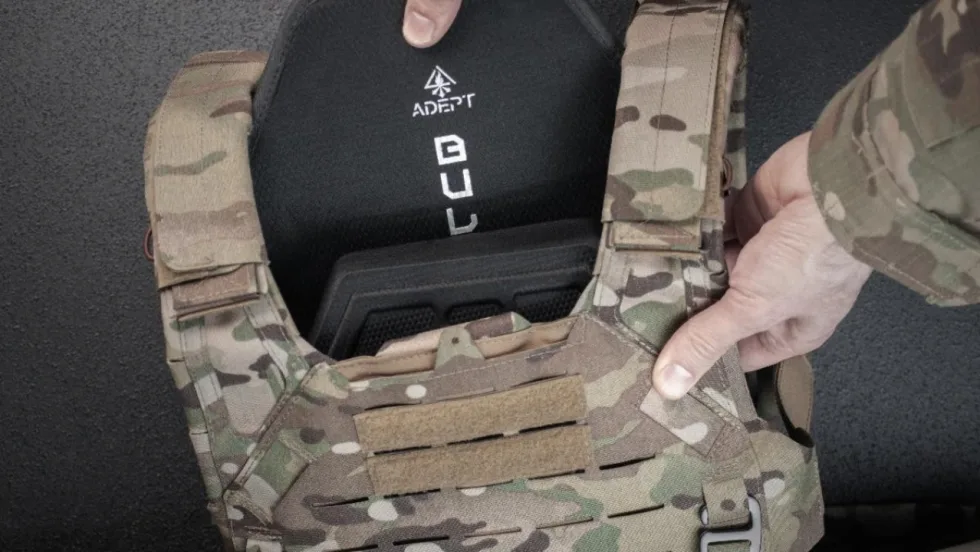
Adept Armor Introduces Two New Rifle Plates
Adept Armor has launched two new Level IV ballistic plates, the Emperor and the Archon Mark 2, which brings Adept Armor’s new Quatroid ceramic to the high-threat, performance-value center of the range at 5.2 pounds.
Read More →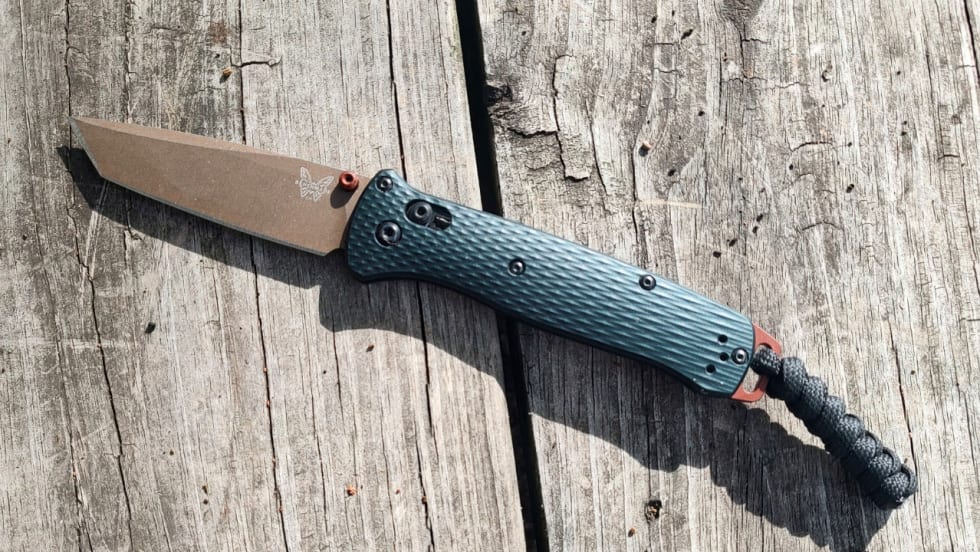
POLICE Product Test: Benchmade Bailout
The Benchmade Bailout is a slim, lightweight carry knife with a deep-ride pocket clip and comes in a variety of blade steels and scales. Here is a detailed review of the Taiga Green Bailout, released earlier this year.
Read More →
NLEOMF Announces July 2026 Officer of the Month
NLEOMF honored a Michigan deputy sheriff as the July 2026 Officer of the Month for rescuing a trapped driver from a burning vehicle following a Fourth of July crash.
Read More →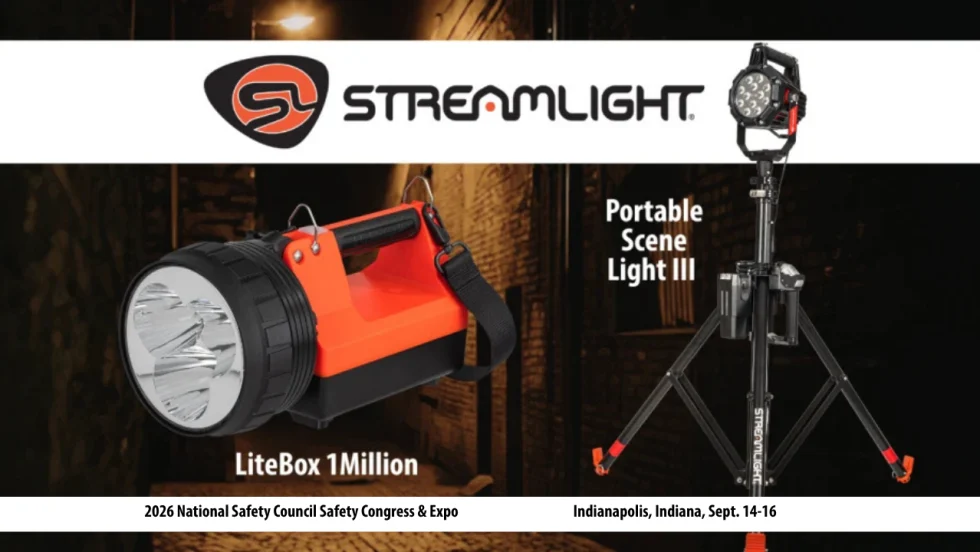
Streamlight to Showcase Newest Lighting Products at National Safety Council’s Safety Congress & Expo 2026
Streamlight will showcase its latest lights, including the Portable Scene Light III and the LiteBox 1Million, at the 2026 National Safety Council (NSC) Safety Congress & Expo.
Read More →
The 2027 World Police & Fire Games Set for Perth, Australia
The 2027 World Police & Fire Games (WPFG) will take place in Perth, Western Australia, from Friday, March 12 through Sunday, March 21, 2027.
Read More →
5.11 Partners with National Fallen Firefighters Foundation to Support #ForThe343
5.11 has joined the nationwide movement honoring the 343 New York City Fire Department firefighters lost on Sept. 11, 2001.
Read More →