
Police Magazine

 MENU
MENU SEARCHMENUSEARCH
Loading data...

Every investigation is a process of elimination. When a crime has been committed it is an investigator’s job to narrow the field of possible suspects until he or she can build a case against an individual or a group of individuals.
Read More →

If police take someone from one location and transport him or her involuntarily to a police facility for investigation, this will be considered a de facto arrest. Without probable cause, that arrest will be unlawful, with predictable consequences for both evidence suppression and civil liability.
Read More →A few months ago, newspapers around the country covered the arrest of Gerald Mason for a murder that happened when Dwight D. Eisenhower was in the White House. Mason was rousted out of a comfortable life in South Carolina and charged with killing two police officers in the Los Angeles suburb of El Segundo, Calif. In 1957.
Read More →DNA testing is a complicated thing. But it’s nowhere near as complicated as it used to be.
Read More →Blood stains are really hard to get out. And today, with the advent of DNA matching, it’s even harder for criminals to mask their violent deeds, as just trace amounts of blood and other biological materials can put investigators hot on their trail.
Read More →Technological advances in instrumentation and equipment let law enforcement continually rethink what is possible when collecting forensic evidence. Utilizing new products and technologies often allows more evidence to be located, identified, and collected.
Read More →A new law went into effect on Jan. 1 in Michigan. It ordered everyone convicted of a felony or sex-related misdemeanor in Michigan to give authorities a sample of their DNA. This would be very helpful to investigators -- if everything were in place to carry it out.
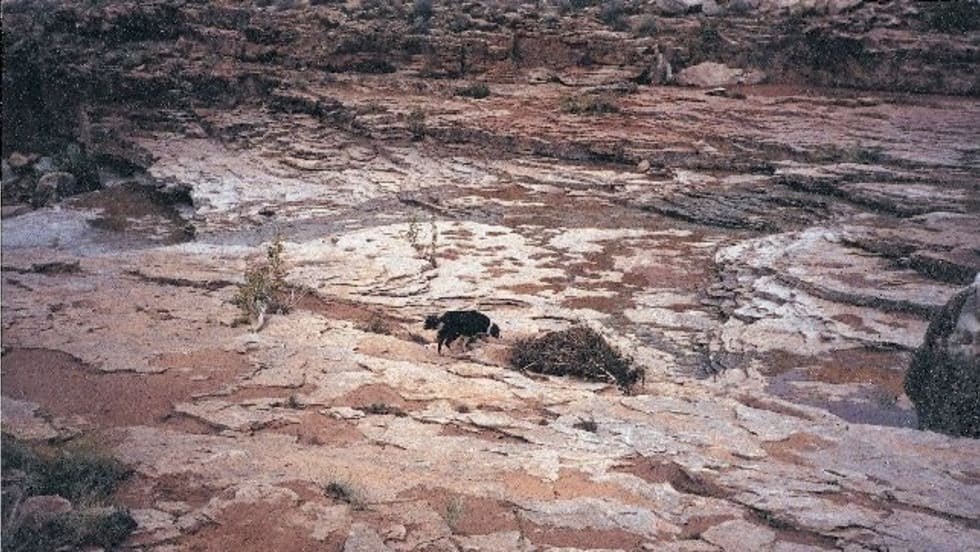
Read More →Any officer who has been involved in a search for a missing victim knows that law enforcement needs every possible break. Cadaver dogs, though not likely to become widely known or ever be the subject of a television series, give cops just the break they need when searching for human remains.
Read More →