



DNA: Tales of the Double Helix
Blood stains are really hard to get out. And today, with the advent of DNA matching, it’s even harder for criminals to mask their violent deeds, as just trace amounts of blood and other biological materials can put investigators hot on their trail.


In Shakespeare's MacBeth, the queen wanders through her Scottish castle lamenting the blood on her hands and crying, "Out, damned spot, out!" Shakespeare was onto something. Blood stains are really hard to get out. And today, with the advent of DNA matching, it's even harder for criminals to mask their violent deeds, as just trace amounts of blood and other biological materials can put investigators hot on their trail.
DNA is the fingerprint of our biology, and in the last few years, DNA matching has grown from a judicial novelty into the cornerstone of many a prosecutor's case. High-tech DNA analysis has even become commercially available, with companies like Houston-based Identigene promising to reveal the paternity of disputed children.
On the law enforcement front, DNA testing has helped convict the guilty, exonerate the innocent, and confuse the hell out of at least one jury pool (State v. Simpson). With DNA databanks already in operation in more than 30 states and authorized in every remaining state, you can see why a growing number of cold cases are finally getting cleared through DNA matching.
But what do you as a street cop need to know about DNA?
Deoxyribonucleic acid (DNA) is the genetic material found within the cell nuclei of all living things. In fact, a complete sample of our DNA can be found in a variety of our body's cells, including muscle cells, brain cells, blood cells, sperm cells, and others.
The DNA of one cell is identical to that of every other cell within the same individual. But there's one notable exception: the red blood cell. Because red blood cells lack DNA, all DNA from blood samples comes from white blood cells.
By judicial standards, DNA testing is a relatively new tool. Originally used to detect the presence of genetic diseases, DNA matching made its forensic debut in the United Kingdom in 1987, when it helped convict Robert Melias of two rape murders. The years since have seen DNA testing playing instrumental roles in both civil trials and criminal prosecutions.
Critical Concerns
Despite its recent addition to the judicial system, DNA testing is increasingly becoming the benchmark by which culpability or innocence is decided, and fingerprinting is fast losing its favor. Still, DNA matching does have its detractors.
Some critics contend that DNA profiles may not be "unique." Others believe that DNA testing is being used in court to convict people before any real judicial scrutiny of the technology has been completed. They also argue that the quality of testing from laboratory to laboratory may produce inconsistent results.
The collection and retention of DNA samples are also concerns. Evidence samples are often obtained under less than ideal circumstances, and that may lead to the DNA deteriorating or becoming contaminated. This possibility was milked by the Dream Team in the Simpson murder case.
Randy Nagy of the independent forensic DNA lab Bode Technology Group believes that there are two pressing concerns facing the future of DNA in law enforcement. First, there's the issue of training. Officers need to know what DNA testing is capable of accomplishing and how to maximize its benefits. Second, law enforcement agencies need the funds to test the samples.
Time and Money
According to the experts, shortfalls of funding have resulted in untested samples piling up in evidence warehouses. "Currently, there are believed to be some 180,000 rape kits gathering dust in police department basements," Nagy explains. "And some estimates are as high as 300,000."
Testing that backlog of samples won't be easy. However, Dean Gialamas, assistant director of the Los Angeles County Sheriff's Department Crime Lab, says that recent advances in the technology have had commensurate impact in forensic science's ability to obtain and test DNA evidence. While the general turnaround time is a week or two, the LASD lab has been able to complete some DNA testing within 52 hours.
Advances in technology and testing methods mean that not only do investigators have greater chances of clearing cold cases than ever before, but they may also clear many crimes not conventionally considered to be obvious DNA test candidates. For example, just five to 10 minutes of post-carjacking driving can be enough for a suspect to leave viable DNA evidence on the steering wheel.
A growing ability to obtain viable trace evidence means that the damning evidence serial rapists and other sexual predators have left through brief tactile contacts such as fondling, kissing, or licking can now be tested. Nose and ear pieces from eyewear left at crime scenes have been valuable sources of DNA evidence, as well.
As the technology has become more refined and its uses expanded, there has been an explosion of forensic labs and personnel to deal with DNA testing. In fact, the volume of case loads is the biggest factor in determining turnaround time.
And for some cases, the load defies description.
DNA testing of the World Trade Center victims could take years to complete. Even then, the remains of more than 800 victims of the 9/11 attack may never be identified.
Medical examiner Dr. Robert Shaler says that almost half of the body parts and fragments sent for DNA testing came back incomplete because they were subjected to prolonged water and fire damage in the rubble where the towers once stood. Still, DNA matching of some of the more than 20,000 body parts recovered at Ground Zero has yielded the identification of more than 1,229.[PAGEBREAK]
Lost Expertise
In addition to time constraints, DNA specialist Norah Rudin notes that evidence collection and testing continue to be hampered by the inherent nature of law enforcement agencies. "Much of the problem is changeover," Rudin says. "Newbies come in, acquire a degree of familiarity with DNA collection and testing, get promoted or are transferred, and are then replaced with neophytes, and the cycle repeats itself."
George Schiro, a forensic scientist with the Louisiana State Police Crime Laboratory, agrees. And he adds that he would like to see police agencies place a bigger premium on crime scene training and evidence collection.
"It starts at the crime scene. Every agency should have a crime scene policy that goes from the top on down. Historically, some police agencies have had a rather cavalier approach to handling evidence, letting the layman handle pertinent evidence and hoping for the best. But I doubt that any agency would so willingly switch a guy with a SWAT background with one whose expertise is handling hazardous waste. But that is basically the philosophy many administrators seemingly embrace when it comes to handling crime scene evidence. This results in loss of evidence, damaged evidence, and excluded evidence."
The value of DNA evidence over the long haul is one of the reasons that Schiro argues that more training resources should be committed to teaching officers proper collection techniques and criminalists the latest testing procedures. "Just as field cops need to know the capabilities of their forensic labs, forensic specialists need to stay abreast of the latest trends in DNA. After all, defense lawyers are."
Jailhouse Geneticists
Defense lawyers aren't alone in learning all they can about DNA evidence. Their clients are showing surprising initiative in educating themselves. Consequently, more and more sexual predators are wearing condoms, forcing their victims to bathe, and donning gear that might pass biohazard muster.
Other criminals are even using DNA matching to their advantage. Authorities in Richmond, Va., caught prisoners taking DNA tests for each other to avoid being matched to other crimes. Jailers in Salt Lake County overheard prisoners coaching each other on how to spread blood and semen samples from other people around crime scenes to try to fool DNA analysts.
And then there's Anthony Harold Turner of Milwaukee.
Turner, 33, became something of a self-taught DNA specialist. Then when he was charged with three rapes, Turner acknowledged that the genetic material taken from the victims matched his, but he argued that it must have come from another man, an unknown rapist whose genetic code was an exact match for his own.
Prosecutors scoffed at the suggestion. But while Turner was waiting to be sentenced, something astonishing happened. Against astronomical odds, police investigating a new rape compared the alleged attacker's DNA with samples from other sex crimes and found a match for Turner, a statistical improbability of about 3 trillion to one, considering that Turner was in jail.
The implications for DNA technology and admissibility were potentially dire. If Turner had been innocent all along, a miscarriage of justice had taken place and the foundation for DNA matching as forensic evidence would crumble.
Fortunately, a little digging uncovered Turner's scam. Turner had smuggled a sample of his own semen out of jail to family members who then paid a woman $50 to use the sperm to stage a phony rape. Turner was subsequently sentenced to 120 years in prison.
Turner is not the only desperate criminal to have perpetrated a DNA scam. In Montauk, NY, Kerry Kotler, a convicted rapist and kidnapper was freed in 1992 after DNA tests cast doubt on his two rape convictions. This came after Kotler's defense showed that semen from the victim could not have come from Kotler alone.
Despite protests by the prosecution that the tests left open the possibility that Kotler was the rapist, Kotler was a free man. Four years later, Kotler was charged in a new rape. This time, the victim alleged that he carried a water bottle and attempted to clean away semen after the assault. But new improved tests lifted samples of Kotler's semen from his victim's clothing and helped to convict him. Kotler, now 41, was sentenced to 7 to 21 years. Just one month earlier, he had won a $1.5 million judgment for being wrongly imprisoned in the first case.
Fortunately, such abuses are the exceptions. But whether it's defense lawyers or their clients who attempt to exploit our perceived ignorance of DNA, the fact remains that DNA has much in common with an officer's sidearm. Questions of familiarity, retention, and discretion in its deployment mean that cops have yet another tool that can be dangerous in the wrong hands.
Obviously, hurdles remain in the refinement of law enforcement's handling of DNA evidence. And courts continue to debate DNA admissibility on everything from its prejudicial value outweighing its probative value, to the standards of the lab investigating the samples. Still, you, as conscientious police officers, will have to keep up with this developing technology and its applications.
Sgt. Dean Scoville is a patrol supervisor for the Los Angeles County Sheriff’s
Department and a frequent contributor to POLICE.
More Technology
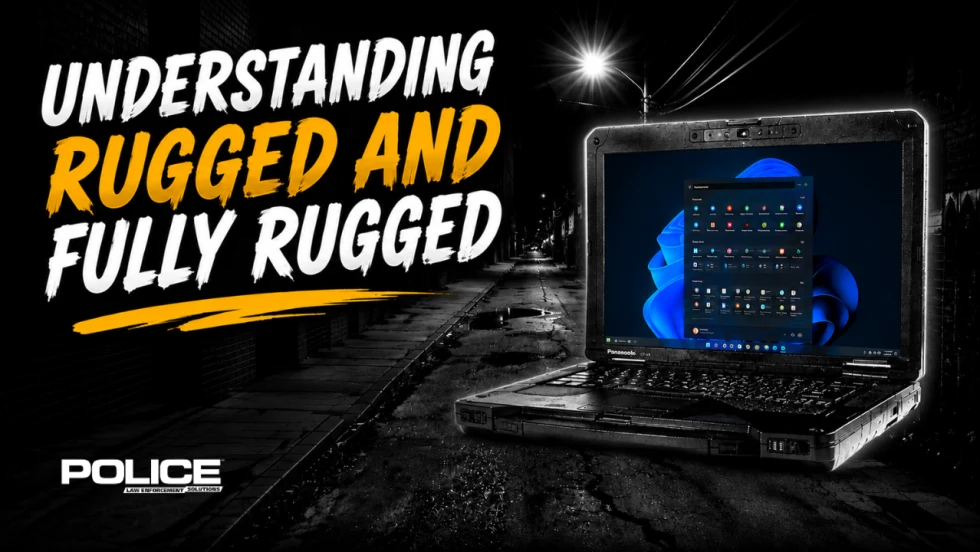
What Qualifies a Laptop as Rugged or Fully Rugged?
Police officers face a wide range of working conditions that can damage or even destroy a regular consumer laptop. Learn what qualifies a computer as rugged or fully rugged and why those devices are vital for law enforcement.
Read More →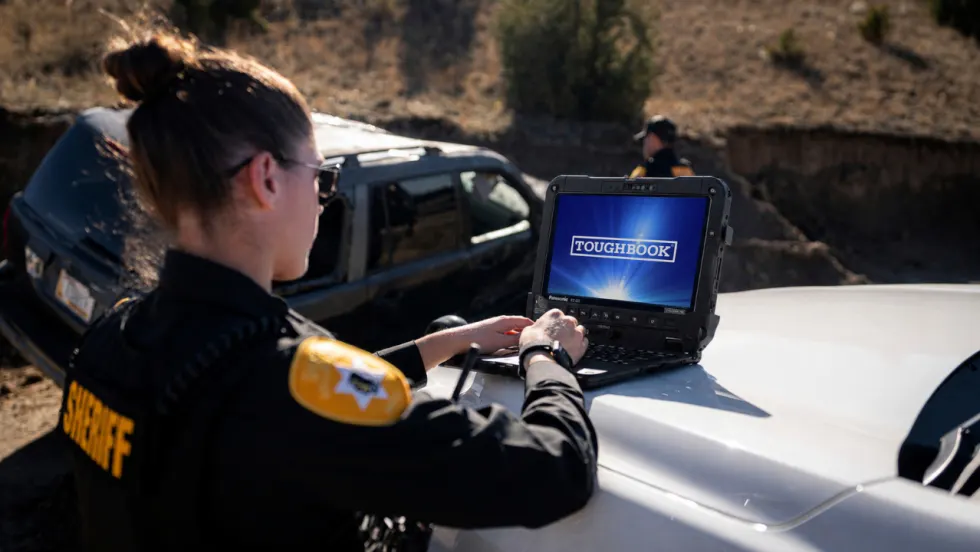
Panasonic Connect Launches the Toughbook 34 and Toughbook G3, Fully Rugged 2-in-1 Mobile Computers
Panasonic Connect has launched the Toughbook 34 and Toughbook G3 to facilitate in-vehicle dispatch, records management, and mobile command operations from any location.
Read More →
A police agency's guide to data-driven fleet management
Costs are rising and the public expects more transparency into how their tax dollars are spent. This e-book shows how police agencies can use fleet data to take control of fleet expenses while improving officer safety and demonstrating fiscal responsibility to the communities they serve.
Read More →

AI and analytics for law enforcement: Turning data into insights
Law enforcement agencies are managing more video, sensor data and digital evidence than ever before. Discover how AI and analytics can help turn that data into actionable insights that strengthen situational awareness, accelerate investigations and support more informed decisions.
Read More →
Vasco Electronics Adds Automatic Language Detection to Vasco Translator Q1
Vasco Electronics’ software update introduces hands-free language switching and expanded offline translation across 45 language pairs, empowering law enforcement, healthcare, and front-office enterprise teams
Read More →
North Miami Police Department Deploys Mark43
The North Miami Police Department has deployed Mark43 as part of its Five-Year Strategic Plan that represents its collective vision and goals for a more proactive police department, anchored by a core commitment to leveraging modern technology to enhance efficiency and public safety.
Read More →
Cellebrite Genesis for Enterprise Now Generally Available
Made available to the public sector in June, Cellebrite Genesis is serving a growing mix of national, regional, and local agencies worldwide, including some of the largest regional and metropolitan police departments. It is now available for enterprise organizations.
Read More →
2026 Vision FirstNet Users Summit to Host Emerging Leaders Training on Grassroots Advocacy for Public Safety
“Emerging Leaders Training: Understanding the Importance of Grassroots Advocacy for Public Safety," a session during the 2026 Vision FirstNet Users Summit, will offer a roadmap for unified advocacy at the federal level.
Read More →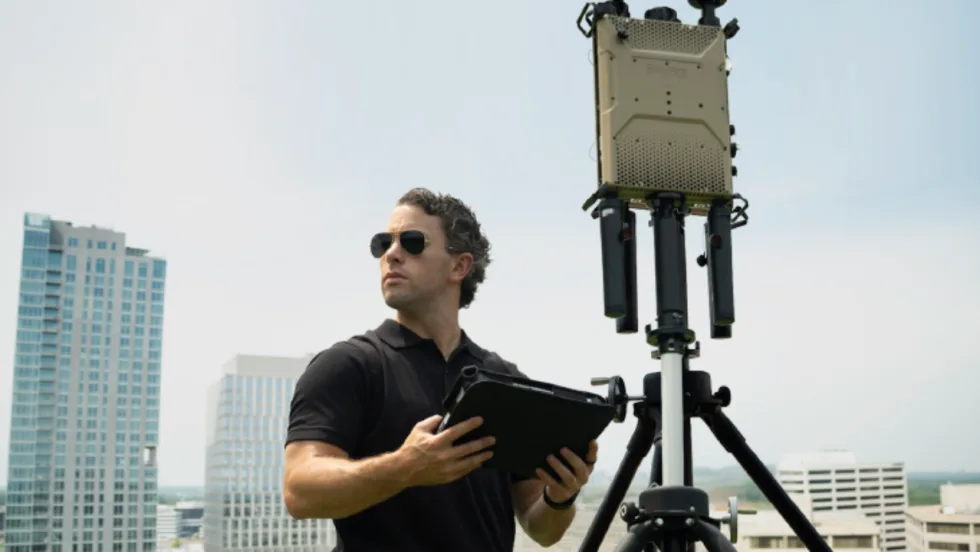
Motorola Solutions Completes Acquisition of D-Fend Solutions
Motorola Solutions has acquired D-Fend Solutions, an industry leader in counter-drone technology. This deal provides public safety and enterprise customers with access to advanced counter-unmanned aerial systems.
Read More →
ZeroEyes, Advantech & Camden Police Partner to Bring AI Gun Detection Technology to Delaware School District
ZeroEyes has partnered with Advantech and the Camden Police Department to deploy ZeroEyes’ AI gun detection and intelligent situational awareness platform at Delaware’s Caesar Rodney School District (CRSD).
Read More →