
Police Magazine

 MENU
MENU SEARCHMENUSEARCH
Loading data...
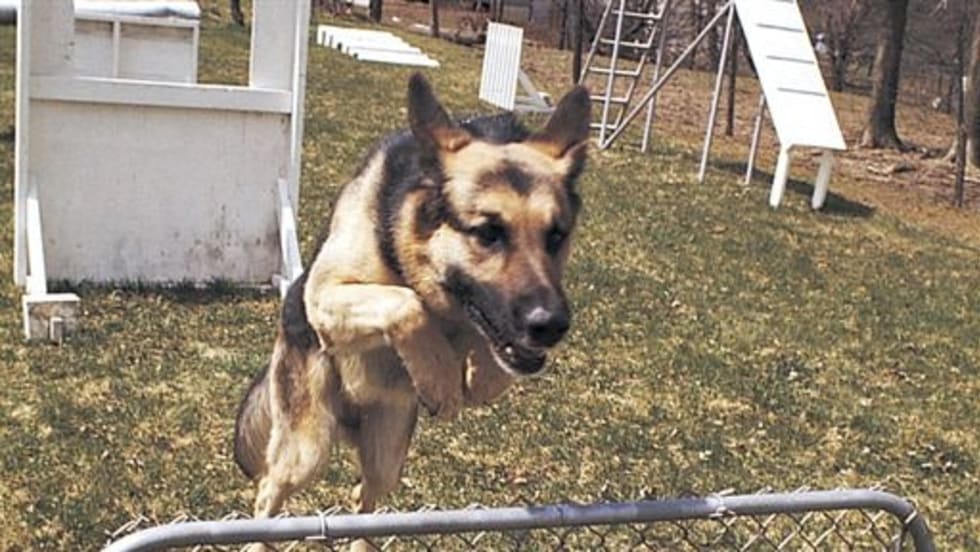
Initiating your agency’s first K-9 unit is a daunting task. If you’re willing to accept this challenge, then the first thing you need is the support of your department.
Read More →

According to the United States Police Canine Association (USPCA), insufficient public funding is the number one reason canine programs fail.
Read More →Federal agencies are having trouble finding enough trainable canines to meet the growing demand for bomb- and drug-sniffing dogs, so they're breeding their own.
Read More →Since 1990, police dogs trained to apprehend suspects in Prince George's County (Md.) have instead attacked and mauled police officers, canine handlers and other law enforcement agents at least 43 times, according to public records and other documents.
Read More →XM division is now producing NESTT (Non-hazardous Explosives for Security Training and Testing). Developed by LLNL, the NESTT is currently used by local, state, U.S. and foreign agencies as K-9 training aids for bomb recognition dogs. XM K-9 training aids are safe, convenient and easy-to-use alternatives for canine explosive-detection training.
Read More →Police officers are asked to make split-second life-or-death decisions. We have to decide in a blink of an eye if we are going to shoot. Then over the next several years everyone will dissect, analyze and scrutinize our actions.
Read More →As the law enforcement community is well aware, police service dogs have proven to be a valuable tool to law enforcement over the last 15 to 20 years. The key word to this statement is "tool." Many SWAT's personnel are not aware of their K-9's capabilities in certain situations and some of the handlers have never been trained in SWAT tactics. COVER PHOTO: TERRI CAVOLI (© 1999)
Read More →As police service dog use continues in full swing, a body of special legal knowledge is beginning to develop.
Read More →A.L.E.C.A. is an organization of law enforcement K -9 handlers and trainers, based in Arizona, that has set voluntary performance standards for K-9 teams and sponsors K-9 trainings and trials all over the state.
Read More →Matching up an officer with a dog is just the first step in starting a successful K-9 team. Determine your current needs first. Why do you need to have a trained police service dog (PSD)?
Read More →