
Police Magazine

 MENU
MENU SEARCHMENUSEARCH
Loading data...

VirTra Inc. has received a new purchase order for its training simulators under the previously announced indefinite delivery/indefinite quantity (IDIQ) contract with the United States Department of State.
Read More →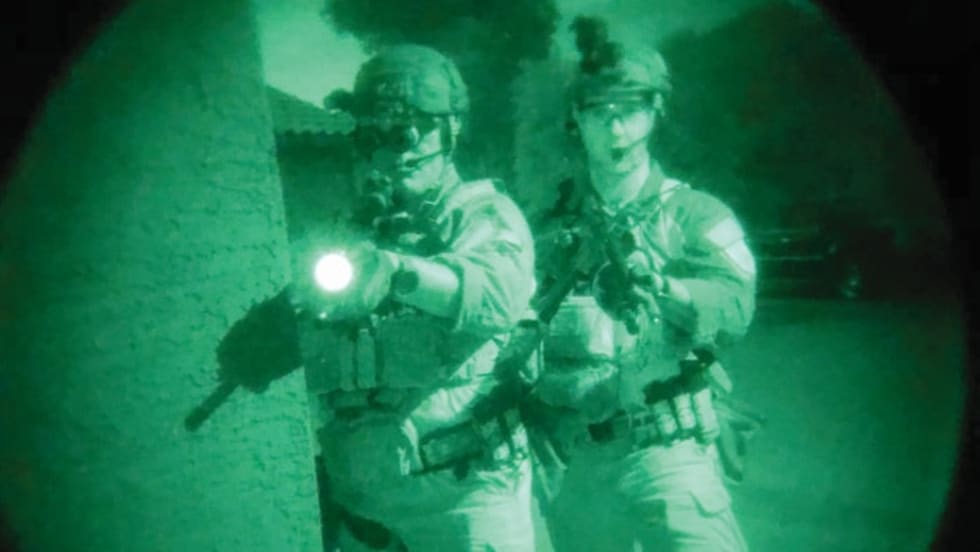


The experience of law enforcement agencies proves the benefits of having different night vision tools in the field.
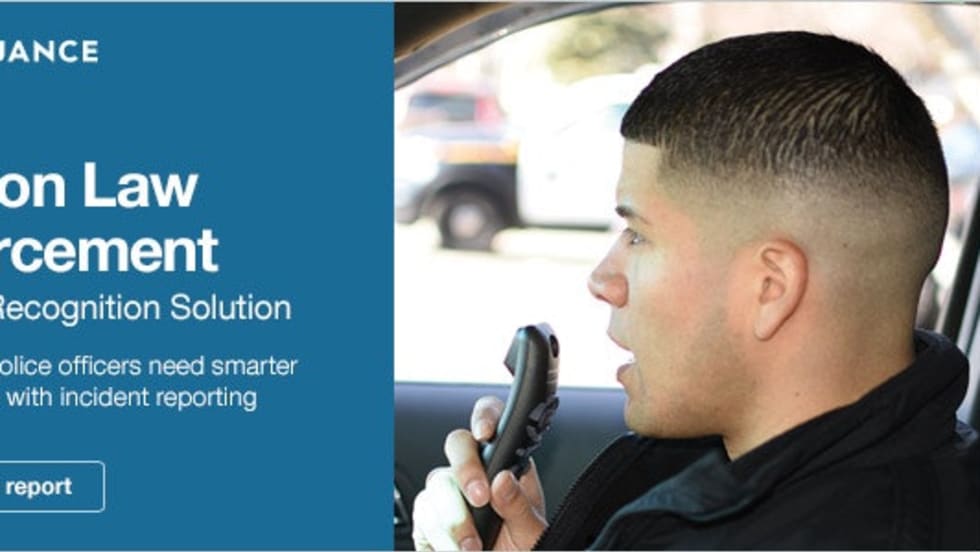
Read More →The time officers spend on incident reporting is removing them from other high value-tasks
Read More →Panasonic System Solutions Company of North America has announced the launch of "Unified Digital Evidence," its newest software technology to collect, manage, and protect digital evidence.
Read More →We are about to enter an era where all video and audio evidence may be more suspect than it's ever been.
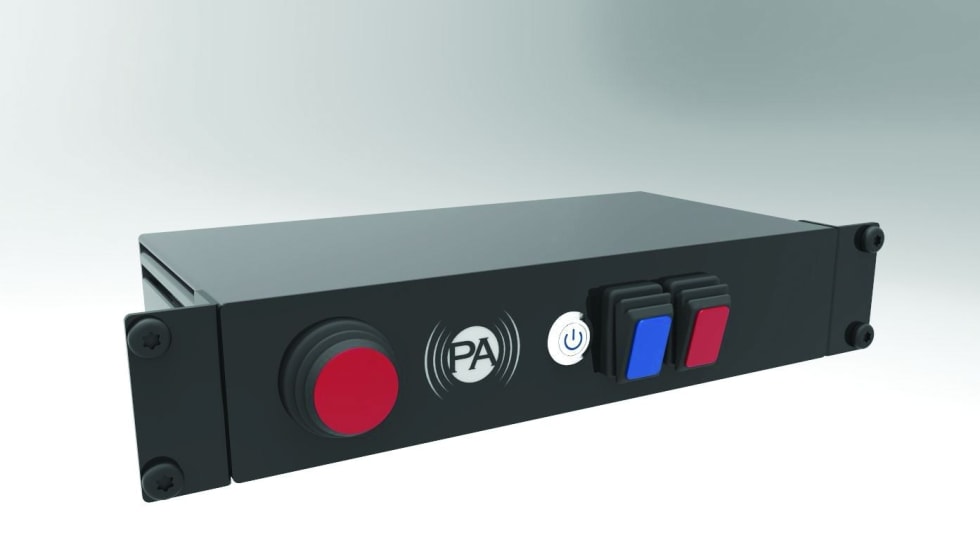
Read More →Anyone can download the PursuitAlert app for free. It delivers a visible alert, an audible alert, and push notification to the user's phone that a pursuit is occurring in the vicinity.
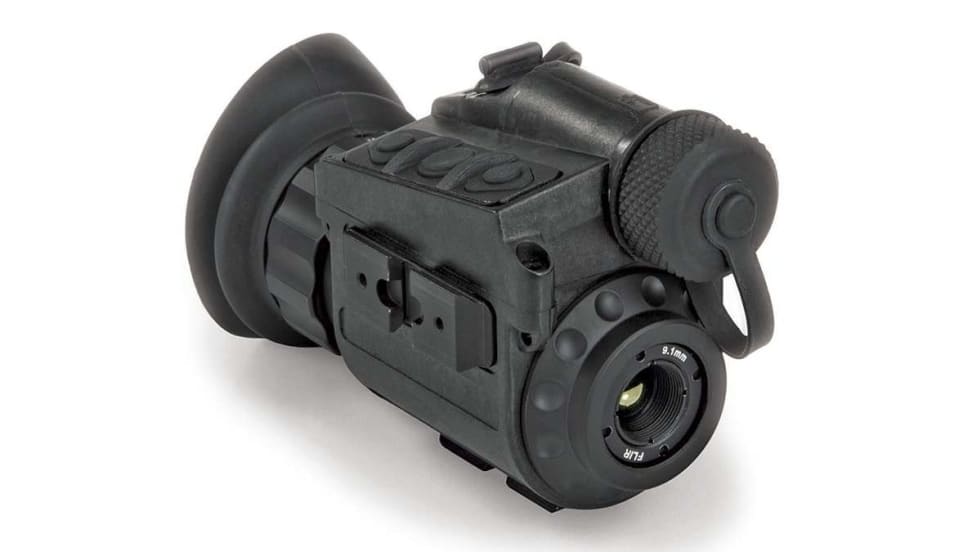
Read More →Built for the rigors of law enforcement, the new FLIR Breach Thermal Monocular captures and records bright, clear images and video.
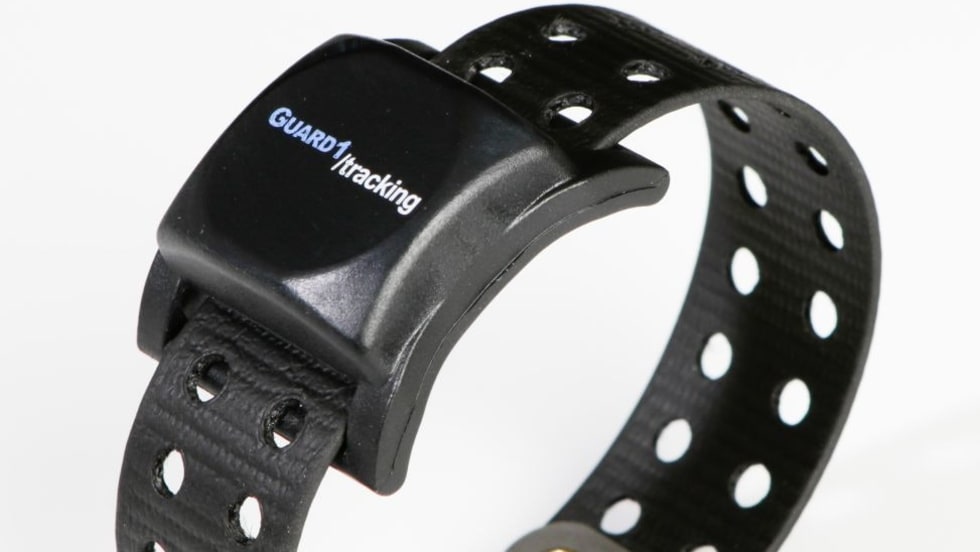
Read More →Guard1 tags use TimeKeeping Systems' proprietary RF technology to provide real time location and zone based tracking in correctional and behavioral healthcare facilities.
Read More →Panasonic has introduced a new pair of handheld devices to the Toughbook line. The Toughbook T1 and L1 are designed to address the evolving mobile needs of today's diverse workplaces.
Read More →A new report released by the Center for Strategic and International Studies found that "local, state, and federal law enforcement made more than 130,000 requests last year for digital evidence from six top technology companies."
Read More →