
Police Magazine

 MENU
MENU SEARCHMENUSEARCH
Loading data...
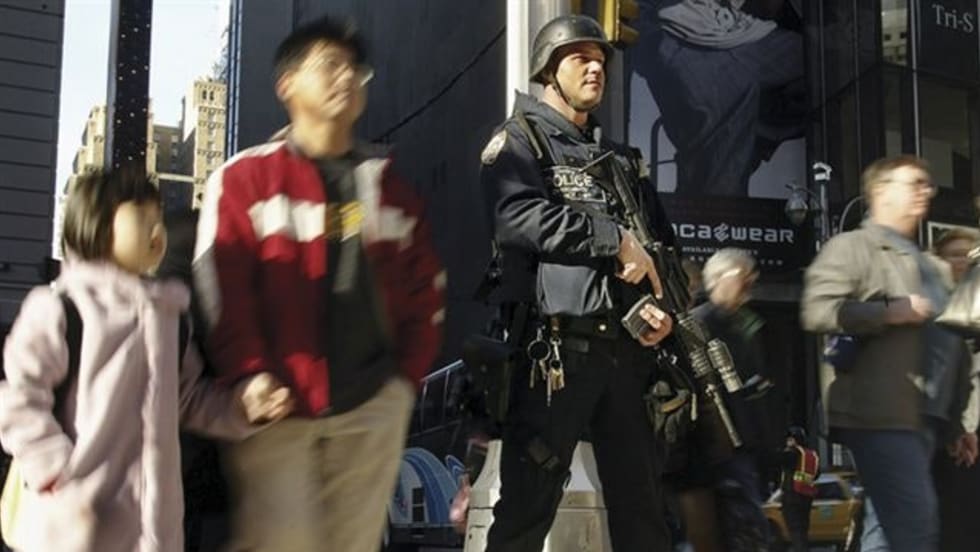
The first phase of the Iraq War alone cost $79 billion and more than $100 billion may be spent on the reconstruction of Iraq. Back at home, American cities received only a relative pittance to fund their new homeland security duties, despite being deemed the front lines of response to terrorist attacks.
Read More →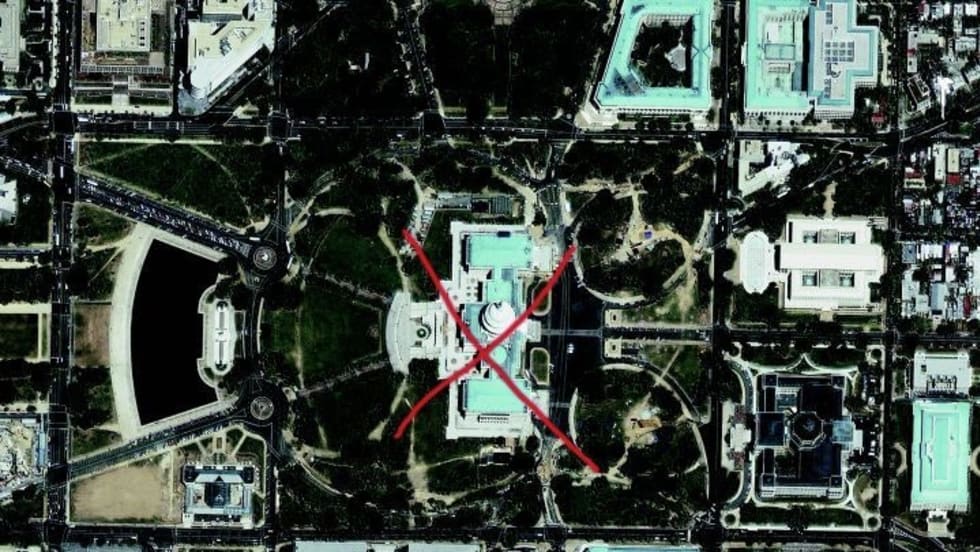
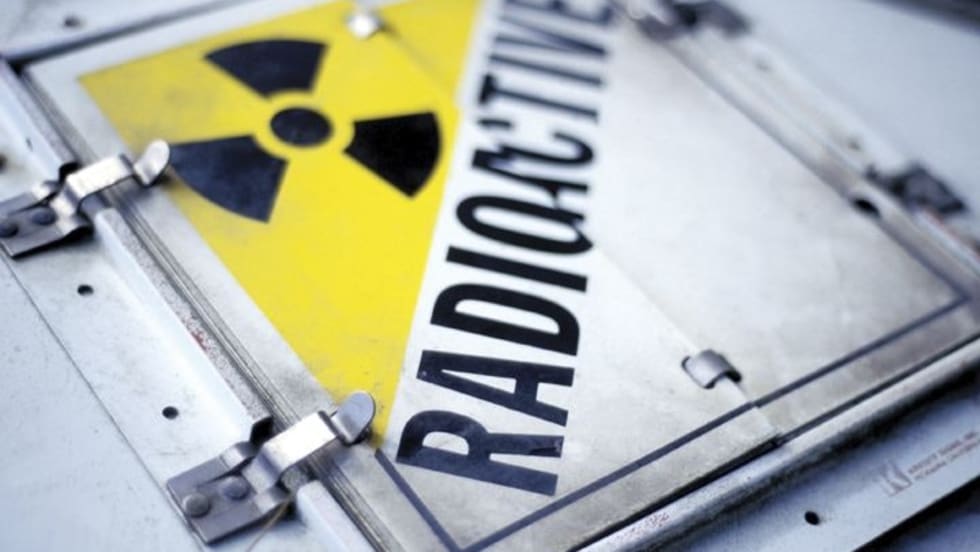



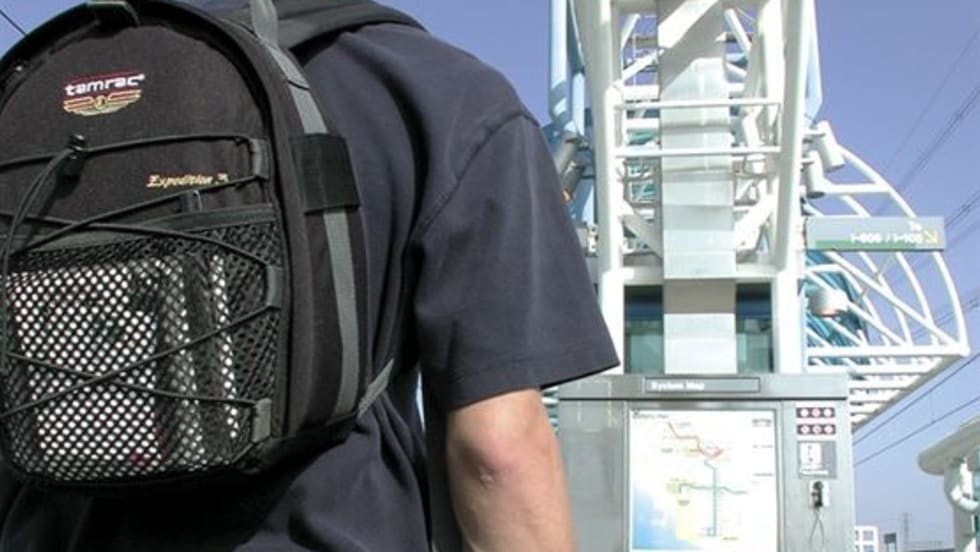
It’s important for you to be able to analyze vulnerabilities in your community, prioritize potential targets, and plan for a response. In other words, to protect your jurisdiction from dedicated and motivated fanatics, you need to look at it through their eyes.
Read More →As terrorists continue to expand their knowledge base, their capability to unleash weapons of mass destruction on the American public moves from the realm of fictional thrillers to all-too-real concerns for public safety.
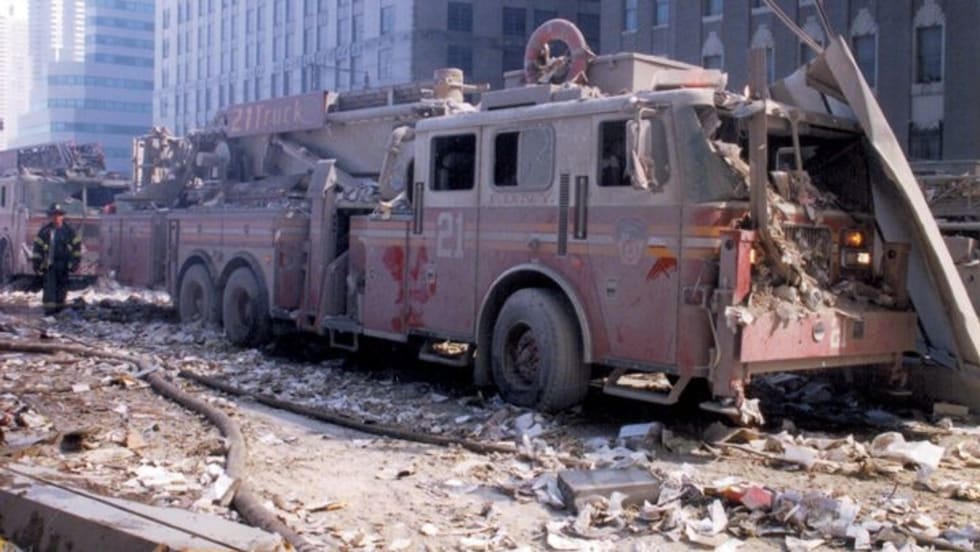
Read More →The 9/11 atrocities changed America. But unless they were directly affected, I don't think it really changed individual Americans. In fact, I think it had the opposite effect. If you were liberal before the attack, it made you more liberal; conservative, more conservative; pacifist, more pacifist...
Read More →In researching the best Websites for law enforcement officers, we decided to go with a listing of quality sites that might roughly parallel an officer’s needs throughout his or her career.
Read More →NYPD's counter-terrorism unit works out of a windowless brick building somewhere in one of the five boroughs of the Big Apple. To the average person passing by, the building looks no different than any of the other rundown buildings in the area. It's covered with graffiti, surrounded by nondescript private cars, and shadowed by a worn elevated commercial billboard.
Read More →Using training including how to fall properly without injury, a French special ops unit successfully completed a dynamic hostage rescue.
Read More →Al Qaeda is alive and kicking; we are still at war; they still want to kill us, and the intelligence community, the military, and law enforcement may not be able to prevent the attack.
Read More →Most cities and counties have increased police and fire funding since 9-11, but in many cases, budget bumps can barely meet newly established needs.
Read More →"The threat of suicide bombers in the U.S. is not an 'if' but a 'when,'" read a recent alert to law enforcement that was sent by the California Department of Justice.
Read More →