



Superman Syndrome
Al Qaeda is alive and kicking; we are still at war; they still want to kill us, and the intelligence community, the military, and law enforcement may not be able to prevent the attack.

Back in mid-October, director of the CIA George Tenet addressed a congressional hearing and told the assembled representatives and senators something that they and their constituents didn't want to hear. Al Qaeda is alive and kicking; we are still at war; they still want to kill us, and the intelligence community, the military, and law enforcement may not be able to prevent the attack.
Tenet's testimony may be one of the most honest moments in the history of congressional hearings. And one of the most important for law enforcement and civilians. Unfortunately, the deeper meaning of the DCI's words may have been lost amid the noise of another news story.
The joint hearing of the House and Senate intelligence committees investigating the intelligence failures that resulted in the 9/11 attack took place against a backdrop of the Beltway sniper investigation. So it was largely overshadowed in the news cycle.
That's too bad. Because Tenet was trying to teach the American public something. He was saying, "Listen up, people. The good guys don't always win. The white hats can't always save the day."
What's ironic is that the whole sniper situation was a fine example of just what Tenet was talking about. No, it wasn't Al Qaeda, but it was an attack on the public that should have hammered home the hard truth that the police can't protect everyone from all harm.
That truth escaped most people. It especially eluded the journalists who covered the sniper case and who constantly posed the question, "why aren't the police doing more to catch him?" It's a loaded question and the load that it carries is an assumption that the officers and federal agents working the case were somehow incompetent, inept, or too caught up in inter-agency oneupmanship to properly execute their duties.
For me all this speculation reached its absurd apex when a producer for a British radio show called to talk about the sniper case. He wanted to know if I thought the British police would have wrapped up the sniper case much sooner than the Americans. That gave me pause. Why would anyone think the British police would have any more success shutting down a random sniper than the American officers working the case? No disrespect intended to our British readers, but unless Scotland Yard has moved to Hogwart's School for Wizards and Harry Potter is now an inspector, I can't imagine that you would have had any more luck catching a random, mobile serial killer than your Yank counterparts.
The root of the belief that the British police should be able to magically catch killers that the Americans can't is the same as the belief that the CIA should have been able to stop 9/11. We have been spoonfed a diet of hero worship in Western pop culture. No matter how ingenious or evil the villain in a movie, book, or TV show, the hero always manages to save the day.
This is what the public expects of law enforcement officers, and some pundits and other talking heads take advantage of that expectation to try to make you look inadequate.
Don't buy into it. You can't believe you will always be able to save the day. Because you will not always be on the scene to do so. And yes, even when you are on the scene, you still may not be able to save everyone. As Aunt May tells Peter Parker in the recent movie "Spider-Man," you're not Superman.
But that's what the public expects when the filth hits the fan. They expect Superman. Or Batman. Or Wonder Woman. Unfortunately, life ain't a comic book.
Just remember the Beltway Sniper case wasn't closed in some action movie sequence of explosions and gunfights. The suspects were caught because they made mistakes along the way and the investigators were able to exploit those mistakes. The cops working the sniper case weren't pop culture superheroes, just good cops.
And that's really all the public can expect of you, or you can expect of yourself. Believing that you're Superman and can save everybody is not going to help you or the people you serve.
More Patrol

Streamlight Portable Scene Light III Wins 2026 OH&S New Product of the Year Award
Streamlight’s Portable Scene Light III has won the 2026 Occupational Health & Safety (OH&S) New Product of the Year Award in the Lighting category.
Read More →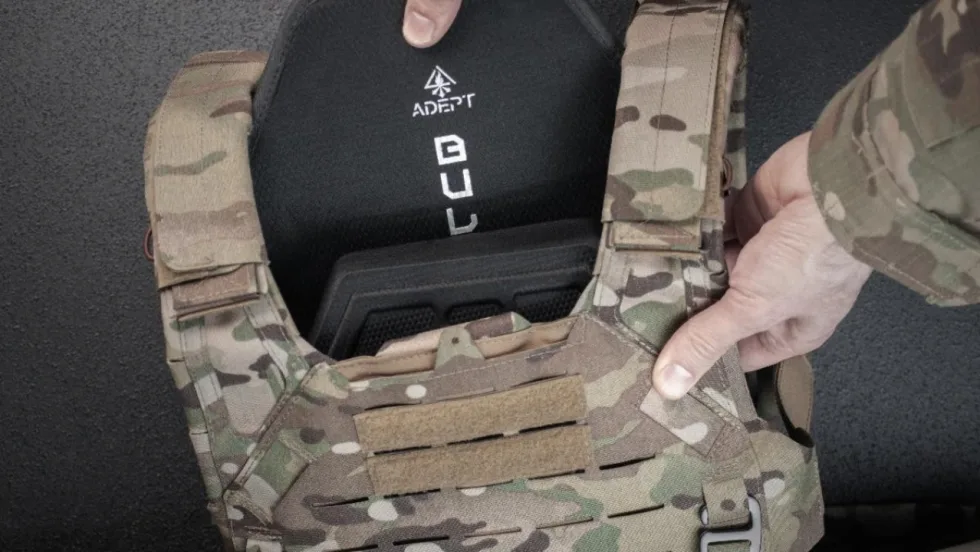
Adept Armor Introduces Two New Rifle Plates
Adept Armor has launched two new Level IV ballistic plates, the Emperor and the Archon Mark 2, which brings Adept Armor’s new Quatroid ceramic to the high-threat, performance-value center of the range at 5.2 pounds.
Read More →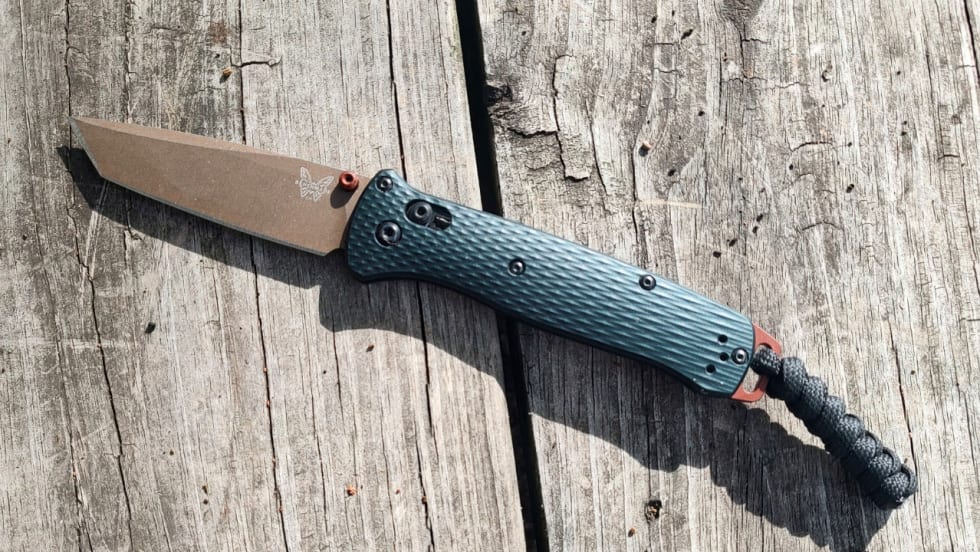
POLICE Product Test: Benchmade Bailout
The Benchmade Bailout is a slim, lightweight carry knife with a deep-ride pocket clip and comes in a variety of blade steels and scales. Here is a detailed review of the Taiga Green Bailout, released earlier this year.
Read More →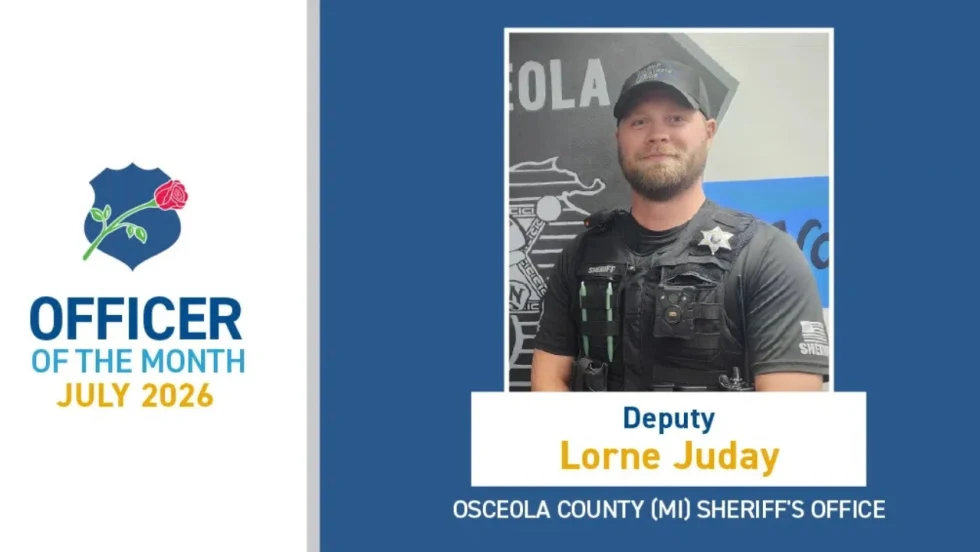
NLEOMF Announces July 2026 Officer of the Month
NLEOMF honored a Michigan deputy sheriff as the July 2026 Officer of the Month for rescuing a trapped driver from a burning vehicle following a Fourth of July crash.
Read More →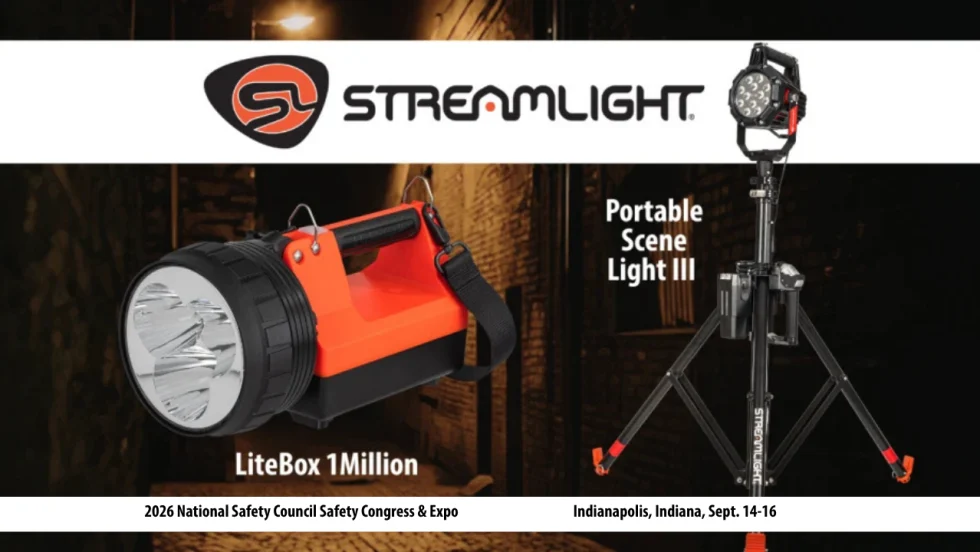
Streamlight to Showcase Newest Lighting Products at National Safety Council’s Safety Congress & Expo 2026
Streamlight will showcase its latest lights, including the Portable Scene Light III and the LiteBox 1Million, at the 2026 National Safety Council (NSC) Safety Congress & Expo.
Read More →
The 2027 World Police & Fire Games Set for Perth, Australia
The 2027 World Police & Fire Games (WPFG) will take place in Perth, Western Australia, from Friday, March 12 through Sunday, March 21, 2027.
Read More →
5.11 Partners with National Fallen Firefighters Foundation to Support #ForThe343
5.11 has joined the nationwide movement honoring the 343 New York City Fire Department firefighters lost on Sept. 11, 2001.
Read More →
Team Wendy Announces Title Sponsorship of the Jorge Pastore Foundation
Team Wendy’s 3-year partnership with the Jorge Pastore Foundation expands access to programs that strengthen those who serve.
Read More →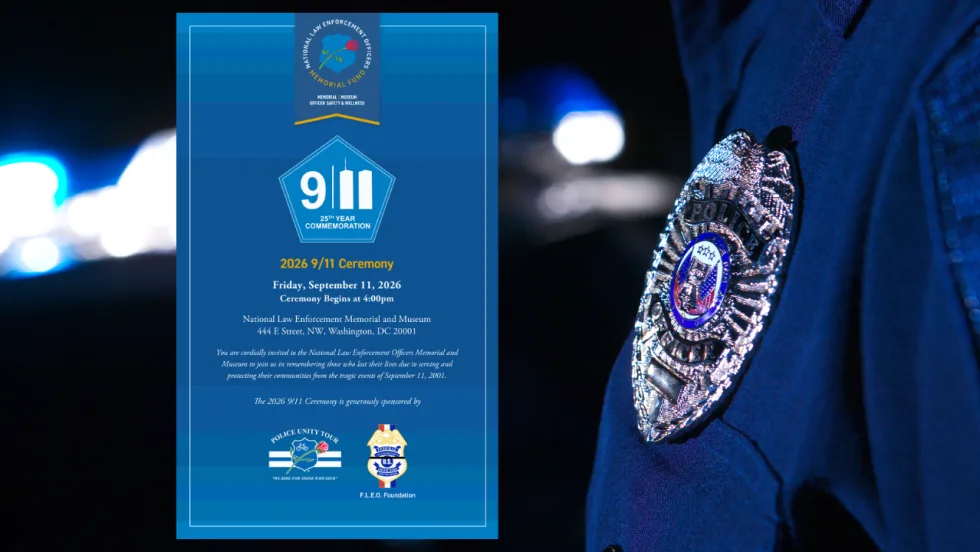
National Law Enforcement Memorial and Museum Hosting 9/11 25th-Year Commemoration Ceremony
The National Law Enforcement Memorial and Museum is hosting a 9/11 25th Year Commemoration Ceremony on Sept. 11 at 4 p.m.
Read More →
National Law Enforcement Officers Memorial Fund Announces June 2026 Officers of the Month
The National Law Enforcement Officers Memorial Fund (NLEOMF) named 15 officers of the Chico Police Department (California) as the Officers of the Month for June 2026 for their roles in responding to an active-shooter incident at a public library.
Read More →