
Police Magazine

 MENU
MENU SEARCHMENUSEARCH
Loading data...
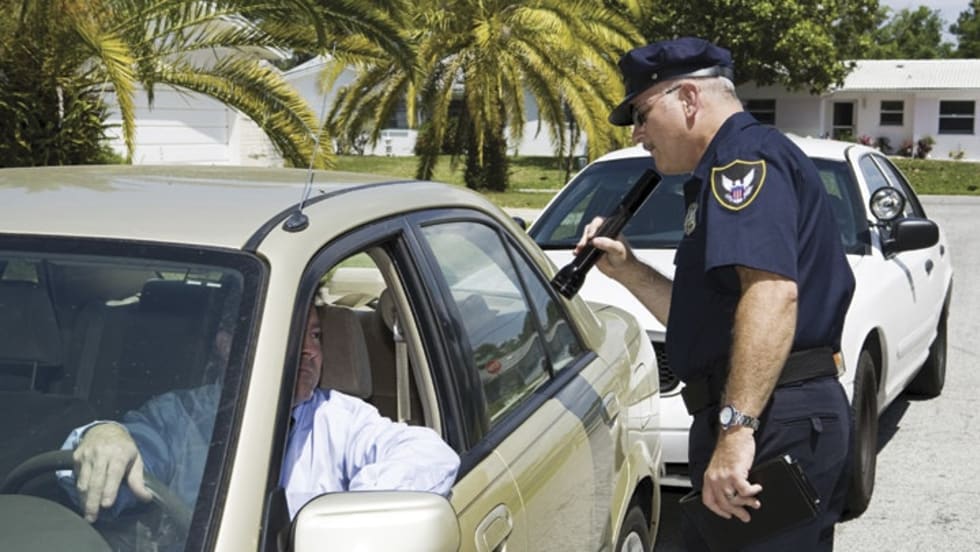
What if an object only comes into plain view after an officer shines a flashlight or spotlight into an area, or looks through binoculars? Does this use of sense-enhancing devices make a difference in the Fourth Amendment calculation of reasonableness?
Read More →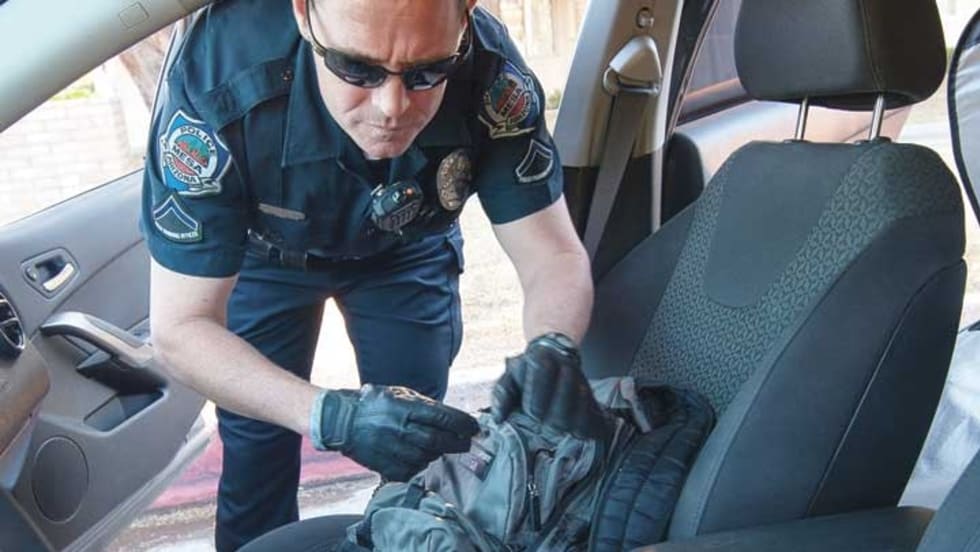
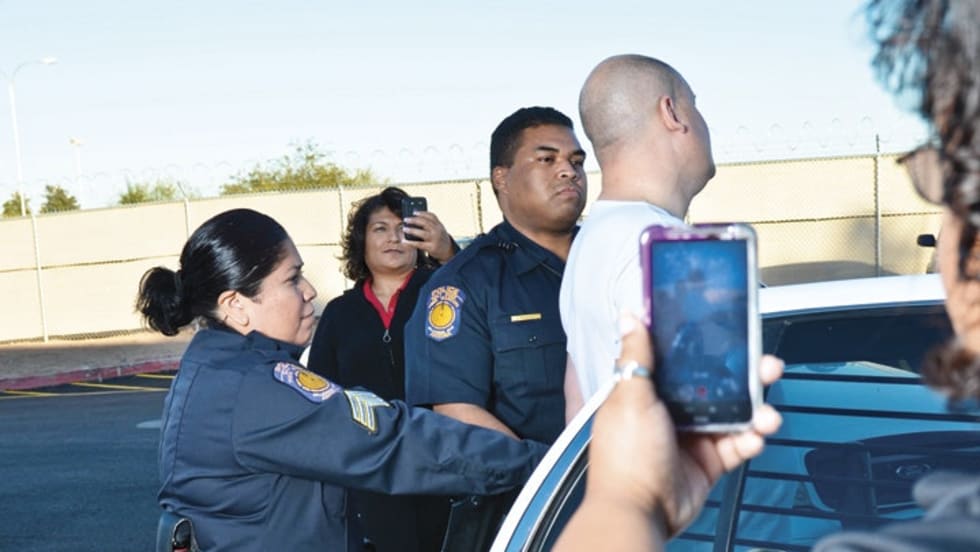

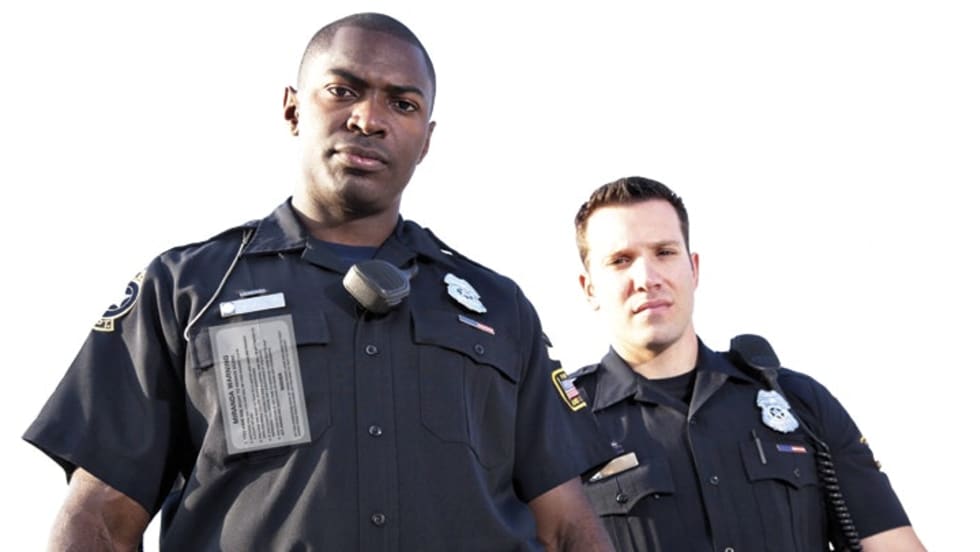


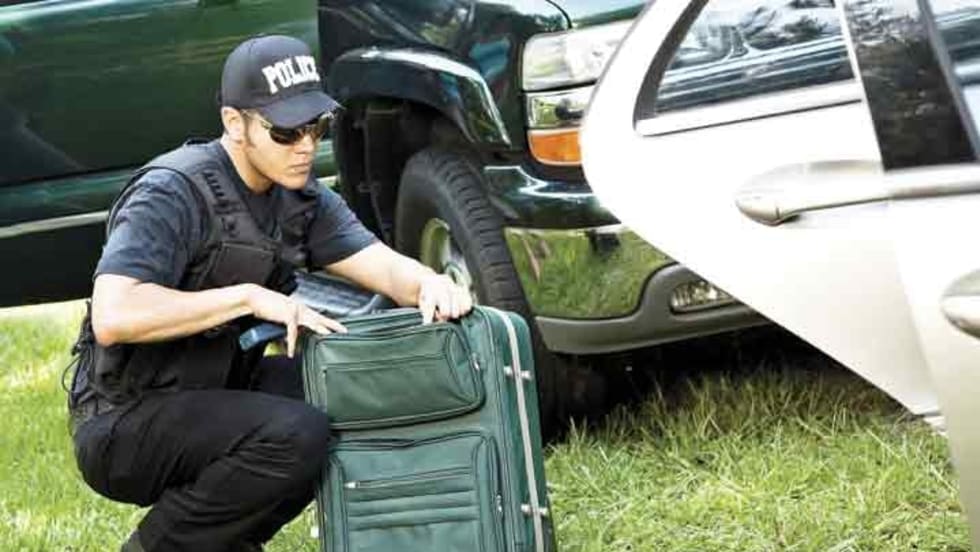
A fleeting targets search may be made at any time and any place where you have lawful access and PC.
Read More →If you aren't speaking and behaving at all times in public the way you want to appear when you're uploaded on YouTube, you could have some unpleasant surprises in store.
Read More →Under what circumstances would the Fourth Amendment allow routine collection of DNA samples upon arrest and booking? A recent Supreme Court decision addressed this issue.
Read More →Miranda warnings should not be given when they aren't legally necessary such as when information is urgently needed to protect the safety of officers or the public, or to rescue a victim.
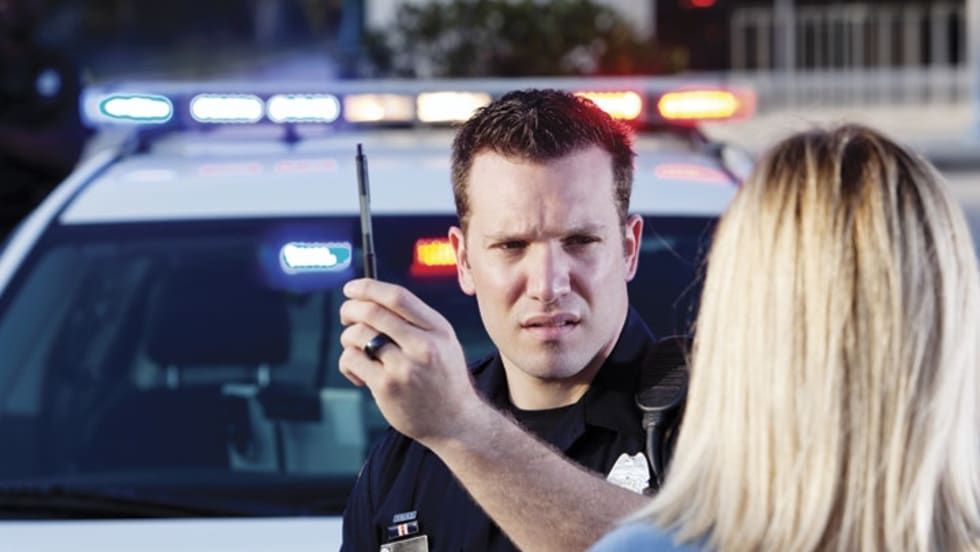
Read More →The Supreme Court has made it more difficult for law enforcement officers to obtain the most probative evidence of impaired driving—a measure of the alcohol concentration in a sample of the suspect's blood.
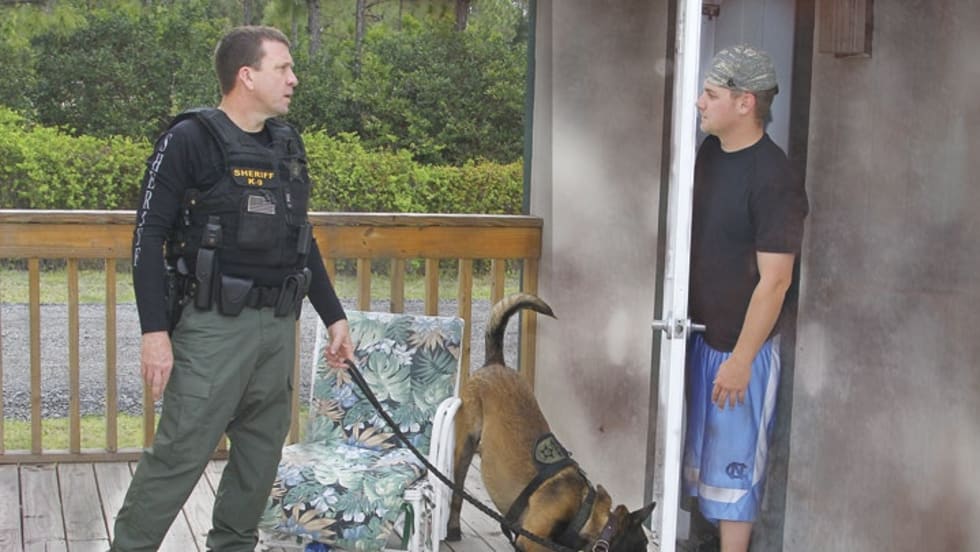
Read More →Two cases from Florida have brought the U.S. Supreme Court to two different conclusions regarding K-9 searches in 2013. One is an affirmation of existing practice, but the other breaks new ground and imposes new limits.
Read More →When you make a search of premises under authority of a search warrant, it is generally permissible to detain the occupants pending completion of the search. The authority to do so, and the rationale supporting detention, were limited by a 2013 decision.
Read More →Let's face it—law enforcement officers sometimes make detentions, arrests, entries, or searches that run afoul of one or more of the hundreds of judicial decisions differentiating "reasonable" and "unreasonable" searches and seizures.
Read More →Warrantless searches are presumed to be unreasonable, but the U.S. Supreme Court has acknowledged that a warrantless search may still be reasonable under the Fourth Amendment if it falls within the guidelines of one or more of a limited number of exceptions.
Read More →