



When Miranda Doesn't Matter
Miranda warnings should not be given when they aren't legally necessary such as when information is urgently needed to protect the safety of officers or the public, or to rescue a victim.

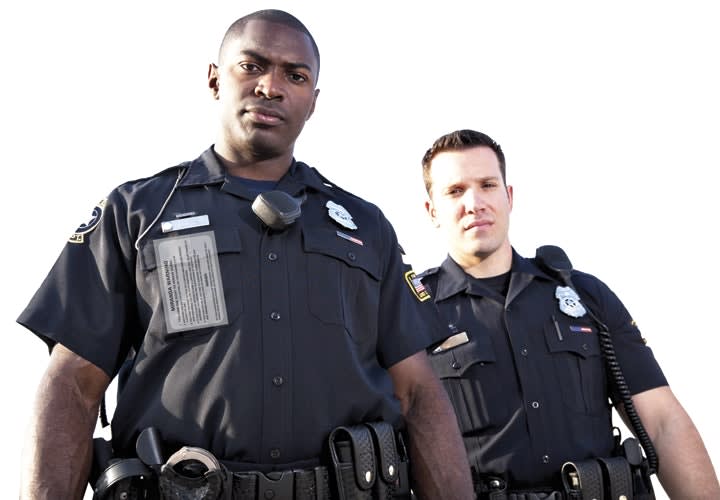
Photo courtesy of iStockPhoto.
In Oregon v. Elstad, the U.S. Supreme Court acknowledged the obvious: "Miranda warnings may inhibit persons from giving information." This is why warnings should not be given when they aren't legally necessary such as when information is urgently needed to protect the safety of officers or the public, or to rescue a victim.
Mirandizing to a Fault
After her kidnap in Sackett Lake, N.Y., Trudy Farber was locked in a poorly ventilated box in the woods while her abductor, Ronald Krom, negotiated a ransom. Police arrested and Mirandized Krom and sought to question him about Farber's whereabouts. "The defendant then asked to speak to a lawyer and all questioning ceased." (People v. Krom) Farber's body was later found in the box. She had run out of oxygen and suffocated while awaiting a rescue that was delayed while officers "scrupulously honored" her kidnapper's Miranda invocation.
On Christmas Day, 2009, Umar Farouk Abdulmutallab tried unsuccessfully to blow up Northwest flight 253 over Detroit. He was arrested and questioned without Miranda warnings for 50 minutes. He admitted he was from al Qaeda in Yemen and that he had tried to detonate an explosive aboard the plane. Federal agents then decided (or were instructed) to give Abdulmutallab a Miranda warning. He invoked his rights and stopped talking. If other saboteurs were aboard other inbound flights with more bombs, Abdulmutallab wasn't saying.
More recently, suspect Dzhokhar Tsarnaev was arrested and interrogated without warnings after two bombs killed three and maimed or wounded 282 more at the Boston marathon. He answered questions from investigators on the High Value Detainee Interrogation Team...until a federal magistrate advised him of his right to remain silent and appointed a lawyer to represent him. Then Tsarnaev stopped talking. Were there other bombs waiting to go off? Were there other conspirators still at large, with the capability of bombing other targets? "Go fish."
New York v. Quarles
In 1984, the U.S. Supreme Court created an exception to the Miranda rules, holding that "there is a public safety exception to the requirement that Miranda warnings be given before a suspect's answers may be admitted into evidence."
In Quarles, an armed rapist was caught in a supermarket after ditching his gun. Officers cuffed him and asked, "Where's the gun?" Both his answer and the gun itself were ruled admissible, the court reasoning that a discarded firearm in a supermarket presented a risk that someone might pick it up and fire it, injuring or killing an innocent victim or himself. The court ruled, "We conclude that the need for answers to questions in a situation posing a threat to the public safety outweighs the need for the prophylactic rule protecting the Fifth Amendment's privilege against [compelled] self-incrimination."
The Quarles ruling and rationale have been applied in numerous state and federal cases to permit unMirandized questioning directed at neutralizing potential threats to public safety or officer safety, or to rescuing an imperiled victim.
Public Safety Questioning
The need to dispense with inhibitory Miranda warnings when information is sought to protect lives and safety is so obvious that even the justices who dissented in the Quarles case conceded that point, saying this:
"If a bomb is about to explode or the public is otherwise imminently imperiled, the police are free to interrogate suspects without advising them of their constitutional rights. Such questioning may take place if advising a suspect might decrease the likelihood that the suspect would reveal life-saving information. If trickery is necessary to protect the public, the police may trick a suspect into confessing. Nothing in Miranda v. Arizona proscribes this sort of emergency questioning." (New York v. Quarles)
Lower courts have cited Quarles in approving questioning aimed at finding or disarming explosives, as in the following cases:
U.S. v. Josephson (USDC, Ohio): "If the public safety exception allows officers to question a person about the location of a loaded revolver, it certainly will permit inquiries regarding a bomb on an aircraft."
U.S. v. Khalil (2nd Circuit, New York): Immediate need to disarm bombs "made interrogation permissible without Miranda warnings."
The public safety exception is often invoked to justify unMirandized custodial interrogation about the location of firearms.
U.S. v. Allen (9th Circuit, California): "If the gun was discarded in a public place, it posed a continuing immediate danger because anyone could have found the gun at any time. The officer's questioning was objectively reasonable in order to ensure the public's safety."
U.S. v. Johnson (3rd Circuit, Pennsylvania): Suspect's answer to the question "Do you have a gun?" was admissible under the public safety exception, where the suspect was arrested at the scene of a "road rage" incident after reportedly waving a gun at the victim.
Officer Safety
In Quarles, the Supreme Court spoke of a Miranda exception not only for public safety, but also for officer safety. The court referred to "the need to protect the police or the public from any immediate danger," and included within the exception questions officers ask "to secure their own safety or the safety of the public." Lower courts have applied the officer safety exception when necessary questions were asked before warnings were given, as in the following cases:
U.S. v. Edwards (7th Circuit, Wisconsin): "Drug dealers are known to arm themselves. It was therefore appropriate for the detective to determine whether Edwards had a weapon that might pose a threat to him or other officers."
U.S. v. Talley (6th Circuit, Tennessee): "Once the officer had seen the magazine, he had reason to believe a gun was nearby and was justified under Quarles in asking his question prior to administering a Miranda warning."
U.S. v. Webster (5th Circuit, Texas): "The police acted constitutionally when they asked Webster whether he had any needles in his pockets that could injure them during their pat down."
Rescue Questioning
The rationale that allows public and officer safety questioning also permits unwarned interrogation aimed at finding and rescuing a kidnap victim or a wounded or injured person.
Williams v. Jacquez (USDC, California): Fresh bloodstains and a bullet hole in a vehicle justified inquiry as to the location of the person who had been shot. The Quarles exception "can reasonably be extended to a situation involving the immediate safety of a victim."
U.S. v. Vega-Rubio (USDC, Nevada): "It was permissible to question without Miranda "while a kidnapped six-year-old boy's life was still arguably at risk."
The rescue doctrine still applies, even when considerable time has elapsed between a victim's disappearance and the suspect's arrest, because police do not know whether the victim is still alive and awaiting rescue. (People v. Davis) Examples: Kidnap victim Polly Klaas was missing 64 days; Elizabeth Smart was kept 9 months; three women in Cincinnati were found after missing for 9, 10 and, 11 years; and Jaycee Dugard was held 18 years before rescue.
No Coercive Interrogation Allowed Under Quarles
Even though the Quarles exception permits unMirandized interrogation to neutralize immediate threats or to facilitate rescue, it does not authorize the use of force or physical mistreatment to obtain information. "Officers cannot compel self-incriminating statements."(U.S. v. DeSantis)
Devallis Rutledge is a former police officer and veteran prosecutor who currently serves as special counsel to the Los Angeles County district attorney. He is the author of 12 books, including "Investigative Constitutional Law."
More Patrol
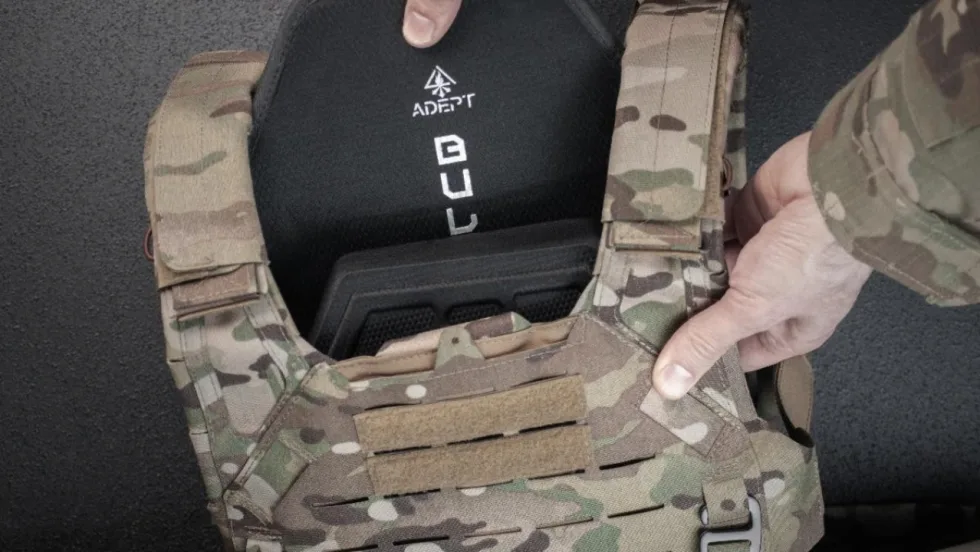
Adept Armor Introduces Two New Rifle Plates
Adept Armor has launched two new Level IV ballistic plates, the Emperor and the Archon Mark 2, which brings Adept Armor’s new Quatroid ceramic to the high-threat, performance-value center of the range at 5.2 pounds.
Read More →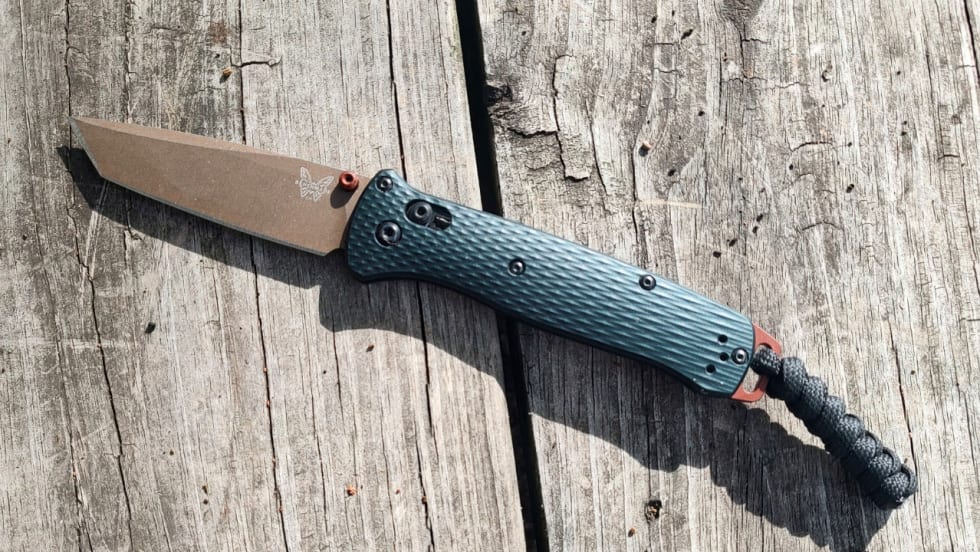
POLICE Product Test: Benchmade Bailout
The Benchmade Bailout is a slim, lightweight carry knife with a deep-ride pocket clip and comes in a variety of blade steels and scales. Here is a detailed review of the Taiga Green Bailout, released earlier this year.
Read More →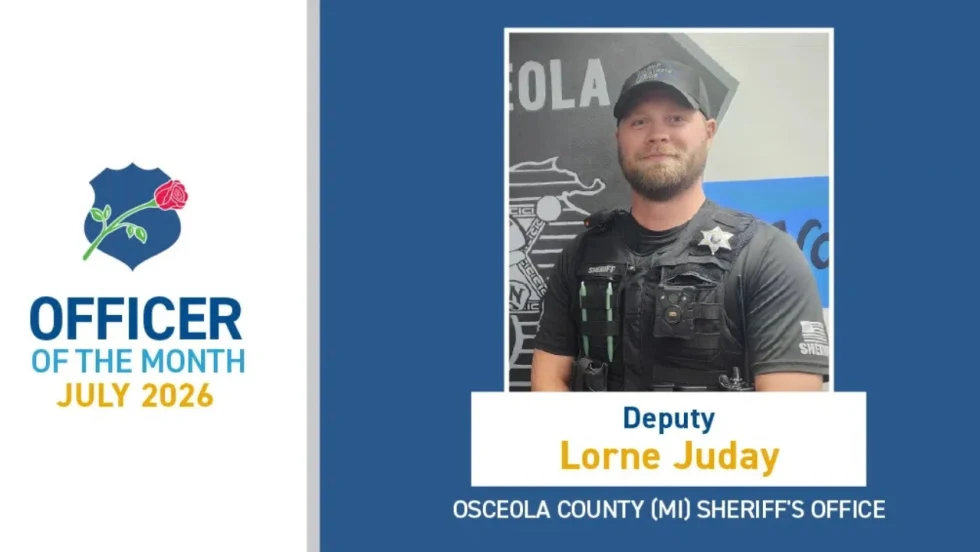
NLEOMF Announces July 2026 Officer of the Month
NLEOMF honored a Michigan deputy sheriff as the July 2026 Officer of the Month for rescuing a trapped driver from a burning vehicle following a Fourth of July crash.
Read More →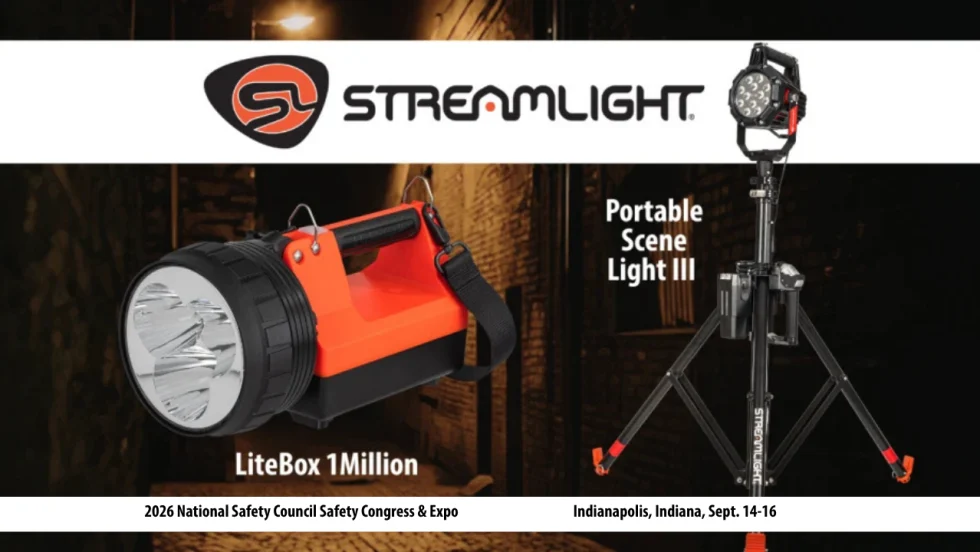
Streamlight to Showcase Newest Lighting Products at National Safety Council’s Safety Congress & Expo 2026
Streamlight will showcase its latest lights, including the Portable Scene Light III and the LiteBox 1Million, at the 2026 National Safety Council (NSC) Safety Congress & Expo.
Read More →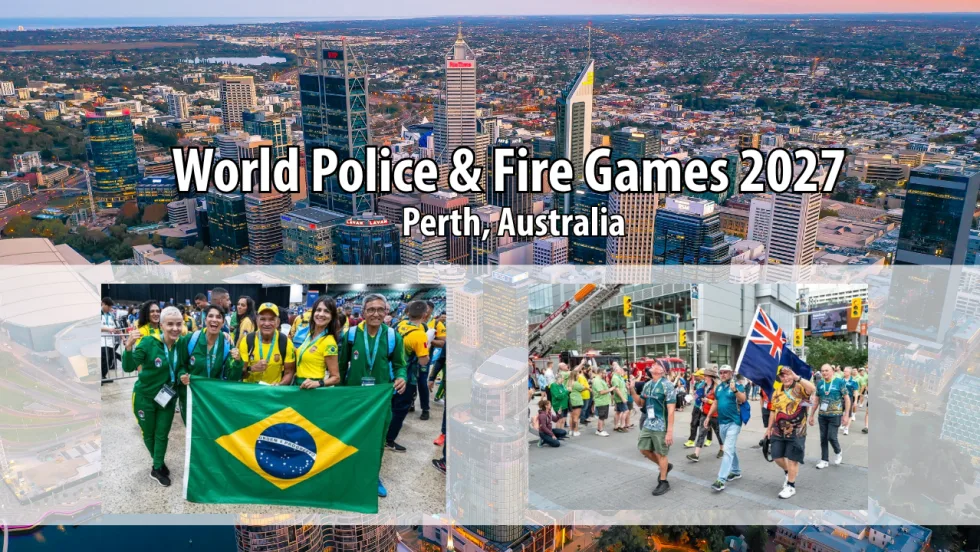
The 2027 World Police & Fire Games Set for Perth, Australia
The 2027 World Police & Fire Games (WPFG) will take place in Perth, Western Australia, from Friday, March 12 through Sunday, March 21, 2027.
Read More →
5.11 Partners with National Fallen Firefighters Foundation to Support #ForThe343
5.11 has joined the nationwide movement honoring the 343 New York City Fire Department firefighters lost on Sept. 11, 2001.
Read More →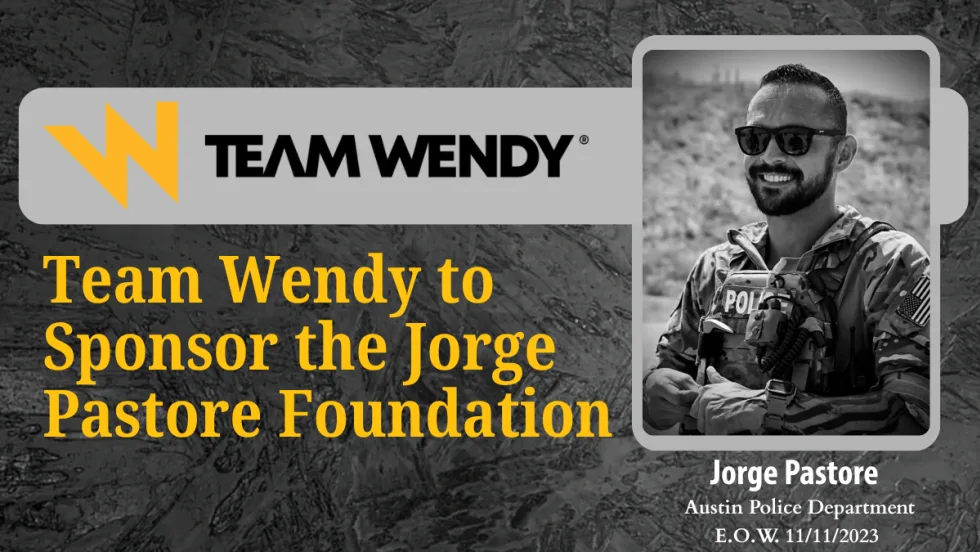
Team Wendy Announces Title Sponsorship of the Jorge Pastore Foundation
Team Wendy’s 3-year partnership with the Jorge Pastore Foundation expands access to programs that strengthen those who serve.
Read More →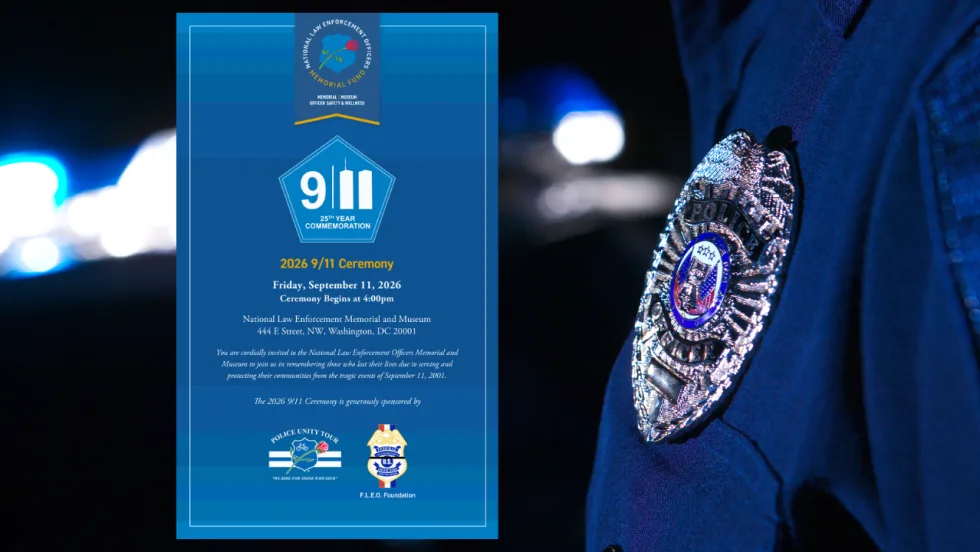
National Law Enforcement Memorial and Museum Hosting 9/11 25th-Year Commemoration Ceremony
The National Law Enforcement Memorial and Museum is hosting a 9/11 25th Year Commemoration Ceremony on Sept. 11 at 4 p.m.
Read More →
National Law Enforcement Officers Memorial Fund Announces June 2026 Officers of the Month
The National Law Enforcement Officers Memorial Fund (NLEOMF) named 15 officers of the Chico Police Department (California) as the Officers of the Month for June 2026 for their roles in responding to an active-shooter incident at a public library.
Read More →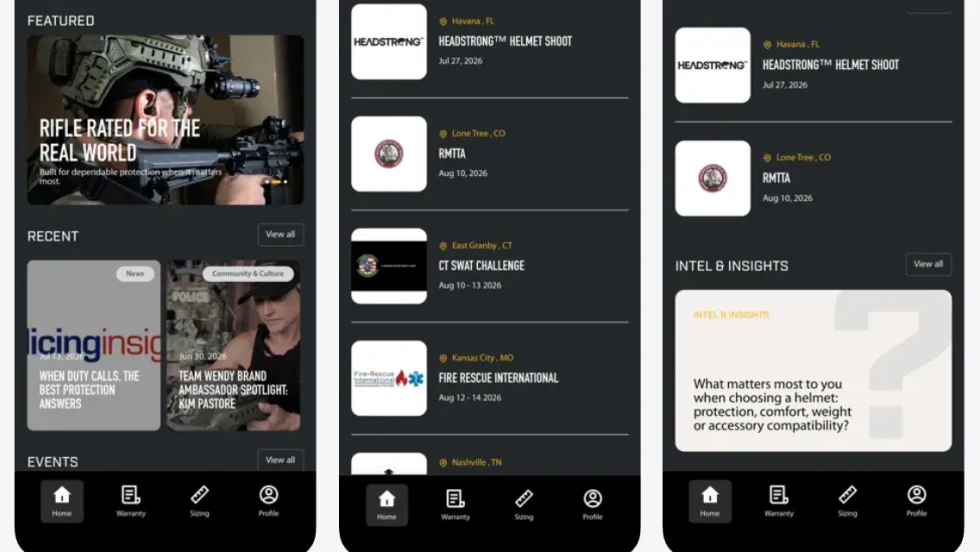
Team Wendy App Creates New Digital Hub for Helmet Owners
The Team Wendy Community App provides one location for warranty registration, size-fit tools, product updates, and community connection. For helmet owners, the new app creates a simpler path to the information and tools that matter most.
Read More →