
Police Magazine

 MENU
MENU SEARCHMENUSEARCH
Loading data...
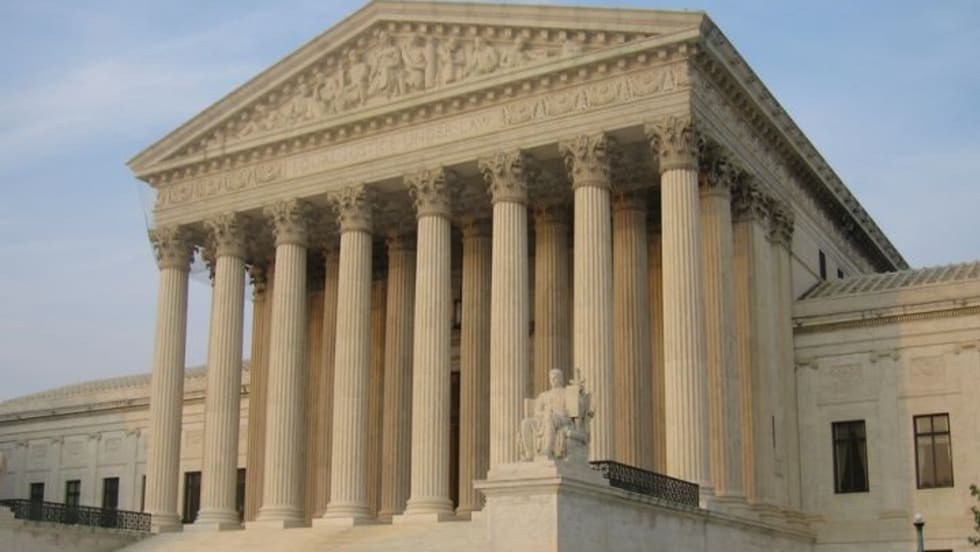
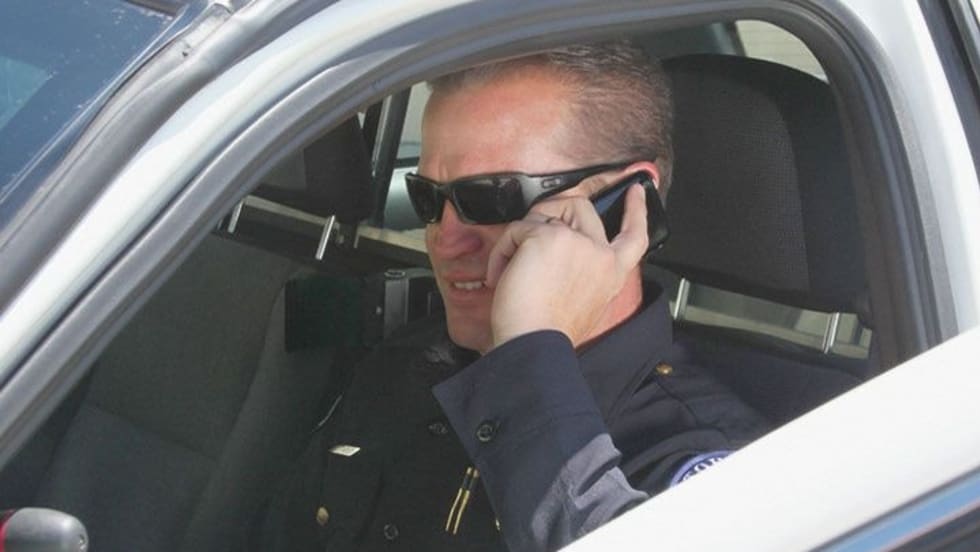
The court overturned the conviction of Charles Fowler for the 1998 shooting of a Florida officer. Fowler was convicted for violating a federal communications statute and given life in prison.
Read More →
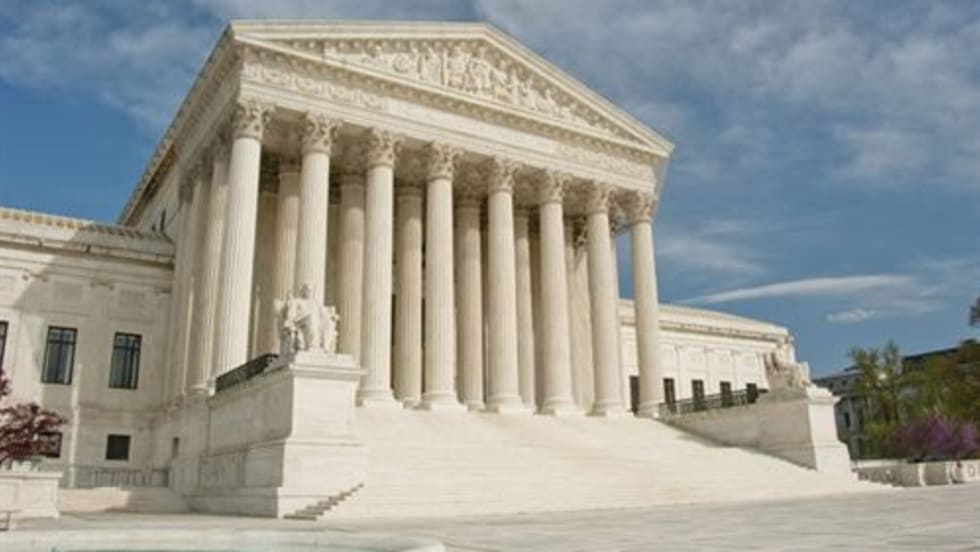


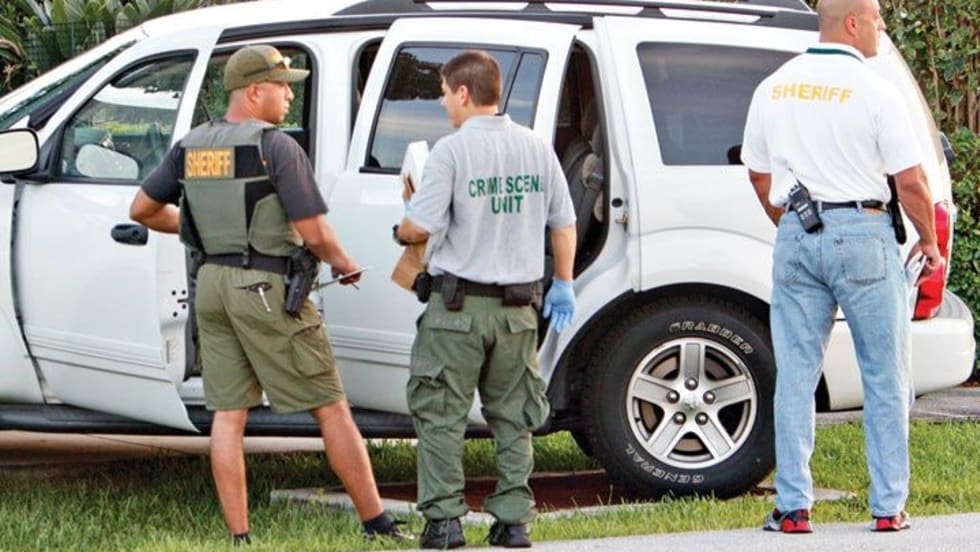

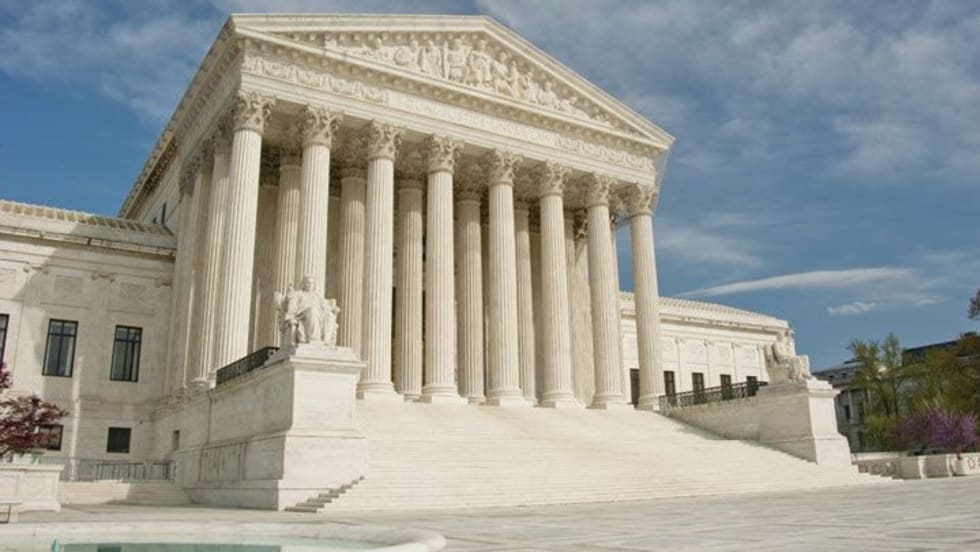
The U.S. Supreme Court has upheld a three-judge panel's order to release more than one-fourth of California's prison population to relieve overcrowding. In a 5-4 decision, the court sided with the panel that had ruled inmates didn't have adequate access to medical care.
Read More →A U.S. Supreme Court decision handed down Monday gives law enforcement officers the right to forcibly enter a residence if they suspect evidence is being destroyed after they have announced their presence.
Read More →The Constitution does not forbid you to talk to a person just because that person has an attorney, or just because the attorney tells you not to do it. Instead, the law focuses on whether the suspect is willing to talk without his or her attorney present.
Read More →In the past, the high court has said officers need a search warrant to enter a home, but during arguments in a drug case, the court's conservatives said they favored relaxing that rule when police say they have a need to act fast.
Read More →It would be great if there were a single, simple rule to tell you where and when you may lawfully search a vehicle for contraband or evidence. Unfortunately, there are multiple rules, and sometimes more than one of them may apply.
Read More →The U.S. Supreme Court has agreed to render a decision on whether using a vehicle to flee from police after being ordered to stop should be considered a violent felony and justify a longer sentence.
Read More →As a result of these back-to-back rulings from the Supreme Court, neither the federal government nor any city, county, or state may enforce any law that creates a blanket prohibition against the possession of firearms by an individual in the home.
Read More →Increasingly, law enforcement agencies issue electronic communication and information equipment to employees for their use in performing official duties. Access to and use and monitoring of the information stored or transmitted by means of such devices may be subject to a variety of employer policies, state and federal statutes, constitutional provisions, and case law.
Read More →If a suspect wants to assert either his right to counsel or his right to silence, it is up to him to do so, unequivocally and unambiguously.
Read More →