
Police Magazine

 MENU
MENU SEARCHMENUSEARCH
Loading data...

The Lemur 2's sensor array includes a lidar sensor, tracking camera, multiple night vision illuminators, a spotlight with strobe, 4K camera, FLIR thermal imager, microphone, and loudspeaker.
Read More →

According to court records, Fitzgerald was initially responding to reports of a robbery when he first encountered Pfeffer. After the shooting, authorities allege Pfeffer stood over the officer and shot him several more times in the head while Fitzgerald was on the ground.
Read More →Officers will tell you “what” happened, as they should, simply based on the fact that you asked. But in my experience the more important question is, “Why did this happen?”
Read More →Tyson Hampton, 24, is facing charges of murder, battery, battery constituting domestic violence, four counts of attempted murder, two counts of assault and 19 counts of illegally discharging a weapon, court records show.
Read More →Assembly Bill 742’s supporters, which include the NAACP and ACLU, say the use of police K-9s has been a mainstay in America’s history of racial bias and violence against Black Americans and people of color.
Read More →Wesley Ruiz, who was in 2008 convicted in the death of Senior Cpl. Mark Nix, died by lethal injection after the U.S. Supreme Court earlier in the day denied his appeal.
Read More →Former officers Tadarrius Bean, Demetrius Haley, Justin Smith, Emmitt Martin III and Desmond Mills, Jr. have all been charged with one count of second-degree murder, aggravated assault-acting in concert, two counts of aggravated kidnapping, two counts of official misconduct and one count of official oppression, court records show.
Read More →During a probable cause search of a vehicle, for example, an officer can train herself to narrate and justify her actions, even speaking in first person to the court.
Read More →Officers using pepper spray have to be able to justify that use of force under Graham v. Connor.
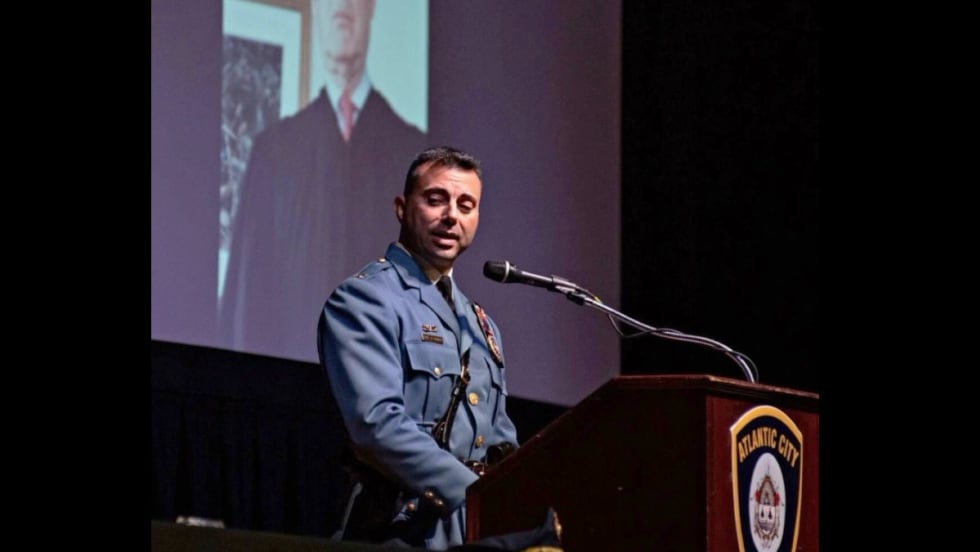
Read More →“I’m honored and humbled to be sworn in as chief in such an iconic building, and to have a Supreme Court justice representing the highest court in the land swear me in,” Chief James A. Sarkos, 46, said in his speech during the Nov. 17 event.
Read More →