



Feds Temporarily Ban Chemicals Used in 'Bath Salts'
The U.S. Drug Enforcement Administration has issued an emergency order banning three chemicals used to make street drugs known as "bath salts" and "plant food." The chemicals will be illegal for at least 12 months, and could be banned for another six months.

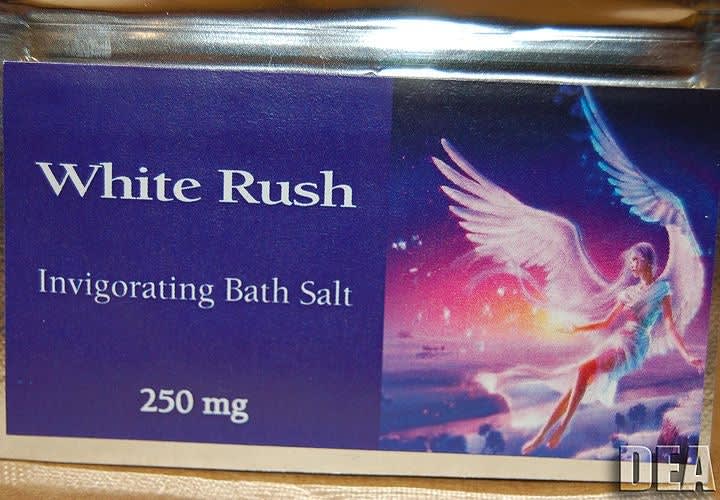
Photo: DEA
The U.S. Drug Enforcement Administration has issued an emergency order banning three chemicals used to make street drugs known as "bath salts" and "plant food."
The DEA exercised its emergency scheduling authority to control the synthetic stimulants mephedrone, 3,4 methylenedioxypyrovalerone (MDPV) and methylone.
The DEA temporarily banned the chemicals, and the products that contain them, to "prevent an imminent threat to the public safety," according to the agency. The temporary action remains in effect for at least one year, while the DEA and U.S. Department of Health and Human Services (DHHS) conduct additional studies about whether these chemicals should be permanently controlled.
"This action demonstrates our commitment to keeping our streets safe from these and other new and emerging drugs that have decimated families, ruined lives, and caused havoc in communities across the country," said Michele M. Leonhart, DEA administrator. "These chemicals pose a direct and significant threat, regardless of how they are marketed, and we will aggressively pursue those who attempt their manufacture and sale."
The chemicals will be illegal for at least 12 months, and could be banned for another six months. They've been designated as Schedule I substances, which is the most restrictive category under the federal Controlled Substances Act. Schedule I status is reserved for those substances with a high potential for abuse, no accepted treatment use, and a lack of accepted safe use of the drug under medical supervision.
Over the past several months, there has been a growing use of, and interest in, synthetic stimulants sold under the guise of "bath salts" or "plant food." These products are sold under names such as "Ivory Wave," "Purple Wave," "Vanilla Sky," or "Bliss." They are comprised of a class of chemicals perceived as mimics of cocaine, LSD, MDMA, or methamphetamine.
Users report impaired perception, reduced motor control, disorientation, extreme paranoia, and violent episodes. The long-term physical and psychological effects of using the drugs are unknown and potentially severe. These products have become increasingly popular among teens and young adults, and are usually head shops or online.
They've not been approved by the FDA for human consumption or for medical use, and there's no oversight of the manufacturing process.
In the past six months, the DEA has received an increasing number of reports from poison control centers, hospitals and law enforcement agencies regarding products containing one or more of these chemicals. Also, 37 states have taken action to control or ban these or other synthetic stimulants.
More Patrol

The First Responders Children’s Foundation National First Responders Day Roll Call of Heroes Ceremony Returns to Times Square, NYC
First Responders Children’s Foundation (FRCF), in collaboration with T-Mobile, will host the Roll Call of Heroes ceremony in Times Square to commemorate National First Responders Day on Wednesday, Oct. 28. During the event, FRCF will present 18 Hero Awards.
Read More →
Streamlight to Showcase Newest Lighting Products for Law Enforcement Professionals at IACP 2026
Streamlight will showcase its newest lights for law enforcement at the International Association of Chiefs of Police Annual Conference & Expo. Featured lights will include the TLR-3 X, the PolyTac 1X, and more.
Read More →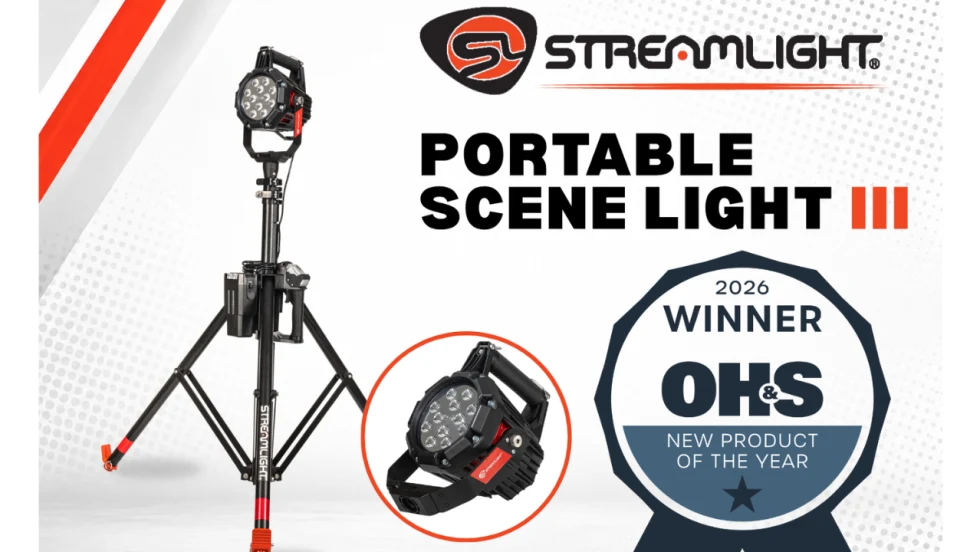
Streamlight Portable Scene Light III Wins 2026 OH&S New Product of the Year Award
Streamlight’s Portable Scene Light III has won the 2026 Occupational Health & Safety (OH&S) New Product of the Year Award in the Lighting category.
Read More →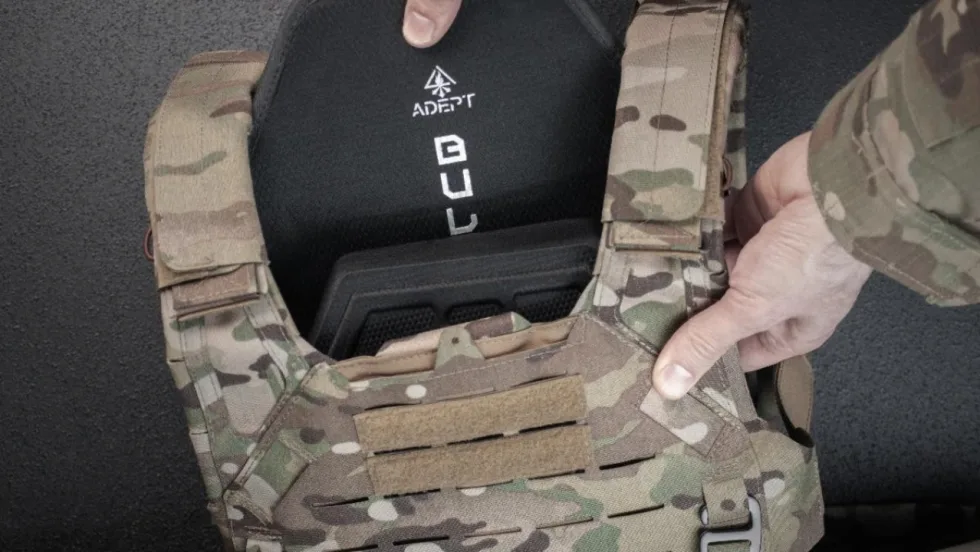
Adept Armor Introduces Two New Rifle Plates
Adept Armor has launched two new Level IV ballistic plates, the Emperor and the Archon Mark 2, which brings Adept Armor’s new Quatroid ceramic to the high-threat, performance-value center of the range at 5.2 pounds.
Read More →
POLICE Product Test: Benchmade Bailout
The Benchmade Bailout is a slim, lightweight carry knife with a deep-ride pocket clip and comes in a variety of blade steels and scales. Here is a detailed review of the Taiga Green Bailout, released earlier this year.
Read More →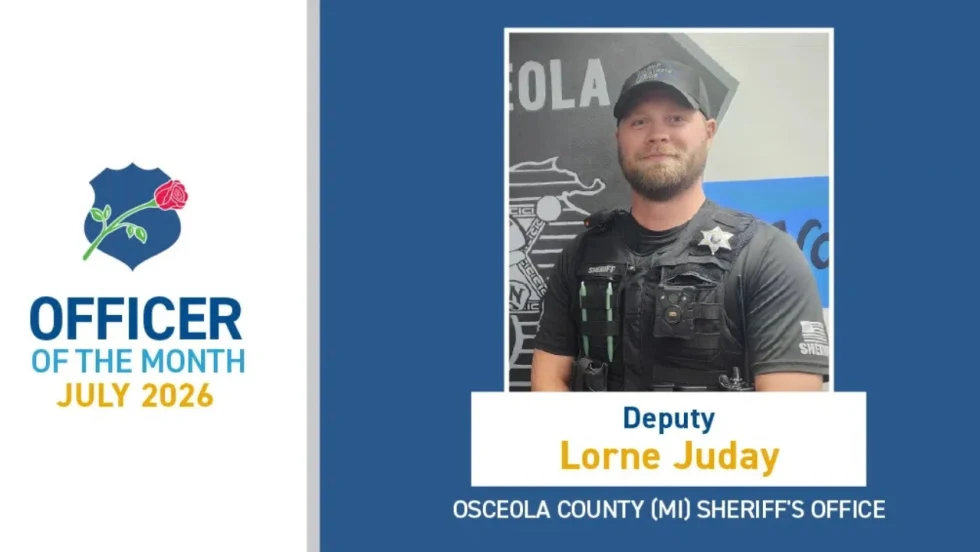
NLEOMF Announces July 2026 Officer of the Month
NLEOMF honored a Michigan deputy sheriff as the July 2026 Officer of the Month for rescuing a trapped driver from a burning vehicle following a Fourth of July crash.
Read More →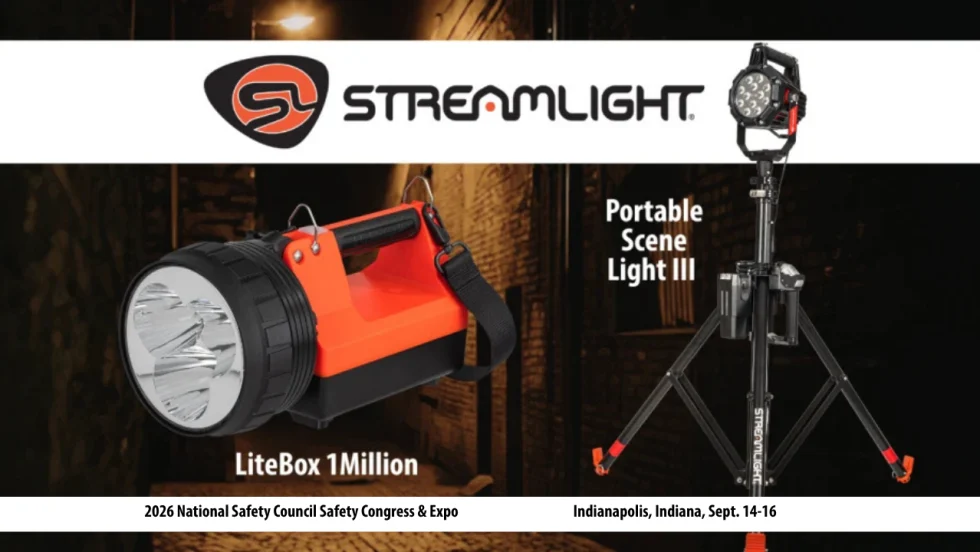
Streamlight to Showcase Newest Lighting Products at National Safety Council’s Safety Congress & Expo 2026
Streamlight will showcase its latest lights, including the Portable Scene Light III and the LiteBox 1Million, at the 2026 National Safety Council (NSC) Safety Congress & Expo.
Read More →
The 2027 World Police & Fire Games Set for Perth, Australia
The 2027 World Police & Fire Games (WPFG) will take place in Perth, Western Australia, from Friday, March 12 through Sunday, March 21, 2027.
Read More →
5.11 Partners with National Fallen Firefighters Foundation to Support #ForThe343
5.11 has joined the nationwide movement honoring the 343 New York City Fire Department firefighters lost on Sept. 11, 2001.
Read More →
Team Wendy Announces Title Sponsorship of the Jorge Pastore Foundation
Team Wendy’s 3-year partnership with the Jorge Pastore Foundation expands access to programs that strengthen those who serve.
Read More →