



Chicago Police Ordered to Wear Protective Gear at Future Protests
Superintendent Brown said officers faced organized mob action “designed to provoke violent responses” during a protest that started peacefully but turned violent, leaving several officers and protesters injured.

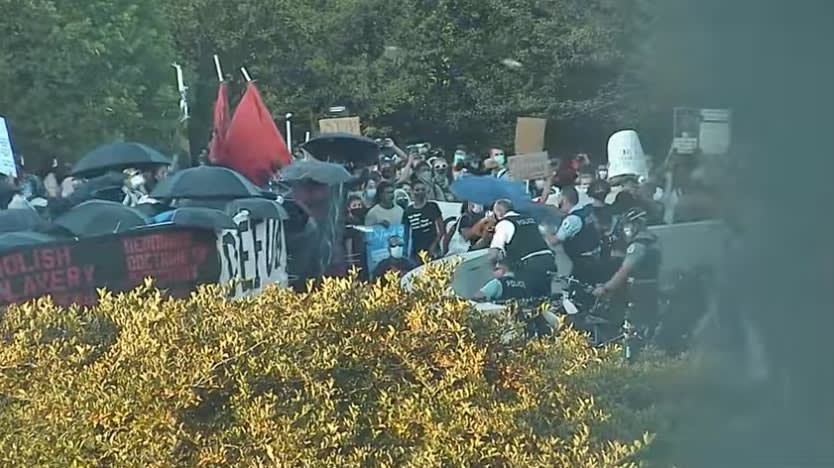
Chicago Police Superintendent David Brown is ordering his officers to wear “any and all protective gear” during future protests in the city following a mob assault Friday against police guarding the Christopher Columbus statue in Grant Park.
During the Friday incident, officers were not wearing riot gear or carrying shields.
Officials said 18 officers were hospitalized for injuries received in the attack, another 31 officers suffered less serious injuries. A dozen people were arrested.
Superintendent Brown said officers faced organized mob action “designed to provoke violent responses” during a protest that started peacefully but turned violent, WTTW reports.
The CPD published a six-minute compilation of surveillance footage Monday morning, which it said shows some members in the protest using umbrellas to shield others as they changed into black clothing and masks before pelting officers at the statue with rocks, frozen water bottles, fireworks, and other items Friday night.
Area 3 Deputy Chief Daniel O’Shea said protesters pushed carts and carried bags filled with items to throw at police, while others used sharpened PVC piping to jab at officers around the statue.
Activists said police used tear gas on the crowd and beat some participants. On Sunday, the Civilian Office of Police Accountability said it had received more than 20 complaints of police misconduct stemming from the protest, including allegations of excessive force, denial of counsel, operations violations and the unnecessary use of "oleoresin capsicum," also known as pepper spray.
Asked about those incidents Monday, Brown stated simply that his department will conduct “a thorough investigation of any and all allegations” of police misconduct.
“I want to be clear, the Chicago Police Department does not want to engage in violent interactions with peaceful protesters,” he said. “But when the law is being broken, or has been broken, our oath demands that we act. This is not a choice for our officers, this is a requirement of our oath. Even if that means protecting a statue.”
More Patrol
The First Responders Children’s Foundation National First Responders Day Roll Call of Heroes Ceremony Returns to Times Square, NYC
First Responders Children’s Foundation (FRCF), in collaboration with T-Mobile, will host the Roll Call of Heroes ceremony in Times Square to commemorate National First Responders Day on Wednesday, Oct. 28. During the event, FRCF will present 18 Hero Awards.
Read More →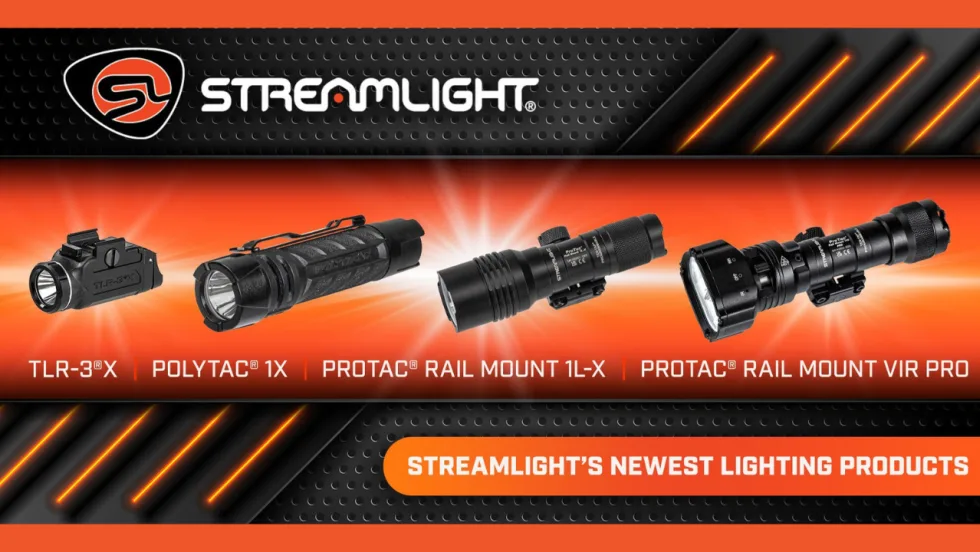
Streamlight to Showcase Newest Lighting Products for Law Enforcement Professionals at IACP 2026
Streamlight will showcase its newest lights for law enforcement at the International Association of Chiefs of Police Annual Conference & Expo. Featured lights will include the TLR-3 X, the PolyTac 1X, and more.
Read More →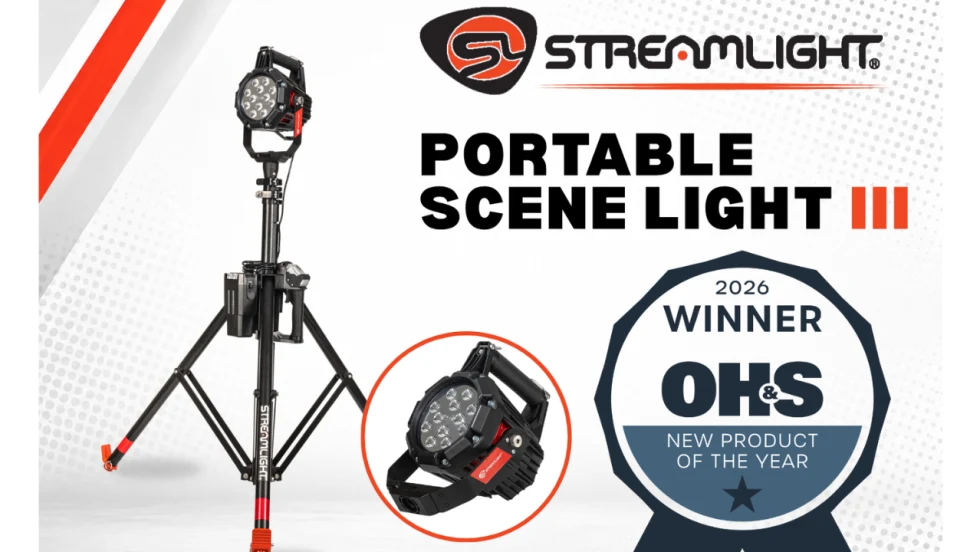
Streamlight Portable Scene Light III Wins 2026 OH&S New Product of the Year Award
Streamlight’s Portable Scene Light III has won the 2026 Occupational Health & Safety (OH&S) New Product of the Year Award in the Lighting category.
Read More →
Adept Armor Introduces Two New Rifle Plates
Adept Armor has launched two new Level IV ballistic plates, the Emperor and the Archon Mark 2, which brings Adept Armor’s new Quatroid ceramic to the high-threat, performance-value center of the range at 5.2 pounds.
Read More →
POLICE Product Test: Benchmade Bailout
The Benchmade Bailout is a slim, lightweight carry knife with a deep-ride pocket clip and comes in a variety of blade steels and scales. Here is a detailed review of the Taiga Green Bailout, released earlier this year.
Read More →
NLEOMF Announces July 2026 Officer of the Month
NLEOMF honored a Michigan deputy sheriff as the July 2026 Officer of the Month for rescuing a trapped driver from a burning vehicle following a Fourth of July crash.
Read More →
Streamlight to Showcase Newest Lighting Products at National Safety Council’s Safety Congress & Expo 2026
Streamlight will showcase its latest lights, including the Portable Scene Light III and the LiteBox 1Million, at the 2026 National Safety Council (NSC) Safety Congress & Expo.
Read More →
The 2027 World Police & Fire Games Set for Perth, Australia
The 2027 World Police & Fire Games (WPFG) will take place in Perth, Western Australia, from Friday, March 12 through Sunday, March 21, 2027.
Read More →
5.11 Partners with National Fallen Firefighters Foundation to Support #ForThe343
5.11 has joined the nationwide movement honoring the 343 New York City Fire Department firefighters lost on Sept. 11, 2001.
Read More →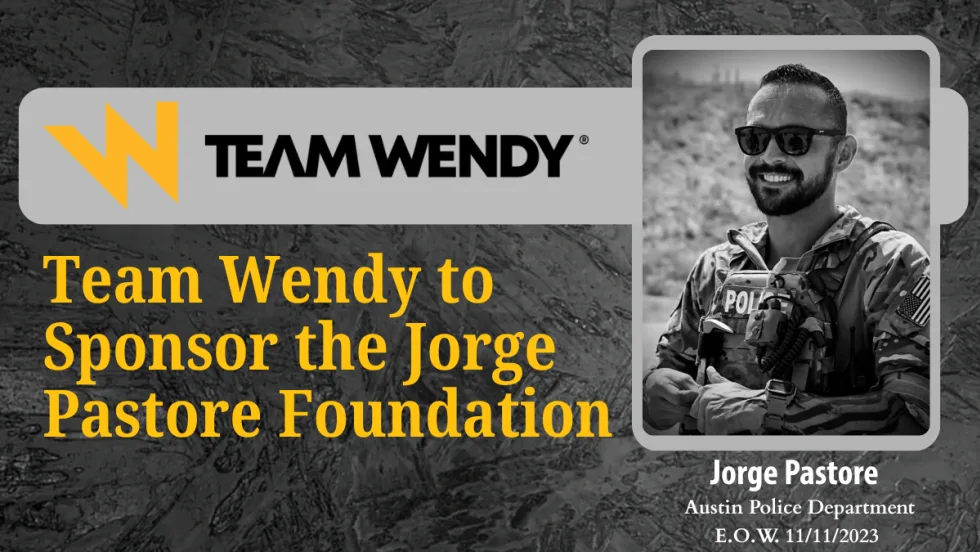
Team Wendy Announces Title Sponsorship of the Jorge Pastore Foundation
Team Wendy’s 3-year partnership with the Jorge Pastore Foundation expands access to programs that strengthen those who serve.
Read More →